A Property Manager’s Chimney Maintenance Checklist
A practical chimney maintenance checklist for property managers: access, tenant communication, service history, seasonal planning, documentation, and repair approvals.
Missouri Seasonal & Property Care
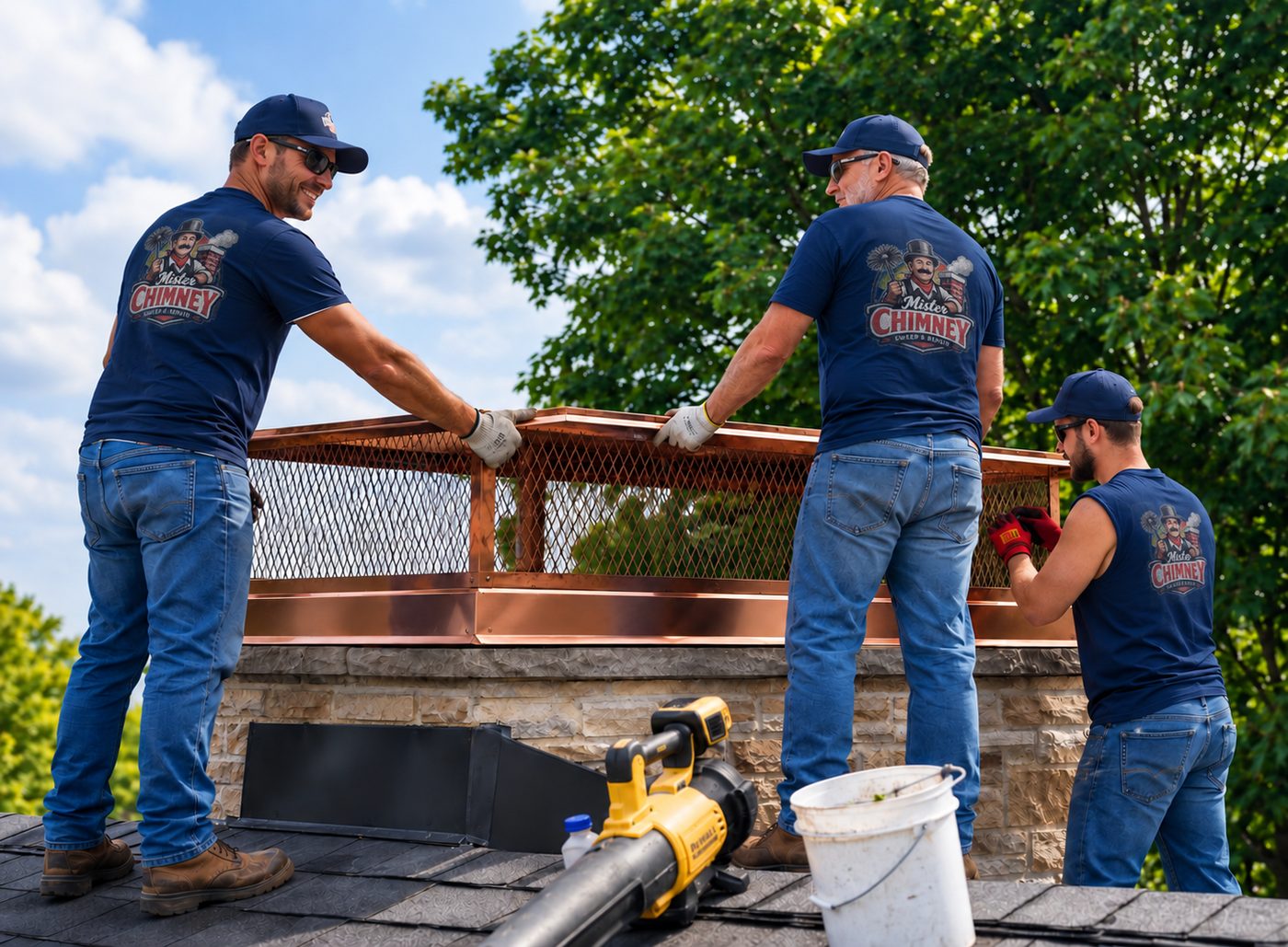
Commercial chimney and fireplace service can involve a different set of questions than a single residential appointment. A hotel, restaurant, office, multifamily building, HOA property, or mixed-use site may have several systems, restricted access, tenant or guest considerations, operating schedules, and a need for clear documentation before repairs are approved.
The best starting point is to define the scope. What systems are on the property? What is being reported? What access is available? What information does the owner need to make a repair decision? Clear answers at the beginning help avoid a visit that is too narrow, too vague, or difficult to coordinate.
Commercial properties may have masonry fireplaces, gas fireplaces, factory-built systems, stoves, rooftop terminations, common-area hearths, or appliances that have not been used recently. Start with an inventory of what is known: location, fuel type, use frequency, past repairs, water concerns, reported odors, smoke issues, or visible damage.
It is fine if some information is unknown. The important part is to identify the gaps so the technician can recommend an appropriate commercial chimney and fireplace service scope rather than assume every system is the same.
Before service, ask whether the appointment is for cleaning, inspection, camera documentation, repair evaluation, maintenance, or a combination of these. Ask which accessible areas will be reviewed, whether roof or mechanical-room access may be needed, and what information will be provided after the visit.
The company should separate routine maintenance from conditions that require repair. A commercial owner needs to know what was performed, what was observed, what should be prioritized, and what may need coordination with other work such as roofing, masonry, gas, electrical, or building access.
Access can be the most important operational factor. Coordinate keyholders, roof access, security procedures, service elevators, parking, tenant notice, guest-facing hours, equipment placement, and any property rules. If a fireplace is in a restaurant, lobby, occupied unit, or common area, identify the time window when work can be completed with minimal disruption.
Share these details in advance. Clear access planning lets the service team focus on the system rather than lose time solving building logistics after arrival.
Documentation should give the owner enough information to make a decision. That may include descriptions of accessible conditions, photos or camera images when relevant, recommended next steps, and scope details for repairs. It should distinguish between an observed concern, a monitoring item, and a condition that should be addressed before use.
For a complex property, documentation can also help future planning. It creates a record of which systems were serviced, where concerns were found, and what work was approved or deferred.
Not every item needs to be addressed at the same time. A well-organized recommendation may separate immediate safety or water-entry concerns from maintenance that can be scheduled later. It may also identify work that requires coordination with other trades or a different approval process.
The point is not to create a larger project than necessary. It is to give the owner a condition-based plan that makes practical sense for the property, its operations, and the systems in place.
Often, yes, but the service should be planned around the number, type, location, and condition of the systems. Provide an accurate inventory and access details when scheduling.
It should describe the accessible condition, work performed, observed concerns, and recommended next steps. Photos or video may be useful when they help explain a condition that is not visible to the owner.
The chimney service provider should clarify what is within its scope and what may require coordination with roofing, masonry, gas, electrical, or building-management professionals. Clear scope prevents assumptions and keeps planning organized.
For commercial chimney and fireplace service in St. Louis or Kansas City, Mister Chimney can help define the scope, document accessible findings, and explain practical next steps. Request commercial chimney and fireplace service for your property.
How we can help
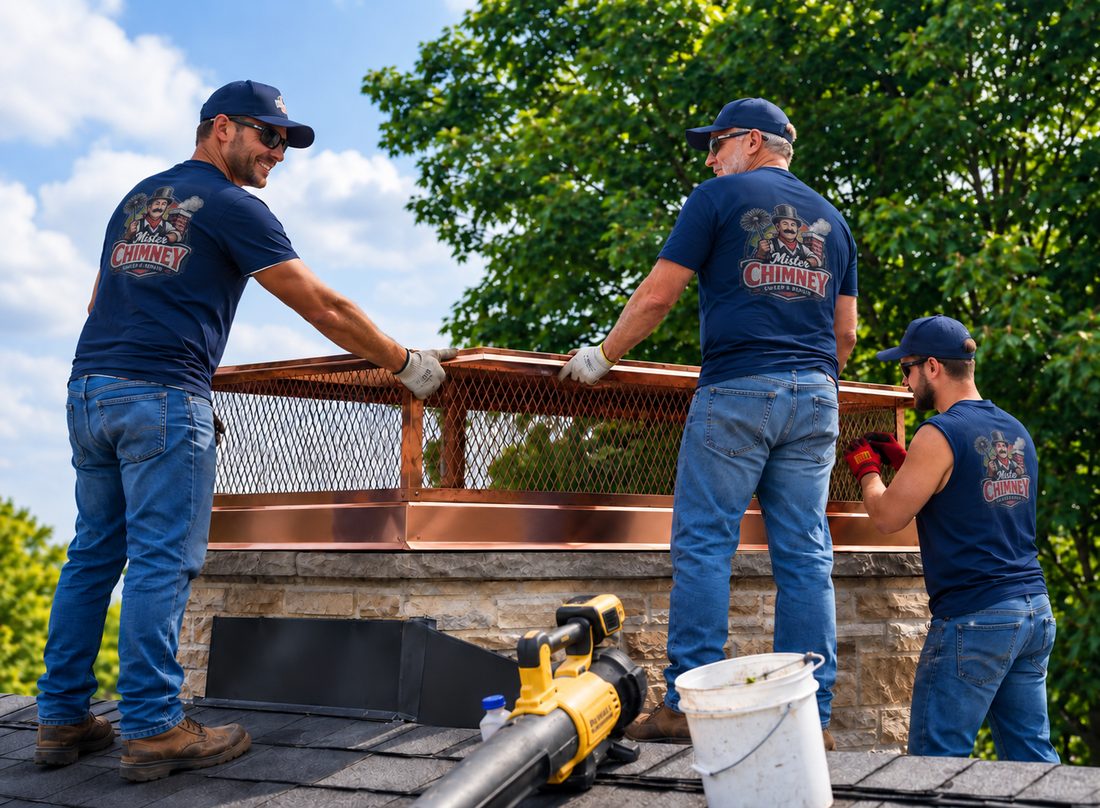
Chimney, flue, and fireplace service for commercial and multi-unit properties.
Learn about Commercial Chimney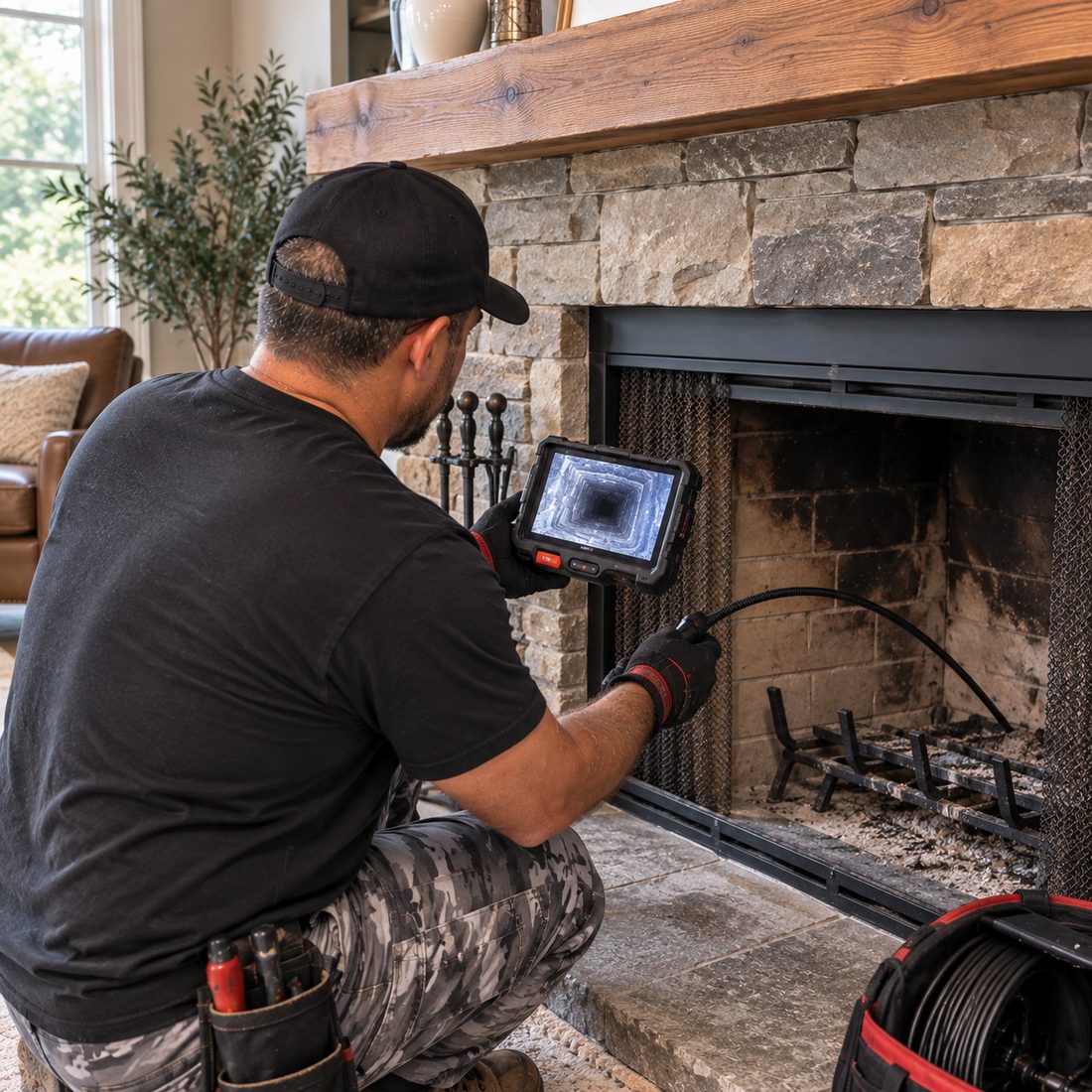
A structured look at the flue, firebox, and exterior to document the system's condition.
Learn about Chimney Inspection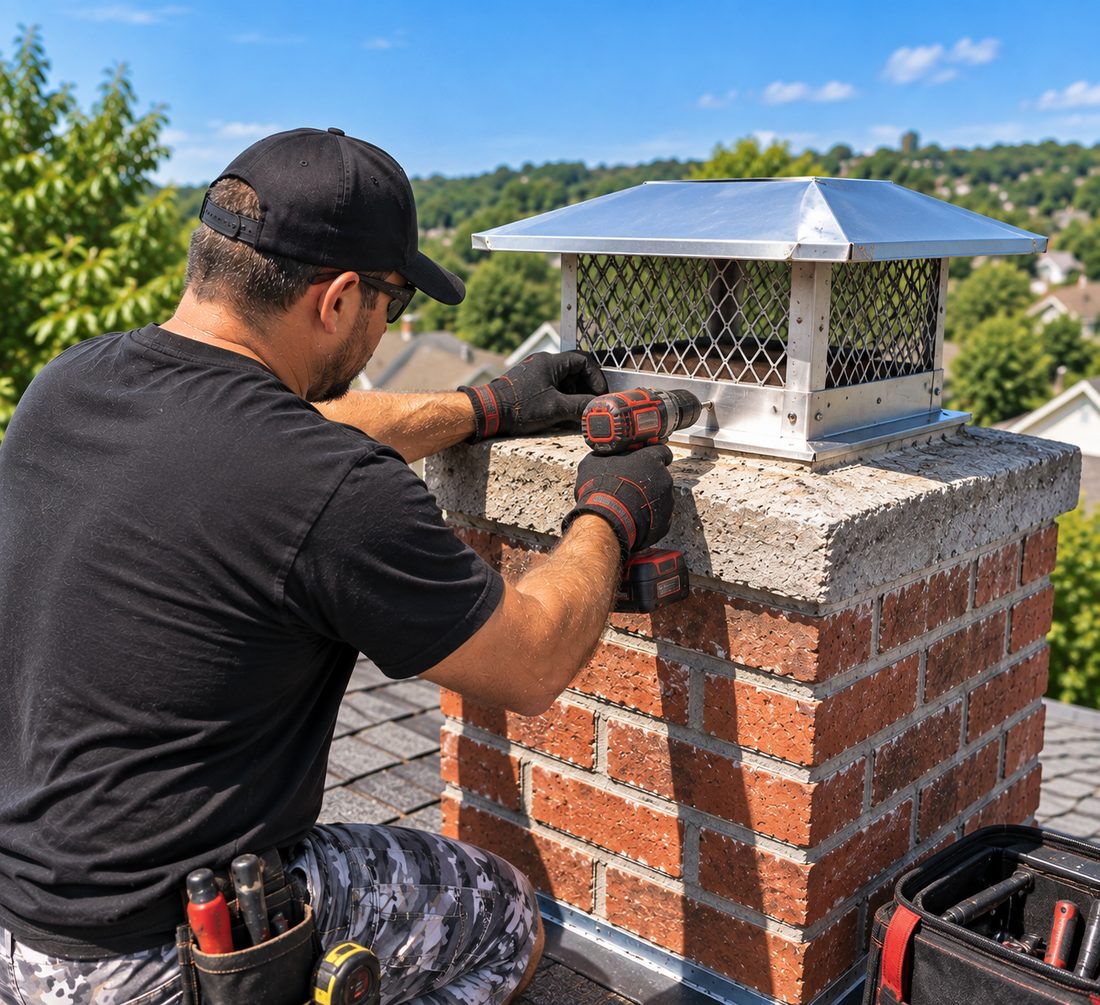
Fitting the flue cover that keeps rain, animals, and embers where they belong.
Learn about Chimney Cap InstallationKeep reading
A practical chimney maintenance checklist for property managers: access, tenant communication, service history, seasonal planning, documentation, and repair approvals.
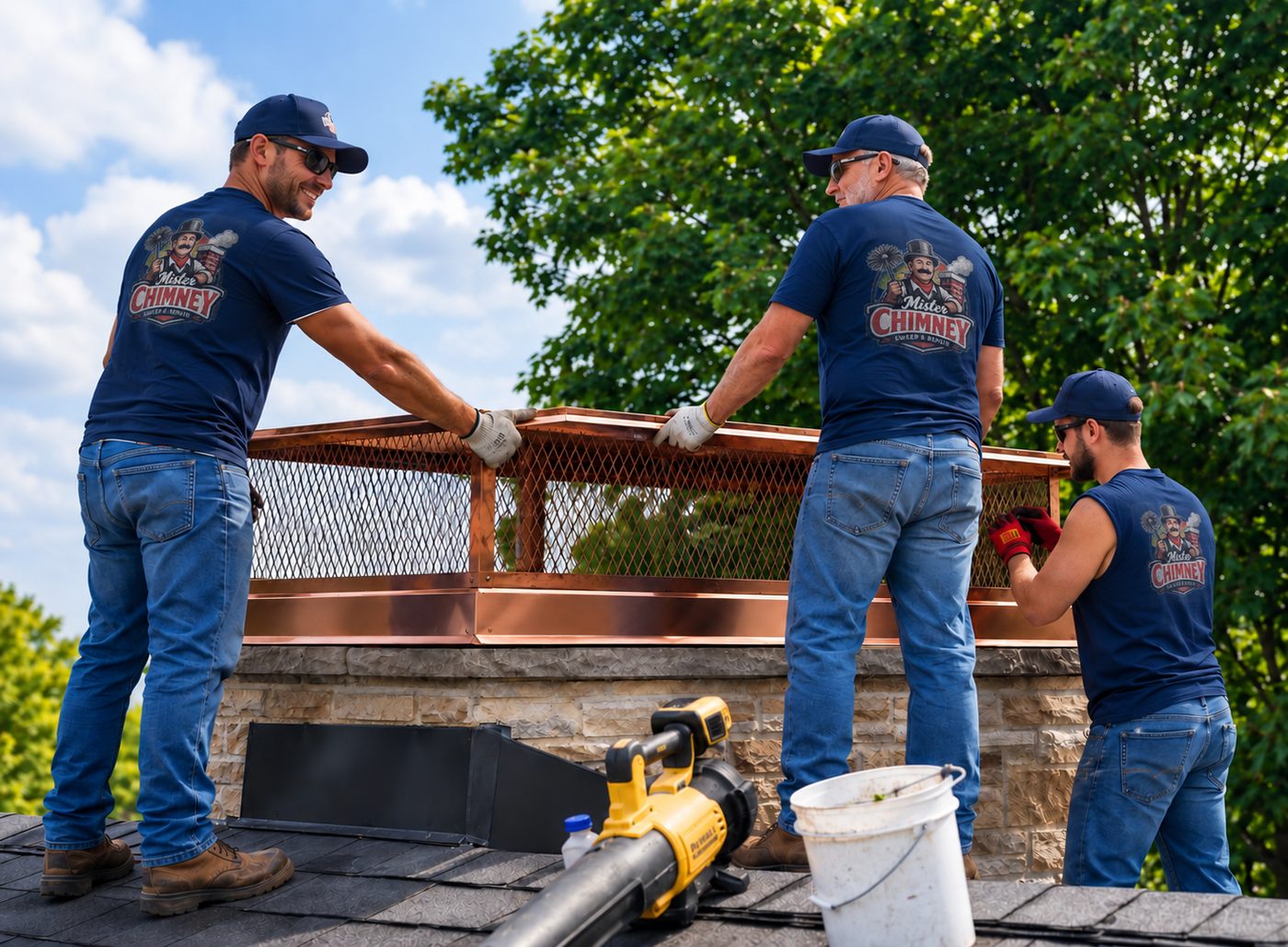
Learn why documenting accessible chimney conditions with notes, photos, or camera work helps homeowners understand repair recommendations before approving work.
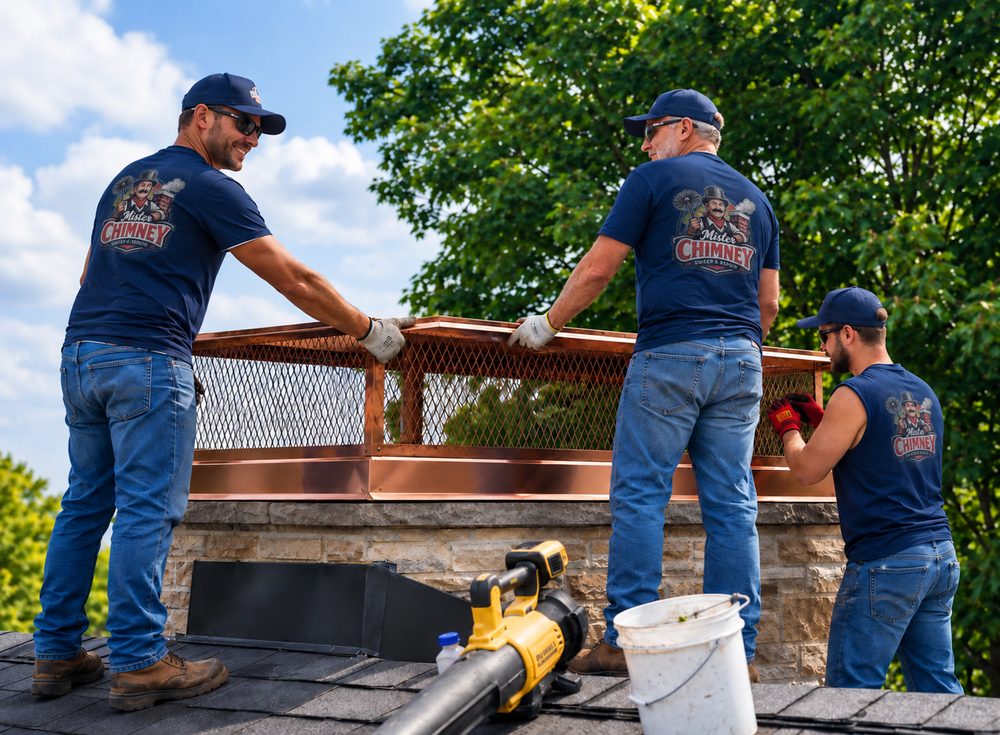
Learn how simple chimney and fireplace maintenance records help homeowners track use, repairs, inspection findings, and seasonal planning.
Get in touch
Tell us about your chimney or fireplace and the best number to reach you. Full name, phone, and ZIP are required.