When a Camera Chimney Inspection Can Help
Learn when a camera chimney inspection can add useful information about flue conditions, obstructions, damage, and hard-to-see areas.
Service Process & Home Care
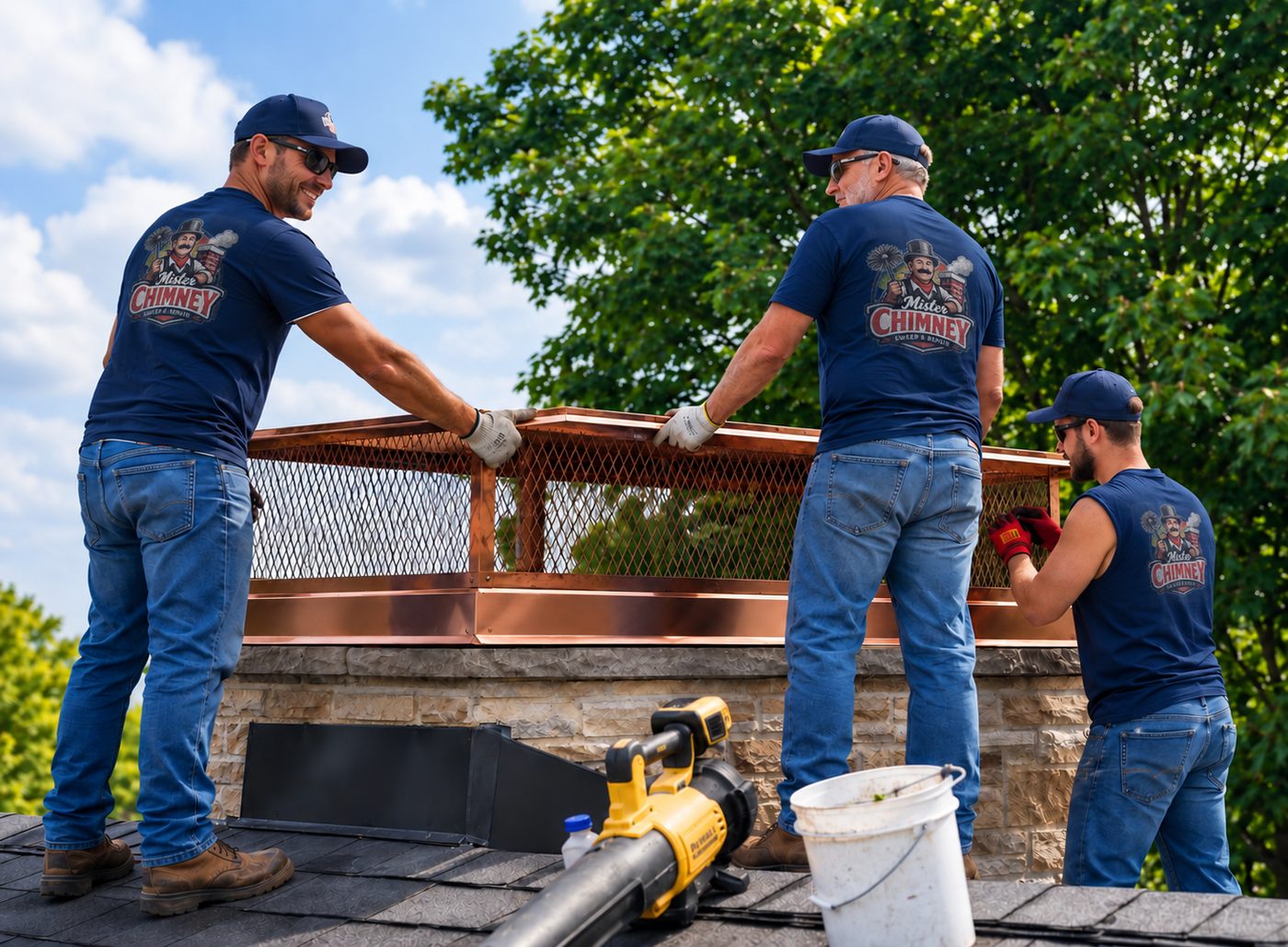
Chimney and fireplace conditions are often hard for a homeowner to see. A crown is above the roofline. A liner is inside the flue. Flashing sits at the roof-to-chimney transition. A smoke chamber is above the firebox. When a repair is recommended without visible evidence or a clear explanation, it is difficult for an owner to know what they are being asked to approve.
That is why Mister Chimney documents accessible conditions before recommending repair. Documentation can include notes, photos, camera images, and a plain-language explanation of what was observed. It does not replace professional judgment, but it makes the conversation more transparent.
The homeowner’s report matters. Water after rain, smoke in the room, a new odor, loose brick, a difficult damper, or a change in a gas fireplace gives the technician a starting point. The service visit then connects that symptom to the accessible evidence.
For example, a water stain may lead to review of the crown, cap, flashing, masonry, chase cover, and visible interior areas. A draft issue may lead to review of the damper, firebox, smoke chamber, visible flue, cap, and use history. The technician should be able to explain why an area was checked and how it relates to the symptom.
A photo of a chimney top or a camera image from inside a flue can help the homeowner see what the technician is discussing. It can also create a record that helps compare conditions later. If a repair is deferred, documentation can help the owner monitor the area and plan the work with better information.
Photos should never be used as scare tactics. A close-up image can make a small condition look dramatic without context. The explanation is just as important as the image: what is shown, where it is located, why it matters, and what options are appropriate.
“Your chimney needs repair” is not enough. A good recommendation identifies the component or area, such as crown, cap, flashing, masonry, liner, damper, firebox, or chase cover. It explains the accessible condition and differentiates between a prompt repair, an item to monitor, and routine maintenance.
When a condition cannot be understood fully from accessible areas, a camera chimney inspection or another inspection scope may be discussed. The homeowner should know what additional information that step is expected to provide before agreeing to it.
Documentation also helps determine whether repair can make sense before replacement. A focused condition may be repairable when surrounding materials remain sound. A larger condition may need a broader scope. The decision should come from the evidence, not from a preselected sales goal.
Mike Sullivan’s standard is simple: “Show people what you see, explain their options, and let them make the decision.” That approach is especially important in chimney work because the homeowner cannot see every part of the system from the living room.
Ask for copies of images, notes, and the written scope of any proposed work. Keep them with your service records. If you seek another opinion or need to plan a repair later, clear documentation makes the conversation easier and reduces the chance that the same inspection work has to be repeated without context.
Photos are evidence of what was visible at a particular time, but they need explanation and context. The technician should describe the location, condition, and how it relates to the repair recommendation.
Camera work can help evaluate areas inside a flue or chimney path that cannot be understood from ordinary accessible observation. The reason and expected value should be explained before the work is performed.
In some situations, a condition may be monitored rather than repaired immediately. The appropriate choice depends on the condition, intended use, and professional recommendation. The owner should understand what changes would call for re-evaluation.
For a chimney repair conversation you can understand, request an inspection with Mister Chimney in St. Louis or Kansas City. We will document accessible findings, explain the options, and let you decide on the next step.
How we can help
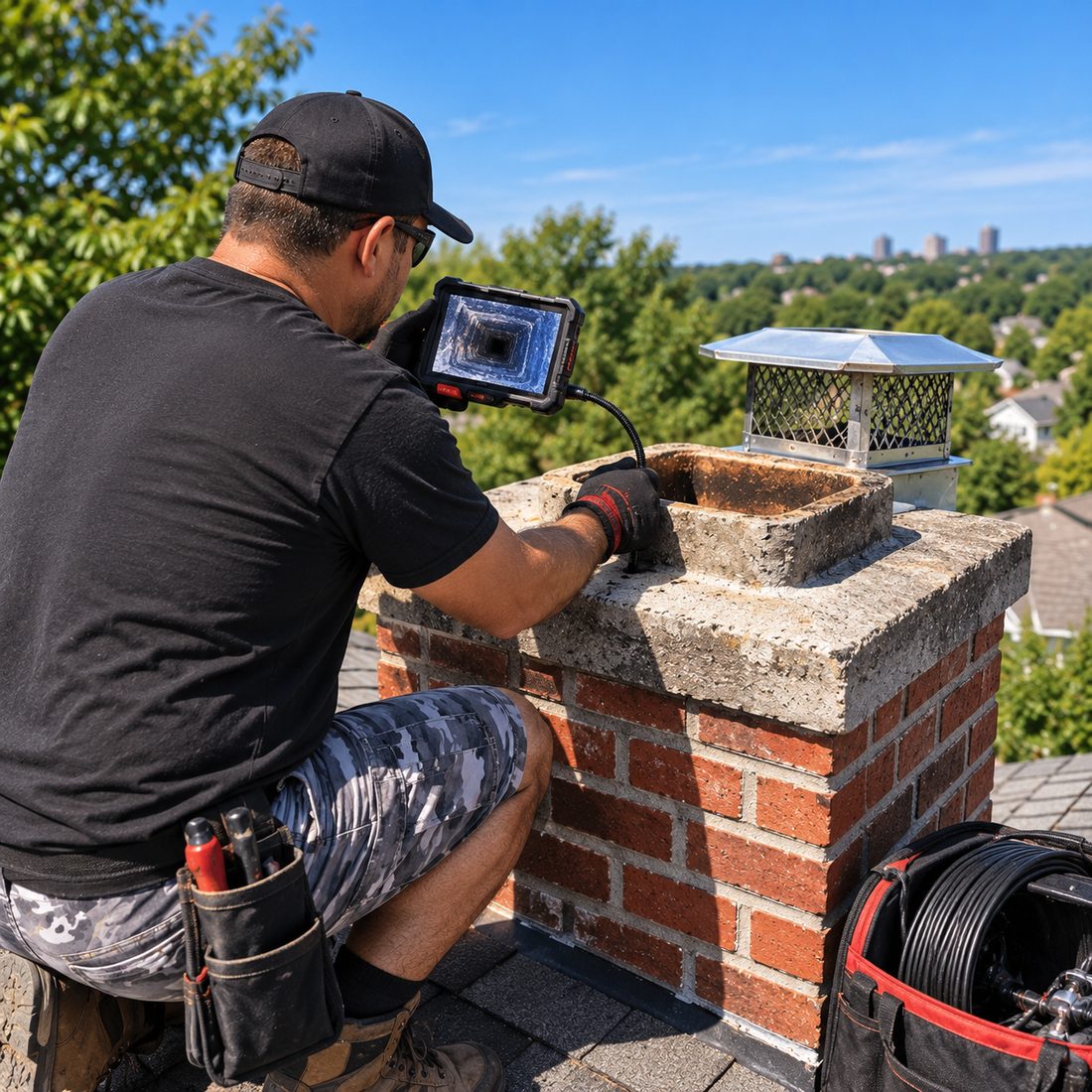
A video scan of the flue interior that shows what a view from below cannot.
Learn about Camera Chimney Inspection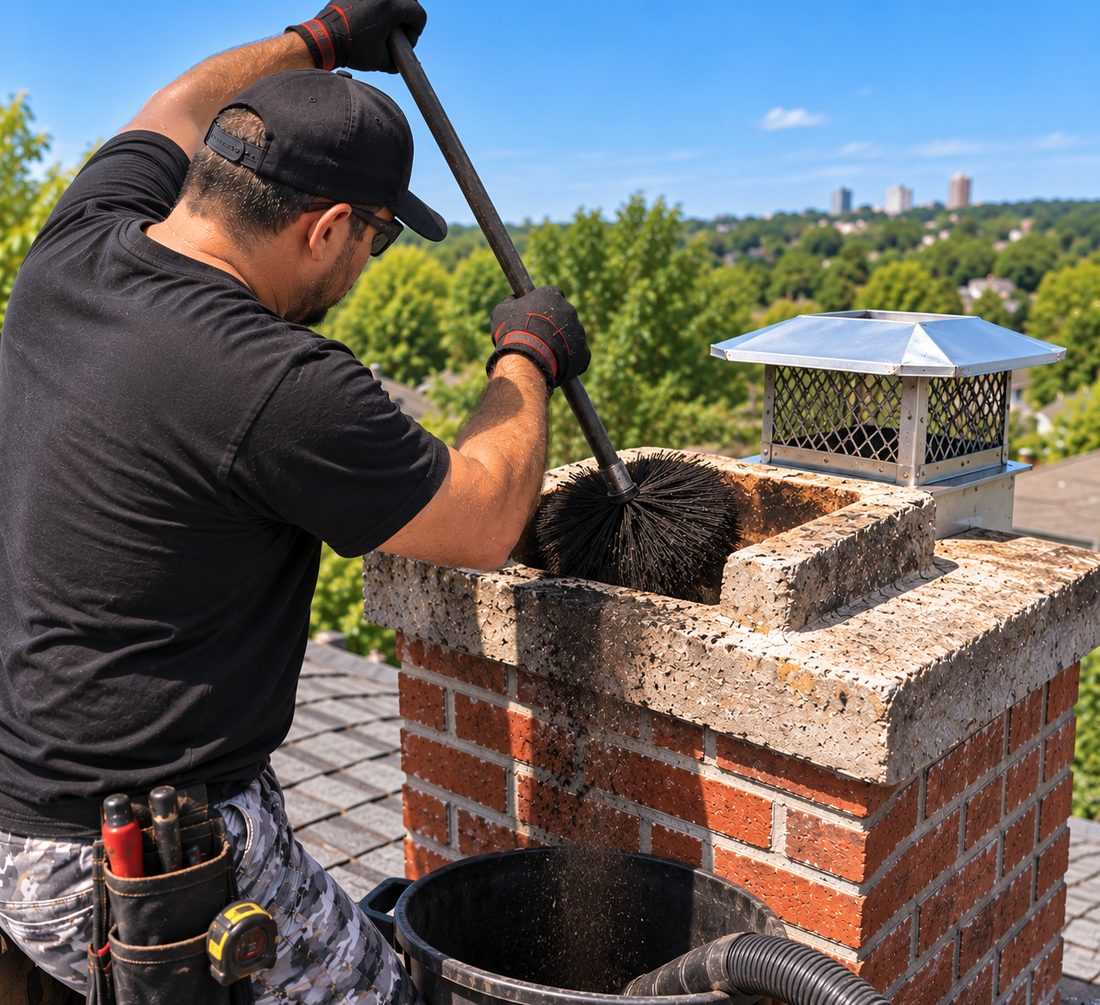
Removing soot and creosote so a flue can vent the way it was designed to.
Learn about Chimney Cleaning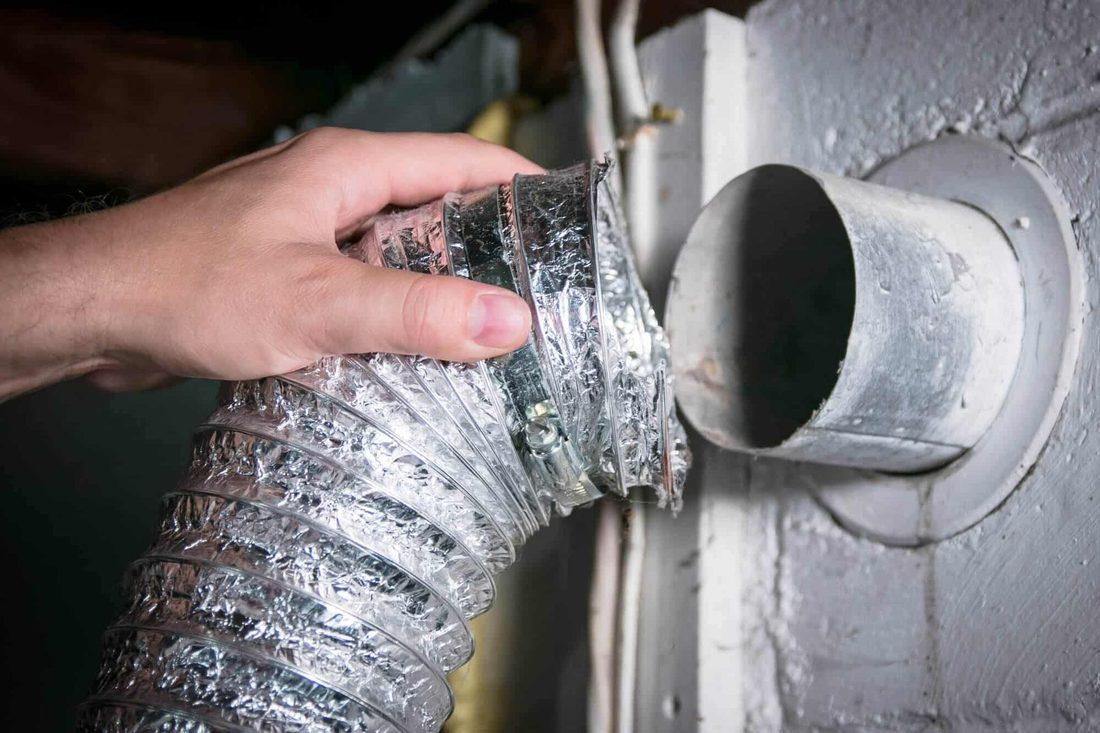
Clearing lint from dryer ducts to restore airflow and reduce a real fire risk.
Learn about Dryer Vent CleaningKeep reading
Learn when a camera chimney inspection can add useful information about flue conditions, obstructions, damage, and hard-to-see areas.
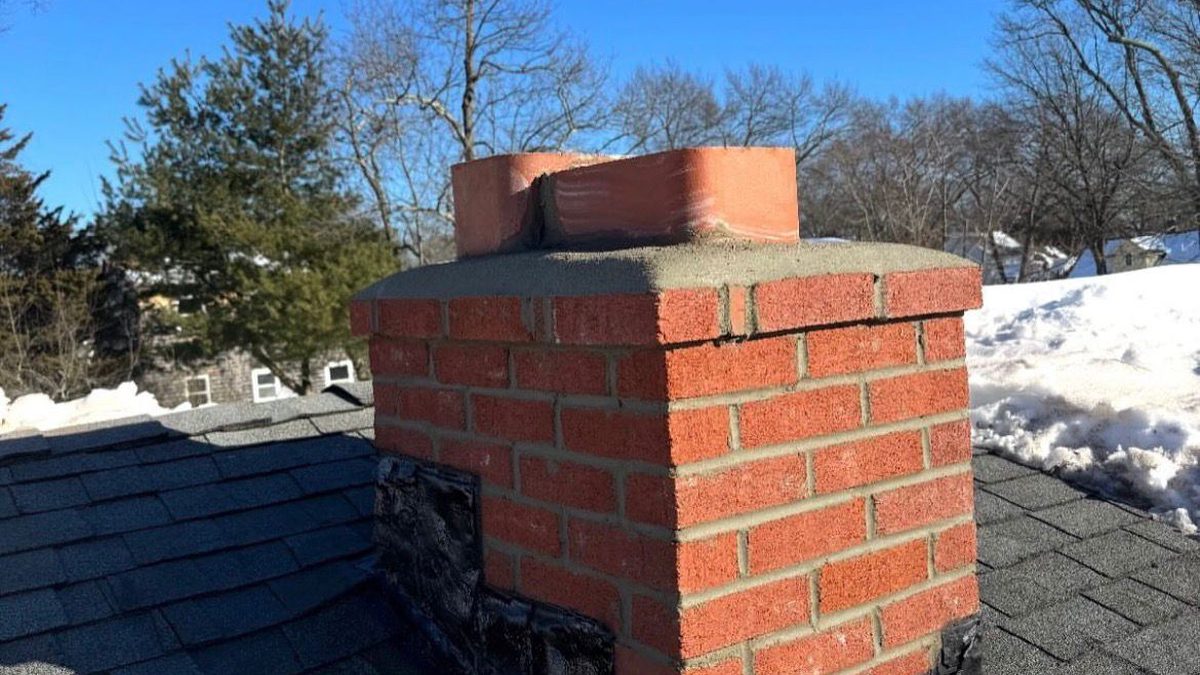
Learn what affects chimney repair cost, including the source of the problem, materials, access, scope, and why an on-site assessment matters.
Learn how simple chimney and fireplace maintenance records help homeowners track use, repairs, inspection findings, and seasonal planning.
Get in touch
Tell us about your chimney or fireplace and the best number to reach you. Full name, phone, and ZIP are required.