When a Damaged Flue Liner Needs a Closer Look
Learn what a flue liner does, the signs that may call for closer evaluation, and why liner repair or relining decisions require property-specific assessment.
Cleaning & Inspections
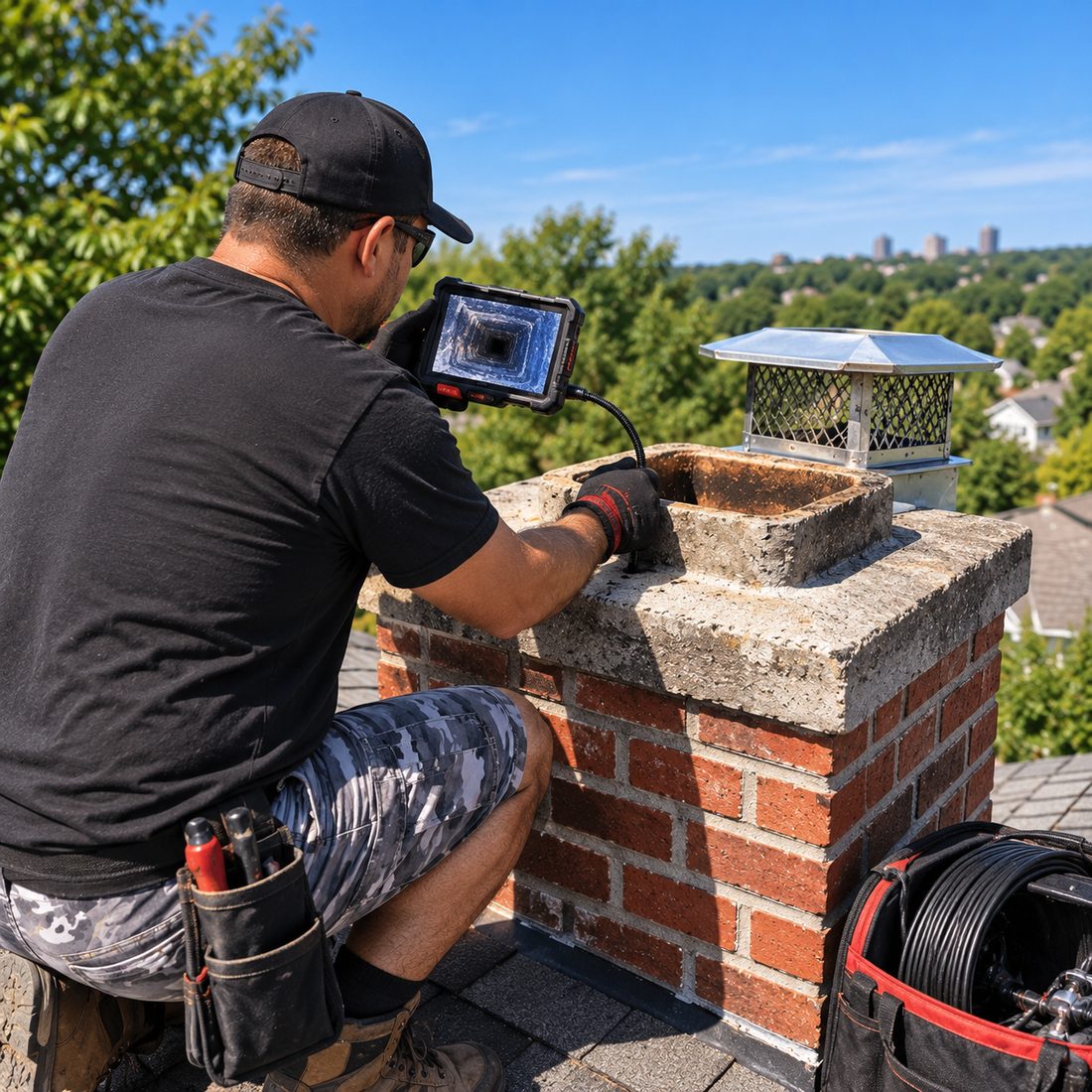
Some chimney questions cannot be answered from the hearth, the roofline, or a flashlight alone. A camera inspection can give a closer view of portions of a flue or chimney path that are difficult to understand through ordinary accessible observation.
That does not mean every routine visit needs a camera. A camera is a tool, not a sales script. It is most useful when there is a specific reason to look beyond what can be safely and reasonably observed during a standard inspection.
A camera chimney inspection may help document the interior condition of a flue, locate an obstruction, examine a suspected liner issue, or evaluate changes after a known event. It can also be useful when a homeowner reports smoke, odor, draft changes, water concerns, or a damaged component that cannot be fully understood from accessible exterior and fireplace areas.
Video or images can make the conversation more concrete. Instead of relying only on technical words, the technician can show a homeowner what was visible and explain why it may matter. This is especially valuable when the condition is far above the firebox or hidden inside a system where the homeowner would otherwise have no view at all.
Camera work is often considered when a system has changed, when a property is being bought or sold, when there has been a known chimney fire or water event, or when the initial inspection raises a question that cannot be answered without a closer look. It may also help with planning chimney relining and flue liner repair or determining whether a visible problem is limited to one area.
The reason should always be specific. “We need to see more” is not enough by itself. A homeowner should know what the camera is expected to clarify and how that information could affect the next decision.
Camera images are useful evidence, but they are not a magic answer. Lighting, access, the shape of the system, and the condition of the interior can affect what is visible. A camera cannot replace an on-site evaluation of exterior masonry, flashing, caps, crowns, appliances, or the surrounding property.
It also cannot make a repair decision automatic. A visible crack, deposit, offset, or obstruction has to be understood in context. The system type, the location of the condition, the use history, and any related symptoms all matter. The right next step may be monitoring, cleaning, a focused repair, additional evaluation, or a discussion about how the system should be used.
Most homeowners are asked to make decisions about components they cannot see. Good documentation helps change that. It gives the owner a record of what was observed at a particular time and makes it easier to compare future service findings.
For property managers and owners of multiple units, photos or video can also make communication more organized. The report can distinguish between conditions that require prompt attention, conditions that should be watched, and items that simply need routine maintenance. The goal is clarity, not fear.
Tell the technician about the system and the reason for the appointment. Mention a past repair, a change in appliance, a smoke issue, an odor, a water event, or a concern from a home inspection report. Clear access to the fireplace or appliance helps, and roof or attic access details should be shared in advance when relevant.
Do not try to push tools, mirrors, or cameras into a chimney yourself to answer the question before the visit. A chimney can have sharp edges, loose material, restricted areas, and conditions that are better evaluated with appropriate equipment and a clear scope.
No. Camera work can add information about areas that are difficult to see, but it is one part of a broader condition review. The fireplace, exterior chimney, appliances, access points, and reported symptoms still matter.
When documentation is part of the visit, images or video can help explain what was observed. The technician should also translate the finding into plain language and explain the practical next step.
Not in every situation, but it can be helpful when the liner condition or interior path needs to be understood more clearly. The need depends on the property and the reason the repair is being considered.
When a chimney question cannot be answered from accessible areas alone, Mister Chimney can explain whether camera work is appropriate. Request a camera chimney inspection in St. Louis or Kansas City for a clearer view of the concern.
How we can help
A video scan of the flue interior that shows what a view from below cannot.
Learn about Camera Chimney Inspection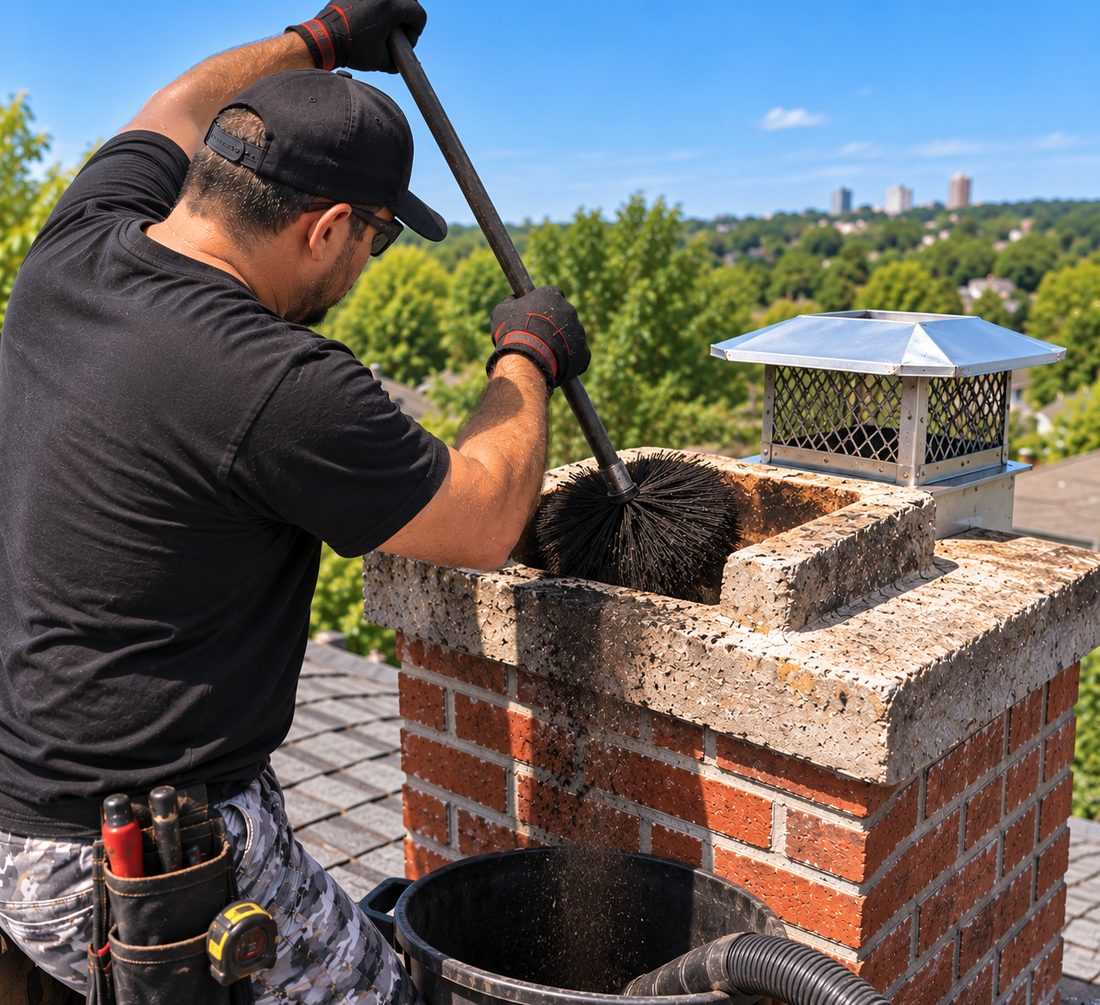
Removing soot and creosote so a flue can vent the way it was designed to.
Learn about Chimney Cleaning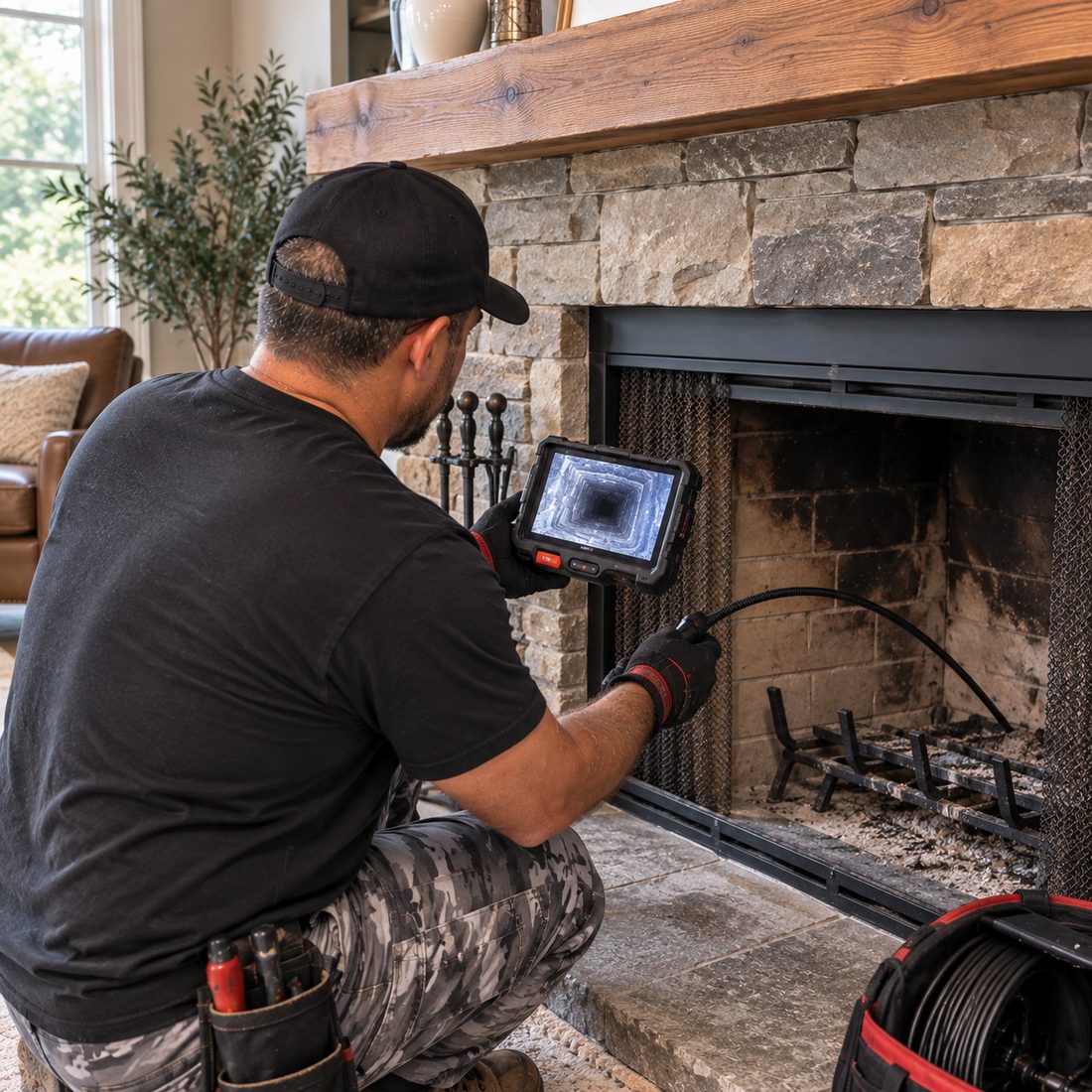
A structured look at the flue, firebox, and exterior to document the system's condition.
Learn about Chimney InspectionKeep reading
Learn what a flue liner does, the signs that may call for closer evaluation, and why liner repair or relining decisions require property-specific assessment.
Learn why documenting accessible chimney conditions with notes, photos, or camera work helps homeowners understand repair recommendations before approving work.
Learn the practical difference between Level 1, Level 2, and Level 3 chimney inspections and why the right level depends on the property and concern.
Get in touch
Tell us about your chimney or fireplace and the best number to reach you. Full name, phone, and ZIP are required.