When a Camera Chimney Inspection Can Help
Learn when a camera chimney inspection can add useful information about flue conditions, obstructions, damage, and hard-to-see areas.
Chimney Repairs & Moisture
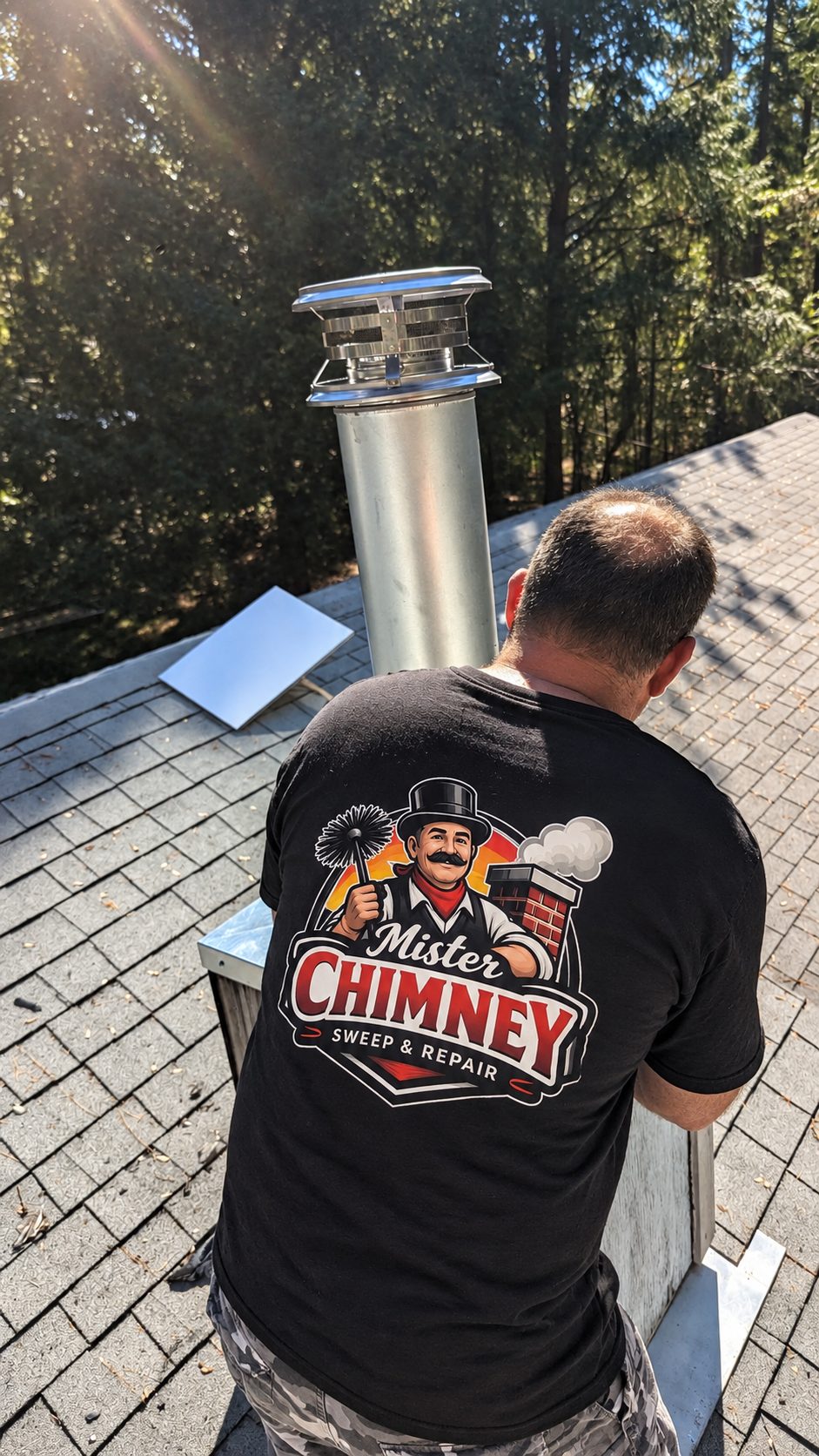
The flue liner is the passage inside the chimney that helps contain and direct combustion byproducts from a fireplace, stove, or appliance. Because it is out of sight, homeowners often do not think about it until a problem is suspected. A smoky fireplace, a drafting change, visible liner damage near the top, a concern from an inspection report, or a change in appliance can all be reasons to take a closer look.
The important word is “closer.” A liner condition is not something to diagnose from a photo of the firebox or a quick view from the roof. The material, configuration, appliance, use history, and accessible evidence all matter. Repair or relining should be based on the actual condition of the system and applicable property requirements.
Depending on the chimney, the liner may be clay, metal, or another approved system designed for the appliance and venting path. Its role is connected to how heat, smoke, and combustion byproducts move through the chimney. A liner concern can affect more than performance; it can influence what kind of evaluation is needed before the system continues to be used.
The liner is also only one part of the system. The firebox, smoke chamber, damper, appliance connection, chimney structure, cap, crown, and exterior components can all influence the questions that need to be answered.
Smoke entering the room, a recurring draft problem, a strong odor, visible pieces of liner material, a known chimney fire, a change in appliance, or a report that mentions flue damage are all reasons to arrange an inspection. These signs do not prove a liner needs replacement, but they are not conditions to ignore.
In some cases, a camera chimney inspection can help show areas that cannot be evaluated from accessible portions alone. The purpose of the camera work should be clear: to understand a suspected crack, offset, deterioration, obstruction, or other condition that affects the next decision.
Chimney relining and flue liner repair is not a one-product service. The appropriate scope depends on the chimney’s construction, the appliance it serves, the condition observed, and whether the system has changed. Sometimes a focused repair can be discussed. In other cases, relining may be considered. Sometimes the first requirement is simply better information.
Do not accept a liner recommendation without asking what was found, how it was documented, what part of the system is affected, and why the proposed scope fits the appliance. A good explanation should make it clear whether the recommendation is based on visible evidence, camera findings, a change in system use, or another specific reason.
Changing a fireplace, stove, insert, or fuel type can change how a chimney is used. The existing liner may not automatically be appropriate for the new situation. Before an installation or conversion moves forward, the chimney and venting path should be evaluated for the property and applicable local requirements.
That is why an article about liners should not promise that any older chimney can simply receive a new appliance. The planning has to begin with the actual system, not with an assumption based on appearance.
Sometimes only a small accessible portion is visible. Many liner conditions are farther inside the chimney path, which is why a camera inspection or another appropriate evaluation may be recommended.
No. Age alone does not determine the need for relining. The system’s condition, appliance, use, and inspection findings determine whether repair, relining, monitoring, or another next step should be discussed.
If an inspection report or visible condition raises a liner concern, avoid continued use until the issue is clarified. The appropriate advice depends on the system and the specific evidence observed.
If you have a flue or liner concern in St. Louis or Kansas City, Mister Chimney can explain what an inspection shows and whether closer evaluation is appropriate. Request chimney relining and flue liner repair service based on the actual condition of your system.
How we can help
Restoring or replacing the flue liner so the chimney can safely contain what it vents.
Learn about Chimney Relining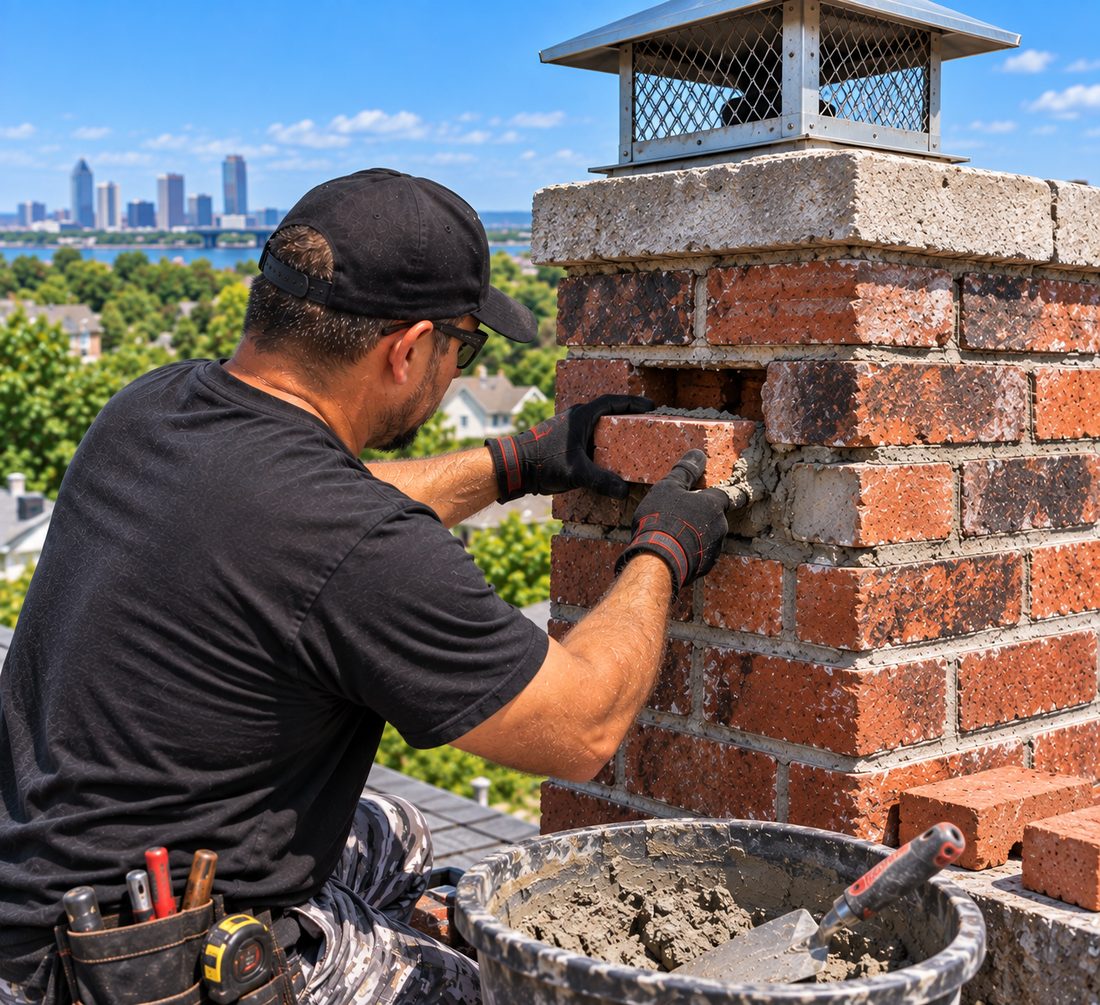
Diagnosing and correcting the specific problem, from a leak to failing masonry.
Learn about Chimney Repair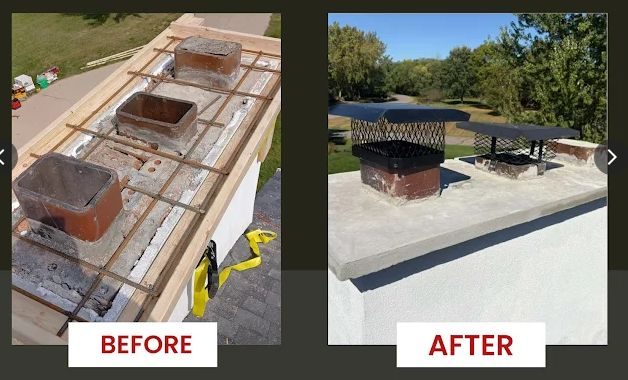
Repairing or rebuilding the top slab that sheds water off the chimney.
Learn about Chimney Crown RepairKeep reading
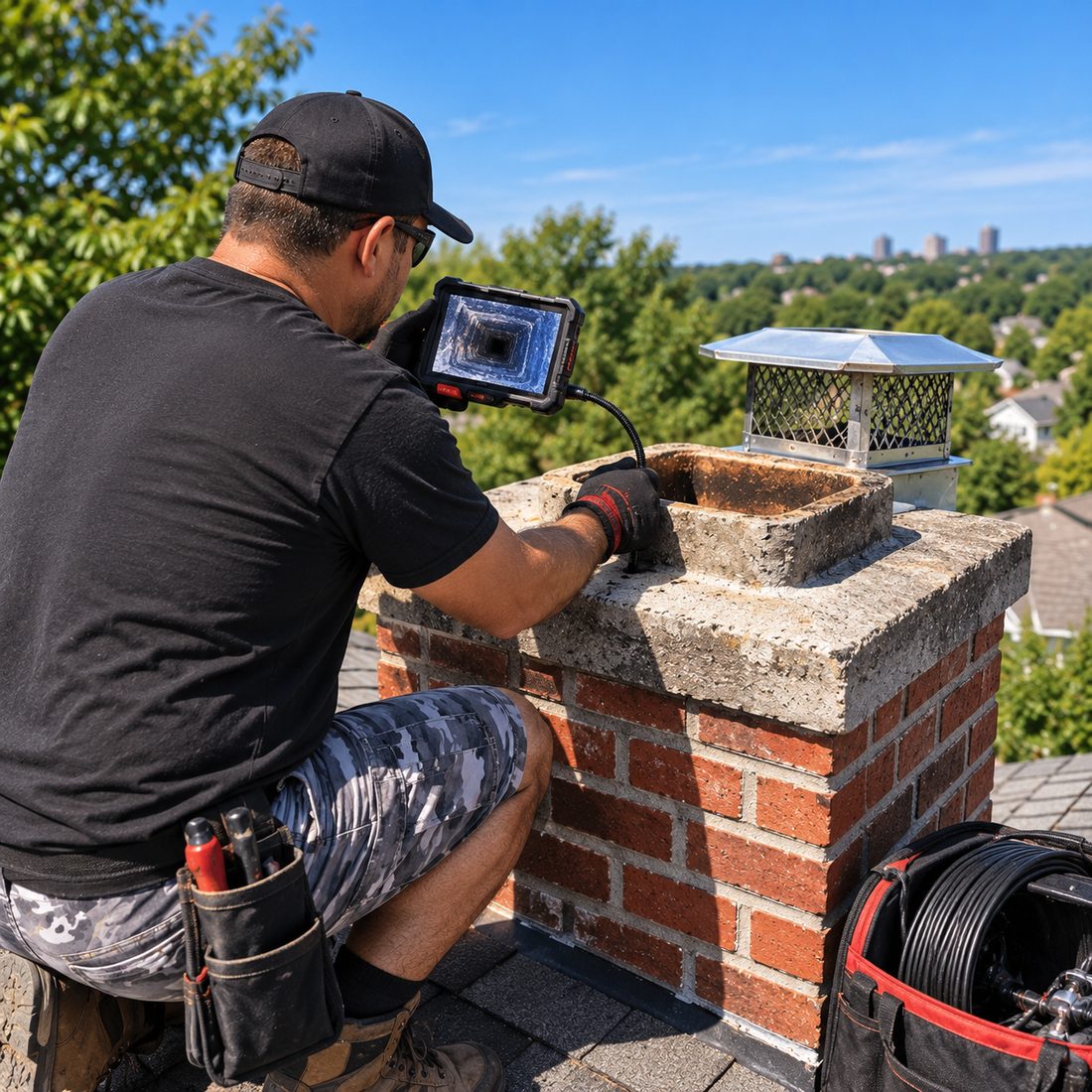
Learn when a camera chimney inspection can add useful information about flue conditions, obstructions, damage, and hard-to-see areas.
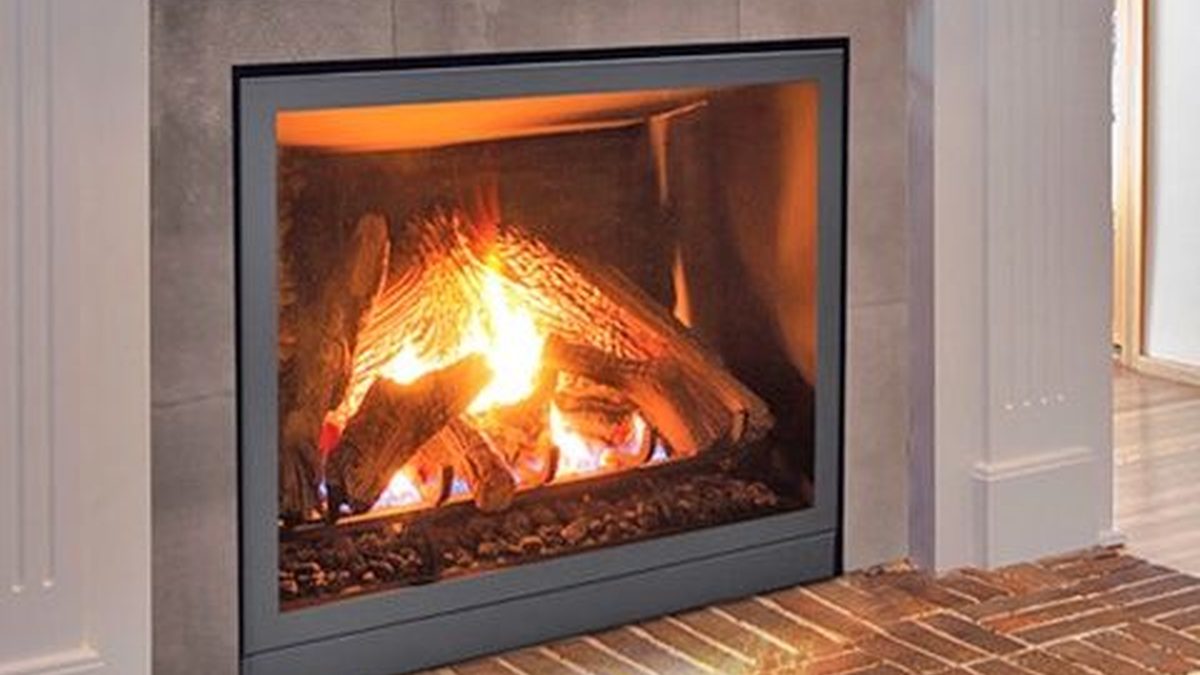
Considering a wood-to-gas fireplace conversion? Learn the property-specific questions to answer about fireplace type, venting, condition, fuel, and installation scope.
A fireplace that no longer drafts normally can have several causes. Learn what changes to note and why a condition-focused chimney inspection matters.
Get in touch
Tell us about your chimney or fireplace and the best number to reach you. Full name, phone, and ZIP are required.