Why Smoke Can Enter the Room When You Use a Fireplace
Smoke entering a room from a fireplace can have several causes. Learn what to do immediately, what details matter, and why an inspection is the right next step.
Fireplace, Flue & Venting
A fireplace that used to work normally and now struggles to draw can be frustrating. The homeowner may notice smoke lingering at start-up, a fire that seems hard to establish, a change after a storm, or a room that feels different when the fireplace is used. These are not problems to solve by trial and error with more paper, more wood, or a forced damper control.
Draft is the movement of air and combustion byproducts through the fireplace and chimney system. It depends on more than one part. The flue, damper, smoke chamber, liner, cap, exterior conditions, appliance, fuel, and air movement in the home can all affect how the system performs.
The phrase “it does not draft like it used to” gives a technician an important starting point. It suggests there has been a change. Did the concern begin after the fireplace sat unused? Did it start after a roof project, renovation, or appliance change? Does it happen only on windy days, after rain, or with certain fuel? Does smoke enter the room, or does the fire simply seem slow to establish?
The timing can help distinguish an immediate use issue from a condition that needs broader evaluation. It does not identify the repair, but it prevents the inspection from starting with assumptions.
A damper that is stuck, damaged, or not positioned correctly for use can affect airflow. So can an obstruction, debris, nesting material, or a flue condition that needs a closer look. A chimney cap installation and repair concern may be part of the evaluation if the top of the chimney has been exposed to weather or animal activity.
The smoke chamber, liner, and fireplace throat can also matter. In a masonry fireplace, the way smoke moves from the firebox into the flue is part of the overall performance. A system that has developed rough surfaces, damage, or changes in accessible components may need more than basic maintenance.
Modern homes and homes that have been renovated can move air differently than they did in the past. Exhaust fans, range hoods, clothes dryers, weatherization work, and changes in room ventilation can influence pressure inside a home. That does not automatically mean the fireplace is defective, but it is a useful detail to share if the problem appears when certain equipment is operating.
Do not try to make permanent changes to the house or fireplace based on a general article. A draft concern needs to be evaluated in the context of the specific system and property.
Do not keep burning to “warm the chimney up” if smoke is entering the room. Do not remove components, block openings, or force a damper. Do not assume a stronger fire will solve an obstruction or a damaged control.
Instead, stop using the fireplace when performance is abnormal and arrange a chimney inspection. The technician can review accessible components, ask about the use history, and determine whether routine cleaning, camera work, damper service, or another focused step should be discussed.
Write down the conditions when the draft problem occurs. Mention weather, season, type of fuel, whether the fireplace was recently used, and whether the concern happens at the start or throughout the fire. If a particular fan or dryer is running at the same time, note that too.
This information makes the inspection more efficient and gives the homeowner a better chance of receiving a condition-based explanation rather than a generic answer.
Deposits or debris can be one factor, but a changed draft can have several causes. Cleaning may be appropriate, but an inspection is needed to understand whether another condition is involved.
Wind, temperature, and air pressure can influence how a fireplace performs, especially when there is an existing condition or airflow difference in the home. Repeated weather-related patterns are useful to report during an inspection.
Changing a window may provide temporary information about airflow, but it is not a repair. If the fireplace is smoking or not performing normally, stop using it and arrange an evaluation.
If your fireplace draft has changed in St. Louis or Kansas City, Mister Chimney can help identify the accessible factors that deserve attention. Request a chimney inspection before returning the fireplace to regular use.
How we can help
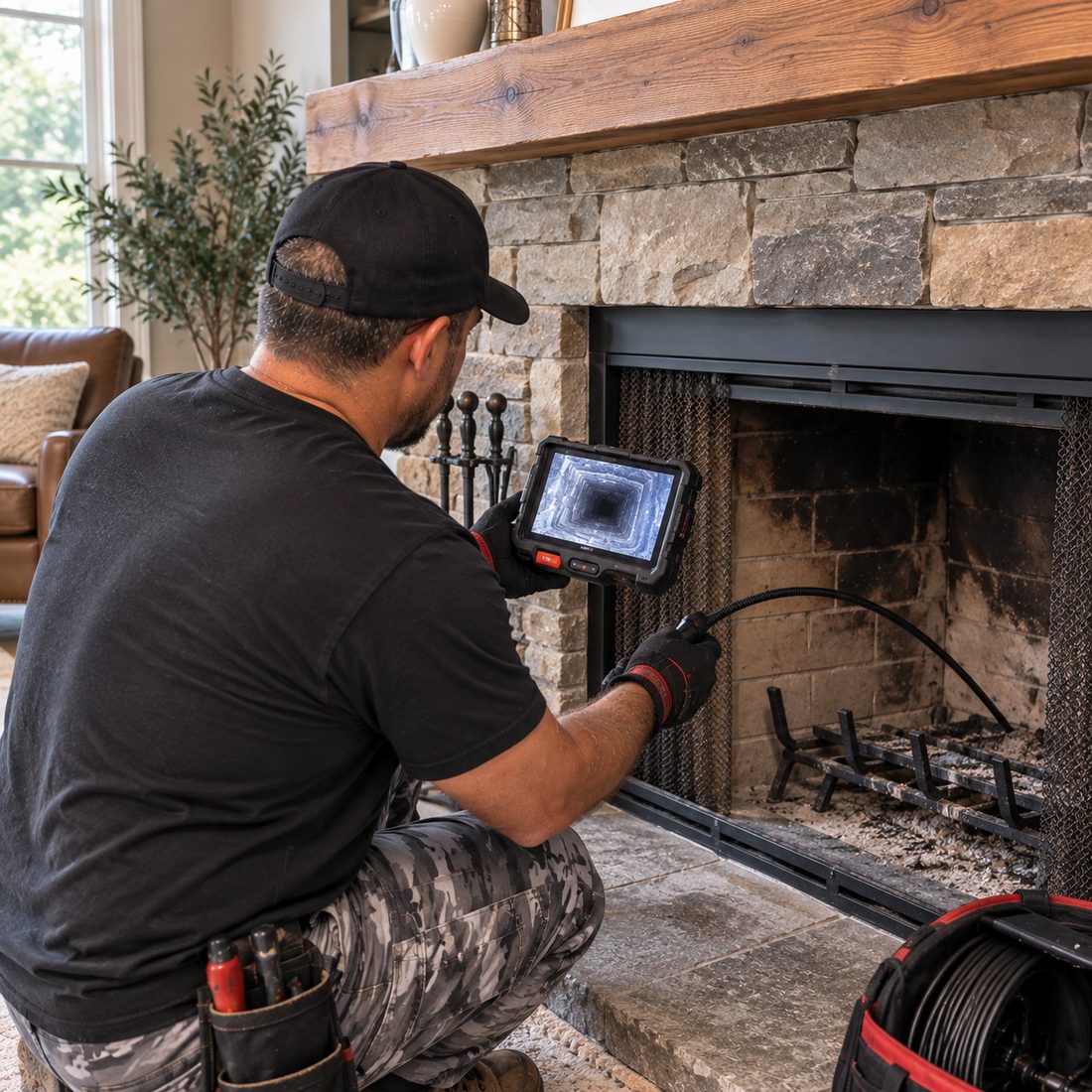
A structured look at the flue, firebox, and exterior to document the system's condition.
Learn about Chimney Inspection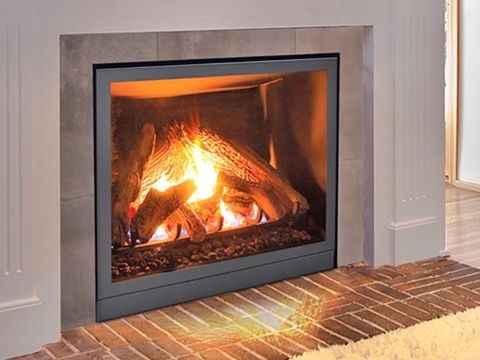
Diagnosing why a gas fireplace won't light, stay lit, or run cleanly, and correcting it.
Learn about Gas Fireplace Repair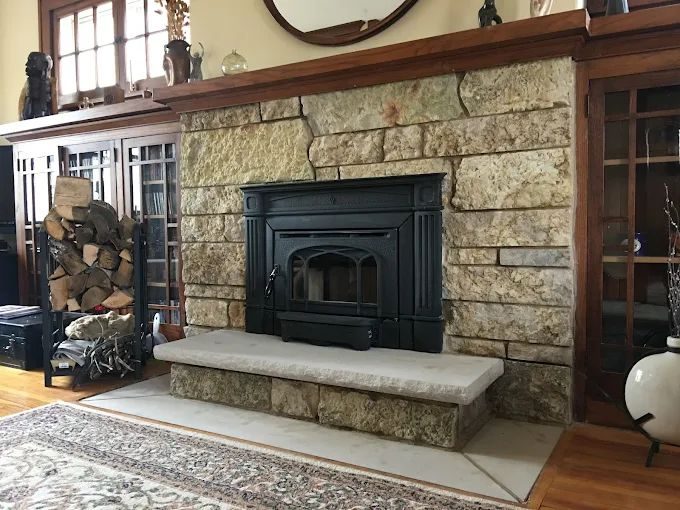
Fitting an efficient sealed insert into an existing fireplace opening.
Learn about Fireplace Insert InstallationKeep reading
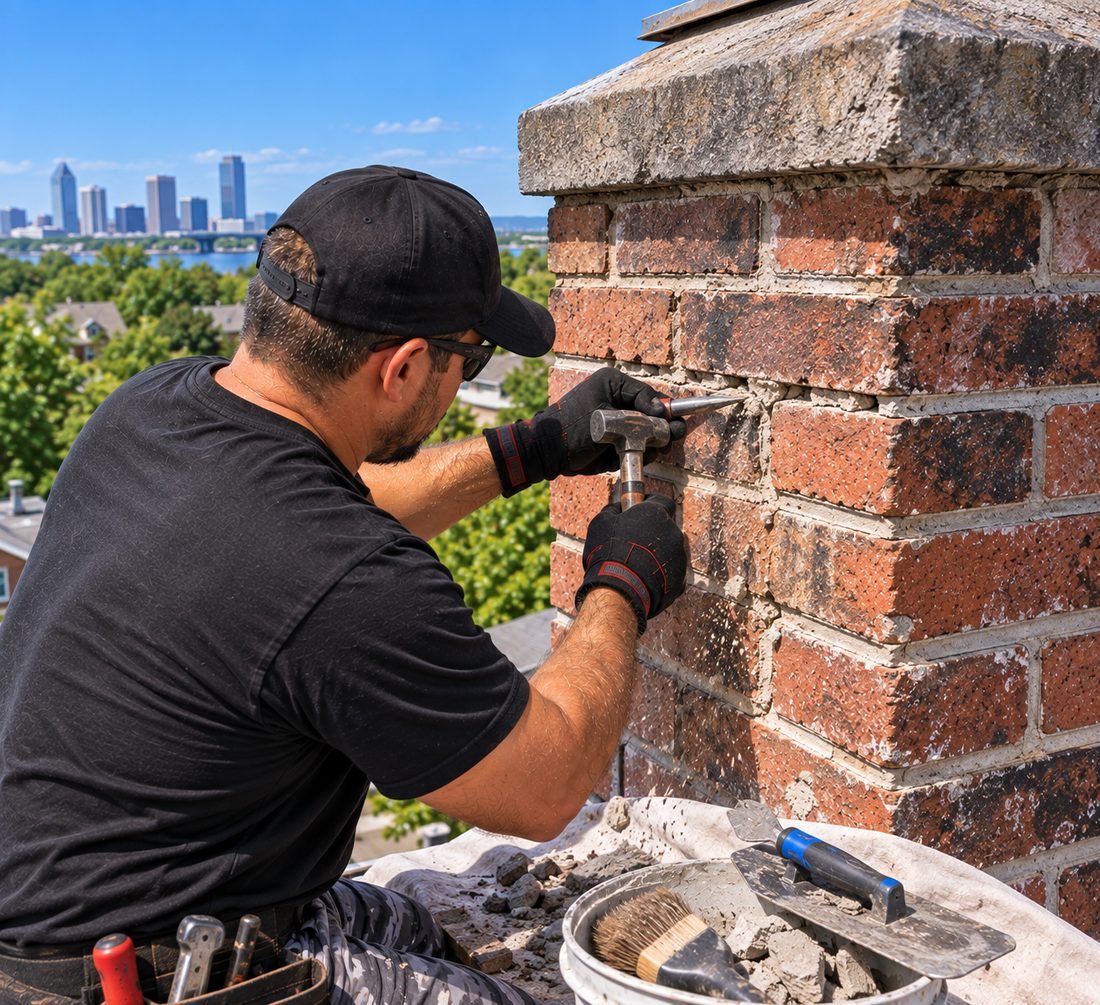
Smoke entering a room from a fireplace can have several causes. Learn what to do immediately, what details matter, and why an inspection is the right next step.
Learn what a flue liner does, the signs that may call for closer evaluation, and why liner repair or relining decisions require property-specific assessment.
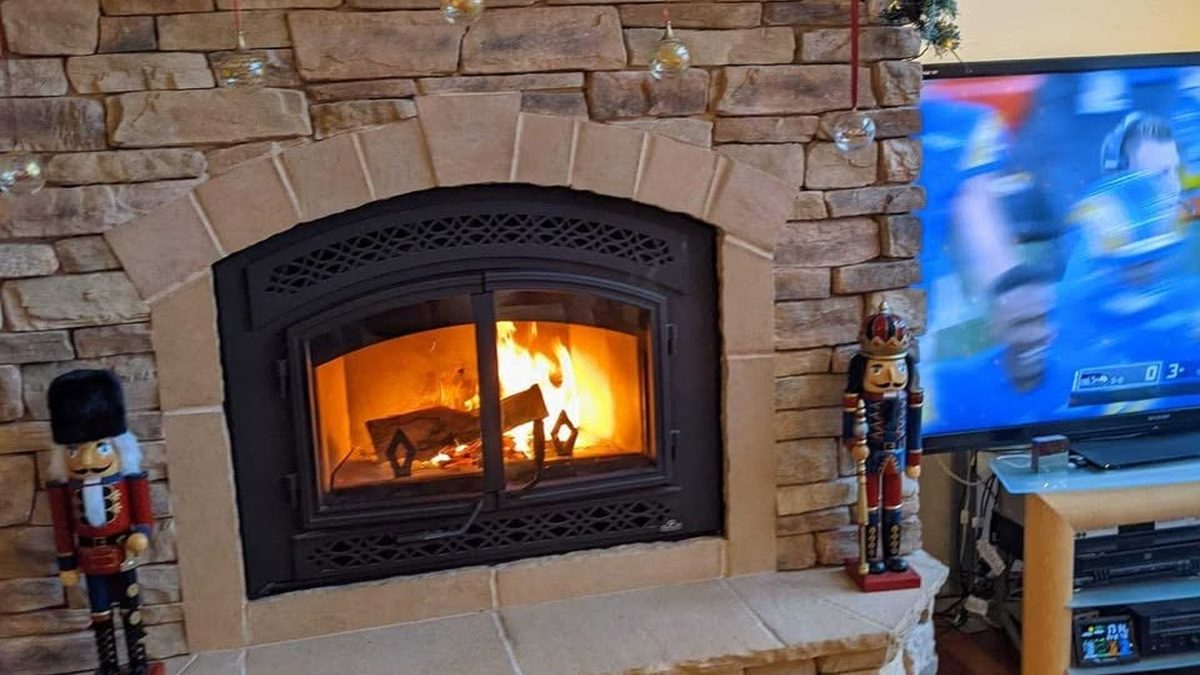
Learn the difference between a fireplace flue and damper, how each affects chimney operation, and why smoke or draft issues require more than a quick guess.
Get in touch
Tell us about your chimney or fireplace and the best number to reach you. Full name, phone, and ZIP are required.