
Is Your Fireplace Flue Open or Closed? How to Tell
Learn the difference between an open and closed fireplace flue, why the damper matters, and when a damper issue should be evaluated professionally.
Fireplace, Flue & Venting
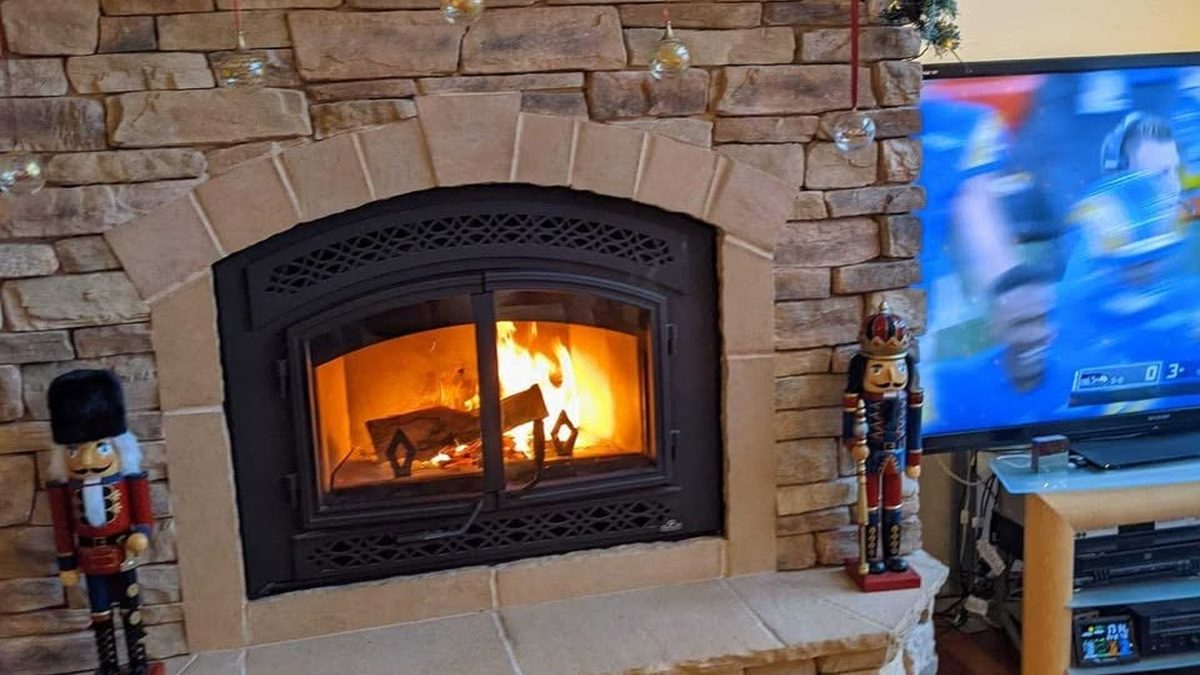
The flue and the damper are connected parts of a fireplace system, but they do different jobs. Knowing the difference helps homeowners describe a problem accurately and avoid unsafe assumptions when a fireplace is not operating normally.
The flue is the passageway inside the chimney or venting system that carries smoke, heat, and combustion byproducts away from the fireplace or appliance. The damper is a movable component in some systems that can regulate airflow through that passage. One is the path; the other is a control.
In a wood-burning masonry fireplace, the flue is usually the vertical passage above the firebox and smoke chamber. Its construction may include clay, metal, or another liner system depending on the chimney. In a stove, insert, or gas system, the venting path and materials can be different, but the basic purpose is still to carry combustion byproducts according to the system design.
Because the flue is mostly hidden, homeowners cannot evaluate its full condition by looking at the firebox. A camera inspection may be useful when there is a concern about an obstruction, liner condition, deposit, or area that cannot be understood from accessible portions alone.
The damper may be located near the fireplace throat, at the top of the chimney, or in another position depending on the system. It can help regulate airflow when the fireplace is in use or not in use. The exact operation depends on the appliance and should follow the system’s instructions.
A damaged, corroded, disconnected, or stuck damper can affect how a fireplace drafts. But not every draft problem means the damper is the cause. A smoke condition can involve the flue, an obstruction, external air pressure, the appliance, the liner, or another component. That is why damper repair and replacement should be based on what is observed rather than a guess from a difficult fire.
If smoke enters the room, homeowners often say the flue is closed. It is possible that the damper is not open as needed for use, but it is also possible that the fireplace has another condition. If a room feels drafty when the fireplace is not in use, the damper position may be part of the conversation, but fireplace construction and airflow patterns also matter.
An odor after rain, falling debris, animal activity, or a damper that will not move are clues worth reporting. They help a technician decide whether the focus should be on the damper, a chimney inspection, a cap, or another part of the system.
Do not pry at a damper, wedge it with an object, or attempt to reach into the flue with household tools. A damaged control can create a larger repair problem, and an obstruction or hidden condition will not be solved by forcing the mechanism.
If the fireplace has been unused for a long period or the control has become difficult to operate, schedule an evaluation before lighting a fire. The technician can identify the accessible component, explain how it relates to the flue, and recommend the appropriate next step.
Not every system uses the same design. Some fireplaces and appliances have throat dampers, top-sealing dampers, other control systems, or different venting arrangements. Follow the specific appliance instructions and ask for service if the operation is unclear.
No. The flue and damper are separate components. A damper replacement does not correct a liner or flue condition, and a liner repair does not automatically address a damaged damper.
Smoke can have several causes, including draft, obstruction, fuel, moisture, liner, or appliance issues. Stop using the fireplace if smoke enters the room and arrange an inspection rather than continuing to test it.
For a fireplace that is hard to operate or not drafting normally, Mister Chimney can explain which accessible components should be checked. Request damper repair and replacement or a chimney inspection in Missouri.
How we can help
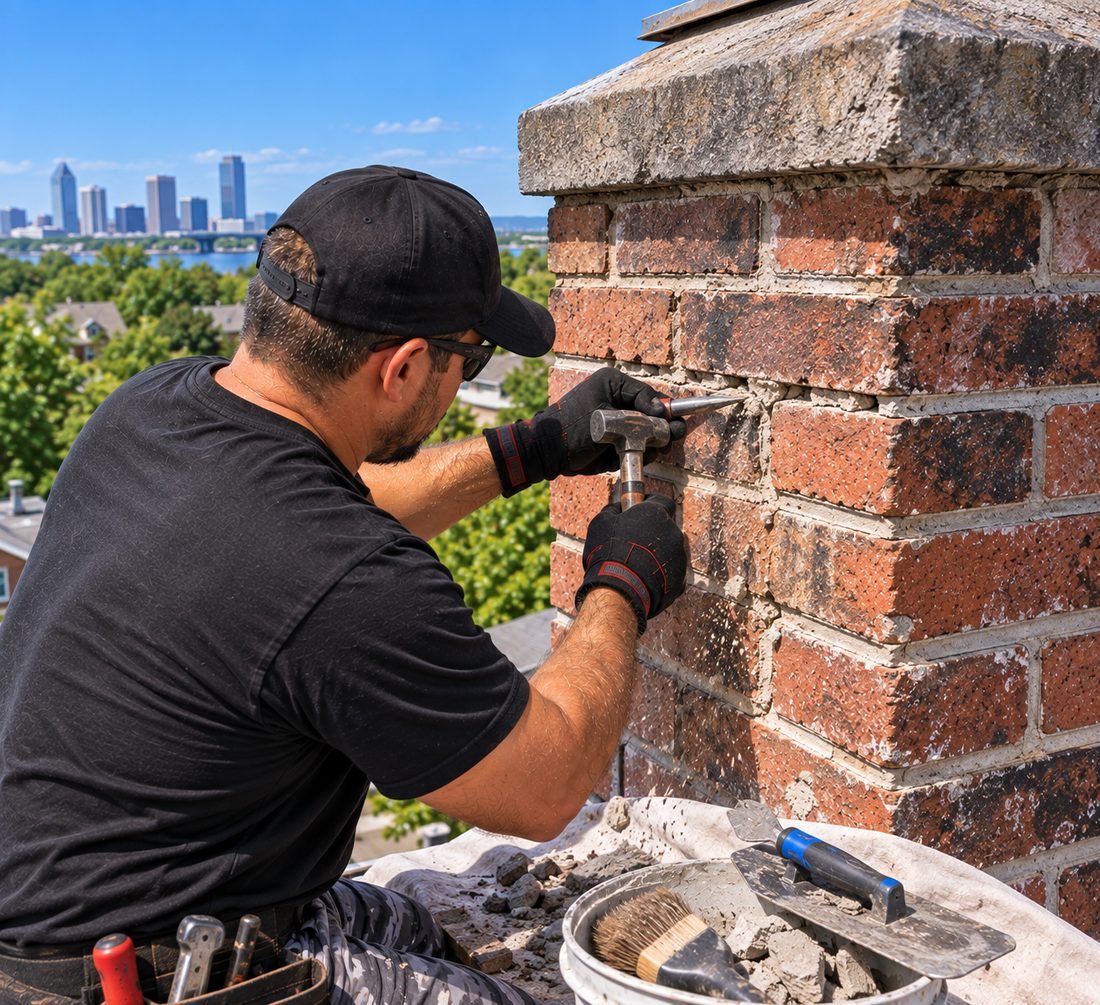
Getting the flue damper to open, close, and seal the way it should.
Learn about Damper Repair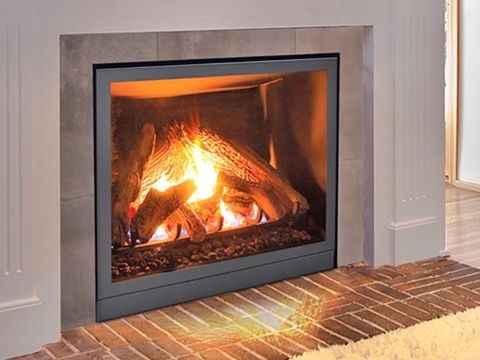
Diagnosing why a gas fireplace won't light, stay lit, or run cleanly, and correcting it.
Learn about Gas Fireplace Repair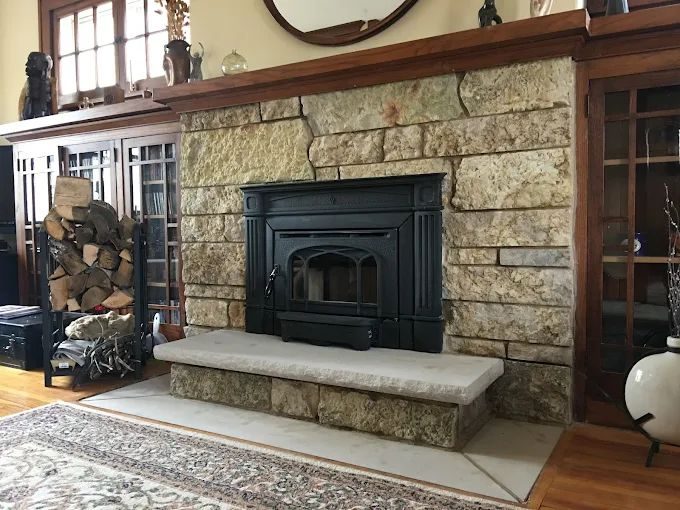
Fitting an efficient sealed insert into an existing fireplace opening.
Learn about Fireplace Insert InstallationKeep reading
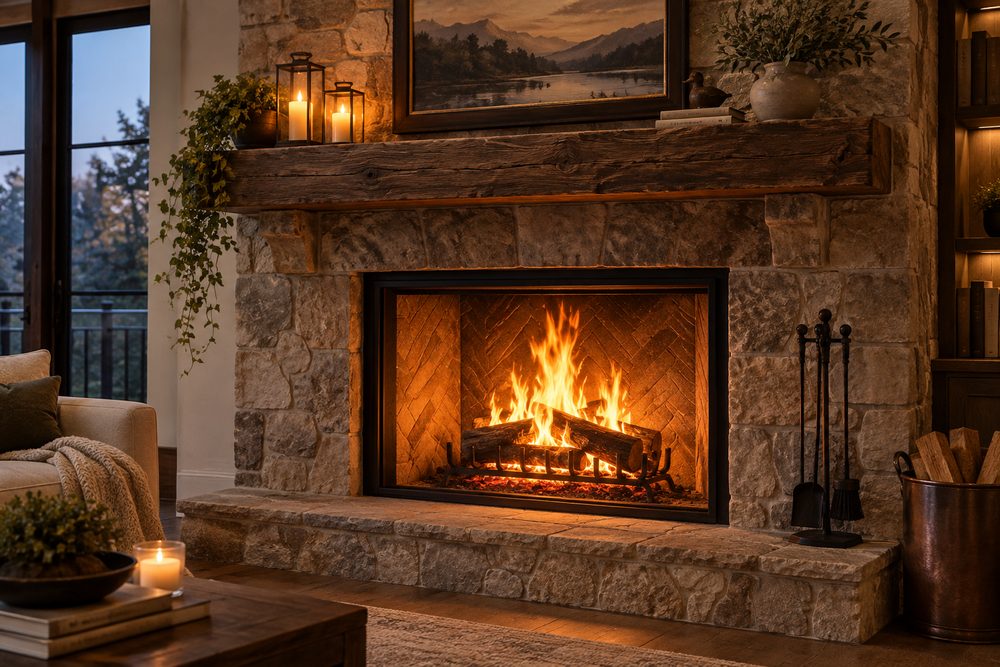
Learn the difference between an open and closed fireplace flue, why the damper matters, and when a damper issue should be evaluated professionally.
A fireplace that no longer drafts normally can have several causes. Learn what changes to note and why a condition-focused chimney inspection matters.
Learn what a flue liner does, the signs that may call for closer evaluation, and why liner repair or relining decisions require property-specific assessment.
Get in touch
Tell us about your chimney or fireplace and the best number to reach you. Full name, phone, and ZIP are required.