
Fireplace Flue vs. Damper: What Is the Difference?
Learn the difference between a fireplace flue and damper, how each affects chimney operation, and why smoke or draft issues require more than a quick guess.
Fireplace, Flue & Venting
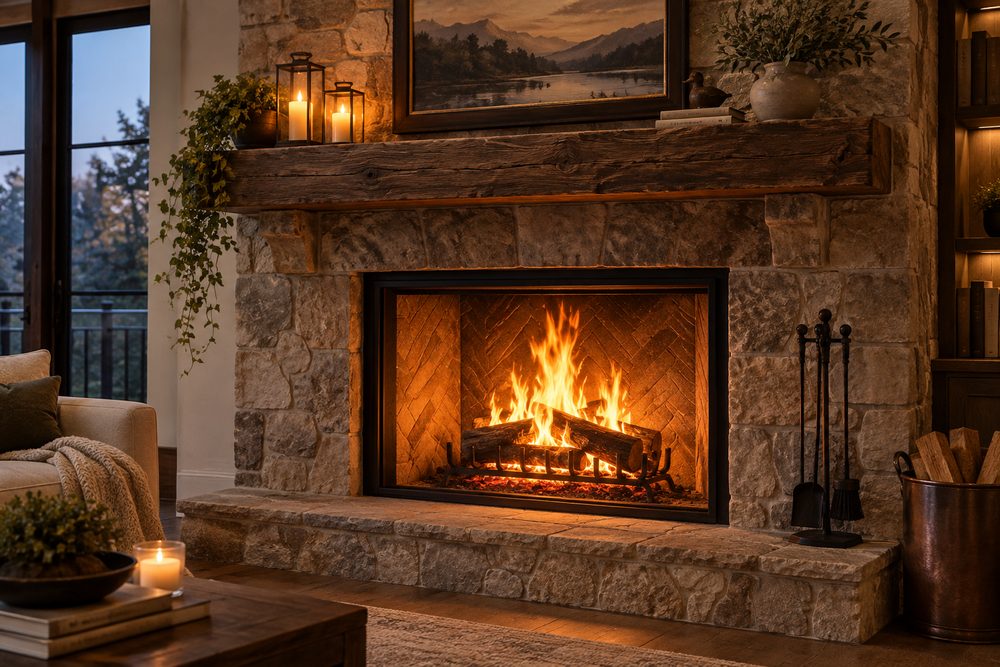
Before using a wood-burning fireplace, homeowners often ask one simple question: “Is the flue open?” It is a good question because the damper position affects how air and smoke move through the system. But it is also a question that should be answered carefully. Fireplace designs vary, and a homeowner should not force a handle, reach into a hot fireplace, or assume every control works the same way.
In common use, people often say “open the flue” when they mean “open the damper.” The flue is the passage that carries combustion byproducts upward. The damper is a component that may regulate airflow through that passage. Understanding the distinction makes it easier to use the fireplace safely and recognize when a component needs attention.
When a wood-burning fireplace is prepared for use, the damper generally needs to be positioned so smoke and combustion byproducts can move through the intended venting path. A closed or partly closed damper can contribute to smoke entering the room, difficulty starting a fire, or a fireplace that does not draft normally.
That does not mean every smoke issue is a damper issue. An obstruction, cold flue, draft condition, moisture, liner concern, or other system condition can produce similar symptoms. If the fireplace has a new problem, do not keep experimenting with the control in hopes that it will fix itself.
Start with a cold fireplace. Look for the manufacturer’s instructions if you have a factory-built fireplace, insert, or stove. The control may be a handle, lever, chain, or other mechanism, and its operation depends on the appliance. A masonry fireplace may have a damper located near the throat area, while a top-sealing damper may be controlled differently.
If the mechanism is stiff, disconnected, unclear, or does not seem to change position, do not force it. A bent handle, corroded component, damaged linkage, or blocked mechanism can be made worse by repeated pressure. Arrange a damper repair and replacement evaluation instead.
Smoke in the room, persistent odor, falling debris, a new draft problem, or a damper that will not stay in position all deserve attention. These symptoms can be related to a damper, but they can also involve other portions of the fireplace and chimney.
Before burning, consider the full picture. Has the fireplace been unused for years? Did the concern appear after rain or a storm? Was there a change in appliance or fuel? Are there animal sounds or debris in the firebox? These details help determine whether a routine component repair or a broader chimney inspection is the right starting point.
The intended damper position can vary with the appliance and operation instructions, so homeowners should use their system as designed. In general, a damper may be closed when the fireplace is not being used to limit unwanted air movement, then opened appropriately before use. However, a homeowner should not assume this general guidance applies to every gas fireplace, stove, insert, or top-sealing damper.
When in doubt, read the appliance documentation or have the system evaluated. A fireplace is not the place for trial-and-error operation when smoke, gas, or fire is involved.
No. The flue is the passage through which combustion byproducts travel. The damper is a component that can regulate airflow in some fireplace systems. People use the terms together often, but they are not the same part.
Do not light a fire until you understand the control and the system is ready for use. If the position is unclear, the mechanism is stuck, or the fireplace has another symptom, arrange a professional evaluation.
No. Forcing a component can damage the handle, linkage, or surrounding area. Have a technician inspect the damper and explain whether repair or replacement is appropriate.
If your fireplace damper is difficult to operate or its position is unclear, Mister Chimney can evaluate the accessible system and explain the next step. Request damper repair and replacement in St. Louis or Kansas City before using the fireplace.
How we can help
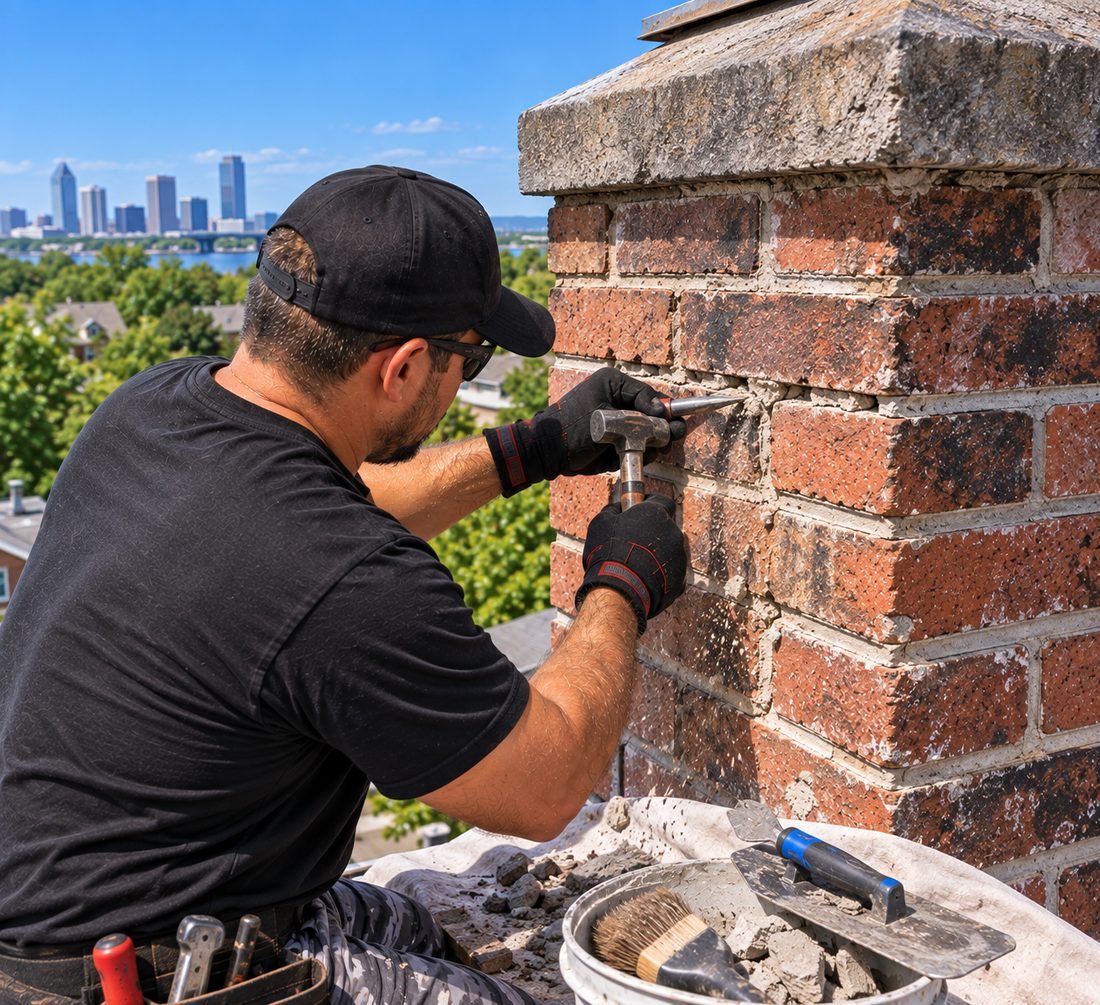
Getting the flue damper to open, close, and seal the way it should.
Learn about Damper Repair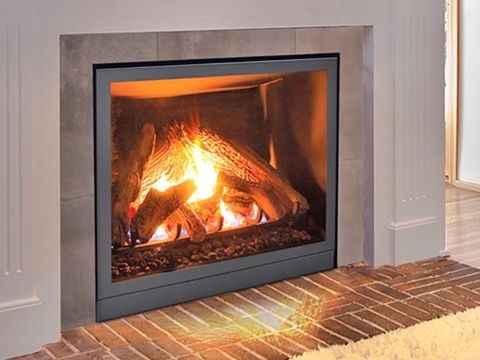
Diagnosing why a gas fireplace won't light, stay lit, or run cleanly, and correcting it.
Learn about Gas Fireplace Repair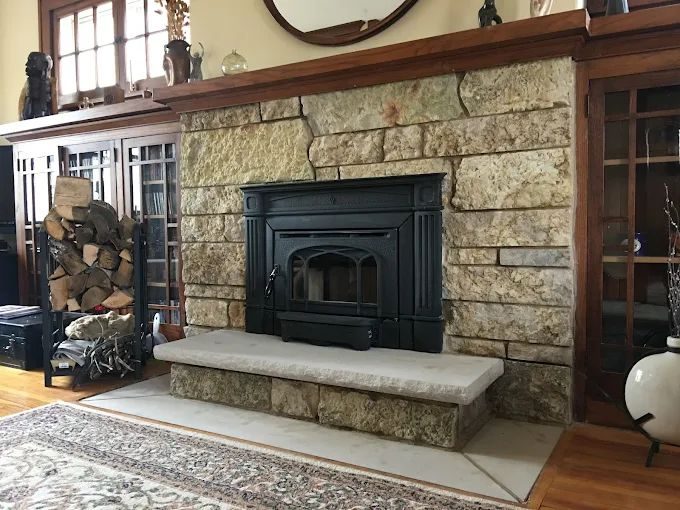
Fitting an efficient sealed insert into an existing fireplace opening.
Learn about Fireplace Insert InstallationKeep reading
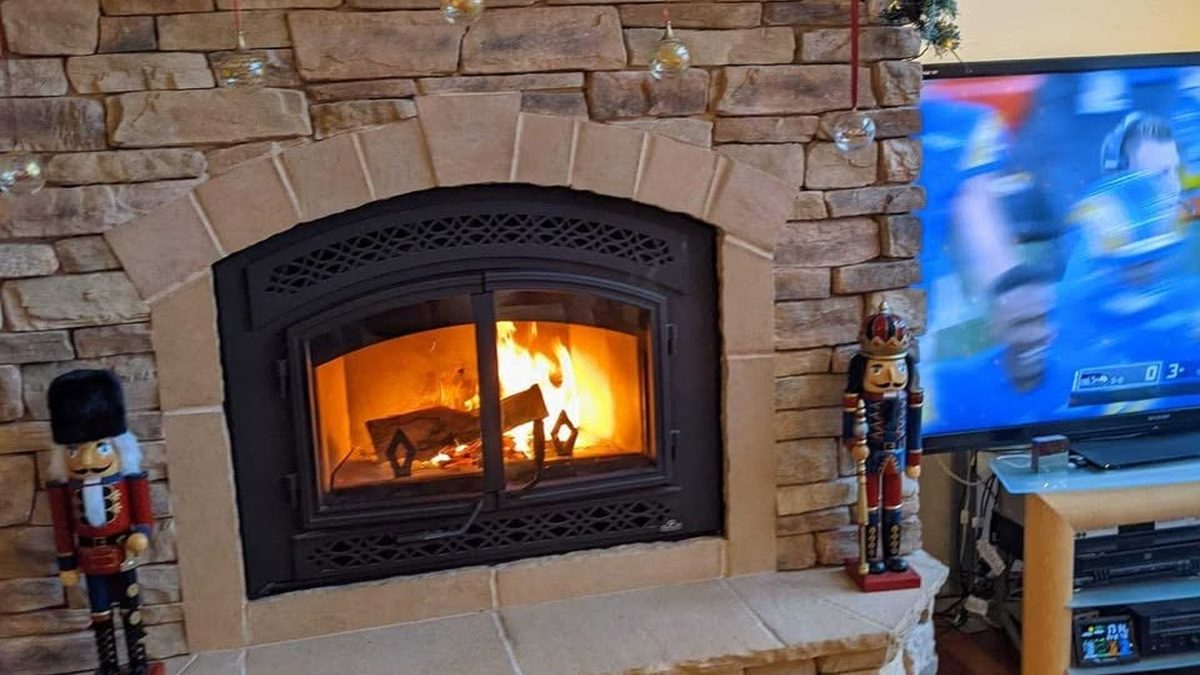
Learn the difference between a fireplace flue and damper, how each affects chimney operation, and why smoke or draft issues require more than a quick guess.
Smoke entering a room from a fireplace can have several causes. Learn what to do immediately, what details matter, and why an inspection is the right next step.
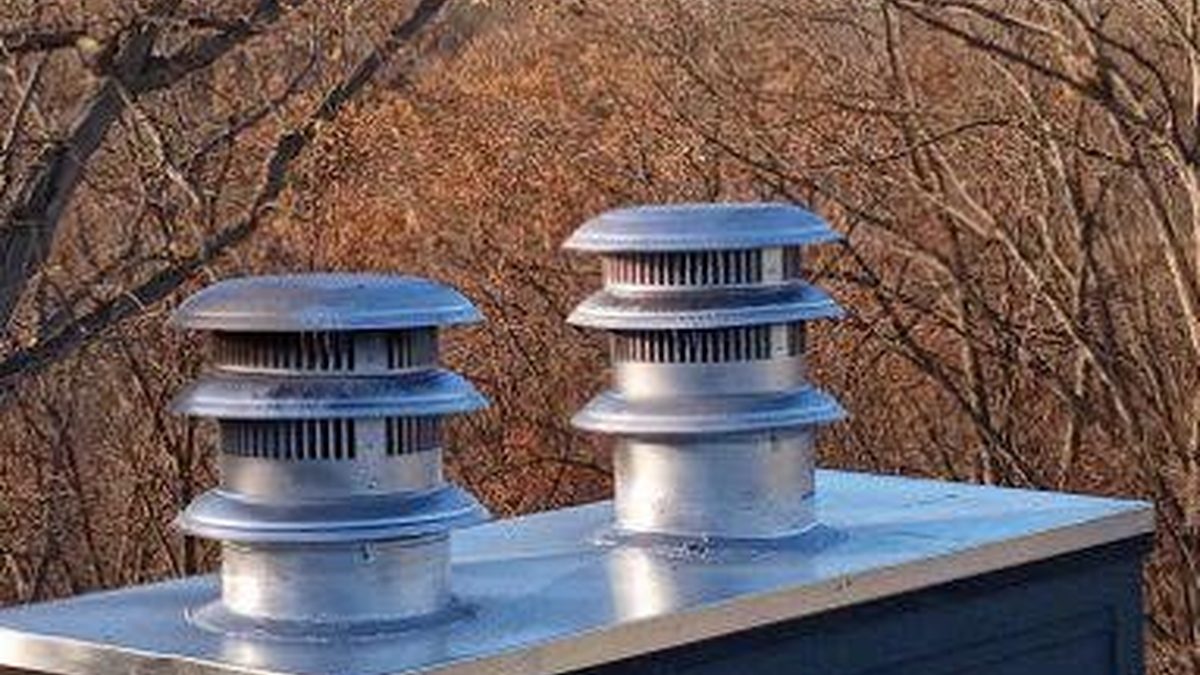
Learn what a top-sealing damper does, how it differs from a throat damper, and why suitability should be evaluated for the individual fireplace.
Get in touch
Tell us about your chimney or fireplace and the best number to reach you. Full name, phone, and ZIP are required.