
Is Your Fireplace Flue Open or Closed? How to Tell
Learn the difference between an open and closed fireplace flue, why the damper matters, and when a damper issue should be evaluated professionally.
Fireplace, Flue & Venting
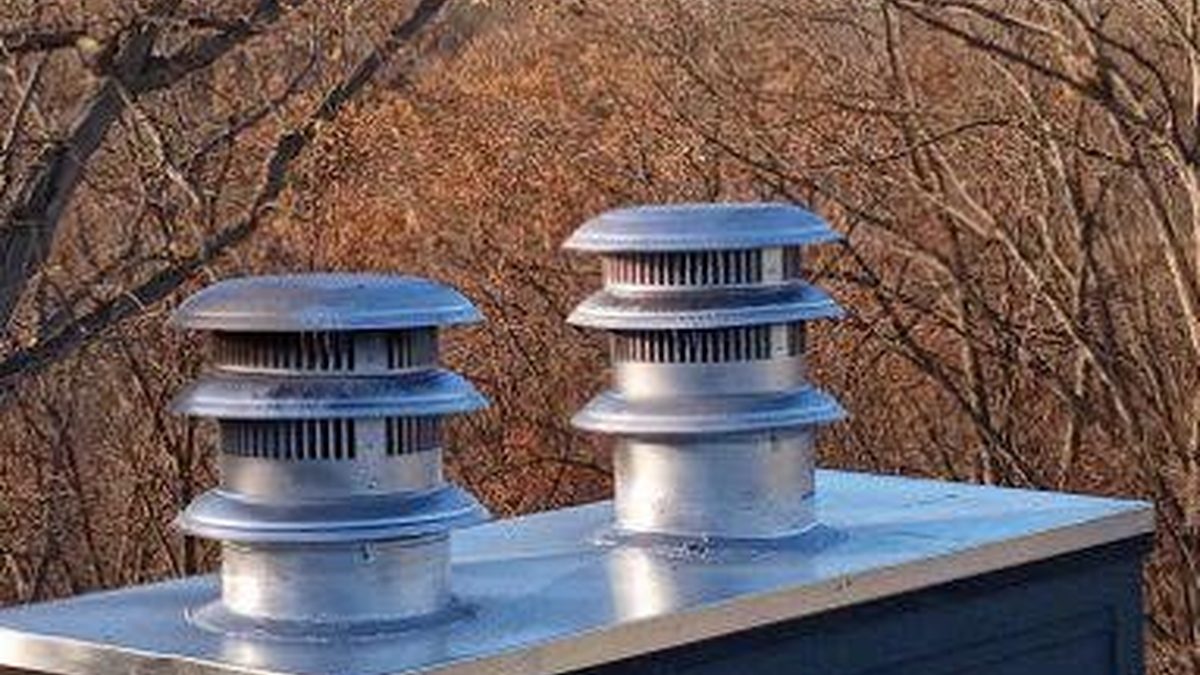
A top-sealing damper is a damper located near the top of a chimney rather than at the fireplace throat. When suitable for the system, it can help control airflow through the chimney when the fireplace is not in use while also serving a weather-exposed location at the flue opening.
It is not automatically the right choice for every chimney. Fireplace design, flue condition, cap needs, operating method, appliance type, and the homeowner’s goals all matter. A top-sealing damper should be considered as part of the system—not as a universal add-on.
A throat damper is commonly located above the firebox, near the point where smoke enters the chimney path. A top-sealing damper is positioned at the top of the flue and is controlled by a mechanism that extends down to the fireplace area or another accessible location.
Both types are intended to influence airflow, but they operate from different positions and can have different condition considerations. If a homeowner has a damaged or difficult-to-use existing damper, the first step is to determine what type of system is present and what condition the components are in.
When closed according to the system’s design, a top-sealing damper can help reduce unwanted air movement through the chimney. Because it is positioned at the top, it may also be part of the discussion about how the flue opening is protected from weather and debris.
The exact benefit depends on the fireplace, chimney, and installation. A top-sealing damper is not a cure for smoke in the room, a leaking chimney, a damaged liner, or a draft condition caused by another component. Those issues need their own evaluation.
The flue opening, masonry or chimney top, cap needs, accessible controls, existing damper condition, and appliance type should all be reviewed. A system with a liner concern, an active water problem, or a chimney top that needs repair may need those conditions addressed before a new damper is considered.
Top-sealing damper installation should include an explanation of how the component will operate, how it relates to the existing fireplace, and what homeowner use is expected. If a property has a gas appliance, insert, or nonstandard configuration, the suitability needs to be evaluated for that exact system.
Like any damper, a top-sealing damper must be used correctly. A homeowner should understand its control and the position required before operating a wood-burning fireplace. Do not force a cable, chain, or handle that is stiff, damaged, or unclear. A control problem can be related to the damper, linkage, weather exposure, or another component.
If the fireplace begins smoking, drafts differently, or the damper will not move as intended, stop using the system and schedule an evaluation. The purpose of the visit is to understand the condition, not to make a control operate by force.
The components may have related functions at the top of the chimney, but the exact configuration depends on the system. A technician should explain how the proposed damper and cap arrangement fits the specific flue and fireplace.
It may be part of a weather-management conversation, but it does not replace repair of a cracked crown, failed flashing, damaged chase cover, or other direct water-entry path.
Do not assume it is. Gas appliances and venting systems have property-specific requirements. The appliance and chimney should be evaluated before any modification is planned.
If you are considering a top-sealing damper for a Missouri fireplace, Mister Chimney can review the existing system and explain whether it is a practical option. Request top-sealing damper installation with a condition-first evaluation.
How we can help
A gasketed damper that seals at the top of the flue for a tighter close.
Learn about Top-Sealing Damper Installation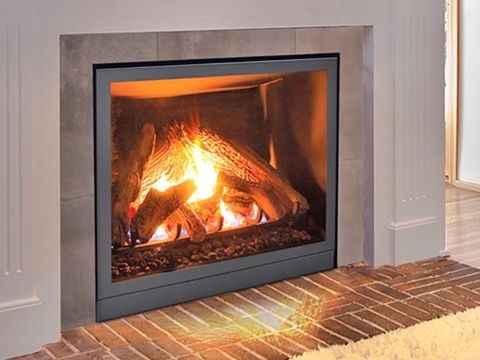
Diagnosing why a gas fireplace won't light, stay lit, or run cleanly, and correcting it.
Learn about Gas Fireplace Repair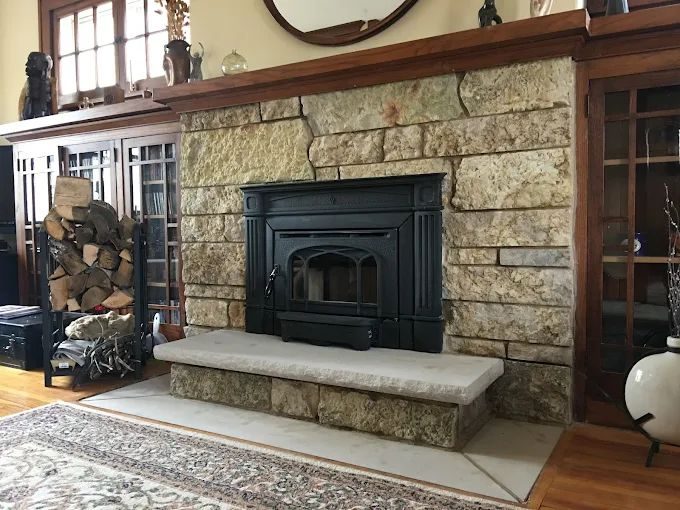
Fitting an efficient sealed insert into an existing fireplace opening.
Learn about Fireplace Insert InstallationKeep reading
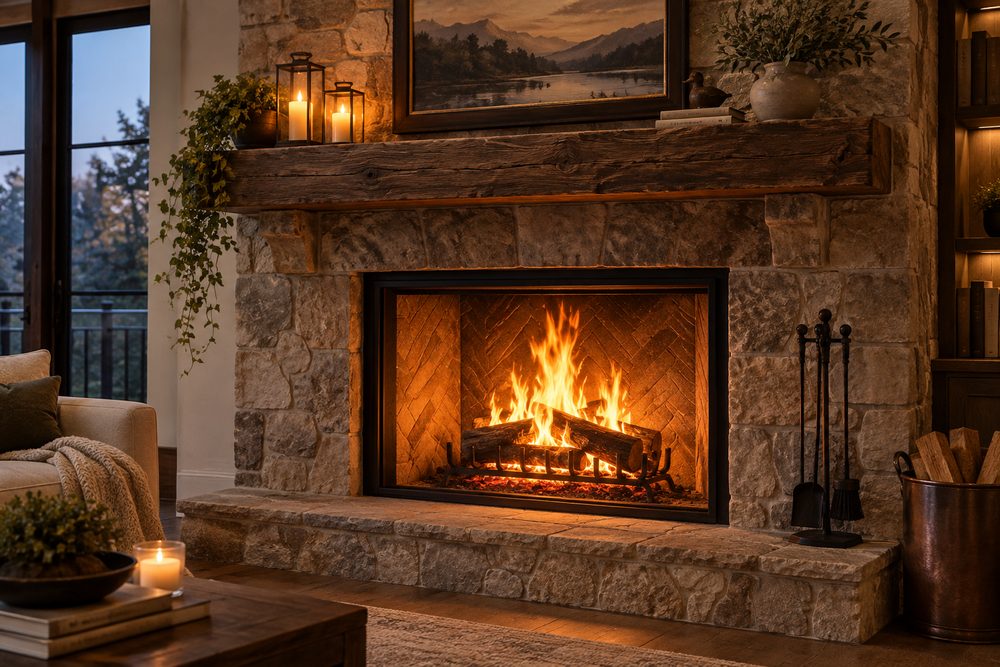
Learn the difference between an open and closed fireplace flue, why the damper matters, and when a damper issue should be evaluated professionally.
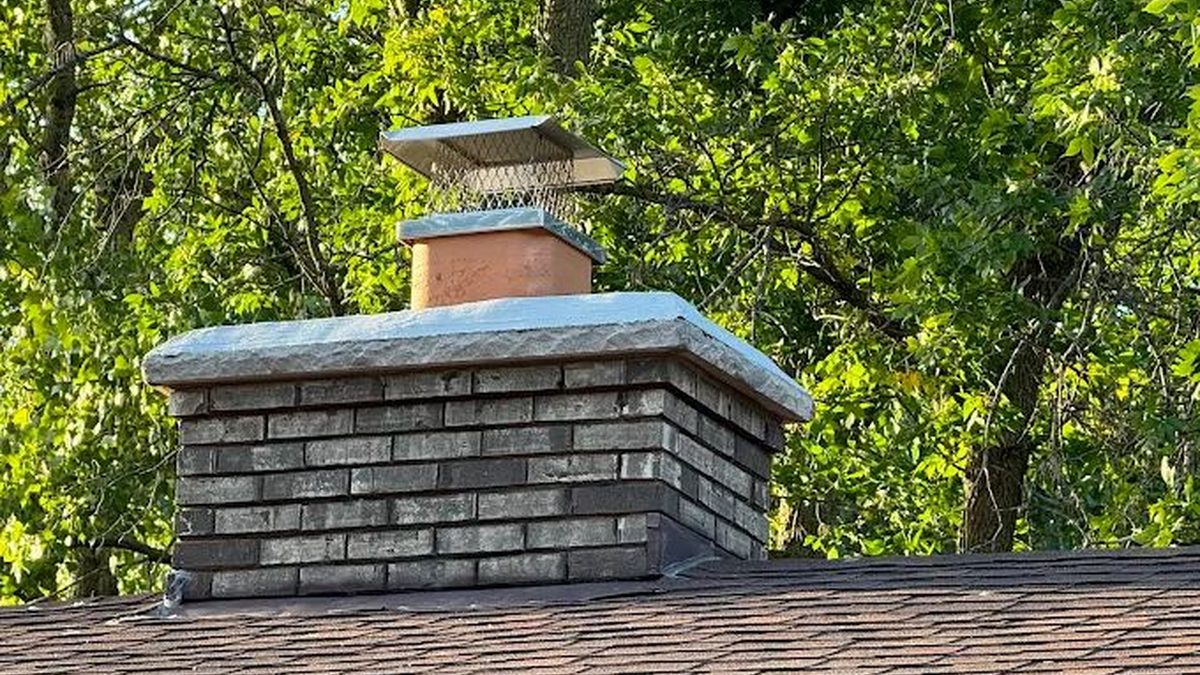
Learn what a chimney cap does, why fit and condition matter, and when replacement or repair may be appropriate for a Missouri chimney.
A fireplace that no longer drafts normally can have several causes. Learn what changes to note and why a condition-focused chimney inspection matters.
Get in touch
Tell us about your chimney or fireplace and the best number to reach you. Full name, phone, and ZIP are required.