How to Help Keep Animals Out of a Chimney
Learn how chimney caps and guards can help reduce animal entry, what activity to notice, and why homeowners should not light a fire to clear a nest or obstruction.
Chimney Repairs & Moisture
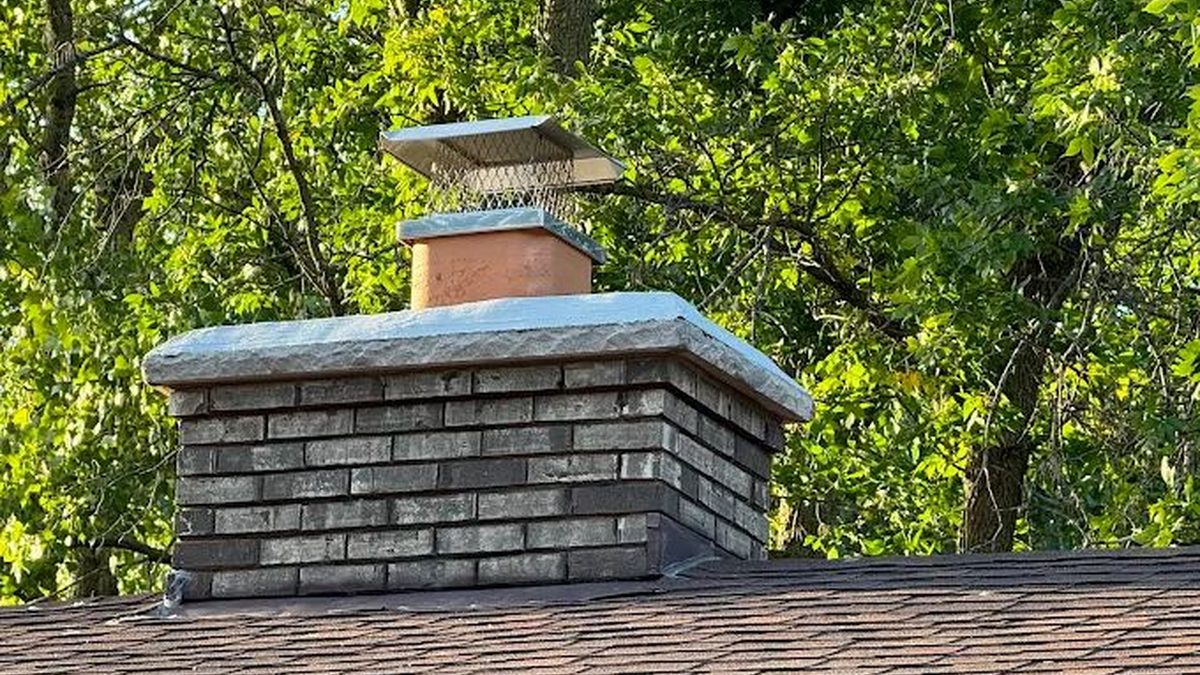
A chimney cap is a small component with an important job. It helps protect the opening at the top of a chimney from rain, leaves, nesting material, and other debris while allowing the system to vent as designed. On some chimneys it also helps keep animals from entering, and on others it works with a top-sealing damper or a particular flue configuration.
Because caps sit at the most exposed point of the system, they can rust, loosen, bend, detach, or become clogged. A missing or damaged cap does not always create an immediate visible leak, but it can leave the flue more exposed to moisture and debris over time.
Rain is a major concern, but it is not the only reason to have a properly fitted cap. Wind can carry leaves, twigs, and other debris into an open flue. Birds and small animals may seek shelter or nesting space. Debris in a chimney can affect airflow and create an obstruction concern that cannot be understood from the fireplace opening alone.
A cap can reduce those risks when it is selected and installed for the actual chimney. Not every cap fits every flue, and a cap that looks intact from the ground may still be loose, undersized, corroded, or incompatible with the way the system is configured.
From ground level, homeowners may notice a cap that is tilted, missing, visibly rusted, damaged after a storm, or surrounded by debris. Inside, clues can include new debris in the firebox, an odor after rain, animal sounds, or a change in draft. These signs are reasons to have the system reviewed; they are not proof of one specific diagnosis.
Do not climb on the roof to straighten or reattach a cap. A loose cap can be sharp, a flue opening can be unstable, and roof access carries its own risks. A professional can inspect the component safely and determine whether it can be repaired or should be replaced.
The cap works alongside the crown, flue tile or liner, chase cover where applicable, and surrounding masonry. If water has been entering through the top, a cap may be one part of the answer, but the crown and other components should also be checked. Likewise, a cap replacement cannot correct a flashing or masonry problem lower on the chimney.
That is why a chimney cap installation and repair visit should include a look at the accessible chimney top—not just a quick exchange of one metal piece for another. The homeowner should understand how the proposed cap fits the system and what other conditions, if any, were observed.
If you hear animal activity or see nesting material, do not light a fire to force anything out. Different wildlife situations can involve safety and local requirements, and an obstruction should be evaluated before the fireplace is used. Mister Chimney can discuss chimney animal guard and nest removal when that is the appropriate service.
Prevention is generally easier than dealing with a blocked or damaged flue later, but prevention still needs to be compatible with the fireplace or appliance. The correct cap or guard is a condition-specific decision, not a universal product choice.
Do not assume an open flue is suitable for use. A missing cap can allow water, debris, and animals into the system. Have the chimney evaluated so the appropriate next step can be explained.
No. A cap protects the flue opening, but leaks can also come from a crown, flashing, masonry, chase cover, roofing, or another path. The whole accessible system should be considered.
Life depends on material, exposure, fit, weather, and maintenance. Instead of relying on a fixed number of years, inspect the cap when you notice rust, damage, debris, animal activity, or a weather-related concern.
If your chimney cap is missing, damaged, or showing wear, Mister Chimney can evaluate the accessible chimney top and explain the right option. Request chimney cap installation and repair in St. Louis or Kansas City.
How we can help
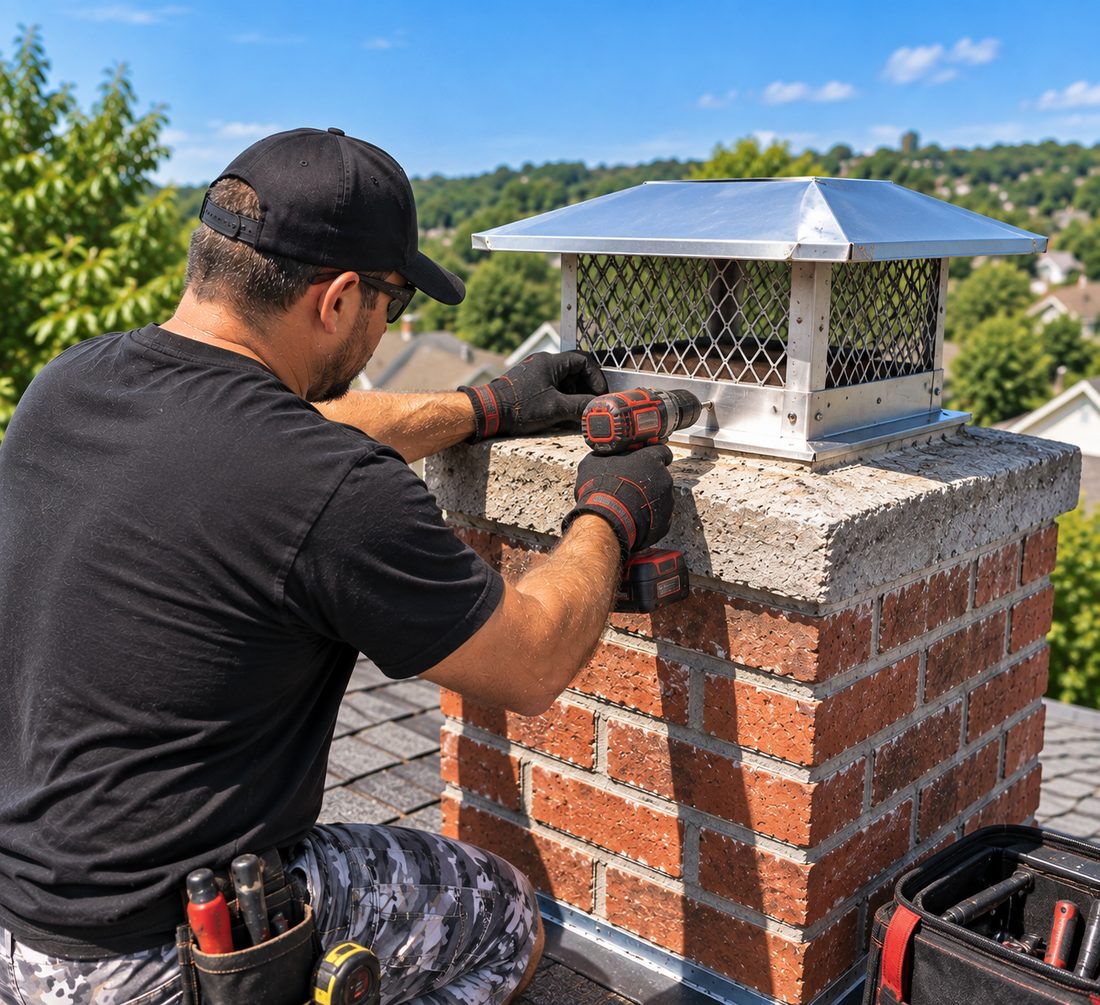
Fitting the flue cover that keeps rain, animals, and embers where they belong.
Learn about Chimney Cap Installation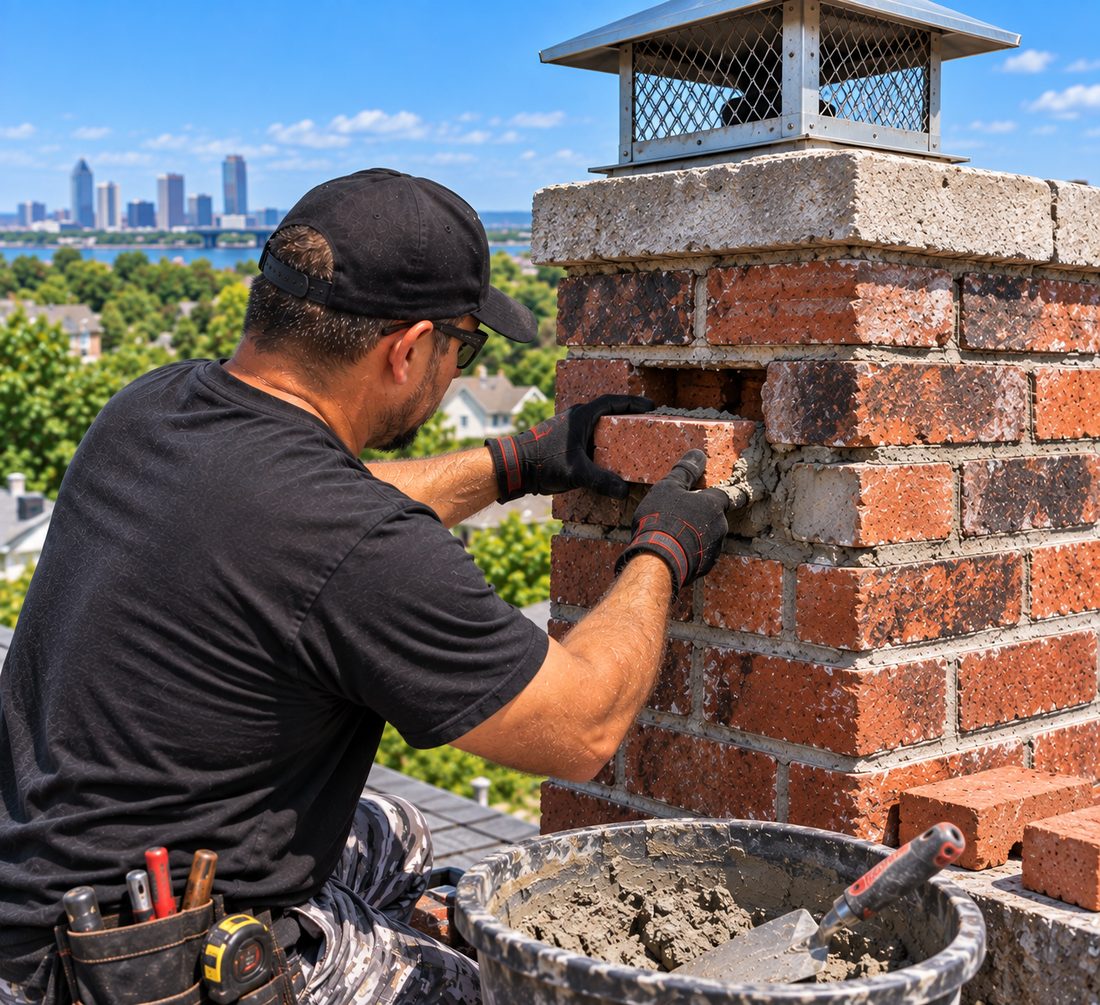
Diagnosing and correcting the specific problem, from a leak to failing masonry.
Learn about Chimney Repair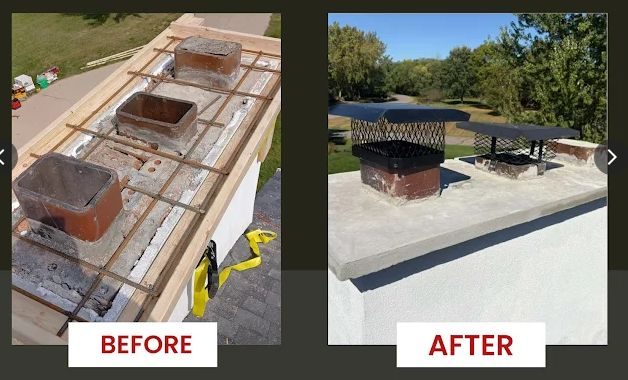
Repairing or rebuilding the top slab that sheds water off the chimney.
Learn about Chimney Crown RepairKeep reading
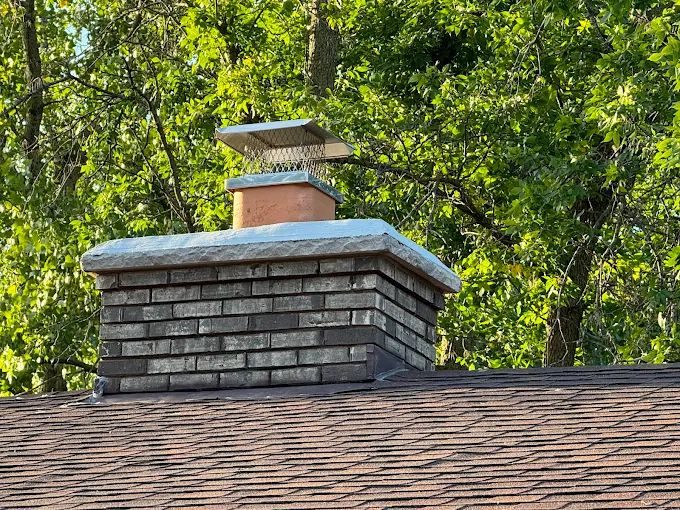
Learn how chimney caps and guards can help reduce animal entry, what activity to notice, and why homeowners should not light a fire to clear a nest or obstruction.
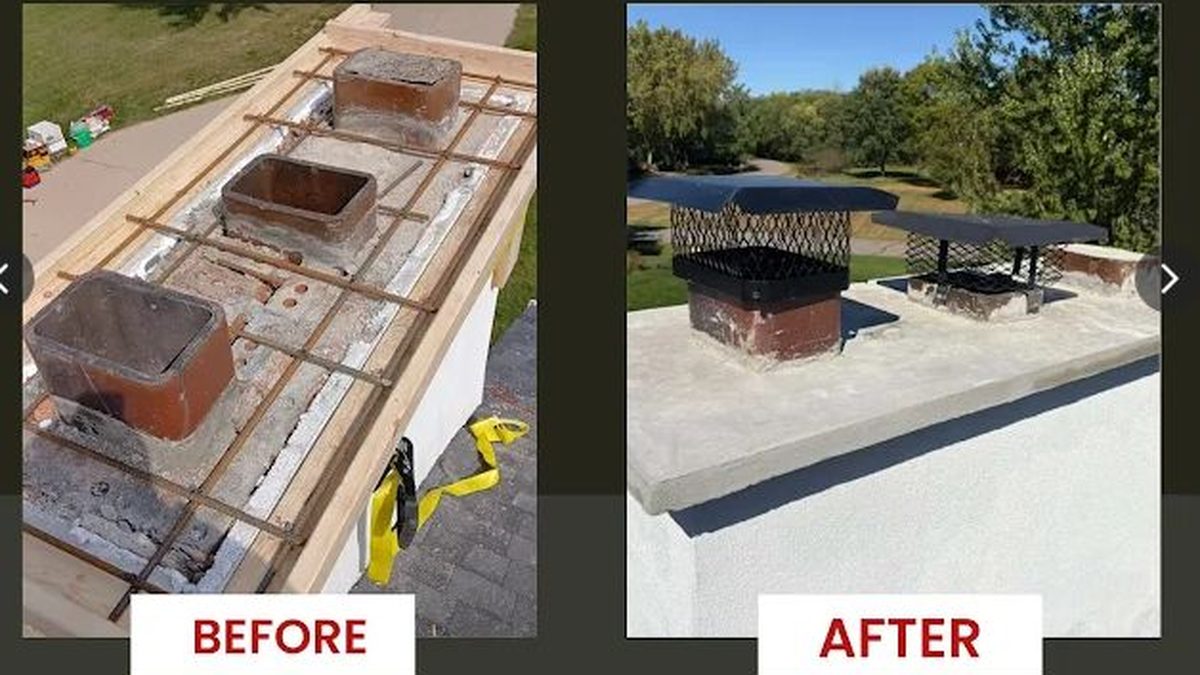
Learn why chimney crown cracks matter, what homeowners can observe safely, and how condition-based crown repair helps manage water exposure.
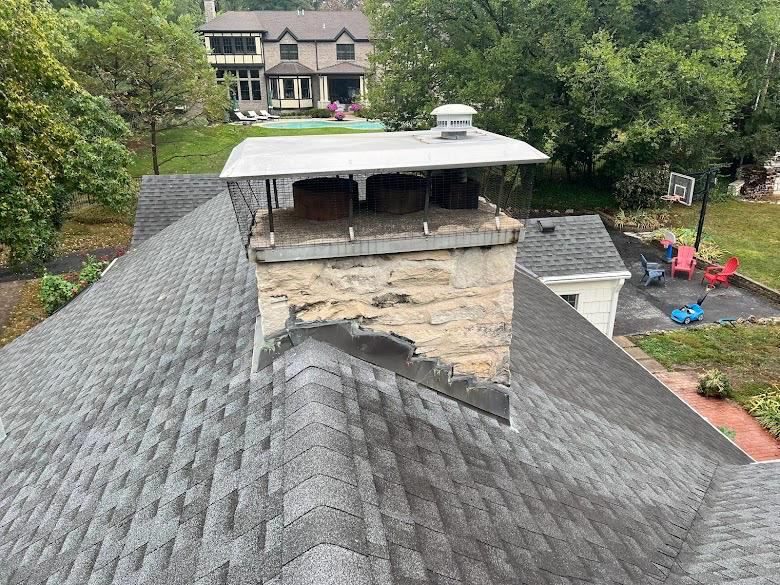
A fireplace smell after rain can point to moisture, airflow, debris, or exterior chimney conditions. Learn what to notice and when to arrange an evaluation.
Get in touch
Tell us about your chimney or fireplace and the best number to reach you. Full name, phone, and ZIP are required.