
What a Chimney Cap Does—and When to Replace It
Learn what a chimney cap does, why fit and condition matter, and when replacement or repair may be appropriate for a Missouri chimney.
Chimney Repairs & Moisture
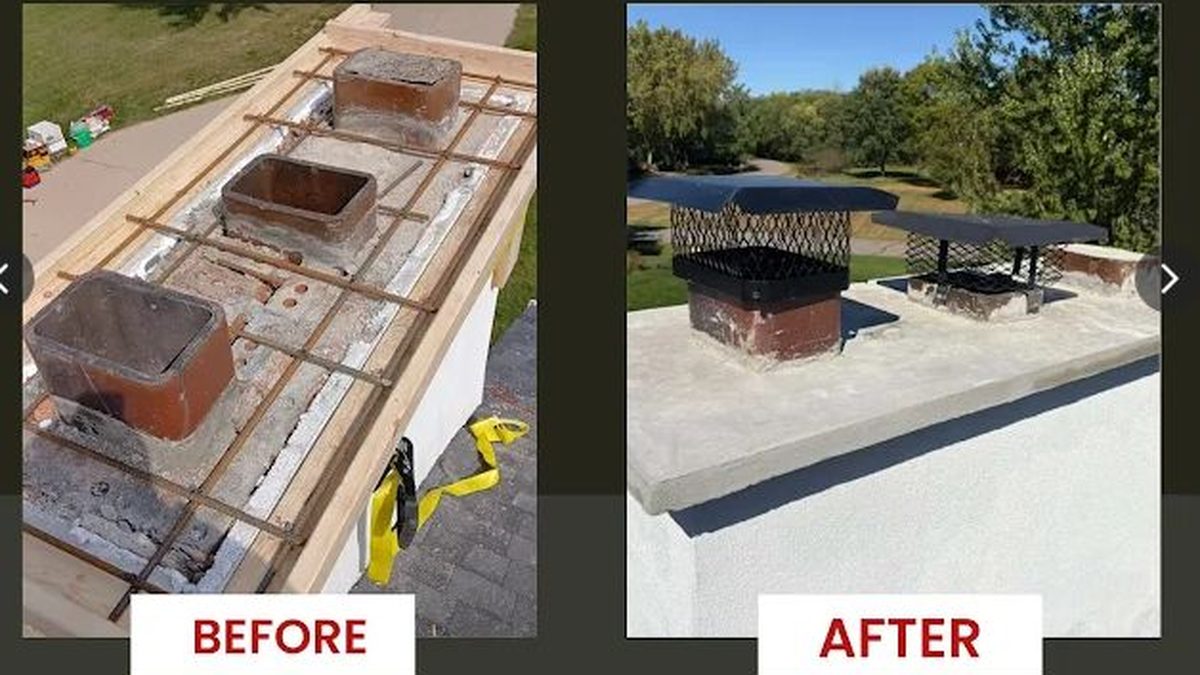
The chimney crown is the surface at the top of a masonry chimney that helps direct water away from the flue and brickwork below. Because it is exposed to rain, wind, sun, and seasonal temperature changes, it is one of the components that deserves regular attention.
A visible crack does not automatically tell you the full condition of the chimney, but it should not be ignored either. The size, location, depth, surrounding masonry, and condition of the cap all matter. A crown that is no longer shedding water effectively can allow moisture to affect the materials below it over time.
Exterior chimney components expand, contract, absorb moisture, and face repeated weather exposure. Small surface changes can develop into more significant cracking when water enters, freezes, or is allowed to sit where it should be directed away. Age, prior repairs, material condition, and the design of the crown can all influence what is seen.
From the ground, homeowners may notice a rough or uneven top, pieces that appear loose, staining on the brick below, or a cap that no longer sits securely. It is not necessary—or safe—to climb to the top of the chimney to decide whether a crack is important. A closer inspection can determine what is accessible and what needs to be considered.
It helps to think of the crown along with the cap, masonry, flashing, and roof transition. A sound crown supports the chimney’s ability to move water away from vulnerable areas. A cap helps protect the flue opening from rain and debris. Flashing manages the connection between the roof and chimney. If one component is damaged, the others still matter.
That is why chimney crown repair should not be discussed as an isolated cosmetic fix. The visit should also consider whether water has affected the brick, mortar, cap, or areas below the roofline.
Some minor surface conditions may be addressed with an appropriate repair approach, while more extensive cracking or deterioration can require a different scope. The correct option depends on the actual crown material, the condition of the surrounding chimney, and whether the crown is still doing its job of directing water away.
The goal is not to apply a product over every crack and call it finished. If the condition has allowed water into the system, the source and affected materials should be evaluated. A repair should be explained in terms of what it is meant to correct and what it cannot correct on its own.
After a heavy rain or a freeze–thaw period, watch for new staining, dampness inside the fireplace, loose mortar, rust marks, or visible material around the chimney top. These signs do not prove the crown is the only issue, but they make a closer evaluation worthwhile.
Keep records if the same condition returns. A repeated pattern after storms often gives more useful information than a single observation on a dry day.
When a crown repair is recommended, ask what was observed, how the condition may be allowing water in, what materials or areas are included in the scope, and whether related work such as cap or masonry repair is also needed. A clear answer should separate immediate repair needs from maintenance that can be planned.
Mister Chimney’s role is to make the condition visible and understandable. The homeowner should know why the crown is being addressed and what the expected next step is before work begins.
It can, depending on the location and whether water is entering the material below. A small visible crack is a reason to evaluate the crown and surrounding components rather than assume it is only cosmetic.
No. The crown is the top surface of a masonry chimney. A cap is a separate component that covers or protects the flue opening. Both can affect how the chimney handles weather.
Moisture entering through the top of a chimney can interact with materials in the system and contribute to an odor, but other conditions can do the same. An evaluation is needed to identify the likely source.
If you notice cracking or weather-related changes at the top of your chimney, request chimney crown repair with Mister Chimney. We will assess the accessible condition and explain what should be addressed.
How we can help
Repairing or rebuilding the top slab that sheds water off the chimney.
Learn about Chimney Crown Repair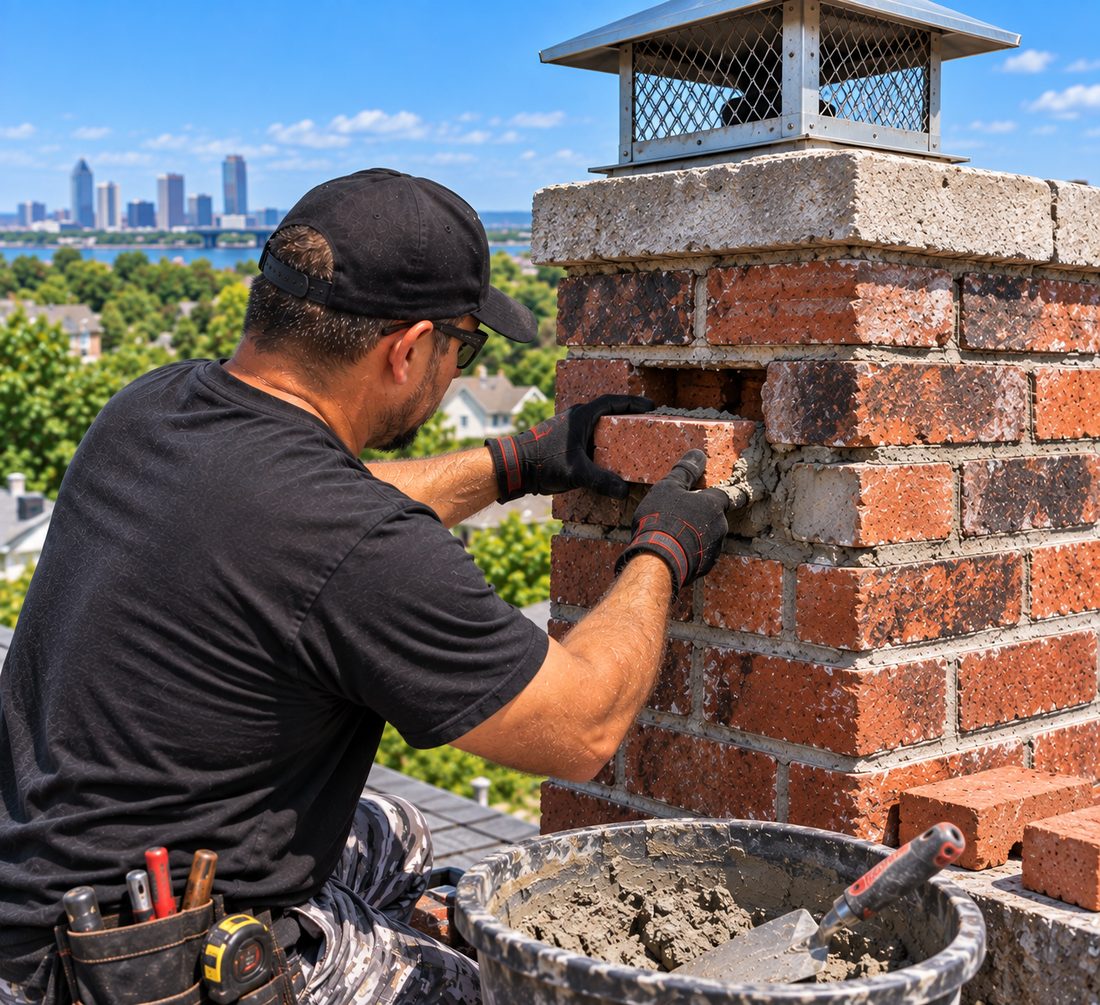
Diagnosing and correcting the specific problem, from a leak to failing masonry.
Learn about Chimney Repair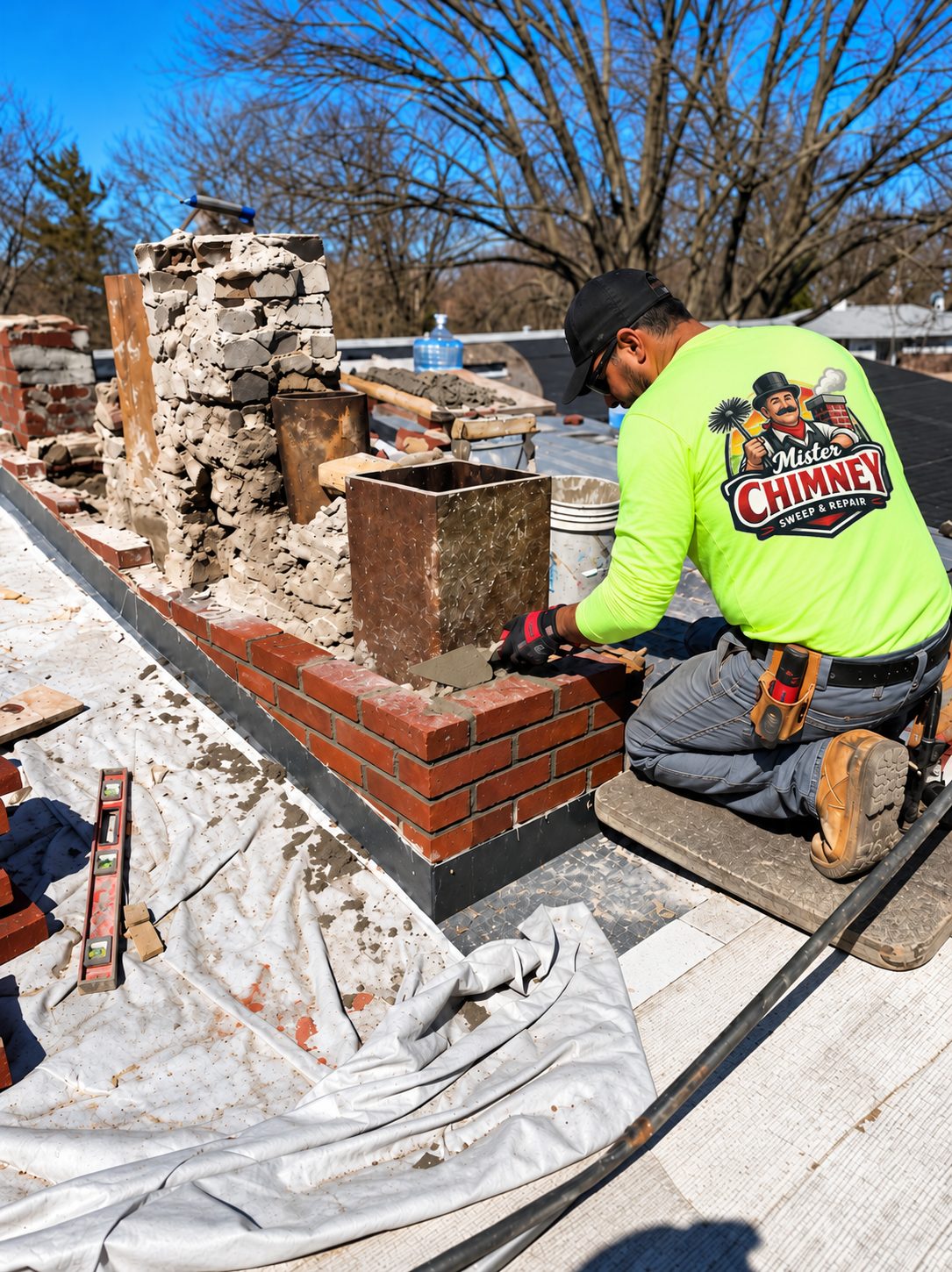
Rebuilding and restoring the brick and stone that make up the chimney structure.
Learn about Chimney MasonryKeep reading
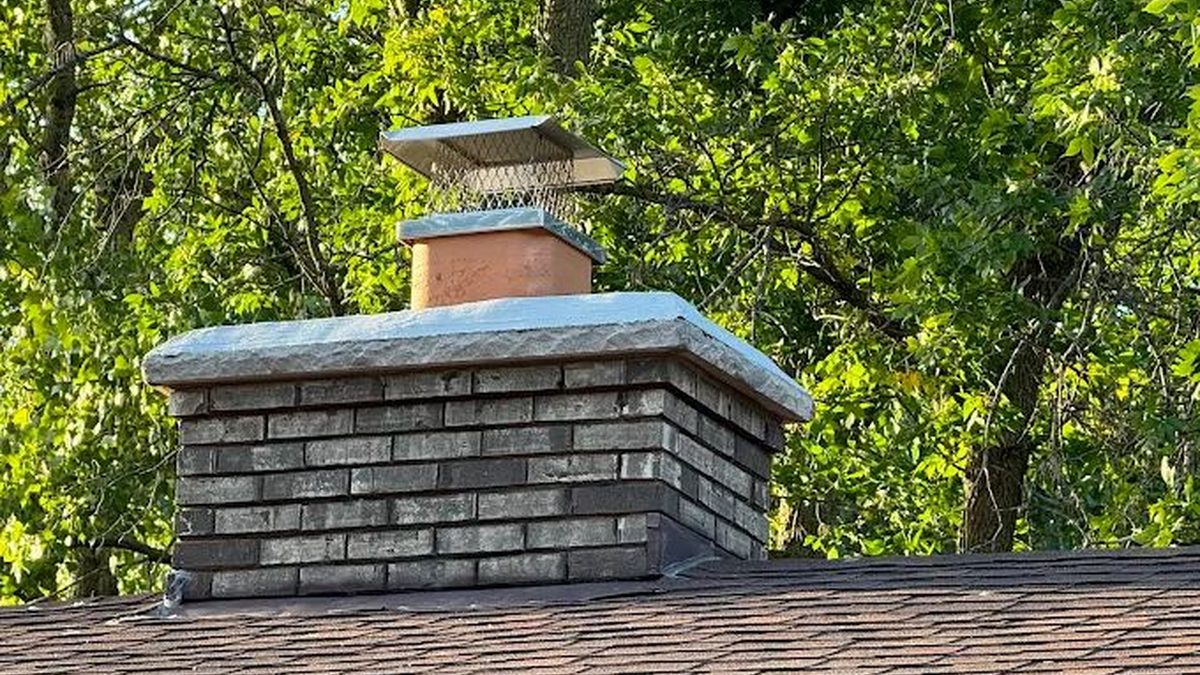
Learn what a chimney cap does, why fit and condition matter, and when replacement or repair may be appropriate for a Missouri chimney.
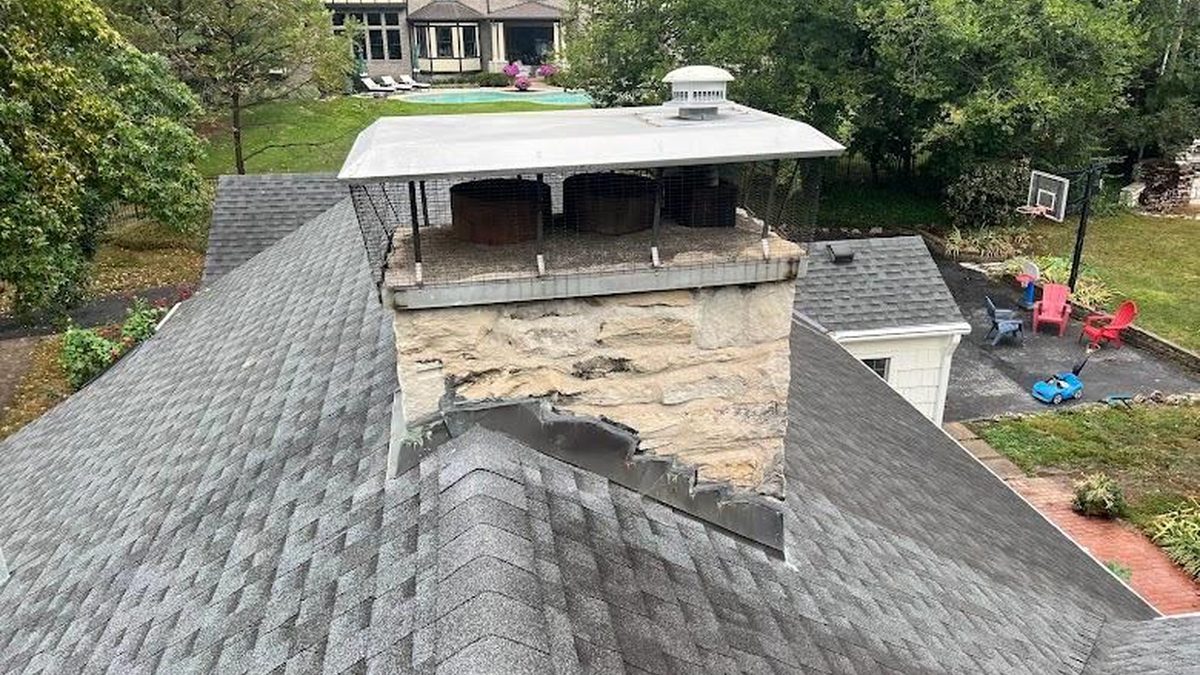
Learn why chimney leaks can be difficult to trace, what homeowners can safely observe, and how a condition-focused evaluation identifies the likely source.
Learn what to watch for on an older St. Louis brick chimney, including mortar wear, water exposure, crown condition, flashing, and when to schedule a masonry evaluation.
Get in touch
Tell us about your chimney or fireplace and the best number to reach you. Full name, phone, and ZIP are required.