
Chimney Leak Repair vs. Waterproofing: What Is the Difference?
Chimney leak repair and waterproofing are not the same. Learn how source repair and moisture protection work together on Missouri chimneys.
Chimney Repairs & Moisture
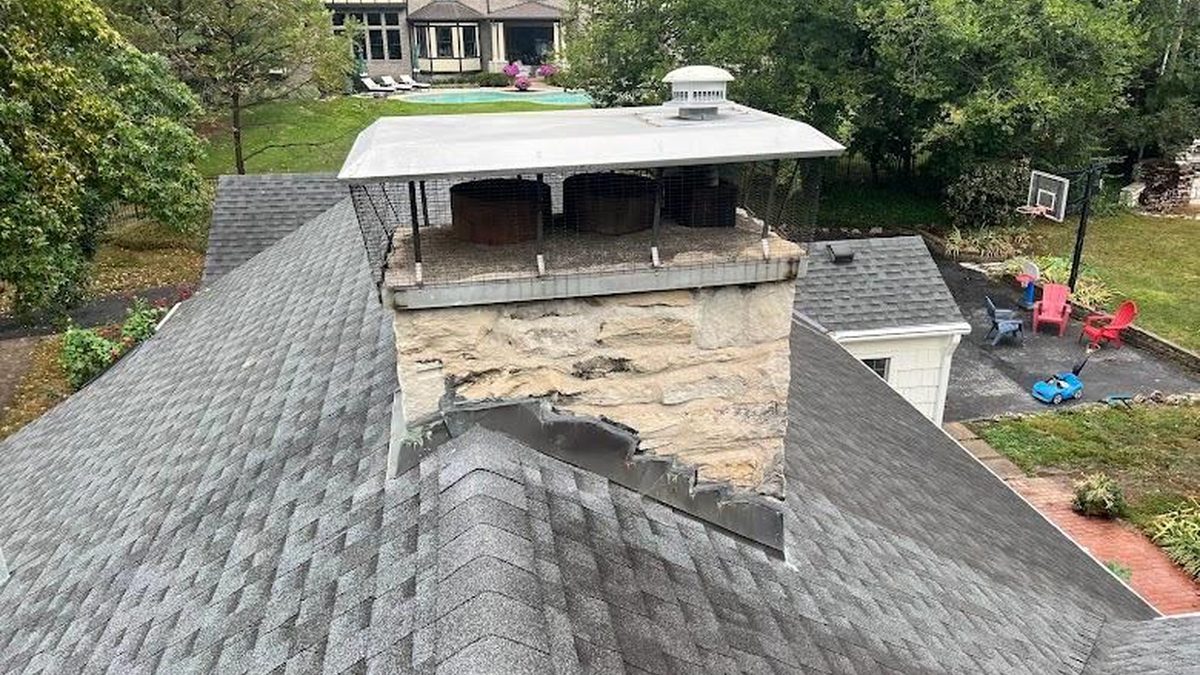
The visible water mark is not always where the leak began. Water can travel along framing, masonry, flashing, liner components, or hidden surfaces before it appears near a ceiling, wall, or fireplace. That is why chimney leak repair begins with tracing the likely path, not simply sealing the closest visible crack.
For homeowners, the useful first step is to notice the timing and location of the water. Did it appear after a heavy rain, wind-driven rain, snow melt, or a long period of damp weather? Is the stain above the fireplace, on a side wall, near the chimney breast, or inside the firebox? Is there rust, peeling paint, loose mortar, or a musty smell nearby?
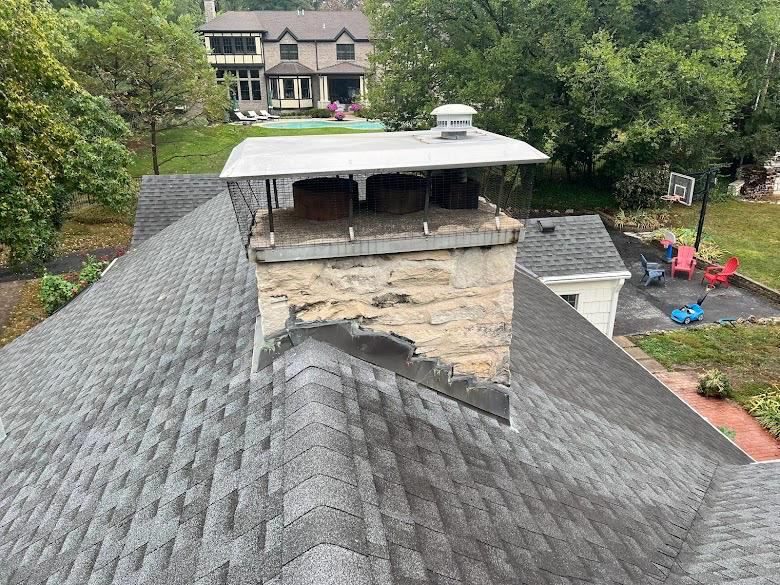
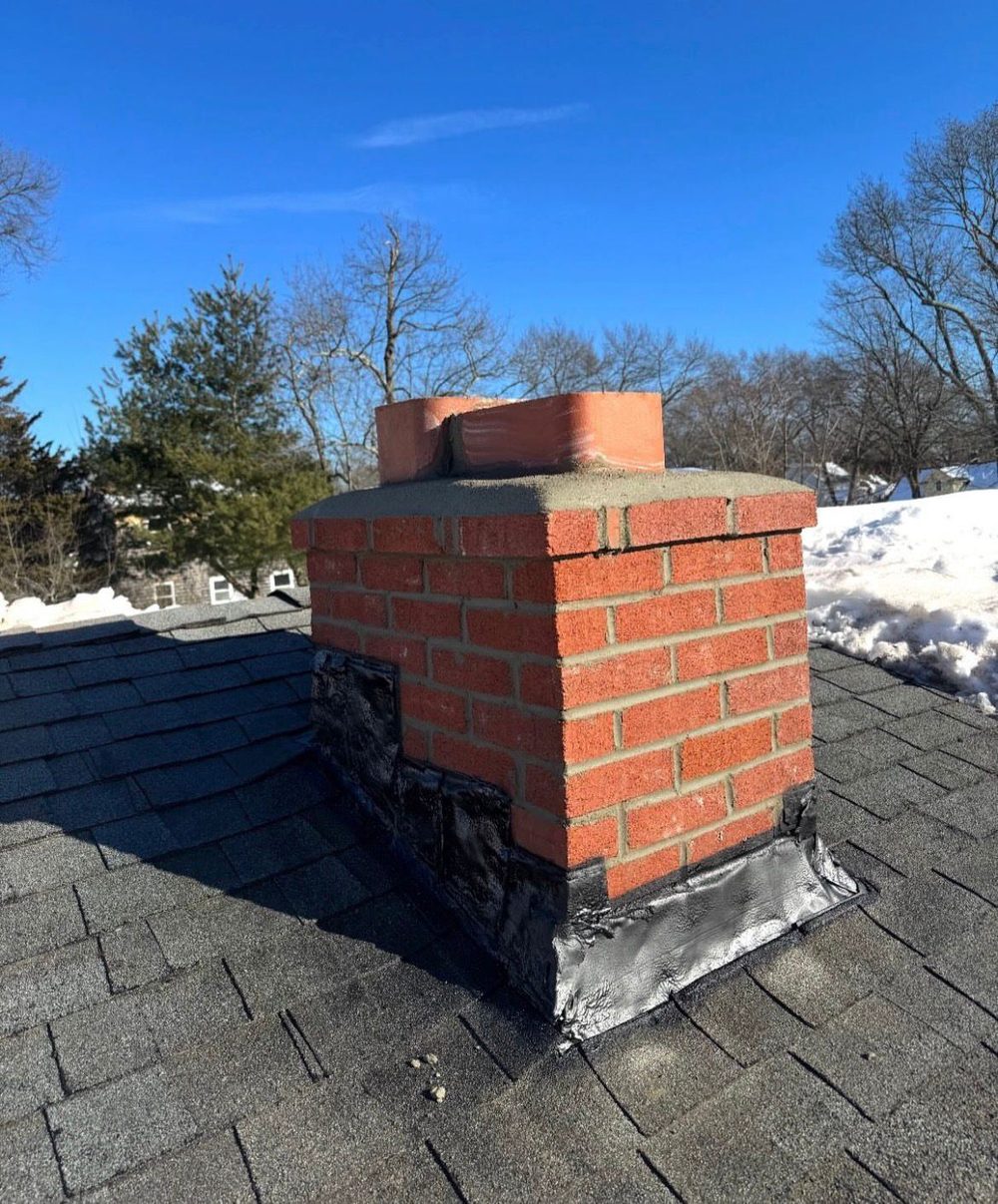
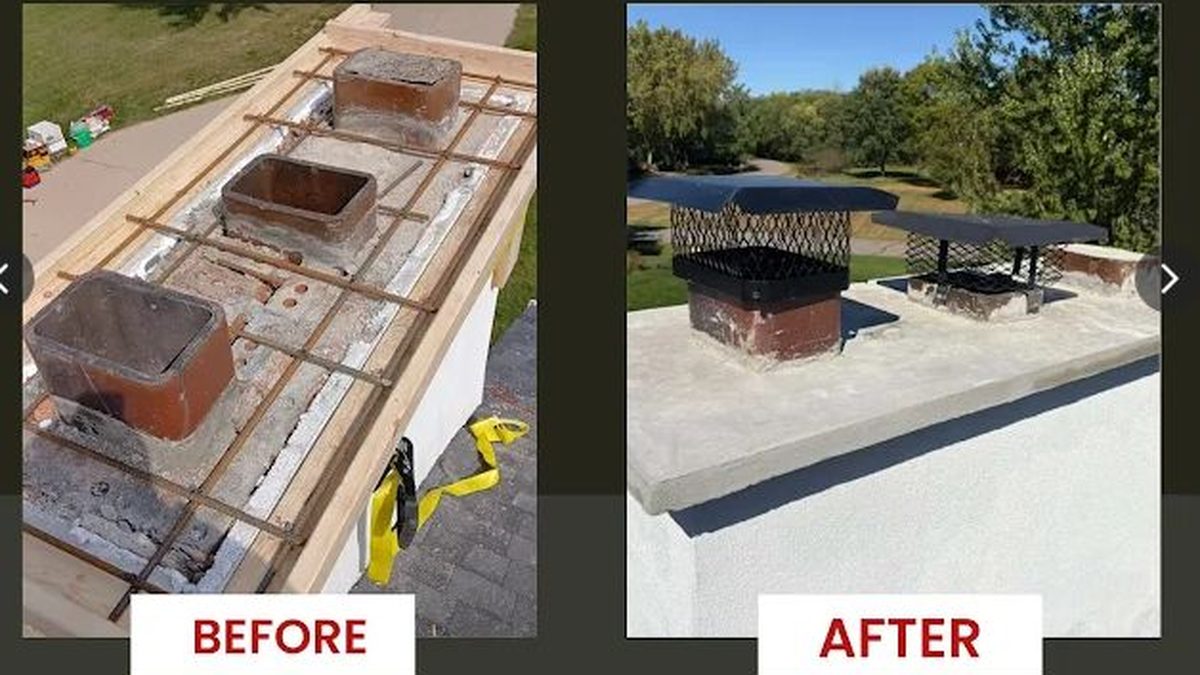
Several chimney components are exposed to weather. The crown is the top surface that helps shed water away from the flue and masonry. A damaged crown can allow moisture to reach areas below it. A chimney cap can help keep rain and debris out of an opening, but caps can be missing, damaged, poorly fitted, or not appropriate for the system.
Flashing is another important area. It is the transition between the roof and chimney. If flashing is worn, loose, damaged, or no longer shedding water effectively, rain can enter around the chimney rather than through the chimney itself. On factory-built systems, the chase cover and surrounding structure also deserve attention.
Masonry and mortar can contribute to a moisture problem when joints are deteriorated or surfaces have been repeatedly exposed. The answer is not always a coating. If a crack, failed component, or flashing condition is allowing water in, that source needs to be understood first.
It is tempting to apply caulk, roof cement, paint, or a water-repellent product as soon as a leak appears. In some cases, that can obscure the evidence or shift water to a different path without resolving the condition. It can also make a later evaluation more complicated.
The right repair depends on the source. A chimney crown repair is different from chimney flashing repair. A damaged chase cover has a different solution from a mortar-joint problem. The visible interior stain may also be related to roofing or another building component, which is why an honest assessment may need to distinguish chimney work from work outside the chimney system.
From the ground, look for obvious changes: a missing cap, leaning or loose pieces, rust staining, cracked or missing mortar, damaged siding around a chase, or a water mark that grows after storms. Inside, observe the fireplace, ceiling, and nearby walls without opening panels or climbing into confined spaces.
Take photos from safe locations. If water appears after specific weather conditions, note that. Do not climb onto the roof, probe around flashing, or try to dismantle a cap. A roof or chimney can have unstable materials and sharp edges, and the condition may not be clear without the right access.
A technician reviews the reported symptom and the accessible exterior and interior components. The visit may include the crown, cap, flashing, masonry, chase cover, firebox, and visible signs of water movement. If a close-up view of a flue or concealed area is needed, camera work or another inspection step may be discussed.
The best outcome is a clear explanation of the likely source, the evidence observed, and the repair options. Sometimes the result is a focused fix. Sometimes several conditions need to be prioritized. Sometimes the chimney is not the source, and a homeowner is better served by knowing that before paying for the wrong repair.
Water can affect finishes, masonry, metal components, and materials around the chimney path. The extent depends on the source, how long it has been occurring, and how water is traveling through the property. Prompt evaluation helps avoid guessing.
No. Waterproofing can be part of a moisture-management plan in the right situation, but a crack, failed crown, cap, flashing condition, or other direct entry path may need to be addressed first.
Rain direction, wind, amount of water, roof saturation, and the route water takes through the system can all affect when a symptom becomes visible. That pattern is helpful information for the evaluation.
If you see water or staining around a chimney or fireplace in Missouri, do not rely on a surface patch alone. Request chimney leak repair with Mister Chimney for a condition-based explanation of the likely source and next step.
How we can help
Finding where water is entering and correcting the actual source, not just the stain.
Learn about Chimney Leak Repair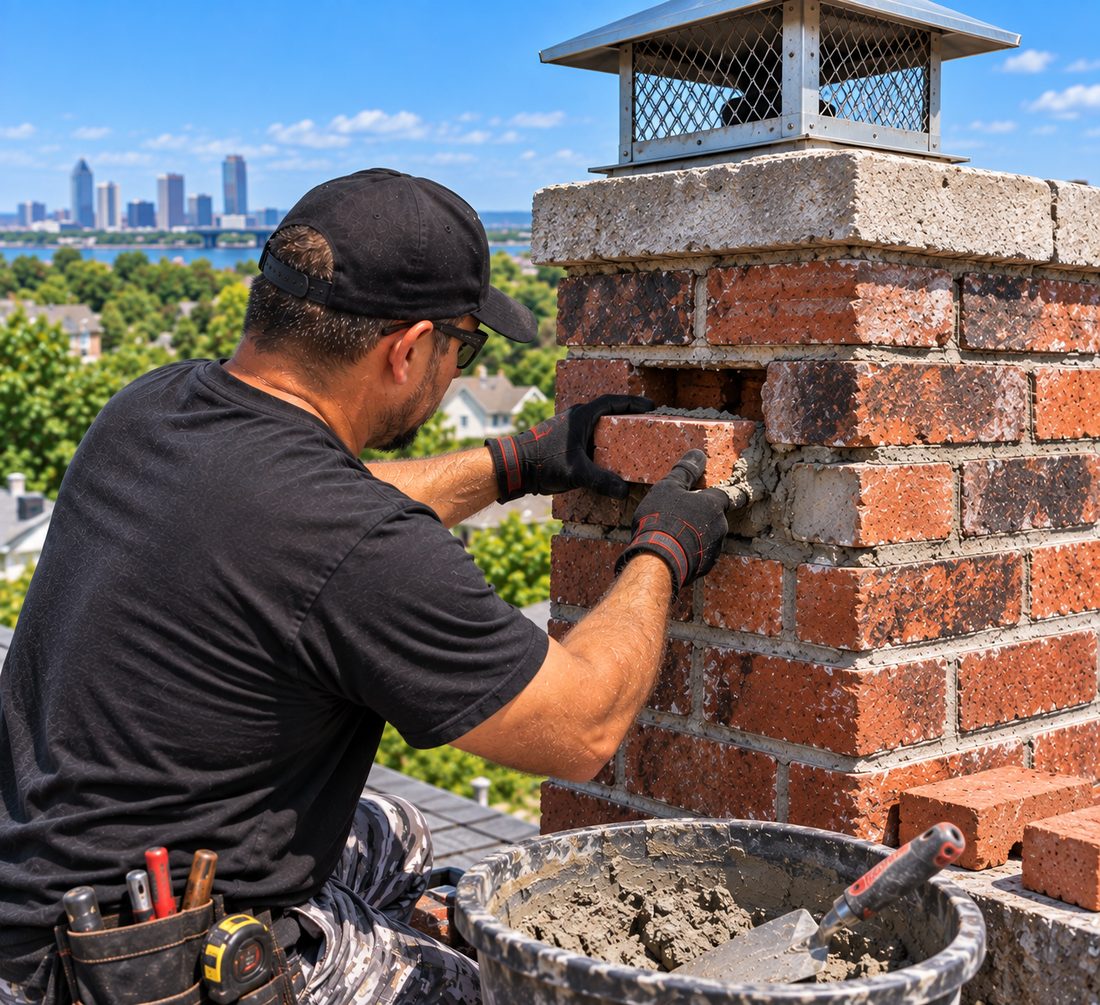
Diagnosing and correcting the specific problem, from a leak to failing masonry.
Learn about Chimney Repair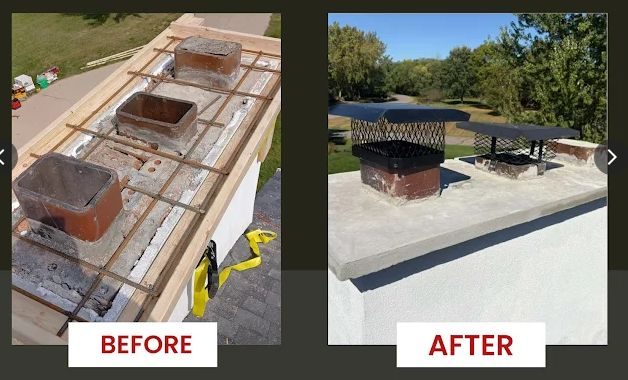
Repairing or rebuilding the top slab that sheds water off the chimney.
Learn about Chimney Crown RepairKeep reading
Chimney leak repair and waterproofing are not the same. Learn how source repair and moisture protection work together on Missouri chimneys.
Learn why chimney crown cracks matter, what homeowners can observe safely, and how condition-based crown repair helps manage water exposure.
A fireplace smell after rain can point to moisture, airflow, debris, or exterior chimney conditions. Learn what to notice and when to arrange an evaluation.
Get in touch
Tell us about your chimney or fireplace and the best number to reach you. Full name, phone, and ZIP are required.