
How to Find the Source of a Chimney Leak
Learn why chimney leaks can be difficult to trace, what homeowners can safely observe, and how a condition-focused evaluation identifies the likely source.
Chimney Repairs & Moisture
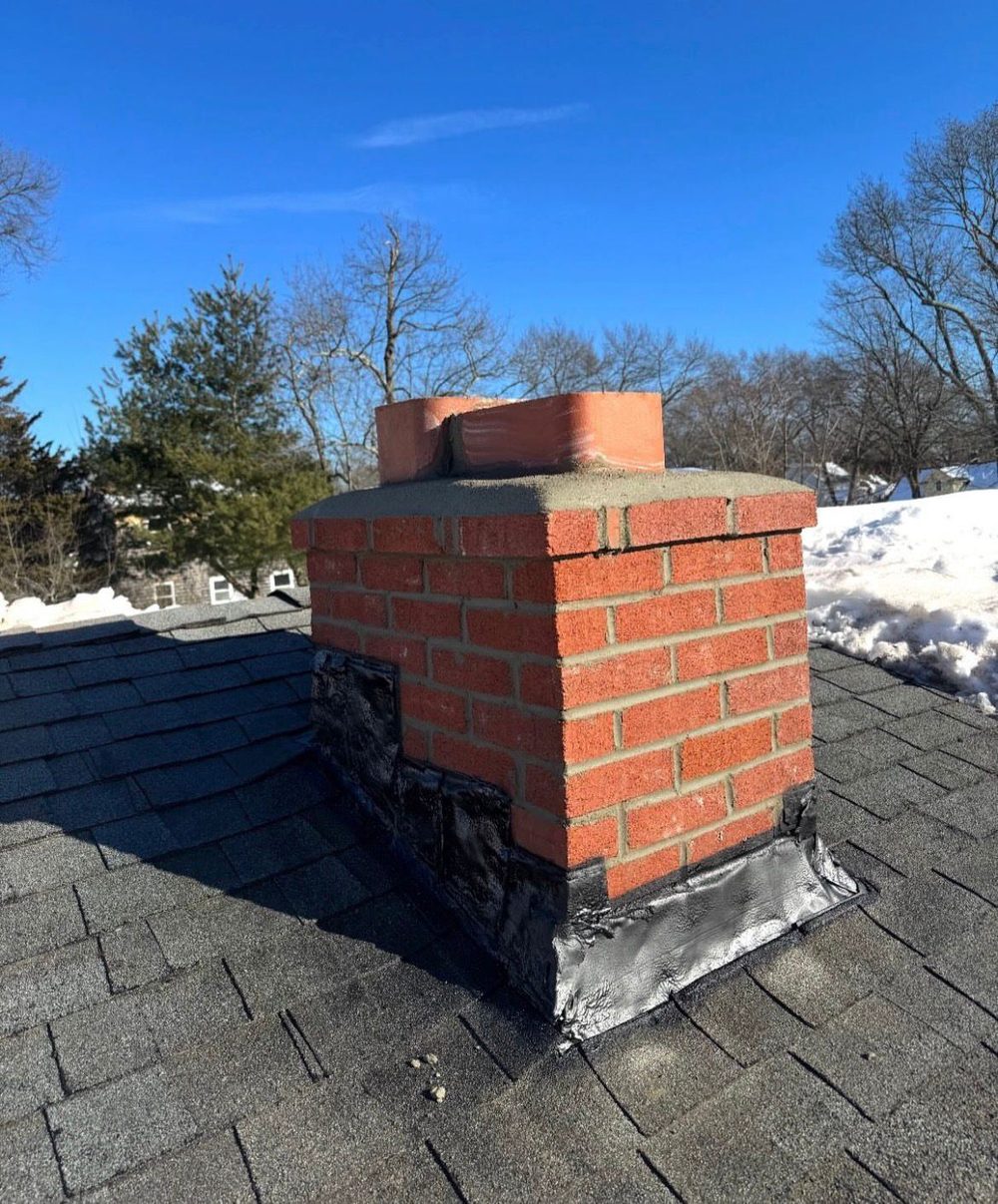
“Waterproofing” is often used as a catch-all phrase for any chimney that leaks. In reality, waterproofing and leak repair solve different parts of the moisture question. A chimney may need one, both, or neither until the source of the water is understood.
Leak repair focuses on a specific path that allows water to enter: a cracked crown, failed flashing, damaged cap, open mortar joint, deteriorated chase cover, or another visible condition. Waterproofing is a moisture-management measure used on suitable masonry after the underlying problems have been addressed. Treating those two ideas as interchangeable can lead to an incomplete repair.
If rain is entering through an obvious opening, coating the masonry alone will not correct the problem. Water may continue to travel through a crack, behind flashing, through a damaged crown, or around a failed cover. The first step is to evaluate accessible components and identify the most likely entry point.
That investigation may involve the crown, cap, flashing, brick, mortar, chase cover, roof transition, and signs inside the fireplace or nearby finishes. A chimney leak repair visit should explain what was observed and why a particular component appears to be part of the problem.
Masonry is exposed to rain, humidity, and freeze–thaw cycles. In the right condition, an appropriate breathable water-repellent treatment can help reduce how much water masonry absorbs while allowing moisture vapor to move out. That is different from sealing a surface with a product that traps moisture behind it.
The suitability of waterproofing depends on the masonry, its condition, previous coatings, needed repairs, and the source of the moisture concern. It should not be offered as a blanket solution for every brick chimney. If mortar joints are failing or a crown is cracked, those issues need their own evaluation and repair plan.
Think of a chimney like a weather-exposed system with several layers of protection. The cap helps guard the opening. The crown directs water away from the top. Flashing manages the roof-to-chimney transition. Sound mortar and masonry help the structure resist weather exposure. Waterproofing can be one layer of the plan, but it cannot make a failed component sound.
For example, a homeowner with a leaking crown may need chimney crown repair first. A home with deteriorated mortar joints may need tuckpointing or masonry repair. After those conditions are properly addressed, waterproofing may be discussed where it is suitable for the masonry.
Look for water stains near the fireplace, a musty smell after rain, loose or spalling masonry, rust on metal components, cracked crown material, gaps in mortar, or a cap that appears damaged or missing. Each sign can have more than one cause. The value of an evaluation is that it connects the visible clue to the right component instead of treating every symptom with the same product.
Do not assume that a dry day means the issue is resolved. A moisture path can leave intermittent evidence depending on wind direction, rainfall intensity, and how saturated surrounding materials are.
The best moisture plan is usually condition-based. It may include a repair to the source, a protective treatment where appropriate, regular observation after storms, and maintenance of exposed components over time. The homeowner should understand which part of the plan addresses the direct leak and which part is intended to support the long-term condition of the masonry.
At Mister Chimney, we do not recommend coating a chimney simply because it is made of brick. We start with what the chimney shows, explain the options, and make sure the proposed work fits the actual condition.
It may help manage moisture in suitable masonry, but it is not a substitute for repairing a direct entry path such as a cracked crown, failed flashing, or damaged cover. The source should be identified first.
No. The condition of the brick and mortar, previous coatings, repairs needed, and the cause of the moisture concern all matter. An evaluation should determine whether waterproofing is appropriate.
Masonry can hold and release moisture. A suitable approach needs to respect that behavior rather than trap water inside the wall or chimney structure. The product and application should be chosen for the condition, not used as a generic fix.
If water is affecting your chimney in St. Louis or Kansas City, Mister Chimney can separate source repair from long-term masonry protection. Request a chimney waterproofing evaluation and get a clear explanation before work begins.
How we can help
A breathable treatment that helps masonry shed rain instead of soaking it up.
Learn about Chimney Waterproofing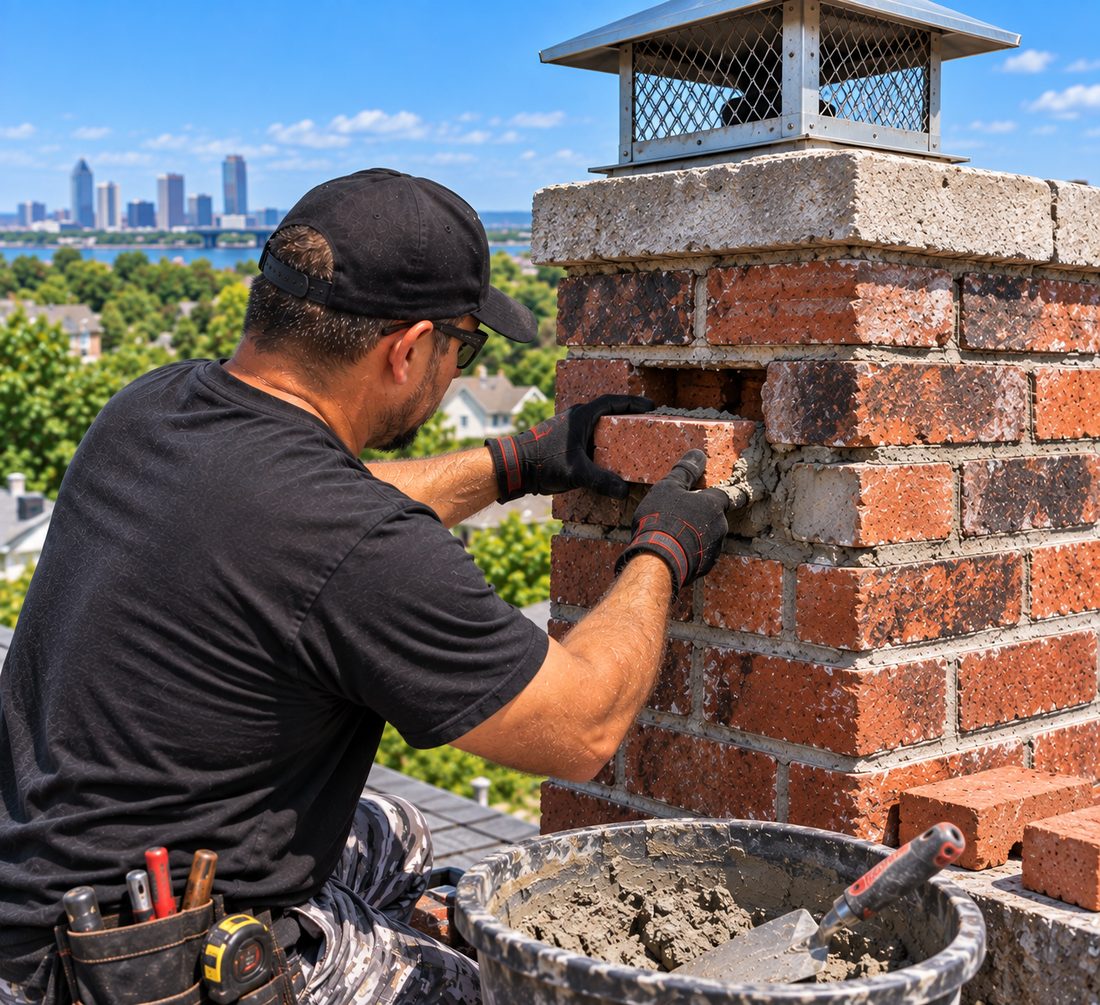
Diagnosing and correcting the specific problem, from a leak to failing masonry.
Learn about Chimney Repair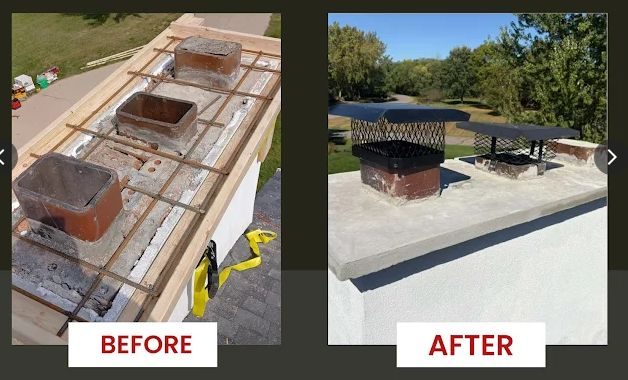
Repairing or rebuilding the top slab that sheds water off the chimney.
Learn about Chimney Crown RepairKeep reading
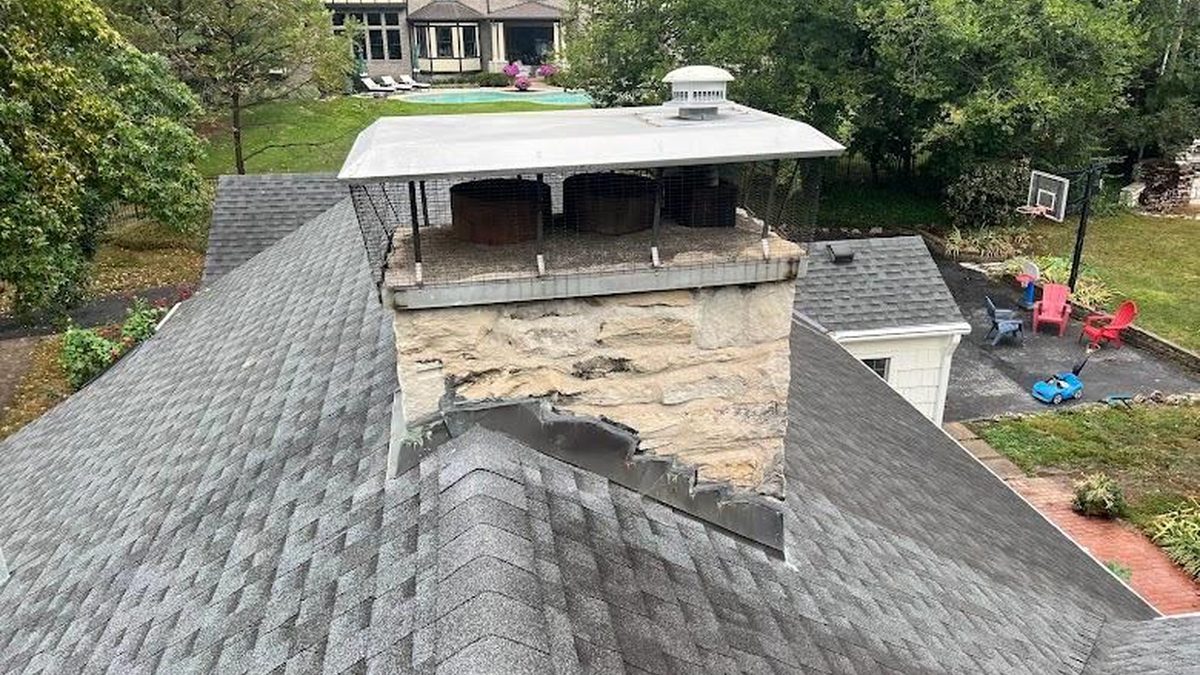
Learn why chimney leaks can be difficult to trace, what homeowners can safely observe, and how a condition-focused evaluation identifies the likely source.
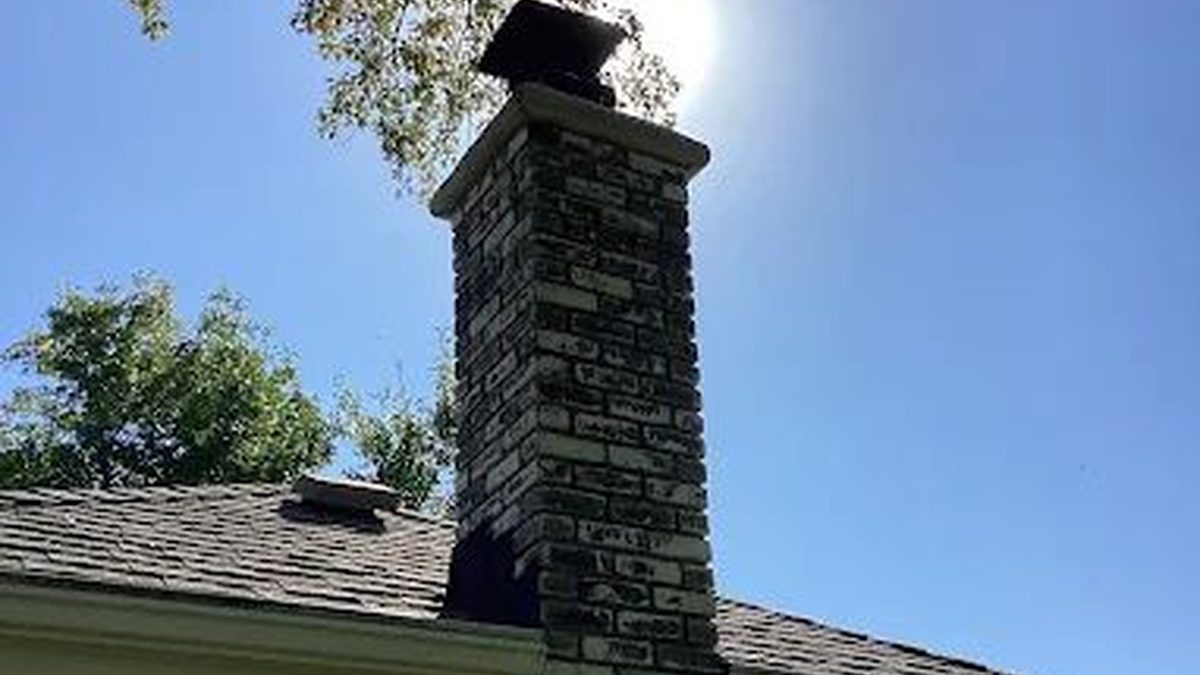
Learn how moisture and freeze–thaw exposure can affect chimney brick and mortar in Missouri, what to watch for, and when to schedule an evaluation.
Learn how chimney flashing helps manage water at the roofline, the warning signs to notice, and why a visible stain may not show the source.
Get in touch
Tell us about your chimney or fireplace and the best number to reach you. Full name, phone, and ZIP are required.