
How to Find the Source of a Chimney Leak
Learn why chimney leaks can be difficult to trace, what homeowners can safely observe, and how a condition-focused evaluation identifies the likely source.
Chimney Repairs & Moisture
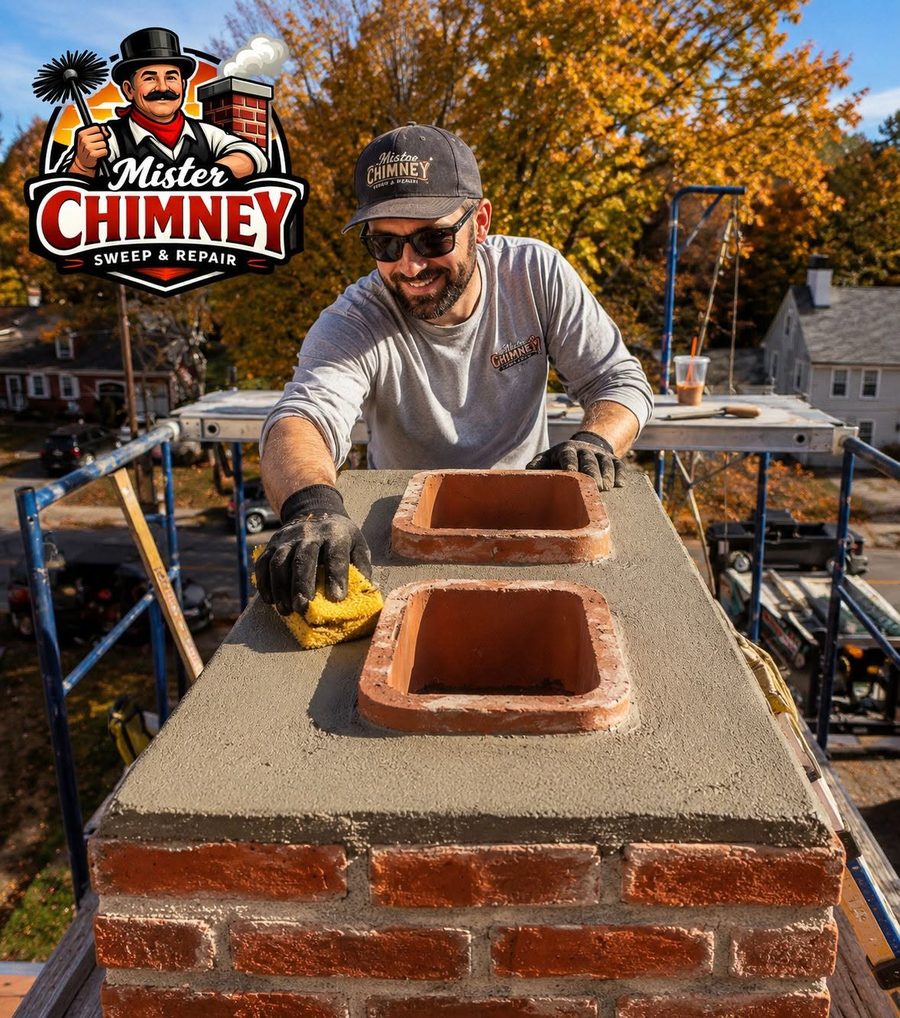
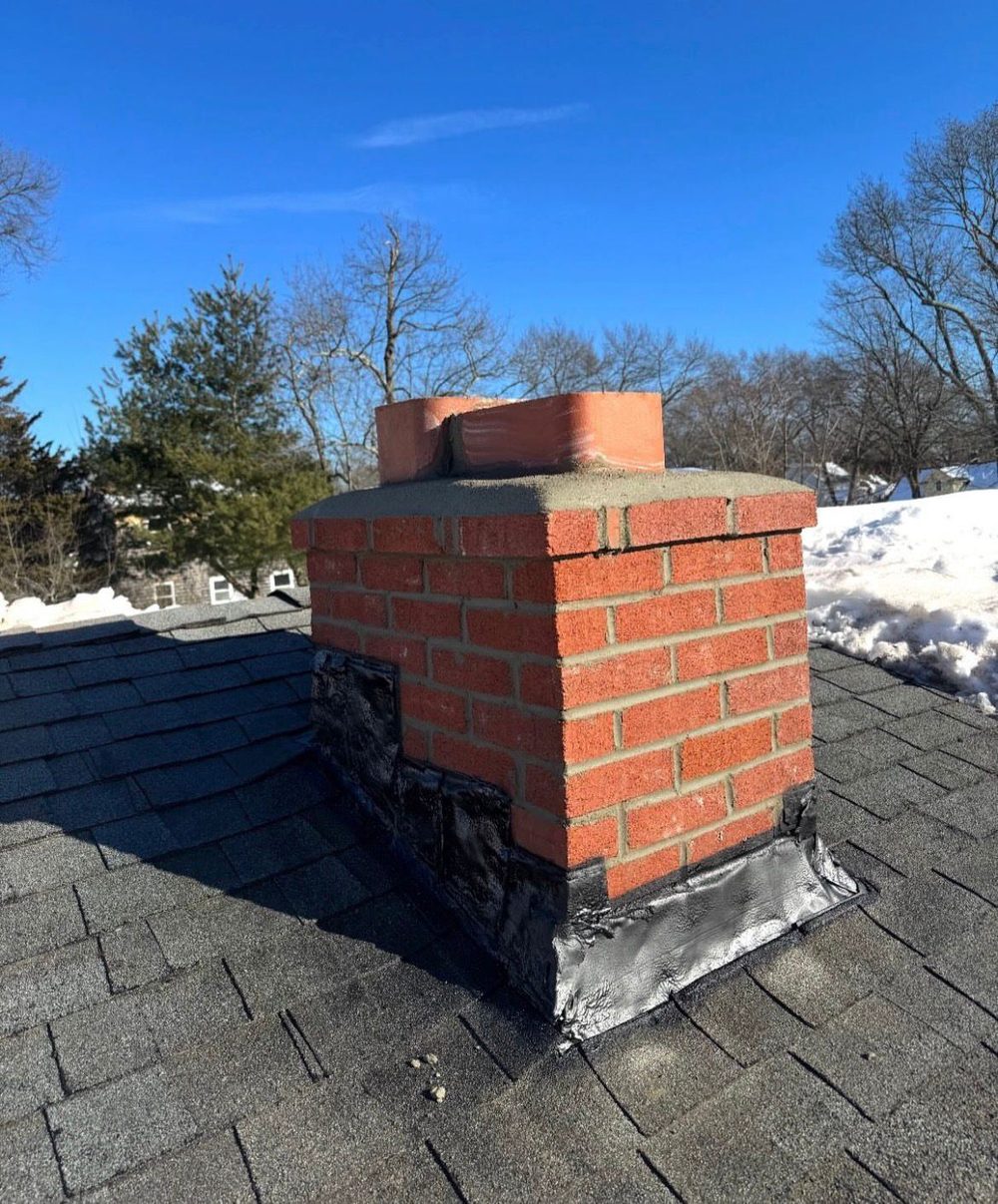
Chimney flashing is the material and detailing where the roof meets the chimney. Its job is to direct water away from that transition, where two very different building surfaces come together. When flashing is damaged, loose, worn, or no longer performing as intended, water can enter around the chimney rather than through the flue itself.
Because the leak path can be hidden, the first sign is often inside the house: a ceiling stain, damp drywall, peeling paint, a musty smell, or water near the fireplace. The place where water becomes visible is not always the place it entered, so a flashing concern needs a condition-based evaluation rather than a surface patch applied from inside.
A chimney interrupts the roof surface. Rain running down the roof must be redirected around the masonry or chase, and the joint has to accommodate normal weather exposure. Flashing helps manage that movement of water. Depending on the chimney and roof, there may be multiple pieces or layers working together at the sides, front, and back of the structure.
The surrounding roof, masonry, crown, cap, and chase cover can all influence the condition seen around flashing. That is why an evaluation should look at the larger water-management system instead of assuming every stain is caused by one strip of metal.
After rain, look for stains on the ceiling or wall near the chimney, dampness in an attic area if safely accessible, discoloration around the fireplace, peeling paint, or a new odor. Outside from the ground, you may notice lifted roofing material, gaps, rust staining, loose brick, or flashing that appears separated from the chimney.
Take photographs from safe locations and note the weather conditions. Was it a steady rain, a wind-driven storm, or a long period of wet weather? Does the issue occur only on one side of the chimney? These details can help identify a pattern when a technician evaluates the property.
It is common to see caulk or roof cement applied around a suspected flashing area. Sometimes a small, properly planned repair is appropriate, but applying material without understanding the source can trap water, redirect it, or create a patchwork that hides the original condition.
Chimney flashing repair should start by identifying how water is likely entering and whether surrounding components also need attention. A cracked crown, missing cap, open mortar joint, deteriorated chase cover, or roofing issue can resemble a flashing problem from inside the home.
The technician reviews the reported moisture pattern and accessible components around the roof-to-chimney transition. This can include the condition of visible flashing, masonry, crown, cap, roof surfaces immediately around the chimney, and signs of water movement in accessible interior areas.
If the chimney is not the likely source, that should be said clearly. Homeowners are better served by an honest distinction than by paying for chimney work that will not solve a roof or siding condition outside the chimney system.
Small water marks, rust stains, or damp odors can be early signals. Moisture can affect materials over time even if the interior symptom seems minor. Addressing the concern while it is still limited can make planning easier and can reduce the chance of ongoing hidden exposure.
At the same time, do not assume the worst. The purpose of the visit is to identify the accessible evidence, explain the likely cause, and discuss an appropriate next step. Some concerns are focused repairs; others need monitoring or coordination with related roof work.
Yes. A cap and flashing protect different areas. A sound cap does not rule out a roof-to-chimney transition problem, and a flashing repair does not rule out a condition at the chimney top.
No. Water can travel before it appears inside the home. The stain is an important clue, but exterior and accessible interior areas need to be reviewed to identify the likely path.
Roof access and chimney components can be hazardous. Observe from the ground and document symptoms, then arrange an evaluation rather than climbing up to probe or patch the area.
If you notice water near a chimney or fireplace, Mister Chimney can evaluate whether flashing may be part of the problem. Request chimney flashing repair service in St. Louis or Kansas City for a clear explanation of what the accessible condition shows.
How we can help
Correcting the metal-and-seal detail where the chimney meets the roof to stop leaks.
Learn about Chimney Flashing Repair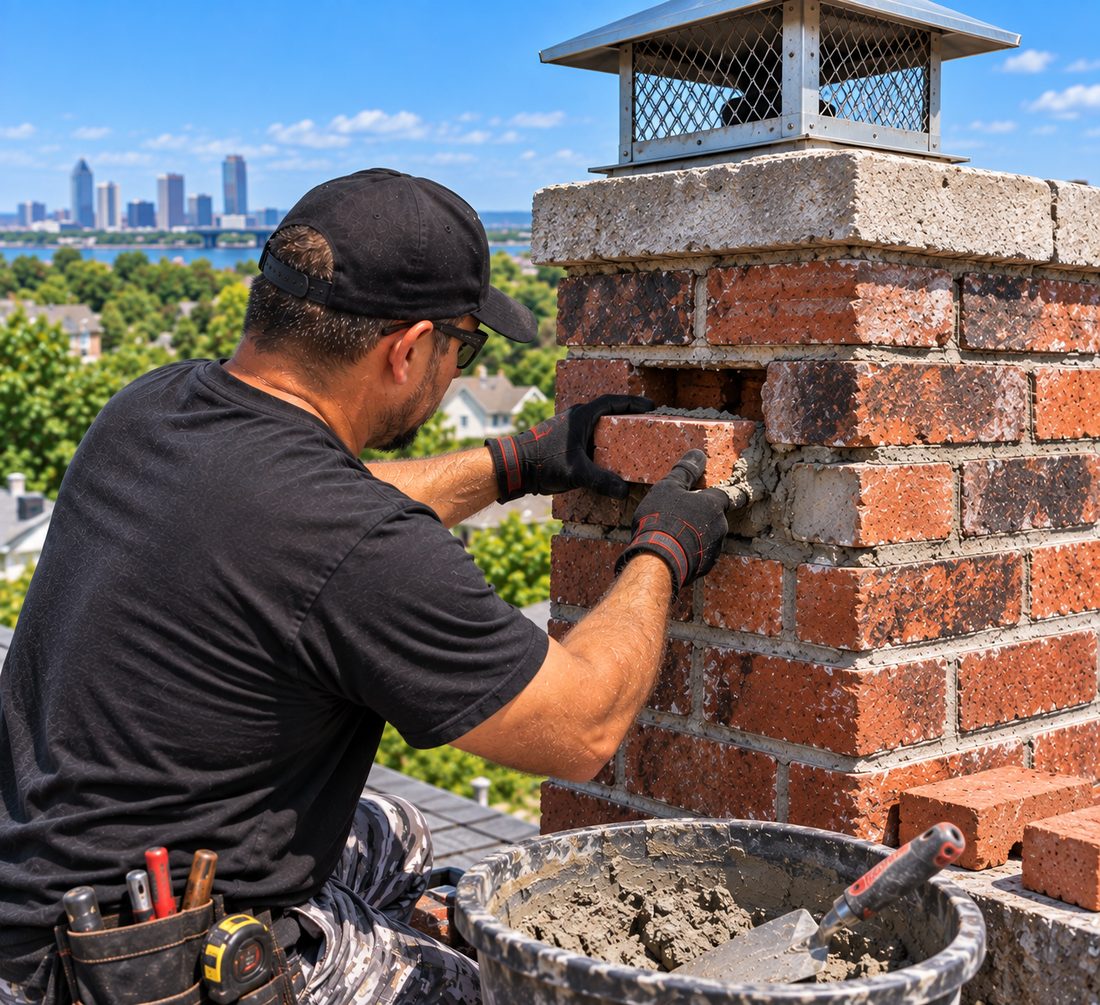
Diagnosing and correcting the specific problem, from a leak to failing masonry.
Learn about Chimney Repair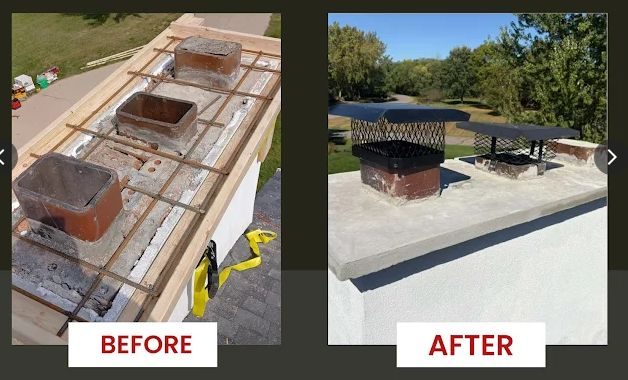
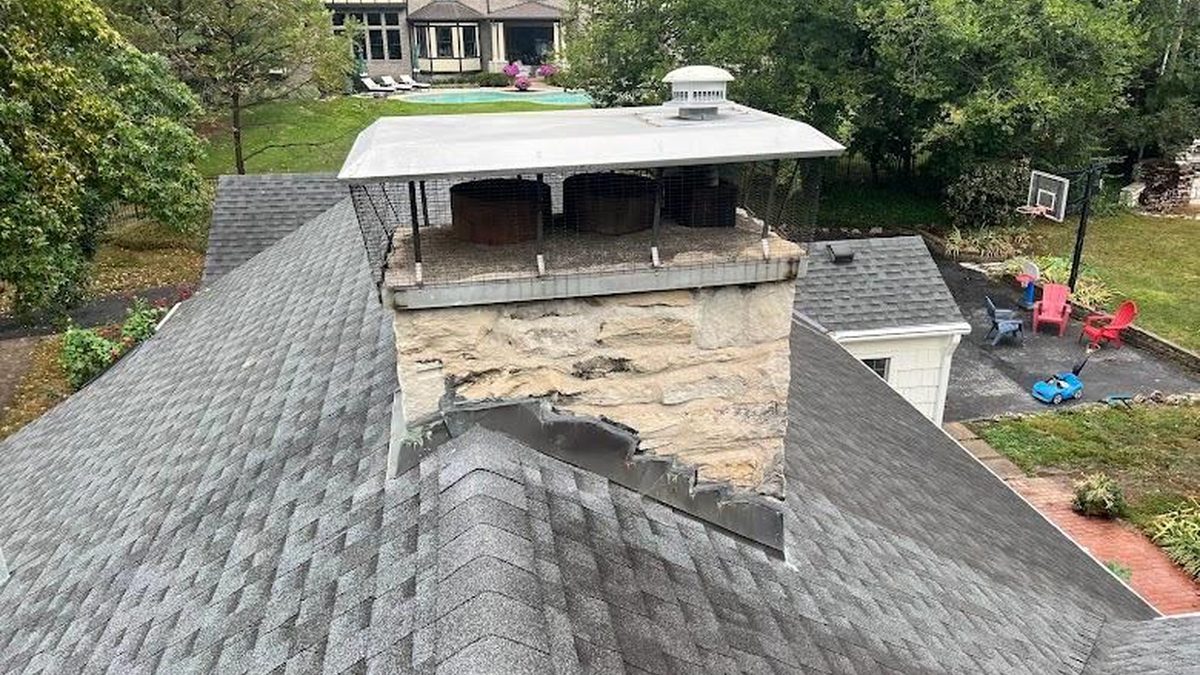
Repairing or rebuilding the top slab that sheds water off the chimney.
Learn about Chimney Crown RepairKeep reading
Learn why chimney leaks can be difficult to trace, what homeowners can safely observe, and how a condition-focused evaluation identifies the likely source.
Chimney leak repair and waterproofing are not the same. Learn how source repair and moisture protection work together on Missouri chimneys.
After a heavy rain or windstorm, learn what homeowners can safely observe around a chimney or fireplace and when to schedule a professional evaluation.
Get in touch
Tell us about your chimney or fireplace and the best number to reach you. Full name, phone, and ZIP are required.