
Why Your Fireplace Smells After Rain
A fireplace smell after rain can point to moisture, airflow, debris, or exterior chimney conditions. Learn what to notice and when to arrange an evaluation.
Missouri Seasonal & Property Care
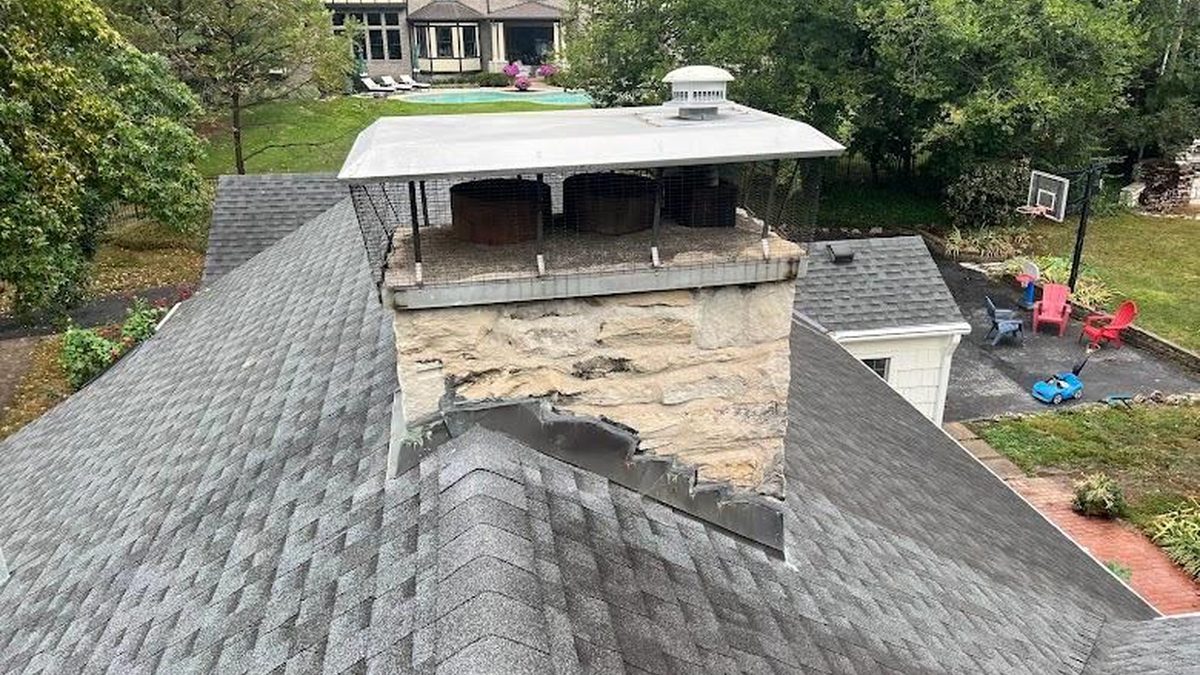
After a heavy rain or windstorm, it is reasonable to give the chimney and fireplace a quick, safe check. You are not trying to inspect the roof or diagnose the system. You are looking for changes that may need professional attention before water, debris, or a damaged component creates a larger question.
Storm damage is not always dramatic. A cap can loosen without falling, flashing can be affected without causing an immediate ceiling stain, and water can travel before it becomes visible inside. The best homeowner response is to observe, document, and arrange evaluation when something has changed.
Look at the chimney from a safe distance. Notice whether the cap is missing, bent, tilted, or visibly damaged. Check for loose bricks, fallen mortar, new rust streaks, changes to a chase cover, cracked or displaced siding around a chase, or branches and debris near the chimney.
Do not climb onto the roof, use a ladder to touch the cap, or try to straighten a loose component. Storm conditions can leave materials unstable, and the most obvious damaged item may not be the only thing affected.
With the fireplace cool and unused, look for water in the firebox, a new damp odor, stains around the hearth, discoloration on nearby walls or ceiling, falling debris, rust, or a change in the damper control. If you see a stain, take a photo and note the date and type of weather.
Water may enter through a crown, cap, flashing, masonry, chase cover, roof transition, or another exterior path. The interior clue is useful, but it does not tell you the source by itself. Avoid applying paint, caulk, or sealant over the visible area before the condition is evaluated.
Do not light the fireplace if a storm has left debris in the firebox, a damaged cap, water near the fireplace, an unfamiliar odor, a changed draft, or a component that no longer operates normally. Use should wait until the concern has been reviewed.
For a gas fireplace or stove, do not disassemble controls or venting parts after a storm. If the appliance has an operating change or visible damage, arrange a service visit based on the exact system.
A chimney leak repair evaluation can review the reported symptom and accessible chimney components. The technician may look at the crown, cap, flashing, masonry, chase cover, roof-to-chimney transition, and visible interior evidence. If camera work or a different inspection scope is needed, the reason should be explained.
The outcome may be a focused repair, a maintenance recommendation, a need to monitor a condition, or a clear statement that the chimney is not the likely source. Honest separation of chimney and non-chimney conditions saves the homeowner from paying for the wrong solution.
Keep photos of the exterior from the ground and the interior symptom if one appears. Note whether the issue followed wind-driven rain, heavy rainfall, hail, falling branches, or another event. If you have past chimney photos, comparison can be useful.
Property managers should also record tenant reports, access issues, and whether the fireplace was in use at the time. This makes scheduling and documentation more organized.
Yes. Water in a firebox can have more than one source and should be evaluated before the fireplace is used. Take a photo, note the weather, and avoid assuming it will dry out without addressing the cause.
Strong wind can affect exposed caps, covers, and surrounding components. A cap that looks loose, bent, missing, or changed after a storm should be inspected rather than adjusted from the roof by a homeowner.
An odor pattern can still be useful evidence of moisture or airflow changes. Note when it occurs and arrange an evaluation if it is new, persistent, or paired with other symptoms.
After a Missouri storm, let Mister Chimney help you separate a small visible change from a condition that needs repair. Request a chimney leak repair evaluation before using a fireplace that has been affected by weather.
How we can help
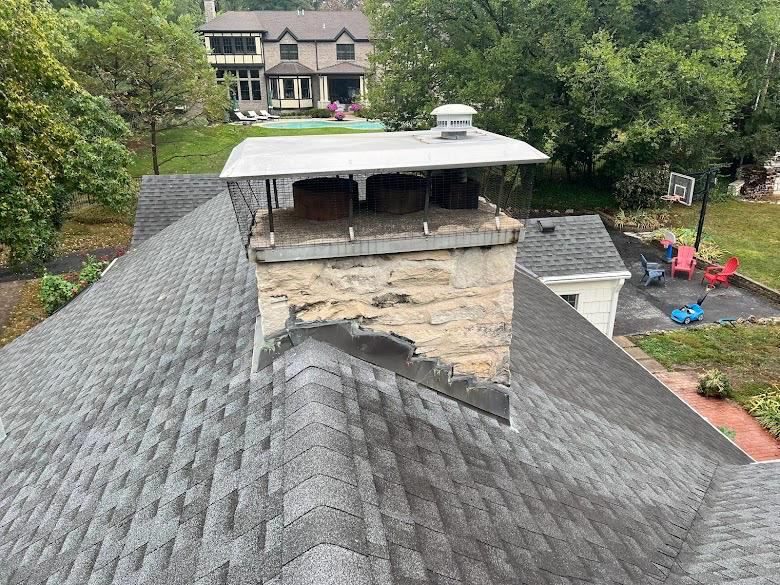
Finding where water is entering and correcting the actual source, not just the stain.
Learn about Chimney Leak Repair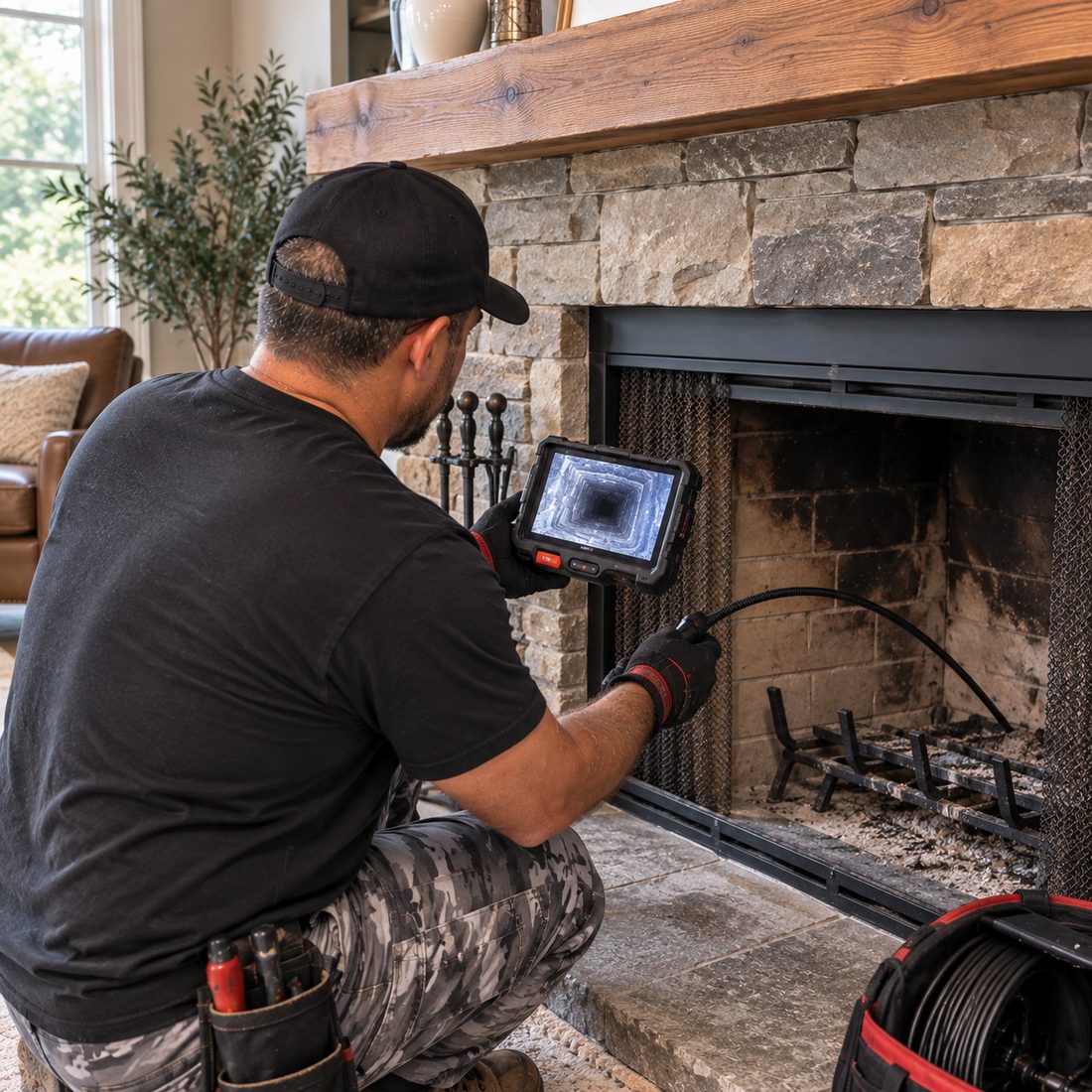
A structured look at the flue, firebox, and exterior to document the system's condition.
Learn about Chimney Inspection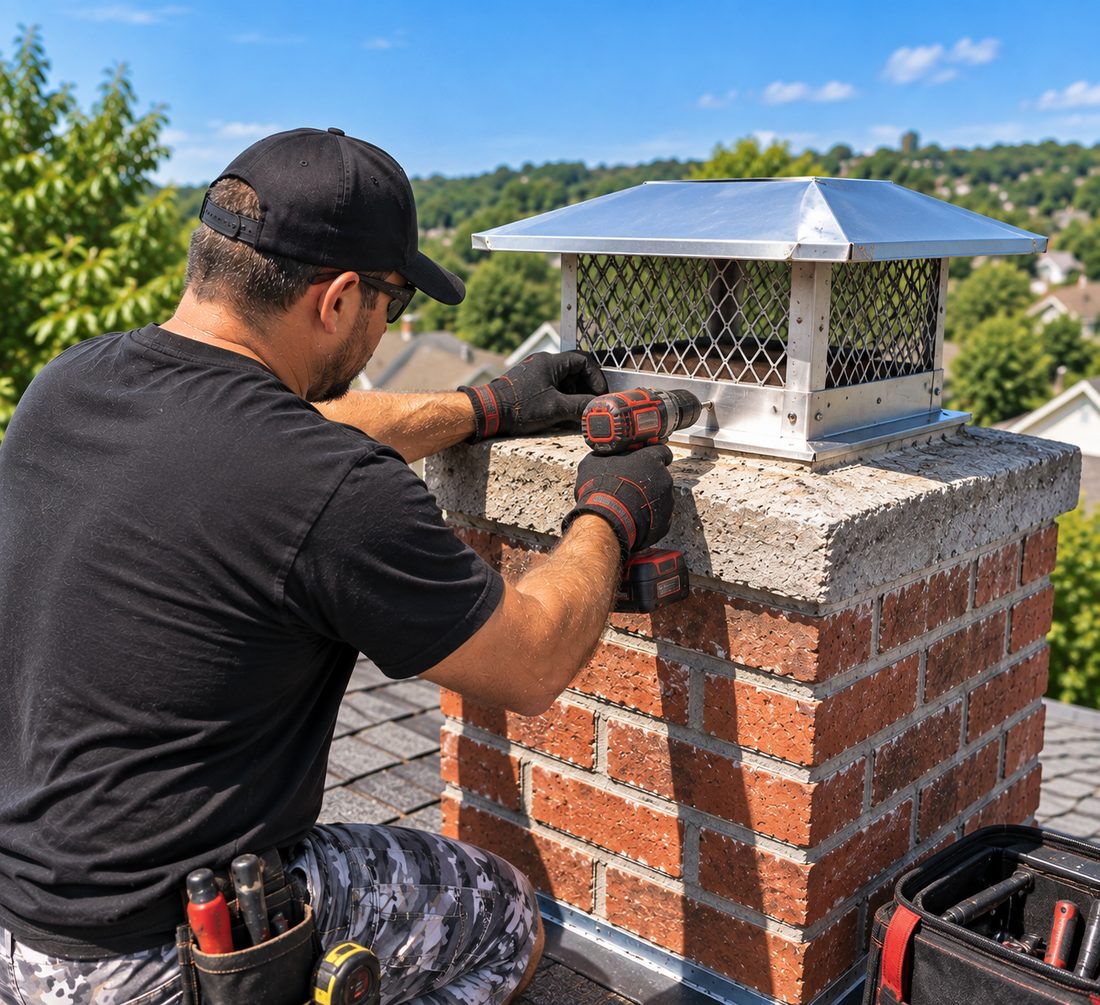
Fitting the flue cover that keeps rain, animals, and embers where they belong.
Learn about Chimney Cap InstallationKeep reading
A fireplace smell after rain can point to moisture, airflow, debris, or exterior chimney conditions. Learn what to notice and when to arrange an evaluation.
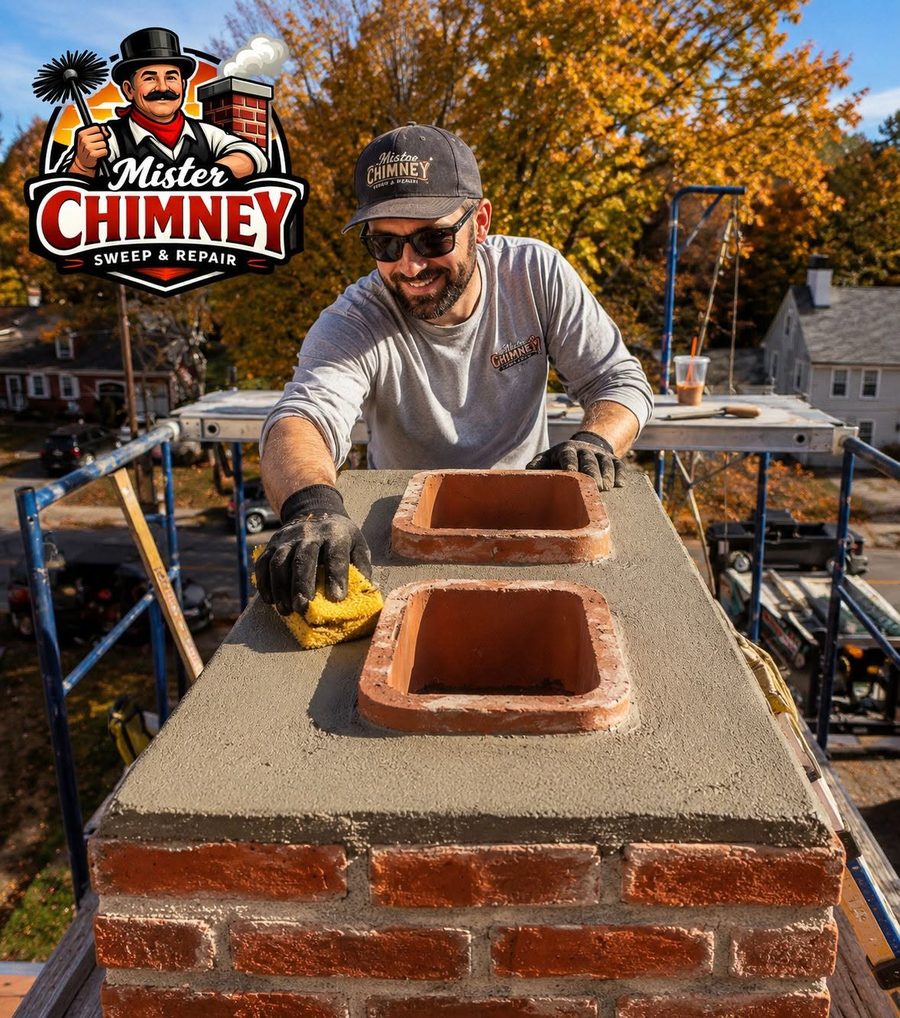
Learn how chimney flashing helps manage water at the roofline, the warning signs to notice, and why a visible stain may not show the source.
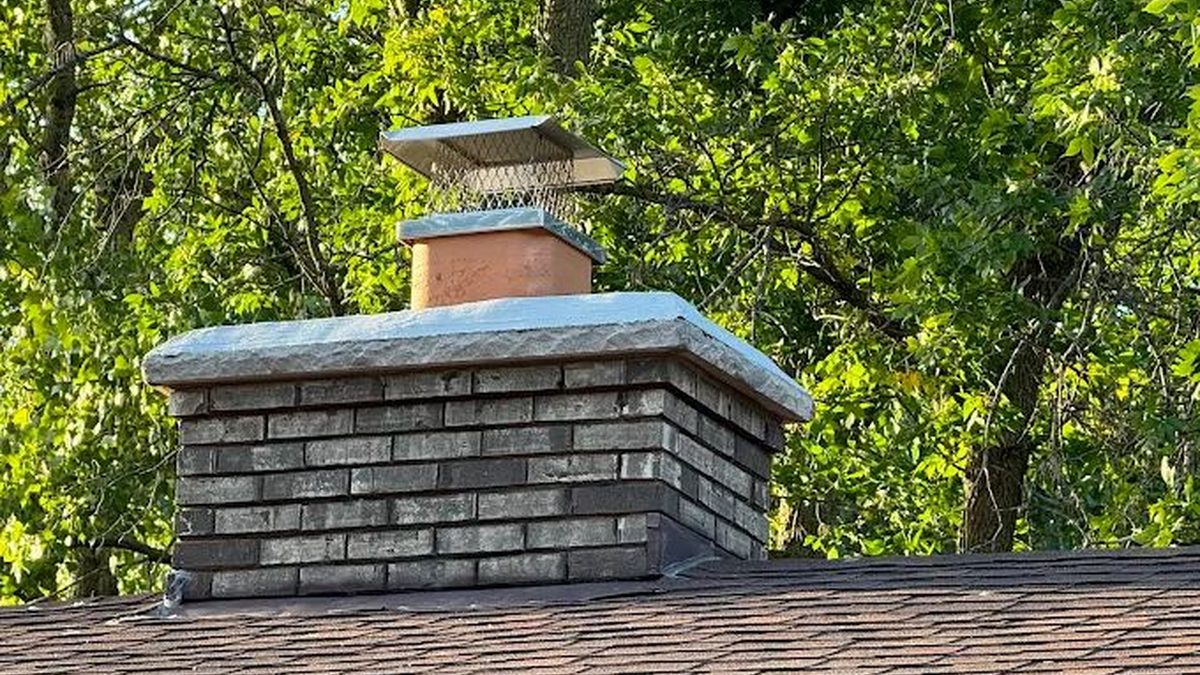
Learn what a chimney cap does, why fit and condition matter, and when replacement or repair may be appropriate for a Missouri chimney.
Get in touch
Tell us about your chimney or fireplace and the best number to reach you. Full name, phone, and ZIP are required.