
Chimney Tuckpointing vs. Masonry Repair: What Is the Difference?
Learn the difference between chimney tuckpointing and masonry repair, why mortar joints matter, and how an on-site assessment determines the right scope.
Missouri Seasonal & Property Care
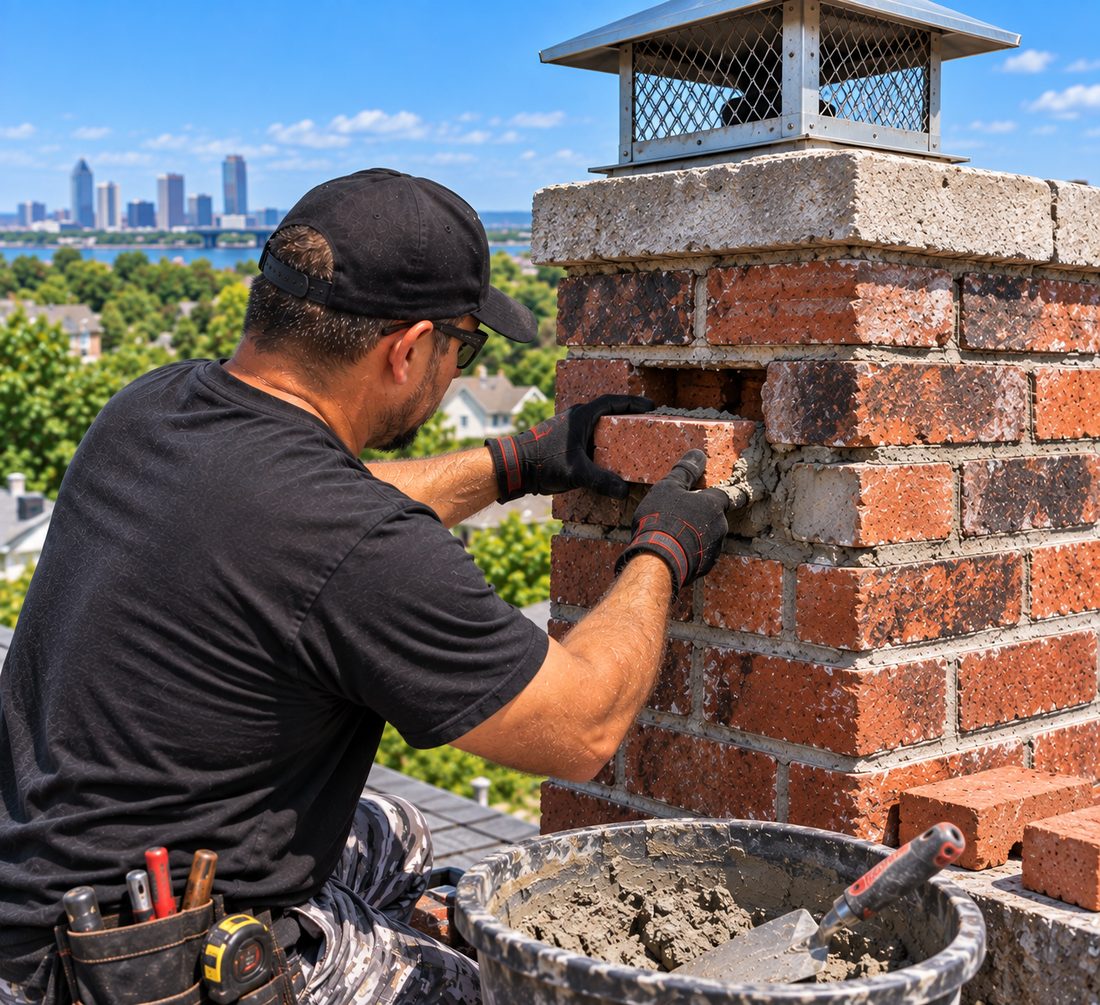
Brick chimneys are a familiar part of many older St. Louis homes. Their age and character can be a strength, but they also mean the chimney has lived through years of rain, humidity, winter weather, roof work, and previous repairs. The right approach is not to assume that old brick is failing or that a few cracks mean the entire chimney must be rebuilt.
Instead, look for changes in the masonry and understand how the chimney manages water. Mortar joints, bricks, crowns, caps, flashing, and roof transitions work together. A condition in one area can influence another, especially when moisture has had time to travel through the system.
Mortar joints often weather before the brick around them. Gaps, soft areas, crumbling joints, or missing material may point to a need for chimney tuckpointing. Brick that is cracked, flaking, loose, or visibly damaged may require broader chimney masonry and brick repair.
Neither condition should be judged only by a close-up photo. The location, amount of deterioration, water exposure, previous repair material, and chimney construction all matter. A good evaluation explains whether the concern is localized or whether it affects a larger part of the chimney.
The chimney top and roofline deserve as much attention as the wall of brick. A cracked crown, missing cap, rusted chase component, or flashing condition can allow water to affect masonry below. Repointing joints without understanding the water path can leave the same exposure in place.
Watch for staining below the crown, rust marks, dampness after rain, pieces of brick or mortar on the ground, or changes that become more obvious after winter. These observations help shape an inspection, but they do not replace it.
An older chimney may show several generations of repairs. Some may be sound; others may use materials that do not match the surrounding masonry or may have been applied over a continuing moisture condition. The goal is not to criticize prior work. It is to understand the chimney in its current condition and plan the next repair responsibly.
Ask a technician to explain what is visible, how the repair relates to water management, and whether sound materials can be preserved. Repair-before-replacement is often the right principle when a focused scope can address the condition safely and correctly.
Do not pressure-wash a chimney, scrape loose material from a ladder, or cover masonry with a random paint or sealant. Those actions can damage surfaces, obscure evidence, or trap moisture. If you see a change, document it from the ground and arrange a professional evaluation.
The same caution applies to cosmetic tuckpointing. A neat surface line is not the same as a repair that addresses deteriorated material and the cause of water exposure.
No, but they deserve context. The size, location, condition of the mortar, moisture exposure, and surrounding masonry all influence what the crack may mean and what repair, if any, is appropriate.
The repair approach depends on the condition of the joint and the masonry. A proper tuckpointing scope addresses deteriorated mortar rather than simply covering a visible gap.
Waterproofing may be appropriate for suitable masonry after direct entry paths and repair needs have been addressed. It is not a substitute for crown, cap, flashing, mortar, or brick repair.
If an older St. Louis brick chimney is showing weather-related wear, Mister Chimney can provide a clear masonry assessment. Request chimney masonry and brick repair and understand the condition before choosing a repair path.
How we can help
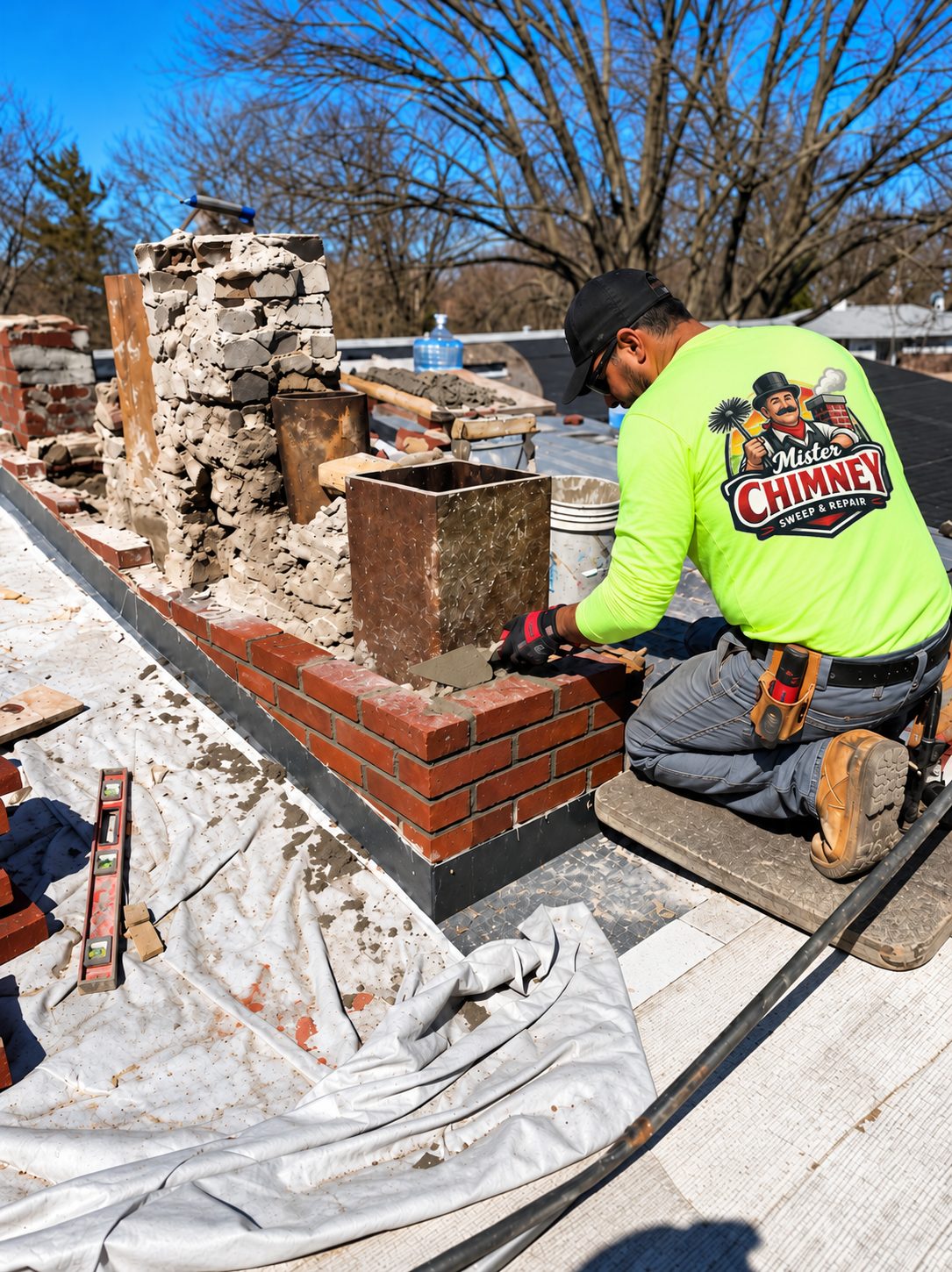
Rebuilding and restoring the brick and stone that make up the chimney structure.
Learn about Chimney Masonry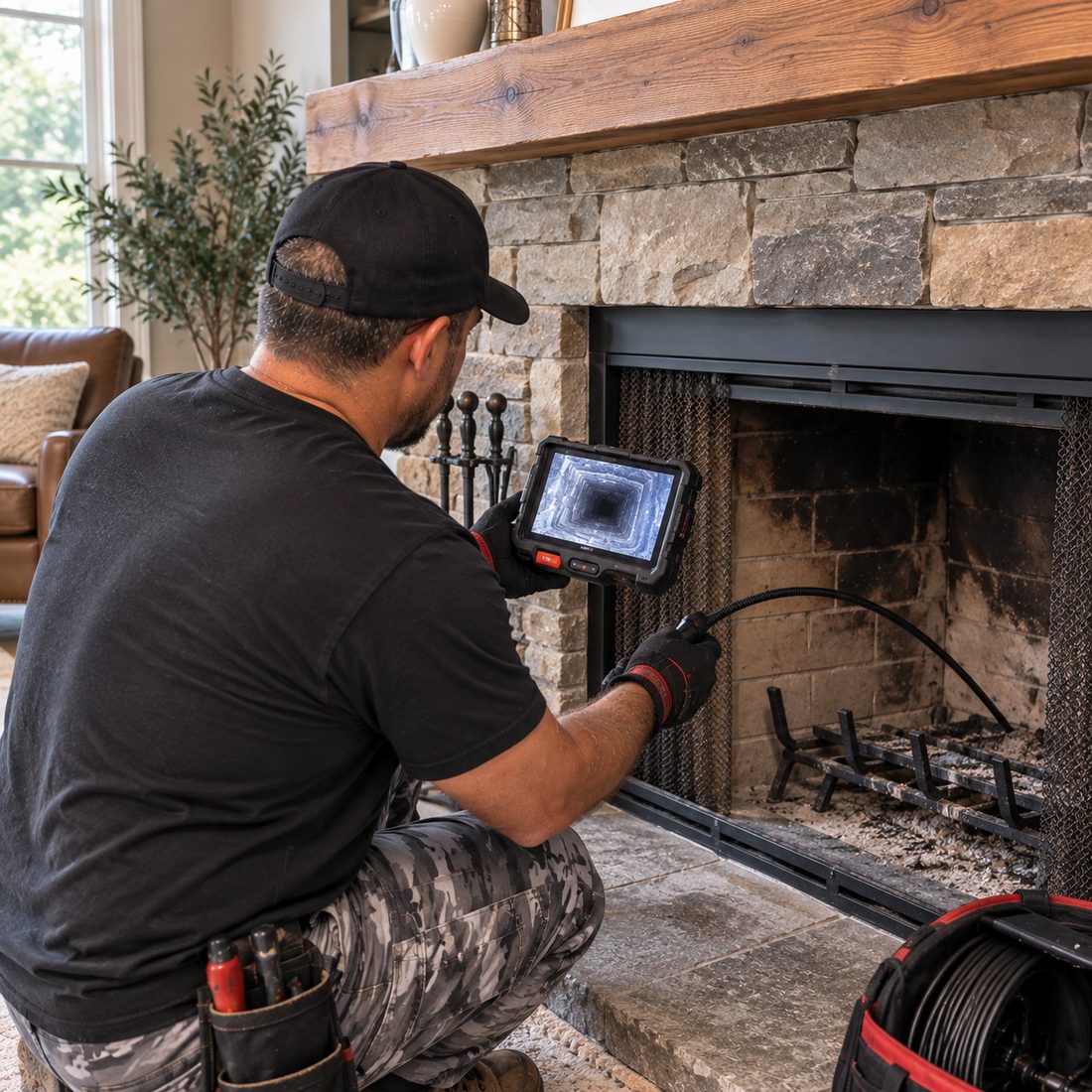
A structured look at the flue, firebox, and exterior to document the system's condition.
Learn about Chimney Inspection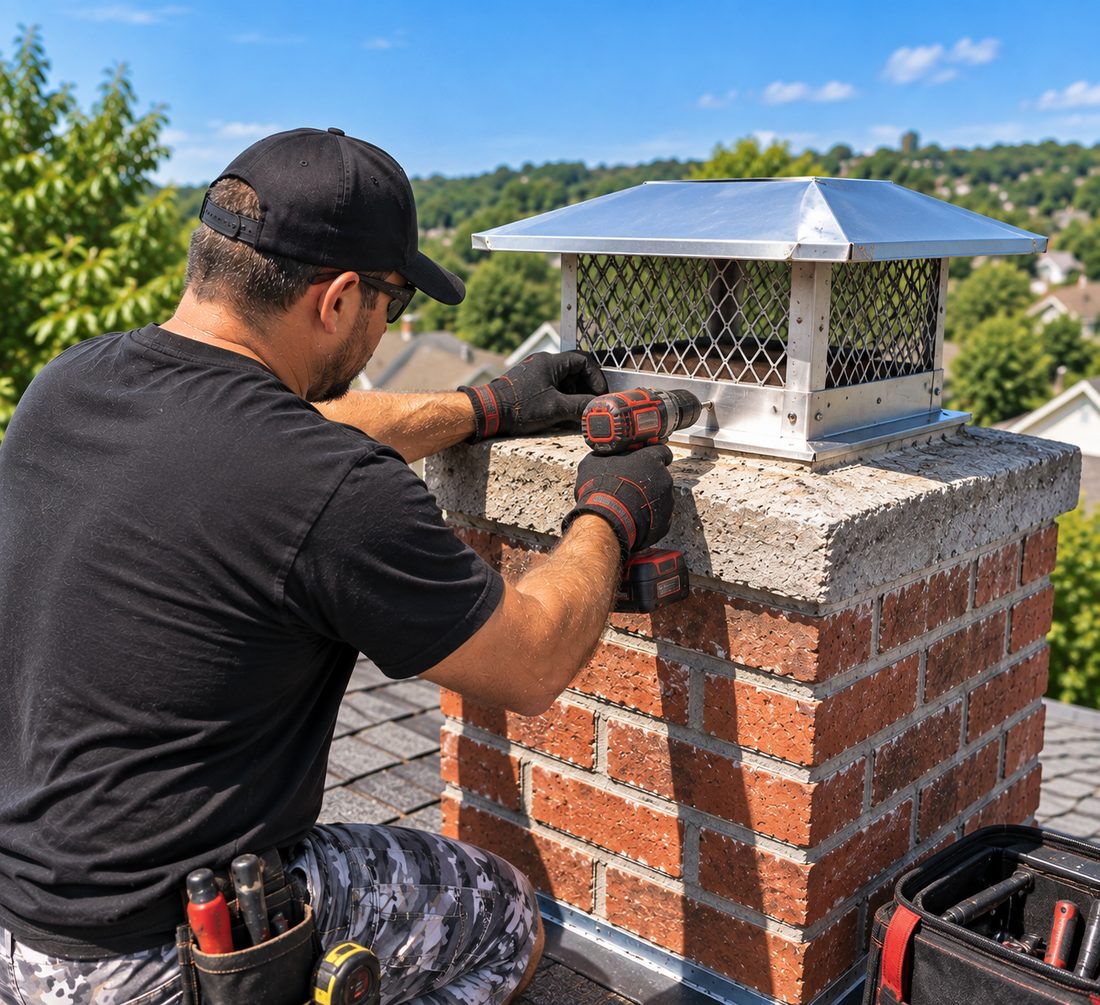
Fitting the flue cover that keeps rain, animals, and embers where they belong.
Learn about Chimney Cap InstallationKeep reading
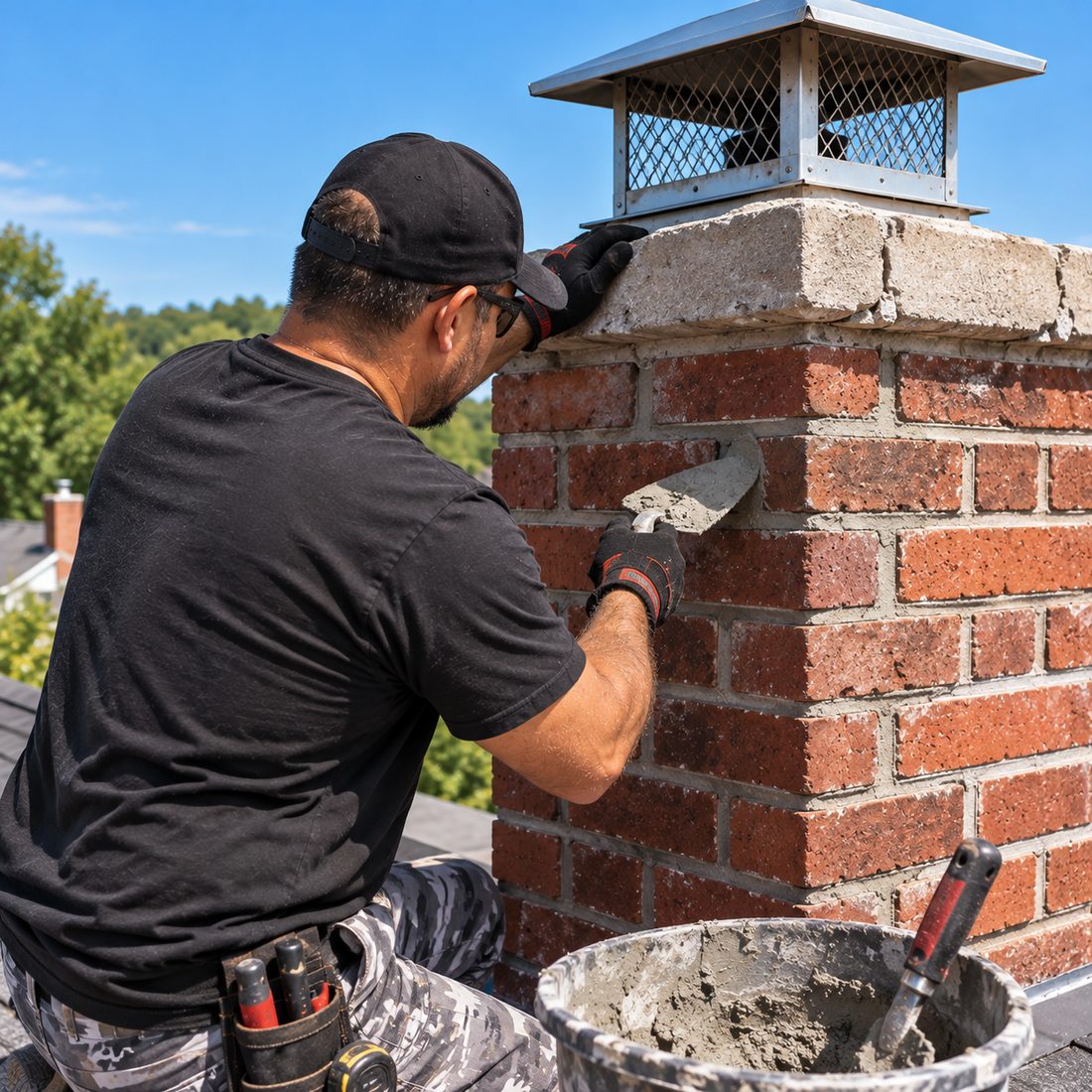
Learn the difference between chimney tuckpointing and masonry repair, why mortar joints matter, and how an on-site assessment determines the right scope.
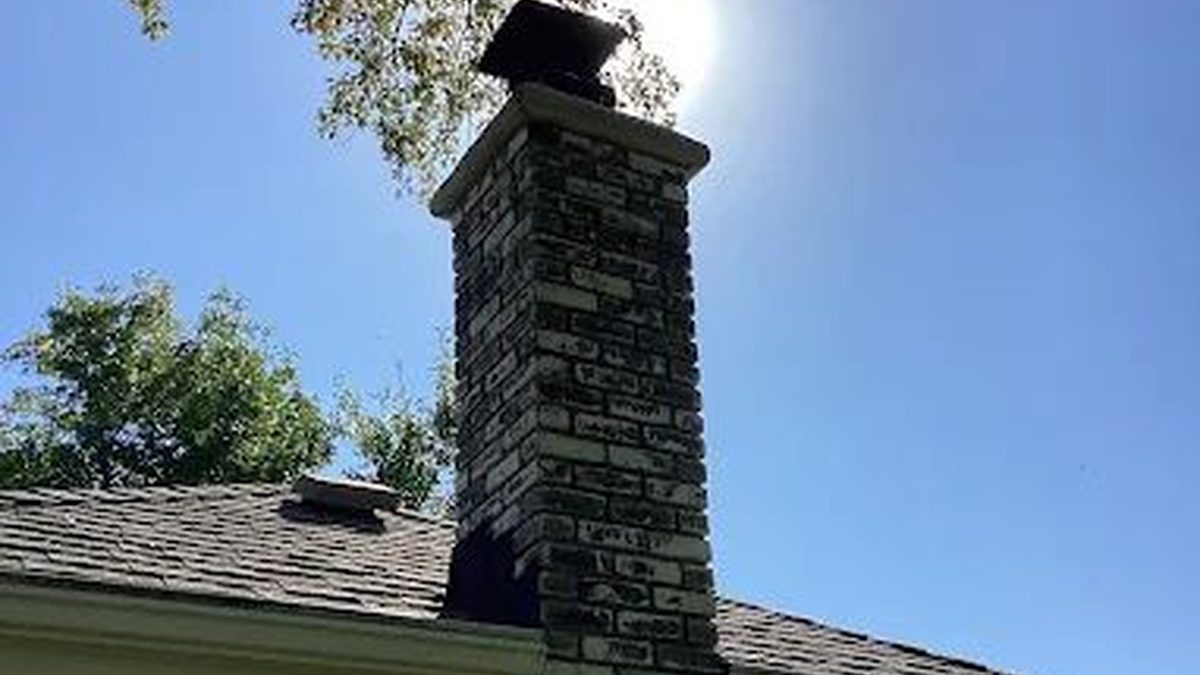
Learn how moisture and freeze–thaw exposure can affect chimney brick and mortar in Missouri, what to watch for, and when to schedule an evaluation.

Buying an older St. Louis home with a fireplace? Learn what condition questions to ask about the chimney, masonry, liner, moisture, use history, and inspection scope.
Get in touch
Tell us about your chimney or fireplace and the best number to reach you. Full name, phone, and ZIP are required.