
Older St. Louis Brick Chimneys: What to Watch For
Learn what to watch for on an older St. Louis brick chimney, including mortar wear, water exposure, crown condition, flashing, and when to schedule a masonry evaluation.
Missouri Seasonal & Property Care

An older home with a fireplace can be one of the reasons a buyer falls in love with a property. It can also carry a history that is not obvious during a showing. A fireplace may have been used regularly, rarely used, altered by prior owners, repaired in stages, or left untouched for years. The visible brick or mantel does not tell the whole story.
Before relying on the fireplace, arrange a chimney inspection that is appropriate for the purchase situation and the system being evaluated. The goal is not to turn every older fireplace into a problem. It is to understand the accessible condition, identify questions that need more information, and help the buyer make decisions with their eyes open.
Ask the seller what they know. When was the fireplace last used? Was it wood-burning, gas, or converted in some way? Are there past inspection reports, repair invoices, roof work records, or notes about water entry? Has a liner been added, a cap replaced, or a stove or insert installed?
Incomplete history is common. That is not a reason to guess. It is a reason to make the inspection scope clear and distinguish what is visible from what is unknown.
During a purchase walk-through, buyers can safely note visible clues: cracks in the firebox, loose mortar, water stains near the fireplace, rust on a damper or metal component, a musty odor, debris in the hearth, a missing or damaged cap visible from the ground, or exterior masonry that looks weathered.
These clues do not determine the repair cost or scope. They simply help shape the questions for the inspection. Avoid lighting the fireplace during a showing or trying to operate a damper if the condition is unclear.
Many St. Louis homes have brick features and masonry chimneys with long histories. Age by itself is not a defect. Sound masonry can remain useful for many years when it is maintained appropriately. But older chimneys may have mortar wear, moisture exposure, crowns or caps that have been patched, prior material changes, or flue conditions that cannot be seen from the room.
That is why a purchase inspection may involve more than a basic glance. Depending on the property, a Level 2 chimney inspection or camera evaluation may be appropriate to answer questions about the system’s condition and intended use.
The chimney’s exterior, crown, cap, flashing, masonry, and roof transition all matter. A fireplace can look attractive inside while water is affecting components above the roofline. Conversely, exterior age can look concerning without meaning the whole system needs replacement. The inspection should connect the interior and exterior evidence.
If a buyer is considering a gas conversion, insert, or other change after closing, that plan should be mentioned before the inspection. A change in appliance or fuel can affect the questions that need to be answered about venting and the liner.
Not every inspection results in immediate work. Findings may support routine maintenance, a focused repair, additional evaluation, or a decision to wait until after closing before planning a project. The value is knowing what was observed and what the appropriate options are.
Ask for clear documentation and explanations. You should know which conditions are visible, which are outside the scope, and which next steps are recommended before you decide how the fireplace will be used.
A general home inspection can identify visible concerns, but a chimney and fireplace may need a dedicated evaluation when the buyer wants condition information about the system and its intended use. The appropriate inspection scope depends on the property and transaction.
Do not assume so. If the system’s condition or history is unknown, arrange an inspection before use. A fireplace may have been inactive, altered, or affected by moisture or other conditions.
Nonuse does not prove condition. It may reduce some wear from burning, but it can leave questions about moisture, debris, animals, and the existing system. An inspection is still the practical next step.
Buying an older St. Louis home with a fireplace should come with clear information, not assumptions. Request a chimney inspection from Mister Chimney before you rely on the system or plan a conversion.
How we can help
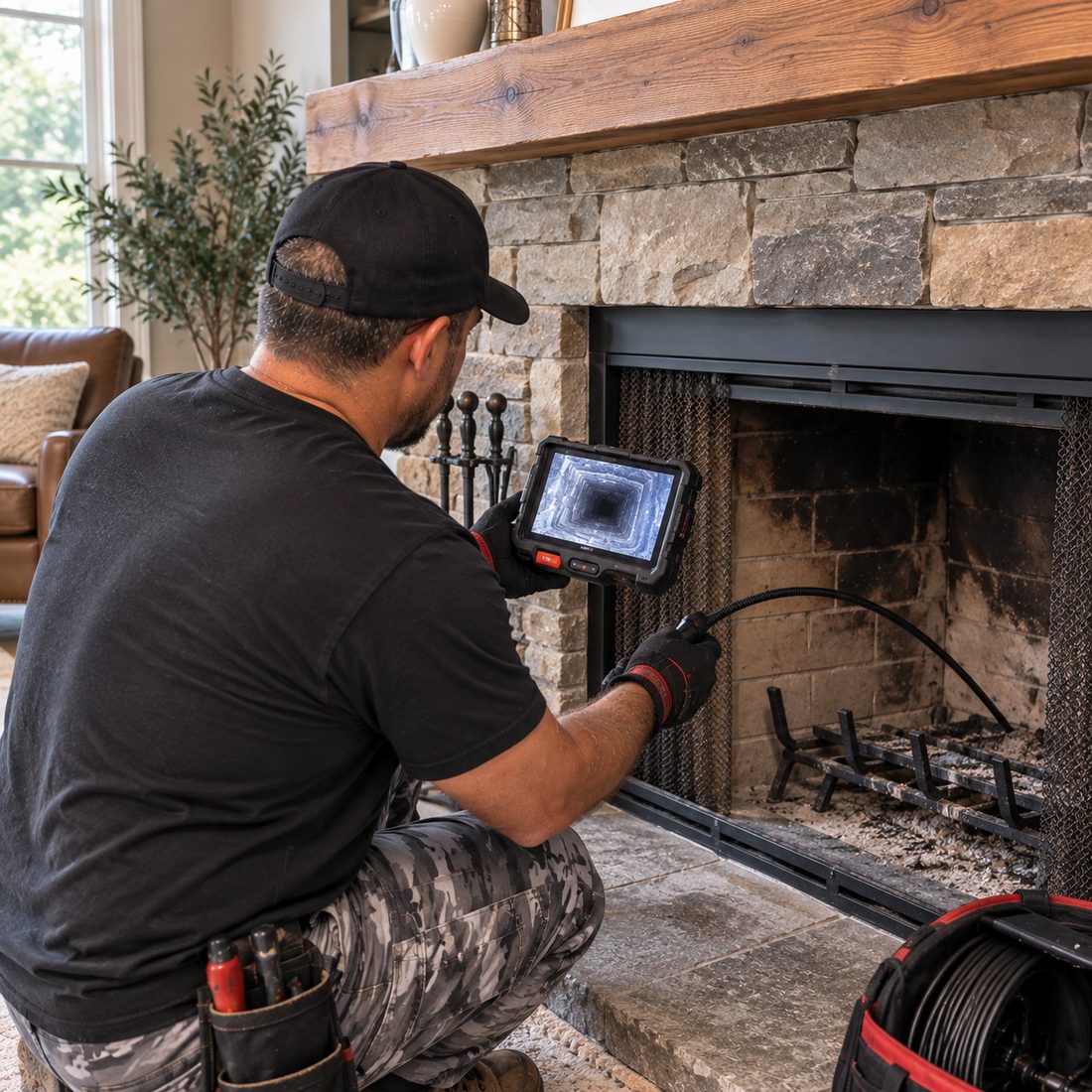
A structured look at the flue, firebox, and exterior to document the system's condition.
Learn about Chimney Inspection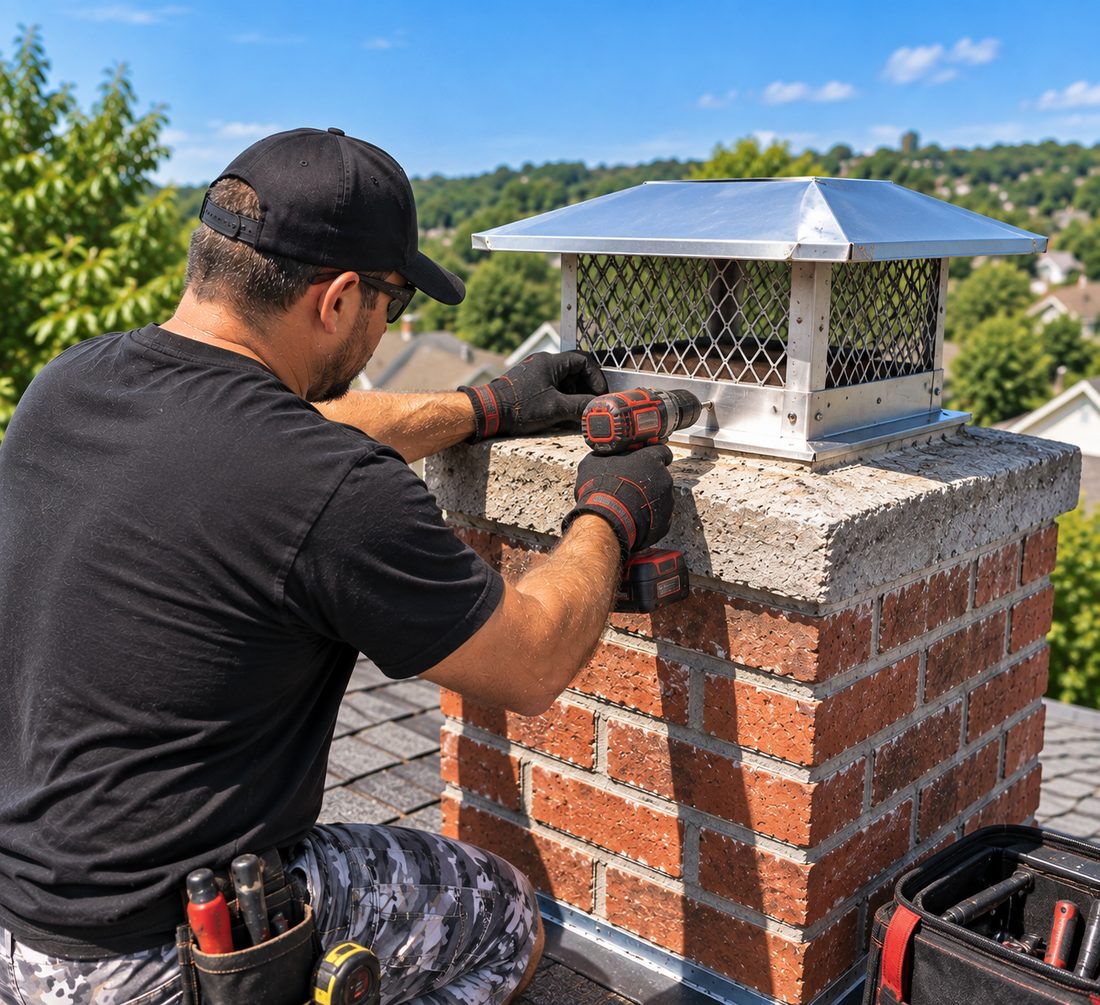
Fitting the flue cover that keeps rain, animals, and embers where they belong.
Learn about Chimney Cap Installation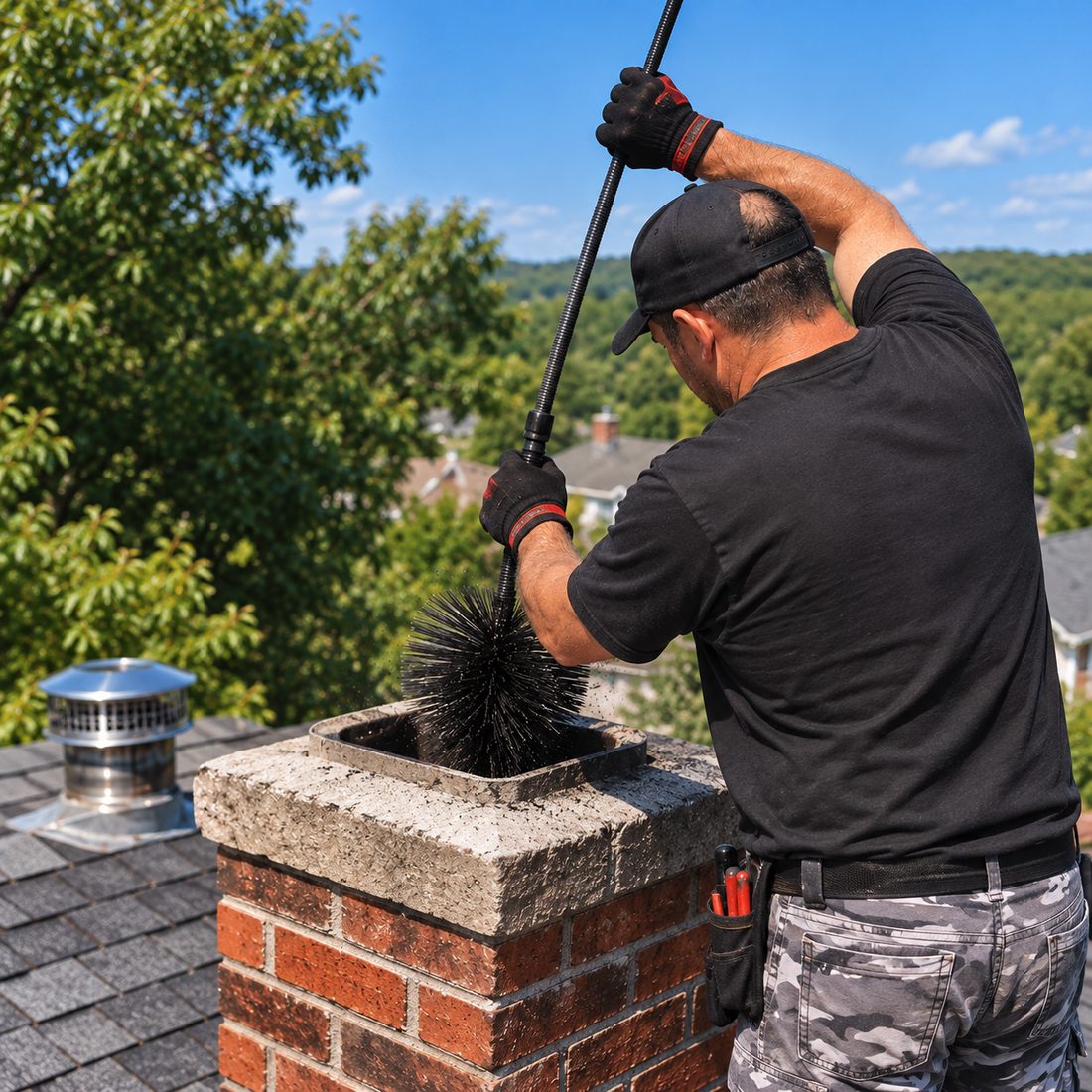
A practical seasonal check to keep a fireplace ready and catch problems early.
Learn about Fireplace MaintenanceKeep reading
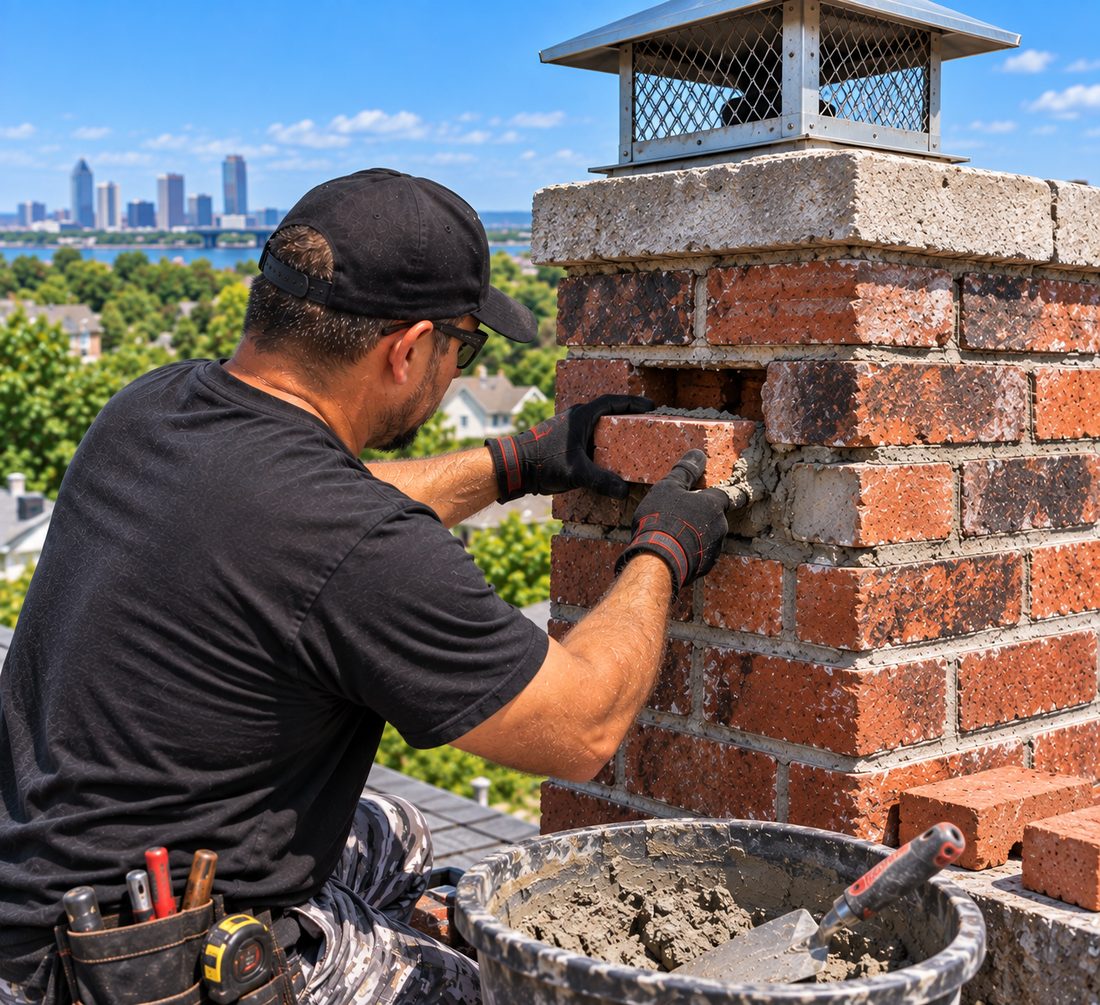
Learn what to watch for on an older St. Louis brick chimney, including mortar wear, water exposure, crown condition, flashing, and when to schedule a masonry evaluation.
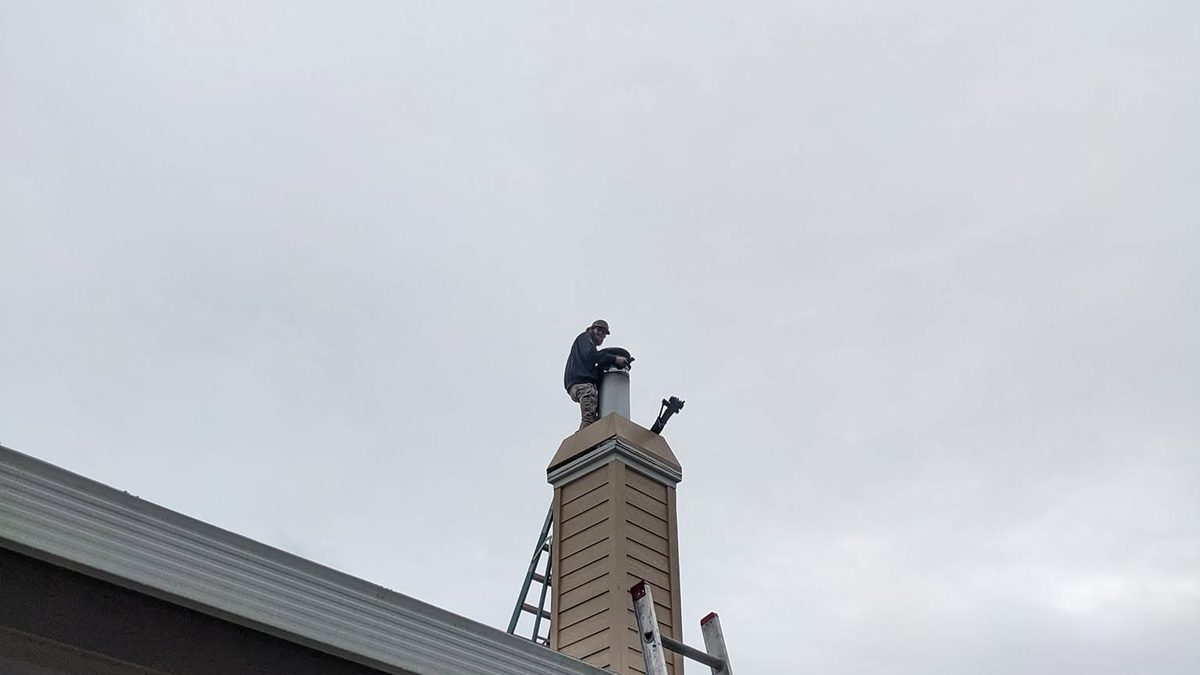
Learn the practical difference between Level 1, Level 2, and Level 3 chimney inspections and why the right level depends on the property and concern.
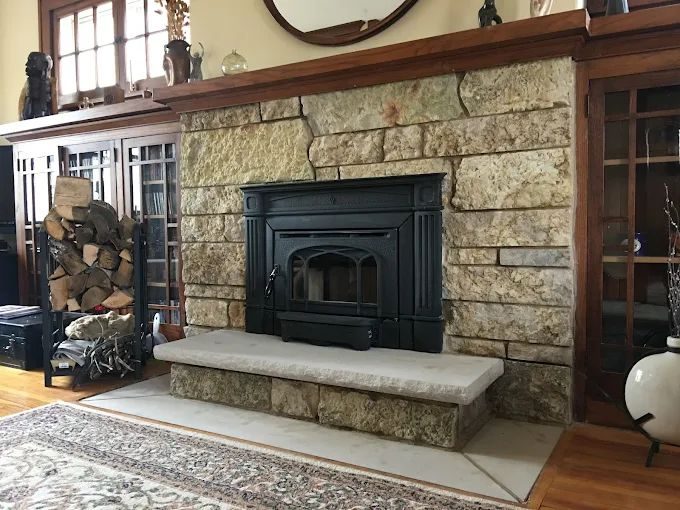
Before installing a fireplace insert, learn why the existing fireplace, dimensions, venting, liner, access, and property requirements need evaluation.
Get in touch
Tell us about your chimney or fireplace and the best number to reach you. Full name, phone, and ZIP are required.