Chimney Inspection Cost in Missouri: What Affects the Visit?
Understand what can affect chimney inspection cost in Missouri, including system type, access, reported concerns, inspection scope, and documentation.
Cleaning & Inspections
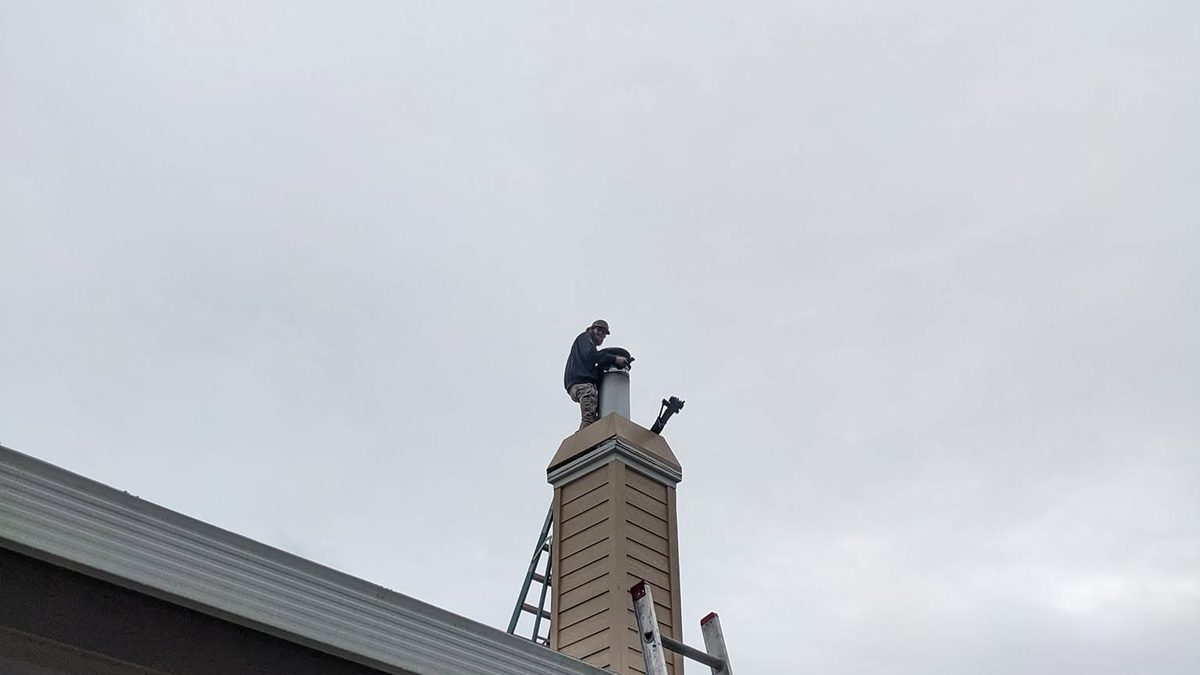
The words Level 1, Level 2, and Level 3 can sound like a simple ranking system, but they are better understood as different inspection scopes. The question is not which level is “best.” The question is which level is appropriate for the way the fireplace or appliance is being used and the concern that needs to be answered.
Using an inspection level correctly helps prevent two mistakes: treating a basic routine visit as if it proves everything about a system, or jumping to an extensive inspection without a reason. A homeowner deserves an explanation of why a particular scope is being recommended before the visit begins.
A Level 1 chimney inspection is generally used for a system that will continue to be used in the same way, with no known change that calls for more extensive evaluation. The review focuses on readily accessible portions of the fireplace, appliance, chimney, and connected areas that can be inspected without unusual access or disassembly.
In practical terms, that may include the firebox, damper, visible flue areas, accessible portions of the chimney, and visible exterior components. The technician also asks about how the system has been used and whether the homeowner has noticed smoke, odor, water, or performance changes.
Level 1 does not mean “quick” or “careless.” It means the scope is focused on accessible conditions and routine use. If a concern appears that cannot be understood within that scope, the right next step is to explain it—not to pretend it was already resolved.
A Level 2 chimney inspection is often discussed when there has been a change in the system or a reason to look more closely. Examples can include a change in appliance, a change in fuel, a known significant event, a real-estate transaction, or a reported condition that needs more than a routine accessible review.
This scope may involve access to additional areas such as the roof, attic, basement, or crawl space when appropriate and safely accessible. It may also include video scanning or other methods that help evaluate portions of the system that are not adequately understood from the fireplace opening alone.
The extra scope is not a judgment that the chimney is bad. It is a way to gather the information necessary to decide how the system should be used or what work, if any, should be considered.
A Level 3 chimney inspection may be appropriate when a significant condition is suspected and the information cannot be obtained through a Level 1 or Level 2 review. The exact work depends on the concern and the property. It can involve targeted access beyond ordinary inspection methods so that a particular question can be answered.
This should never be presented as a generic add-on. If Level 3 work is suggested, the homeowner should understand what concern prompted it, what additional access may be needed, and what information the work is intended to provide. The scope should be planned carefully, especially when walls, finishes, roofs, or built-in components could be involved.
An inspection level determines how information is gathered. It does not determine the repair. A Level 2 inspection might find that routine maintenance is appropriate, while a Level 1 inspection might reveal a visible concern that requires a separate repair conversation. The difference is the reason for the review and the areas that need to be understood.
For example, a homeowner with a simple annual maintenance need may start with Level 1. A buyer evaluating an older house with a fireplace may need a broader view. A homeowner who notices water after a storm may first need an exterior and accessible condition review, then a targeted next step depending on what is found.
Ask why a particular inspection level is being recommended. Ask what parts of the system will be reviewed, whether camera work is planned, what access may be needed, and how findings will be explained. Clear answers are more valuable than an inspection label alone.
Also make sure the technician knows about any changes to the fireplace or appliance, recent repairs, water events, smoke concerns, or history you received from a prior owner. These details help match the scope to the actual situation.
No. A Level 2 inspection is used when the situation calls for a closer scope, such as a system change or a concern that cannot be addressed through a routine accessible review. The reason should be explained before work begins.
Not necessarily, but it is a targeted investigation beyond the usual scope. The amount of work depends on the specific question, construction of the property, and what access is needed to understand the condition responsibly.
Often, yes. Cleaning and inspection are related but distinct. The cleaning scope, inspection level, and any further recommendation should be clearly explained so the homeowner understands what each part of the visit addresses.
If you are unsure which inspection is appropriate for your Missouri property, Mister Chimney can start with the reason for your call and recommend a sensible scope. Request a Level 1 chimney inspection or ask about a broader evaluation when the situation calls for it.
How we can help
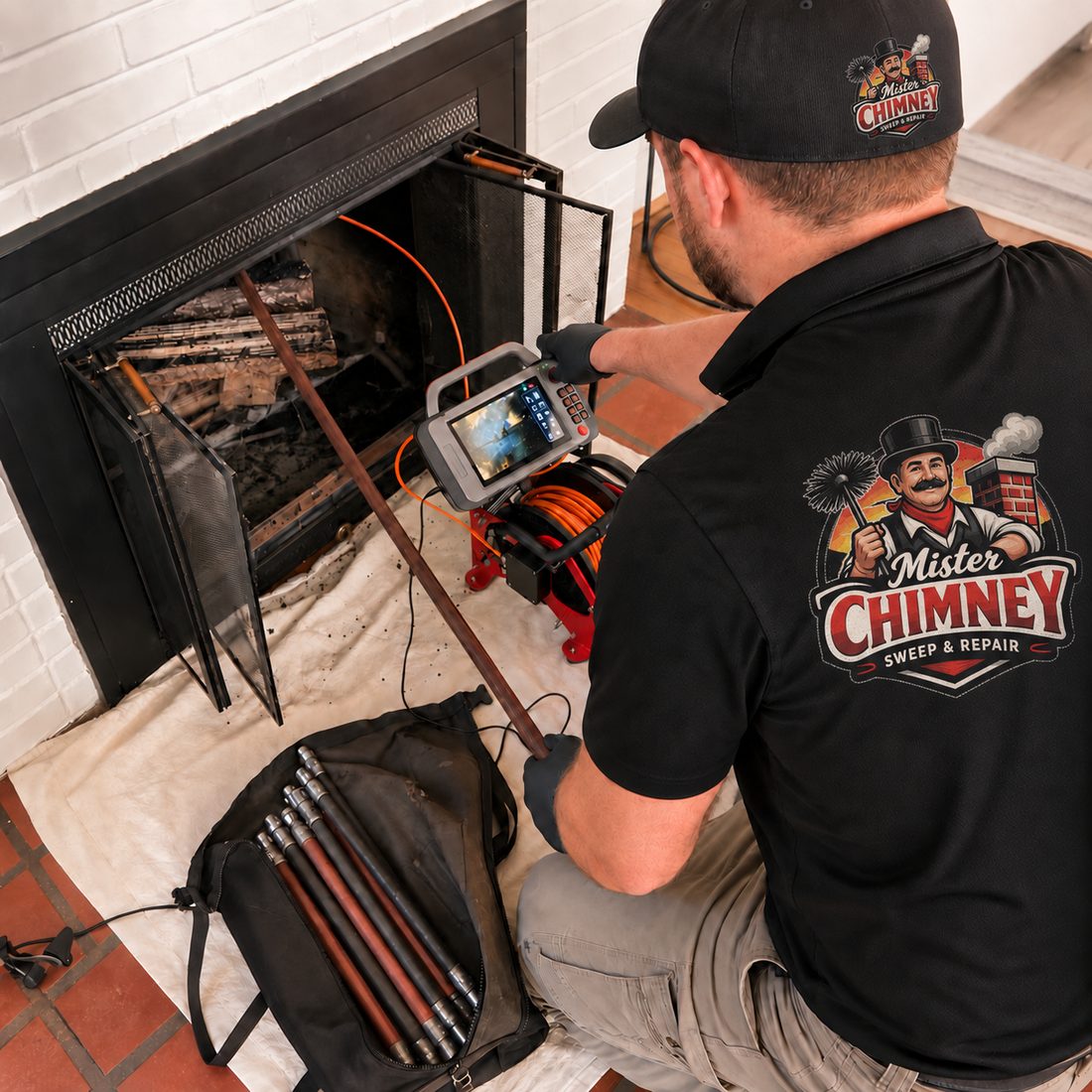
The standard annual check of the readily accessible parts of a system in use.
Learn about Level 1 Chimney Inspection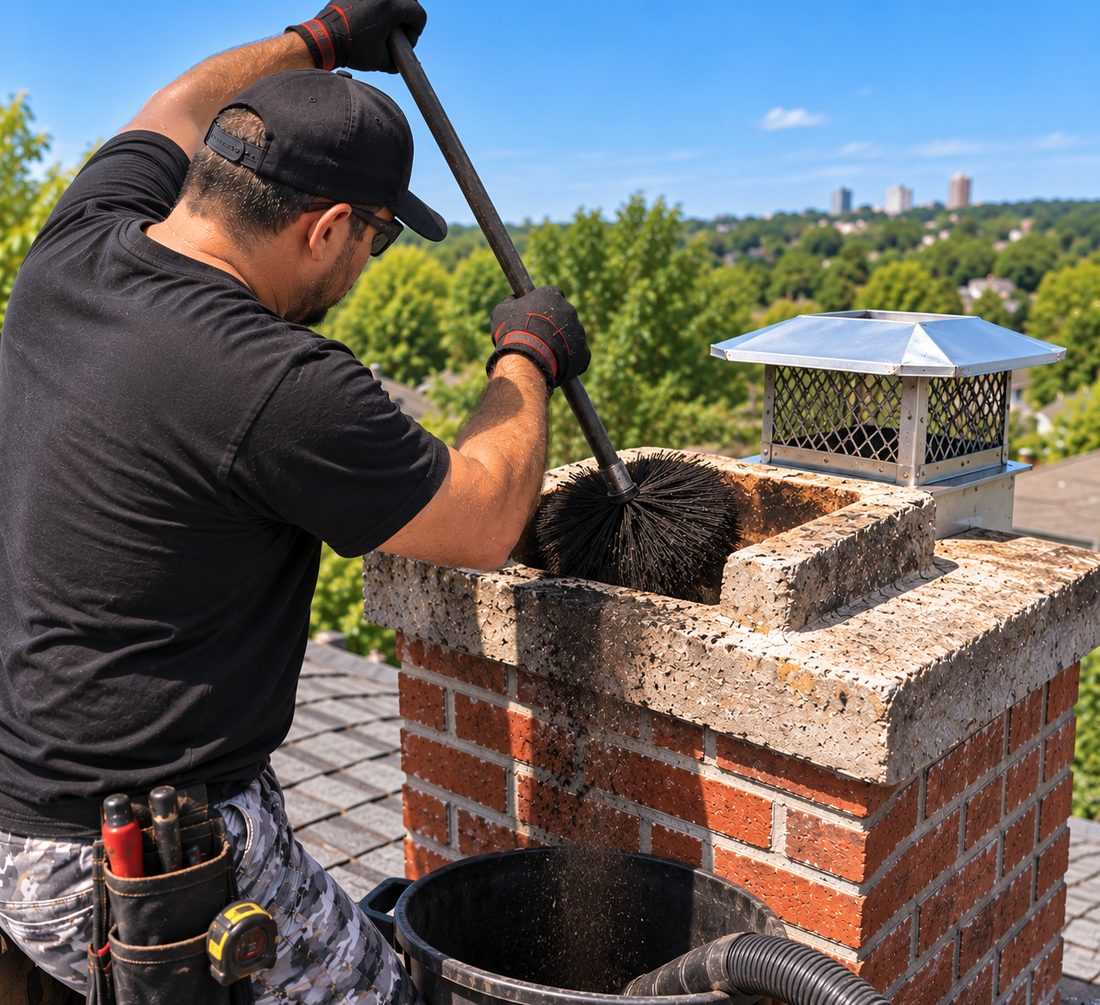
Removing soot and creosote so a flue can vent the way it was designed to.
Learn about Chimney Cleaning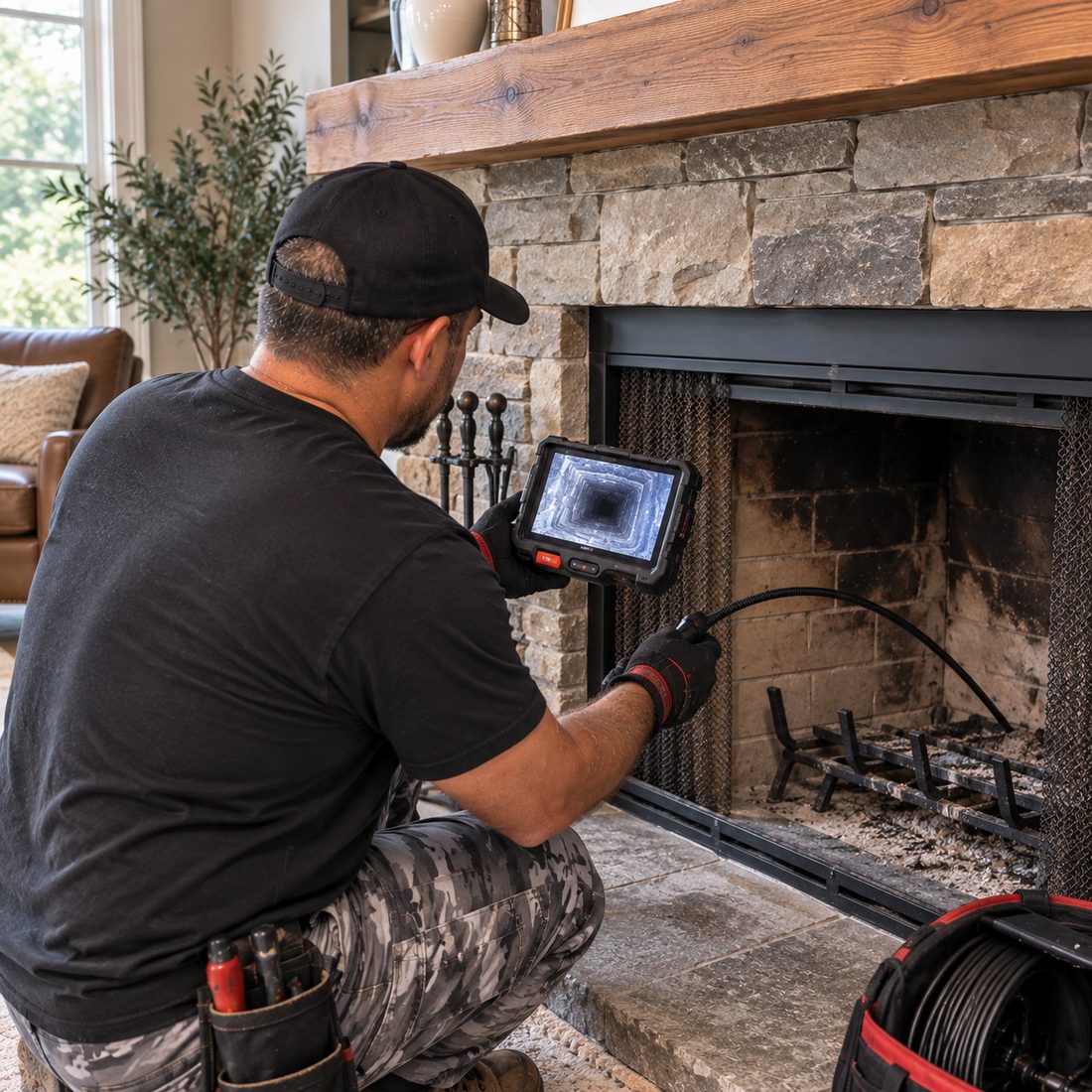
A structured look at the flue, firebox, and exterior to document the system's condition.
Learn about Chimney InspectionKeep reading
Understand what can affect chimney inspection cost in Missouri, including system type, access, reported concerns, inspection scope, and documentation.
Buying an older St. Louis home with a fireplace? Learn what condition questions to ask about the chimney, masonry, liner, moisture, use history, and inspection scope.
Learn which fireplace changes should prompt you to stop using the system and arrange a chimney or fireplace inspection before the next fire.
Get in touch
Tell us about your chimney or fireplace and the best number to reach you. Full name, phone, and ZIP are required.