Why Smoke Can Enter the Room When You Use a Fireplace
Smoke entering a room from a fireplace can have several causes. Learn what to do immediately, what details matter, and why an inspection is the right next step.
Missouri Seasonal & Property Care
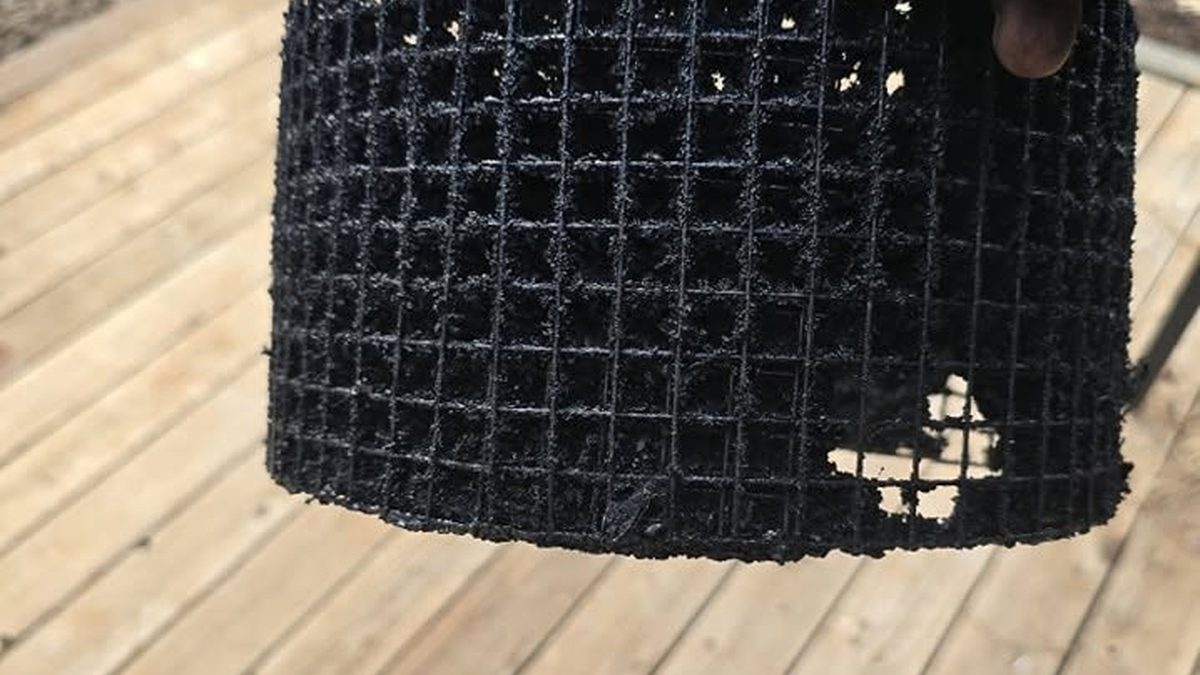
Most fireplace concerns do not begin with an emergency. They begin with a change: smoke enters the room, the damper is hard to move, an odor appears after rain, water shows up near the hearth, material falls into the firebox, a gas appliance behaves differently, or a system has been unused for a long time.
Those are moments to pause. Continuing to use a fireplace when something has changed can make the condition harder to evaluate and may create avoidable risk. The right step is to stop using the system until the concern is understood through an appropriate chimney inspection or appliance-specific service visit.
Smoke entering the room is one of the clearest reasons to stop. The cause may involve the damper, flue, smoke chamber, liner, obstruction, fuel, draft, or another condition. It is not something to solve by burning a larger fire, forcing a control, or repeatedly testing the system.
Once the fireplace is cool, note when the smoke occurred, what the weather was like, and whether the issue happened at start-up or throughout use. This helps the technician evaluate the system more efficiently.
Water in the firebox, a new stain near the fireplace, rust, a damp smell after rain, or peeling paint around the chimney path can indicate moisture exposure. The source could be a crown, cap, flashing, masonry, chase cover, roof transition, or another building component.
Do not light the fireplace to dry it out and do not cover the stain with paint before the condition is documented. Arrange an evaluation to identify what is accessible and likely contributing to the symptom.
Loose brick, cracked firebox material, falling debris, a damaged cap, animal activity, a disconnected panel, or a damper that will not operate normally all deserve attention. Do not remove nesting material by lighting a fire, reach into hidden chimney areas, or try to reattach roof-level components without proper access.
For a gas fireplace, unfamiliar odor, visible damage, an operating change, or a concern with ignition or controls should also mean “pause and evaluate.” Gas systems need appliance-specific service and should not be treated like a wood-burning hearth.
If you just purchased a home, inherited a property, completed a renovation, changed appliances, or have a fireplace that has sat unused for years, do not assume it is ready for a fire. The system may look fine from the room while the condition of the chimney, liner, cap, or exterior components remains unknown.
An inspection is not about making every home owner fear their fireplace. It is about creating enough information to use the system responsibly. The outcome may be routine maintenance, a focused repair, additional evaluation, or a clear plan for future use.
Leave the fireplace cool and untouched. Take photos of visible concerns, record when the issue occurred, and make the area accessible for a technician. Tell the office what type of system you have and what has changed. If there is an immediate emergency involving gas, fire, or smoke, use the appropriate emergency resources first.
For non-emergency condition questions, Mister Chimney can review accessible components, explain what is visible, and discuss the next step before any repair is recommended.
No. Smoke in the room is a change that should be evaluated before further use. The amount of smoke does not identify the cause, and repeated use can make the situation harder to assess.
Arrange an inspection before use. Nonuse can leave unanswered questions about moisture, debris, animals, appliances, and exterior components.
Yes. Do not attempt to adjust or repair a gas appliance yourself. Arrange professional service based on the exact appliance and reported change.
When a fireplace has a new symptom or unknown condition, choose information before use. Request a chimney inspection with Mister Chimney in St. Louis or Kansas City and get a clear explanation of the next step.
How we can help
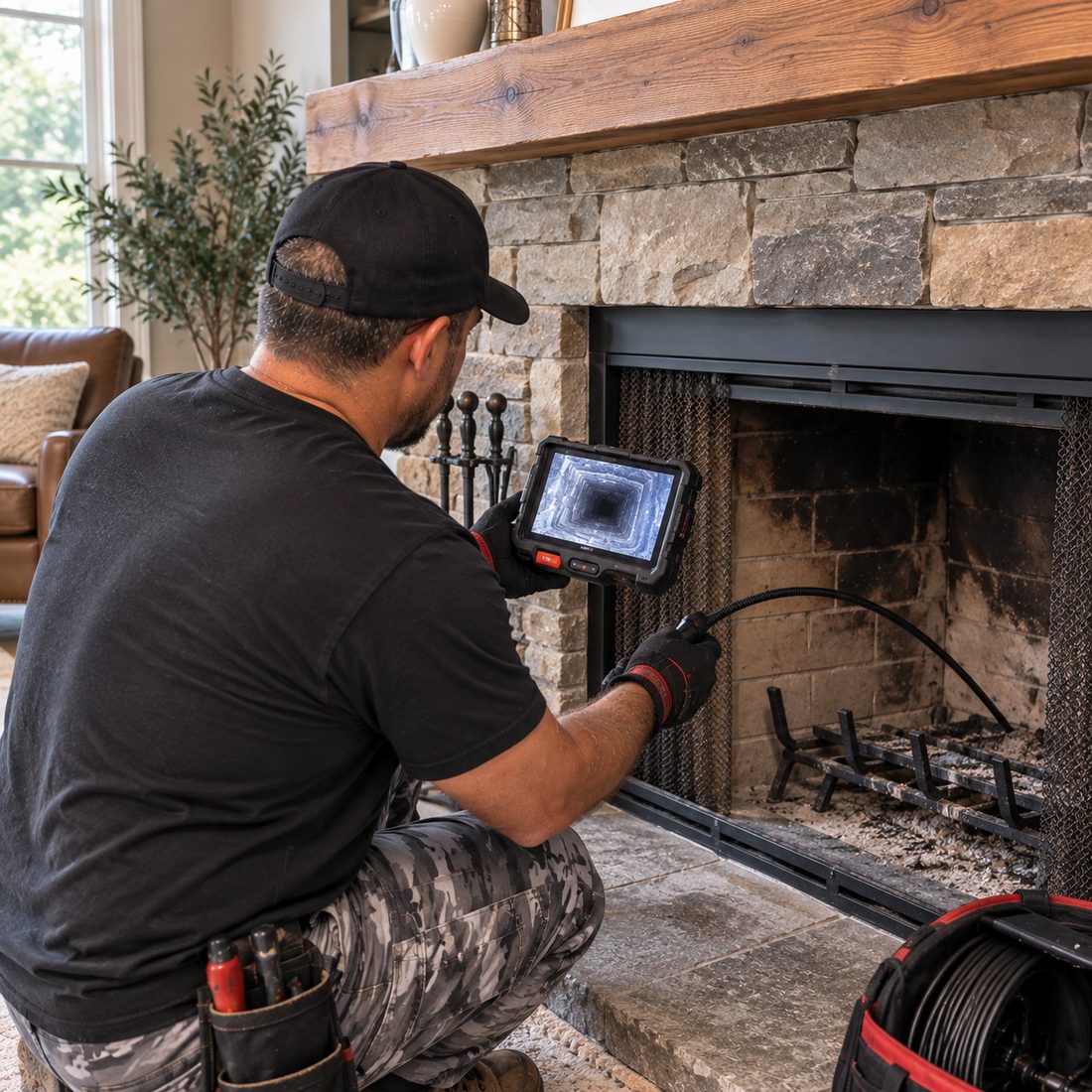
A structured look at the flue, firebox, and exterior to document the system's condition.
Learn about Chimney Inspection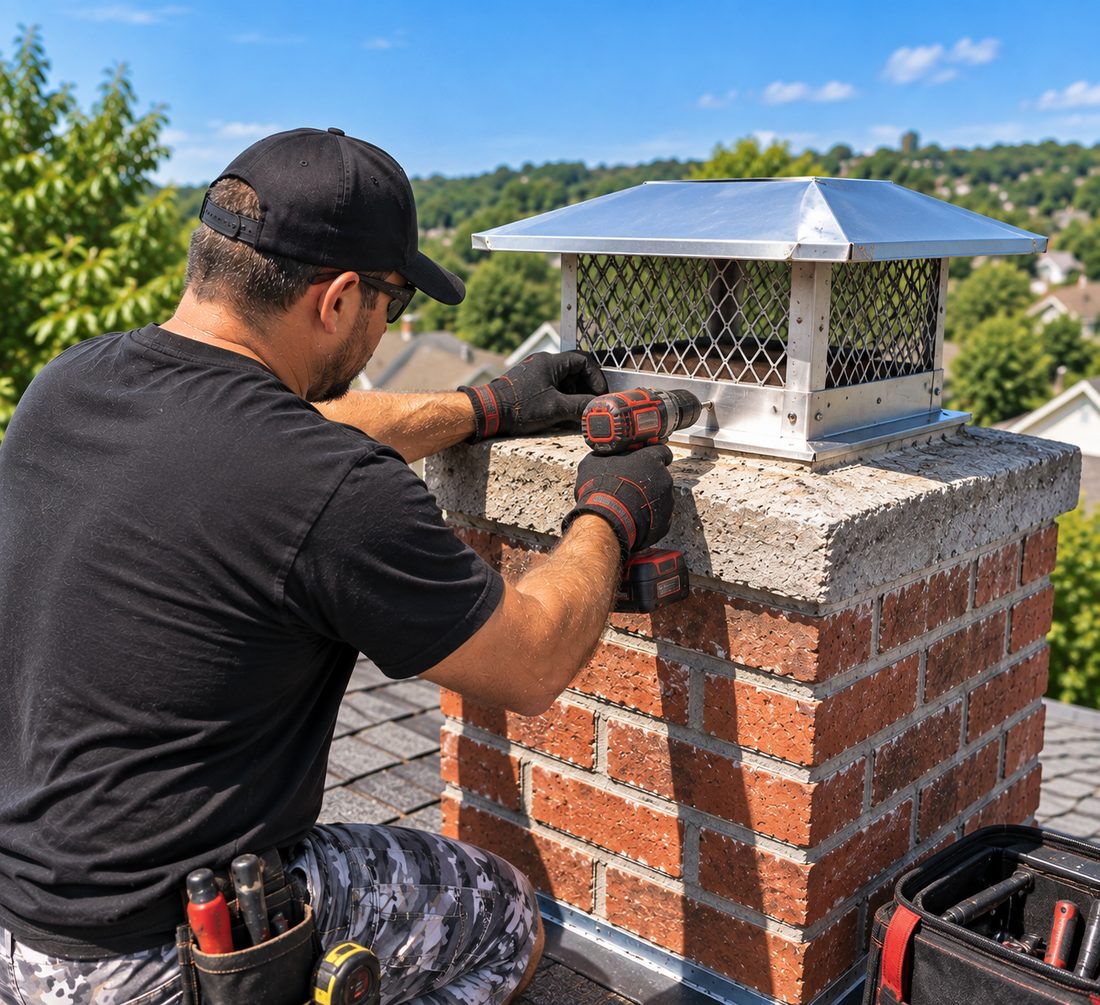
Fitting the flue cover that keeps rain, animals, and embers where they belong.
Learn about Chimney Cap Installation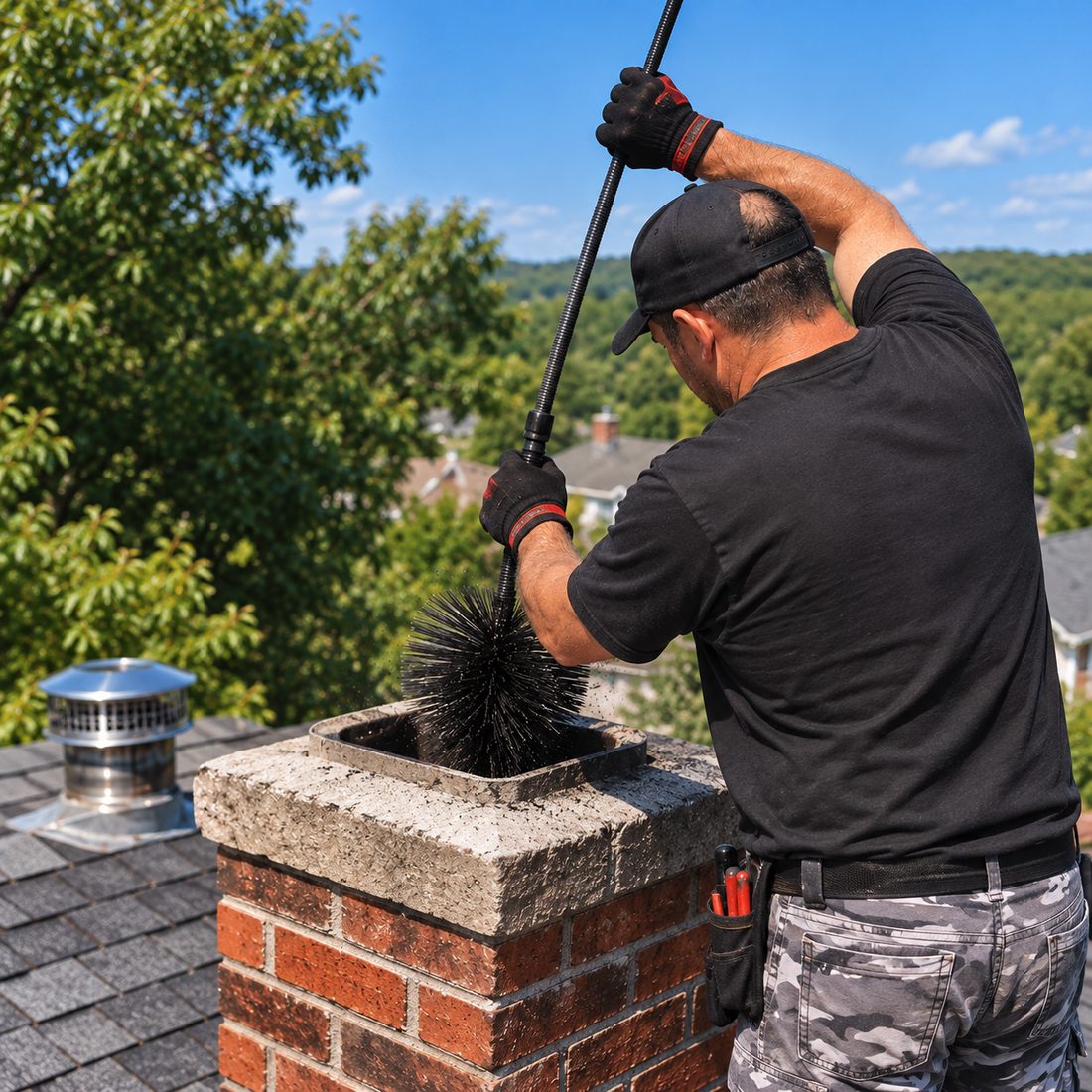
A practical seasonal check to keep a fireplace ready and catch problems early.
Learn about Fireplace MaintenanceKeep reading
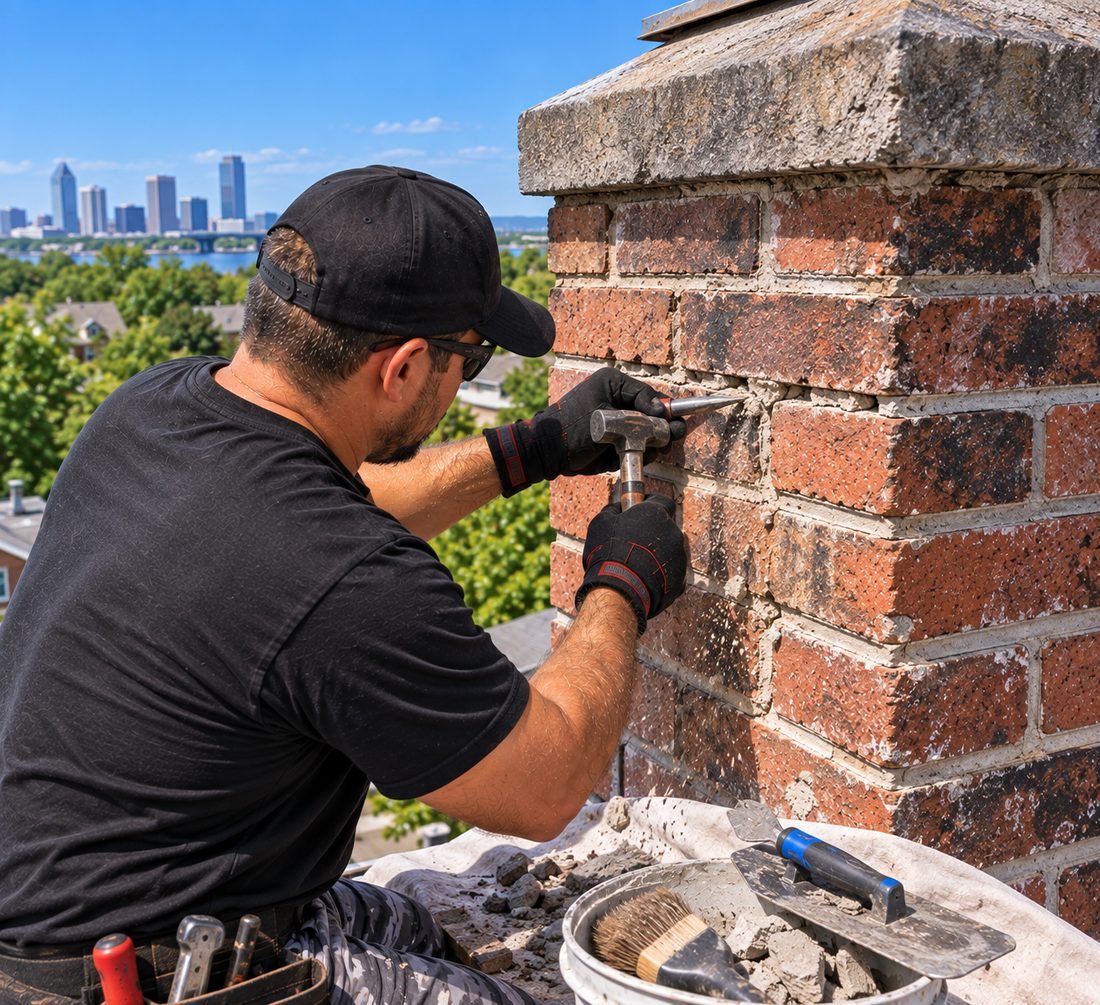
Smoke entering a room from a fireplace can have several causes. Learn what to do immediately, what details matter, and why an inspection is the right next step.
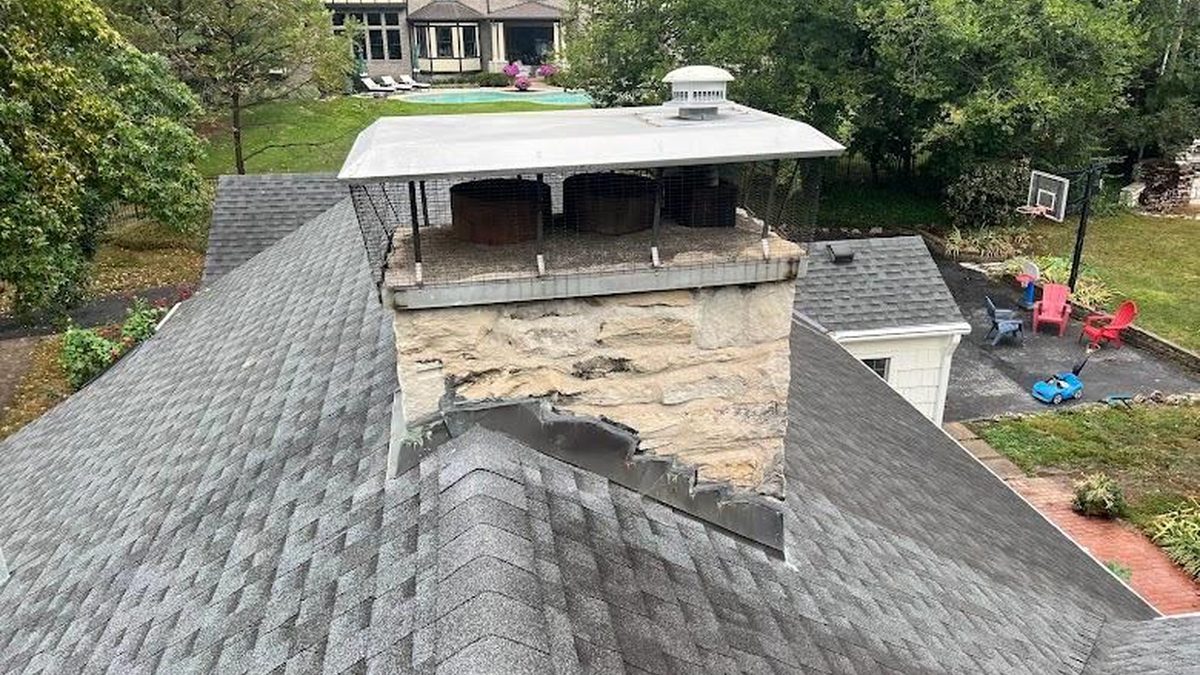
After a heavy rain or windstorm, learn what homeowners can safely observe around a chimney or fireplace and when to schedule a professional evaluation.
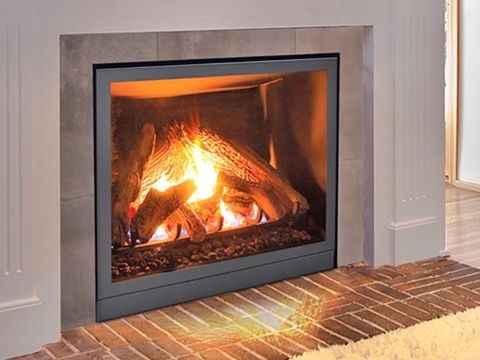
Learn what changes in a gas fireplace may call for professional service, why appliance-specific evaluation matters, and what homeowners should avoid doing.
Get in touch
Tell us about your chimney or fireplace and the best number to reach you. Full name, phone, and ZIP are required.