
Does a Gas Fireplace Need a Chimney?
Gas fireplaces use different venting designs. Learn why whether a gas fireplace needs a chimney depends on the specific appliance and installation.
Fireplace, Flue & Venting
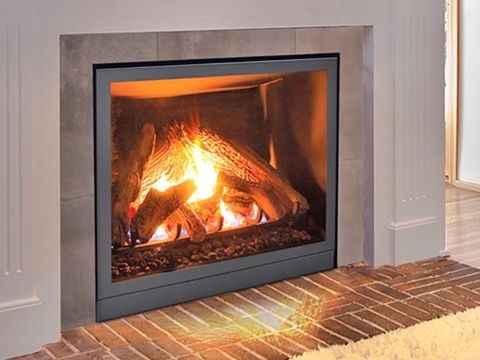
A gas fireplace can look simple from the room: a switch, a control, a glass front, and a familiar flame pattern. Behind that appearance is an appliance with specific components, controls, venting, and manufacturer instructions. If the system starts behaving differently, the right response is not to guess at the cause or take the appliance apart.
Professional service is appropriate whenever a gas fireplace has an operating change, unfamiliar odor, visible damage, a concern with ignition or shutoff behavior, a change in flame appearance, or a venting question. Those signs do not all point to the same repair, but they are reasons to stop and evaluate the appliance before continued use.
Homeowners may notice that the fireplace will not start, turns off unexpectedly, has a flame that looks different from normal, produces unusual soot patterns, makes a new sound, or has a control that no longer responds as expected. Glass, logs, panels, and surrounding finishes can also show visible changes.
The important thing is to describe what changed rather than trying to name the failed part. A technician needs to know the make and model when available, how the fireplace was being used, whether it has been serviced before, and when the symptom began. That information supports a more focused gas fireplace repair visit.
Gas fireplaces, gas inserts, and gas log systems are not interchangeable. They may have different venting arrangements, control systems, and component requirements. A method that is appropriate for a wood-burning fireplace may be unsafe or unsuitable for a gas unit.
Do not move logs, alter a burner, cover vents, bypass a switch, remove a panel, or attempt to modify the venting path. If the manufacturer’s manual is available, use it only for normal operation and basic owner guidance. Any service question beyond that should be handled by a qualified professional familiar with the appliance and applicable local requirements.
Some gas fireplaces use a venting system that is visible at the roofline or exterior wall. Others use a chimney or liner arrangement. The condition of the venting path, cap, termination, chase, and accessible connectors can be relevant to a reported issue.
If a fireplace has had roof work, a storm, water exposure, remodeling nearby, or a long period of nonuse, mention that during service scheduling. These details may not be the cause, but they help the technician understand what changed around the appliance.
The visit should begin with the reported symptom, the specific appliance, and accessible observations. The technician should explain what was found, what needs further evaluation, and what repair or maintenance options may be appropriate. If parts, manufacturer information, or a separate scope are needed, the homeowner should understand that before work proceeds.
Mister Chimney does not treat a gas fireplace issue as a one-word diagnosis. We review the appliance and its accessible system, explain the findings, and recommend work only when the condition supports it.
Do not continue using an appliance with an unfamiliar odor or change in operation until it has been evaluated. Follow the manufacturer’s safety instructions and contact the appropriate emergency resource if you believe there is an immediate gas-related emergency.
A change in flame appearance can have several causes related to the appliance, logs, burner, controls, or venting. It should be evaluated in the context of the specific unit rather than adjusted by the homeowner.
Follow only the owner-level maintenance instructions for your exact appliance. Do not disassemble components, move logs, or alter controls if you are unsure. Professional service is appropriate when the fireplace has a performance concern.
For a gas fireplace that is not operating as expected in St. Louis or Kansas City, request gas fireplace repair with Mister Chimney. We will review the accessible appliance and explain the appropriate next step.
How we can help
Diagnosing why a gas fireplace won't light, stay lit, or run cleanly, and correcting it.
Learn about Gas Fireplace Repair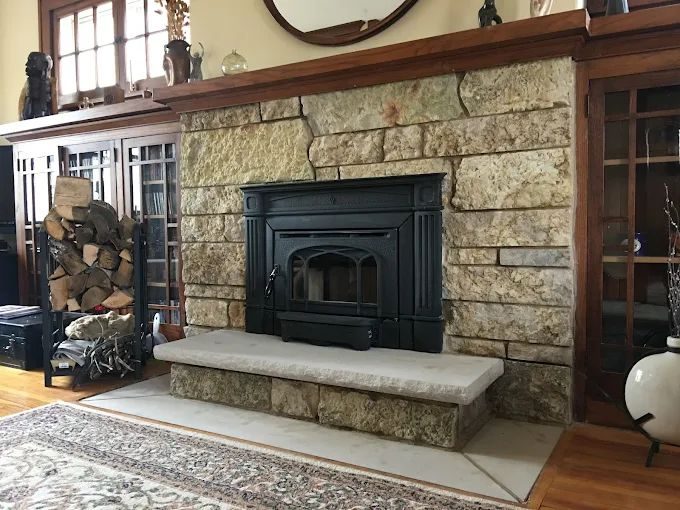
Fitting an efficient sealed insert into an existing fireplace opening.
Learn about Fireplace Insert Installation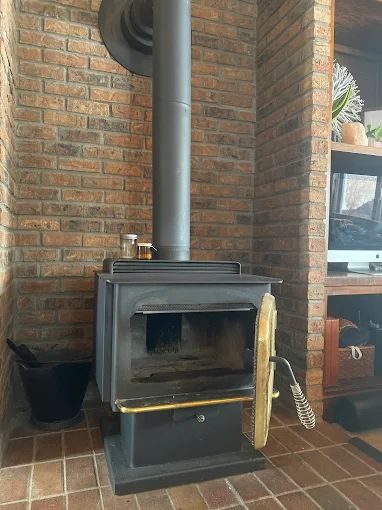
Setting a wood stove with correct clearances, hearth protection, and venting.
Learn about Wood Stove InstallationKeep reading
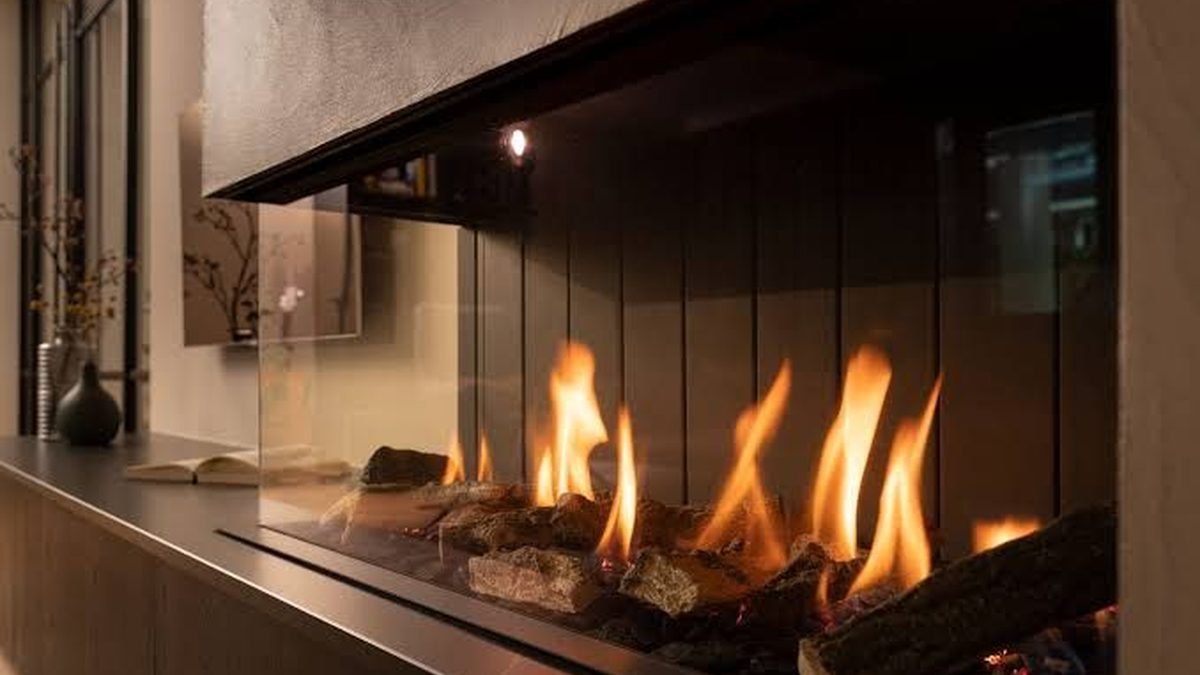
Gas fireplaces use different venting designs. Learn why whether a gas fireplace needs a chimney depends on the specific appliance and installation.
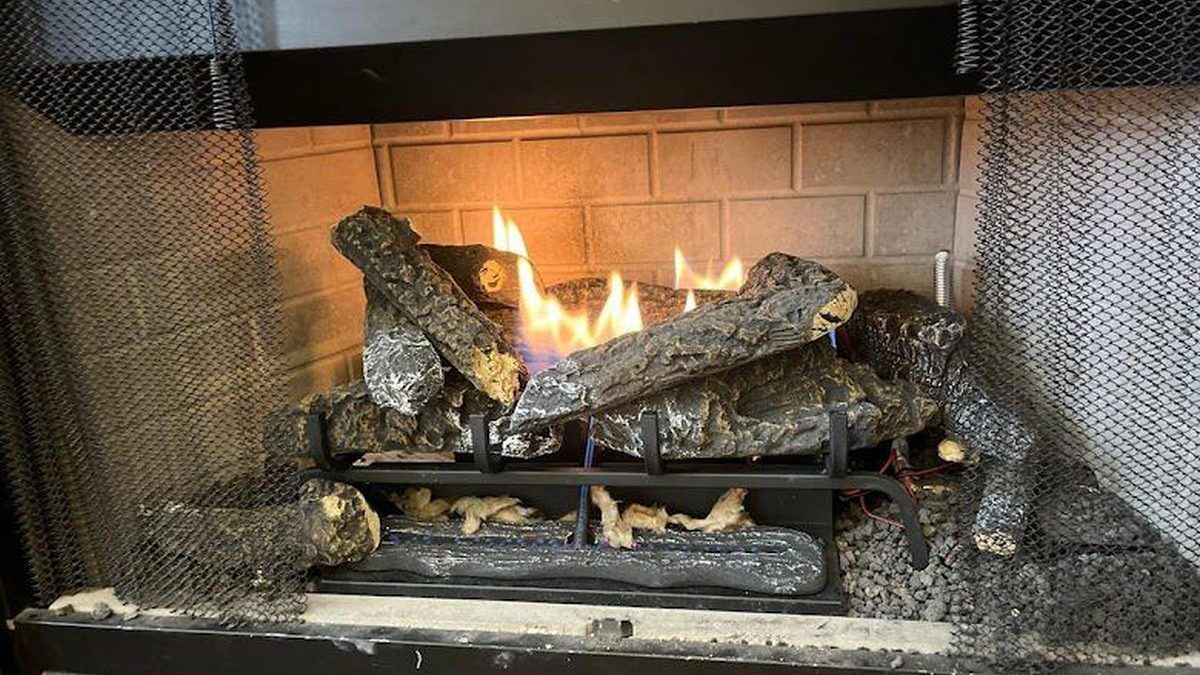
Before installing gas logs, learn why the existing fireplace, venting, fuel supply, appliance instructions, and property requirements must be evaluated.
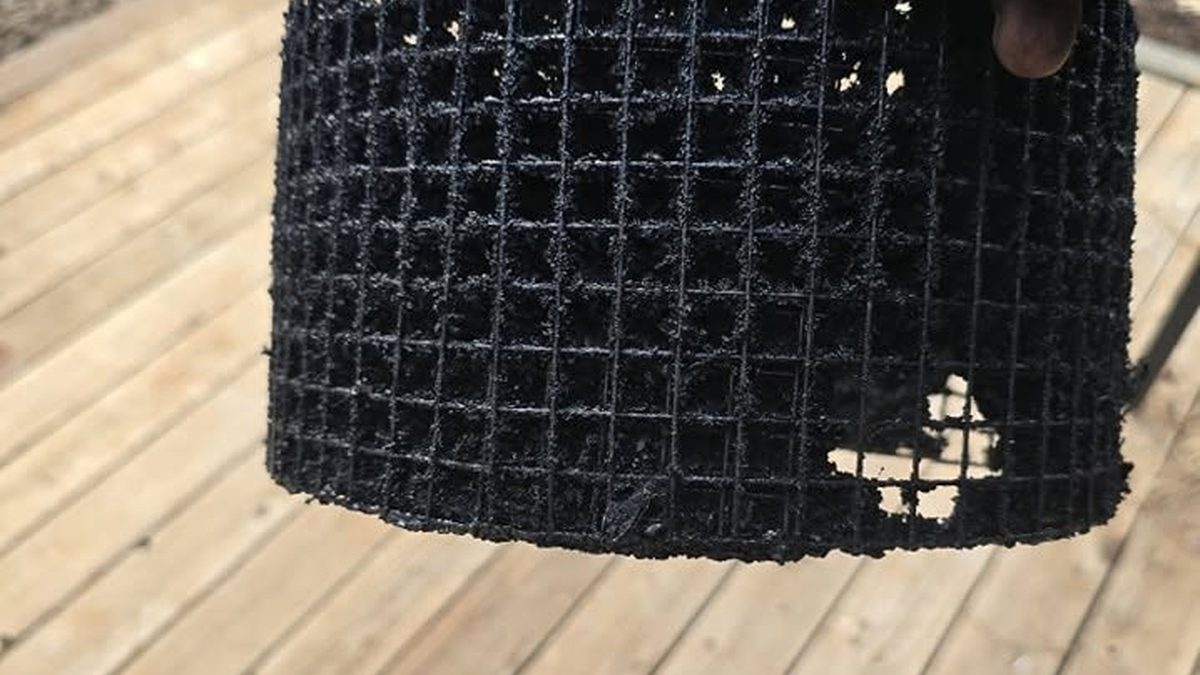
Learn which fireplace changes should prompt you to stop using the system and arrange a chimney or fireplace inspection before the next fire.
Get in touch
Tell us about your chimney or fireplace and the best number to reach you. Full name, phone, and ZIP are required.