
When a Gas Fireplace Needs Professional Service
Learn what changes in a gas fireplace may call for professional service, why appliance-specific evaluation matters, and what homeowners should avoid doing.
Fireplace, Flue & Venting
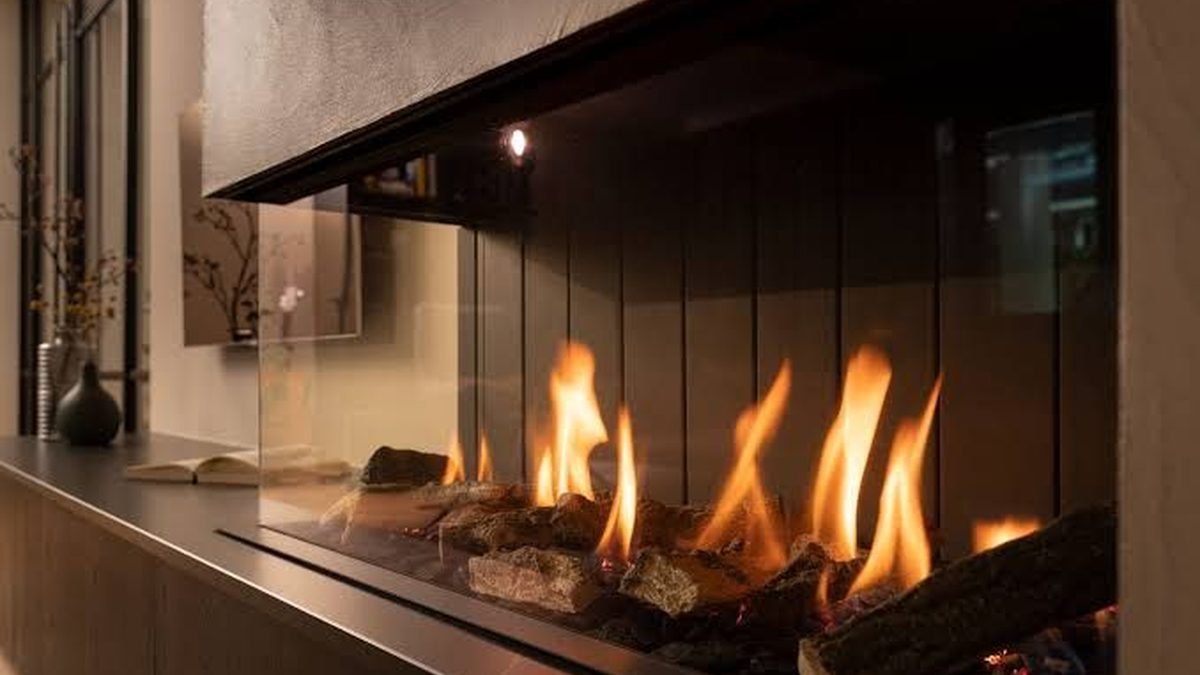
The short answer is: it depends on the gas fireplace. Some gas appliances use a chimney or vertical venting path, some use direct venting through a wall or roof, and some use other approved designs. The appliance model, installation instructions, existing venting, and local requirements all matter.
That is why a homeowner should never assume that an existing masonry chimney can be used for any gas fireplace, or that a gas fireplace is maintenance-free because it does not burn wood. Gas appliances and their venting systems need property-specific evaluation before installation, conversion, or repair decisions are made.
There are different categories of gas fireplaces, inserts, and log systems. They can use different venting methods and have different installation requirements. A fireplace that looks like a traditional wood-burning unit from the living room may have a very different system behind the wall or above the firebox.
The correct information comes from the appliance documentation and an evaluation of the property. A generic online answer cannot determine whether a specific gas unit may use an existing chimney, needs a liner, requires direct venting, or is suitable for the existing fireplace.
If a homeowner is considering a wood-to-gas fireplace conversion or gas log installation, the existing fireplace and chimney should be assessed first. The condition of the firebox, flue, liner, damper, cap, and venting path may all be relevant.
An older chimney may have liner or moisture conditions that need attention before it can be considered in a new configuration. A masonry fireplace may be suitable for a particular option only after specific work is planned. The system should be evaluated on site and in accordance with applicable local requirements, not assumed to be compatible because it has a chimney.
Gas systems can develop operational changes, visible component wear, odors, ignition concerns, or venting questions. They should be maintained and evaluated according to the appliance’s instructions and the condition observed. If a gas fireplace has stopped operating normally, do not disassemble it, bypass a control, or try to alter its venting.
Gas fireplace repair begins with the specific appliance and the concern reported. The technician can review accessible components, explain what is observed, and identify whether a repair, maintenance step, or further evaluation is appropriate.
Know the make and model of the appliance if possible, keep the documentation, and report changes in operation promptly. Do not use a gas fireplace if there is an unfamiliar odor, damage, a venting concern, or an issue with operation until it has been evaluated. Follow the manufacturer’s directions and contact a qualified professional when something changes.
The goal is not to make every gas fireplace fit one description. It is to treat the actual appliance and its venting system as the specific equipment it is.
No. Gas log installation needs property-specific evaluation of the existing fireplace, venting, fuel supply, appliance instructions, and applicable requirements. Do not assume a wood-burning firebox is automatically ready for gas logs.
Gas systems have different maintenance needs, but they still require condition-focused service. The appliance, accessible venting, glass, components, and operation should be evaluated as appropriate for the system.
It depends on the appliance and the condition and configuration of the existing chimney. An on-site assessment is required before a conversion or installation is planned.
If you have questions about gas fireplace venting, operation, or conversion in St. Louis or Kansas City, Mister Chimney can help you start with the actual system. Request gas fireplace repair or an on-site evaluation before making changes.
How we can help
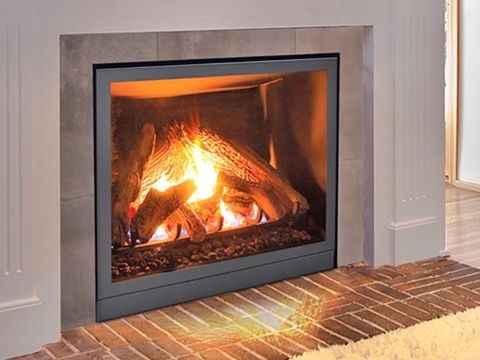
Diagnosing why a gas fireplace won't light, stay lit, or run cleanly, and correcting it.
Learn about Gas Fireplace Repair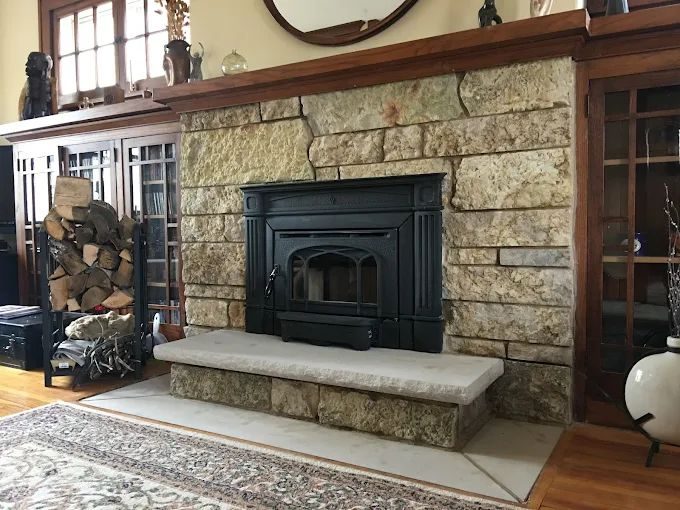
Fitting an efficient sealed insert into an existing fireplace opening.
Learn about Fireplace Insert Installation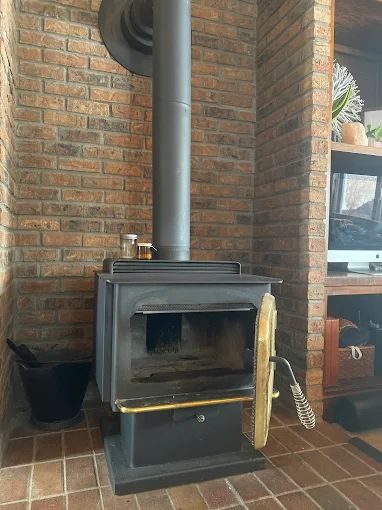
Setting a wood stove with correct clearances, hearth protection, and venting.
Learn about Wood Stove InstallationKeep reading
Learn what changes in a gas fireplace may call for professional service, why appliance-specific evaluation matters, and what homeowners should avoid doing.
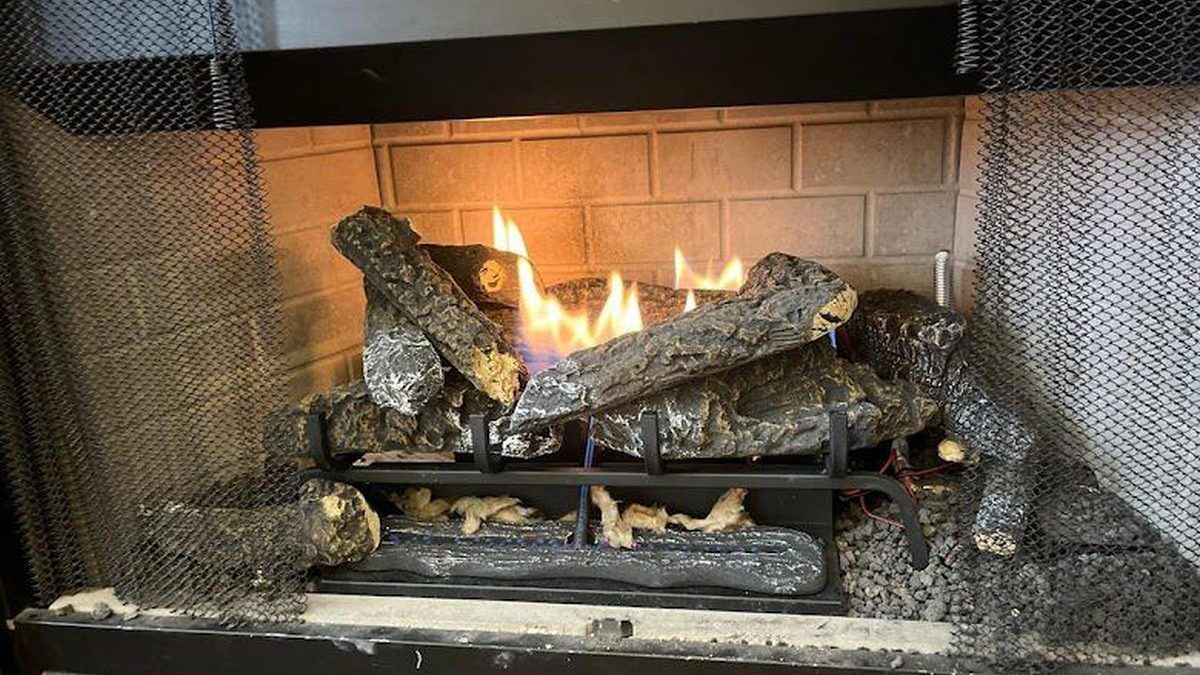
Before installing gas logs, learn why the existing fireplace, venting, fuel supply, appliance instructions, and property requirements must be evaluated.
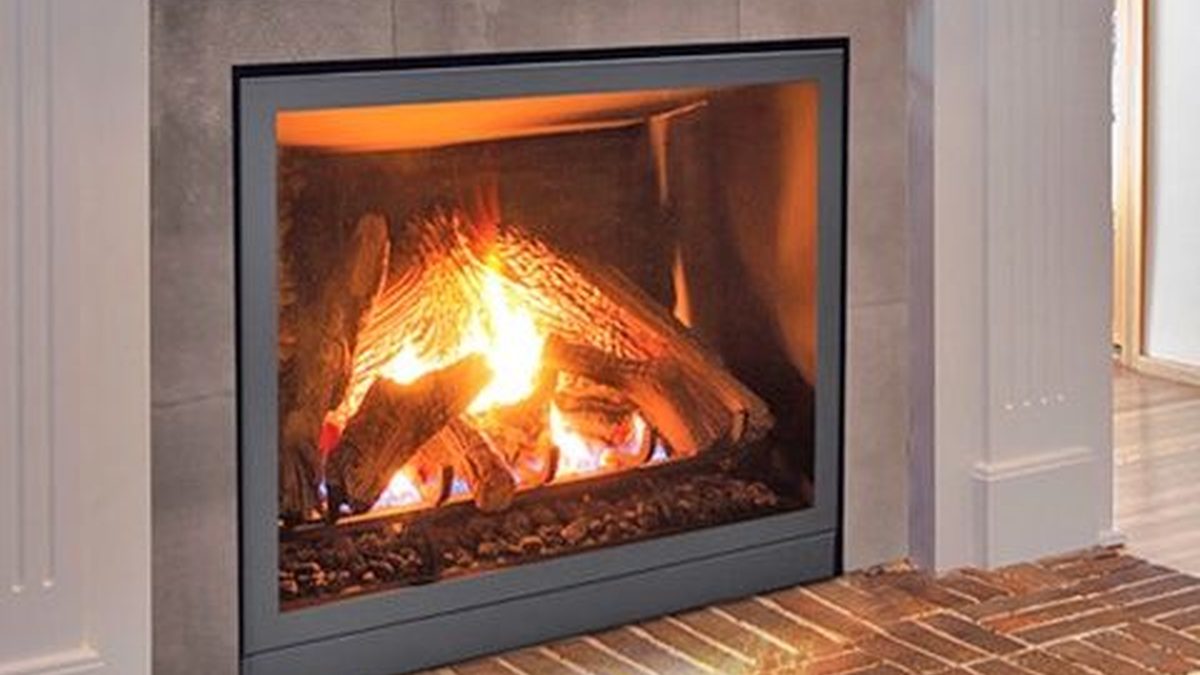
Considering a wood-to-gas fireplace conversion? Learn the property-specific questions to answer about fireplace type, venting, condition, fuel, and installation scope.
Get in touch
Tell us about your chimney or fireplace and the best number to reach you. Full name, phone, and ZIP are required.