
Stoves
Wood Stove Installation
A wood stove is an efficient, independent heat source, but it is also an appliance with real requirements: safe clearances to combustibles, proper hearth protection, and a correctly sized and routed flue. A good installation is defined as much by those details as by the stove itself, because that is what keeps it operating safely.
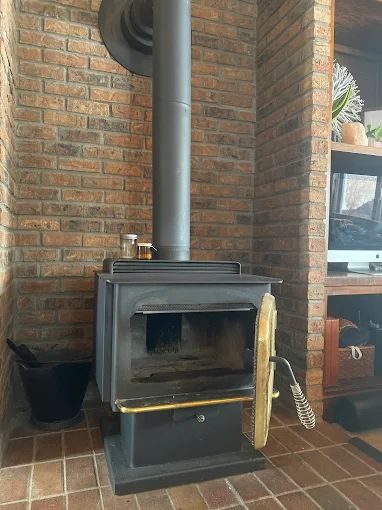
What a proper installation accounts for
A wood stove must sit at safe distances from walls, furniture, and other combustibles, on hearth protection rated for the stove, and vent through a flue that is the right size and configuration for the unit. Clearances and hearth requirements come from the stove's listing and applicable requirements, not guesswork, and they vary by model.
Getting these details right is the difference between a stove that heats reliably for years and one that creates a hazard, so they are the core of the job.
Connecting to the chimney
The stove connects to a flue sized for its output. In an existing masonry chimney that often means installing a correctly sized liner; a new install may use a listed factory-built chimney system. Matching the venting to the stove is essential for good draft and safe operation, and a flue that is too large or too small causes problems either way.
We assess your space, the intended location, and the venting options, then install to the stove's requirements. Code and permit requirements are determined for the property, since stove installation is commonly subject to them.
Burning and maintaining it well
A wood stove rewards good habits: seasoned wood, hot clean fires rather than long smoldering ones, and a yearly inspection and cleaning of the flue. Even an efficient stove produces creosote, so the venting needs regular attention to keep drawing well and burning safely.
Plan a wood stove install around
- Safe clearances to walls and combustibles
- Proper hearth protection for the stove
- A correctly sized and routed flue
- The stove's listing and applicable requirements
- The right location in the room
- Local permit and code requirements
Installation includes
- Assessing the space and intended location
- Confirming clearances and hearth protection
- Connecting to a suitable, correctly sized flue
- Installing a liner or listed chimney system as needed
- Setting the stove to its requirements
- Any permit and code requirements for the property
Serving St. Louis & Kansas City
We provide wood stove installation across both of our home regions — the St. Louis metro, including the Metro East communities in Illinois, and the Kansas City metro on both the Missouri and Kansas sides — generally within about 65 miles of each city. Wherever you are, the approach is the same: we look at the actual system on site, explain what we find in plain terms, and lay out the options before any work begins. We use cautious, honest language about what we can and can't determine, and we don't quote a price or promise a fix for a problem we haven't assessed in person. Each metro has its own direct phone number, so you always reach the right place, and we're available around the clock to take your call and get you on the schedule.
A stove project depends on the unit, the room and intended location, required clearances and hearth protection, the venting route, and local permit and code requirements — determined for the property rather than assumed.
Keeping ahead of it
A stove rewards good habits: seasoned fuel, hot clean fires rather than long smoldering ones, and a yearly inspection and cleaning of the venting. Even an efficient stove produces buildup, so the flue needs regular attention to keep drawing well and burning safely through the heating season.
Questions
Wood Stove Installation FAQs
Can I put a wood stove anywhere in my house?
No. It needs safe clearances to combustibles, proper hearth protection, and a suitable flue route. We assess your space to find a location that meets the stove's requirements.
Do I need a permit to install a wood stove?
Wood stove installation is commonly subject to permit and code requirements, which depend on your location and setup. We determine what applies for your property.
Can a wood stove connect to my existing chimney?
Often yes, typically with a correctly sized liner. We confirm the chimney is suitable and install the right venting for your stove.
Do you service both St. Louis and Kansas City?
Yes. This is one of the services we provide across both the St. Louis and Kansas City metro areas, each with its own direct phone number. Call the number for your area and we'll take it from there.
St. Louis metro
Wood Stove Installation near St. Louis
Available across the St. Louis service area, including:
Kansas City metro
Wood Stove Installation near Kansas City
Available across the Kansas City service area, including:
24/7 service
Need wood stove installation? Let’s talk.
Choose your area and we’ll take it from there. Available 24/7.
Get in touch
Request wood stove installation
Tell us about your chimney or fireplace and the best number to reach you. Full name, phone, and ZIP are required.
- Available 24/7 to take your call and schedule a visit.
- We assess the system on site and explain options before any work.
- Serving the St. Louis and Kansas City metro areas.