
Does a Gas Fireplace Need a Chimney?
Gas fireplaces use different venting designs. Learn why whether a gas fireplace needs a chimney depends on the specific appliance and installation.
Fireplace, Flue & Venting
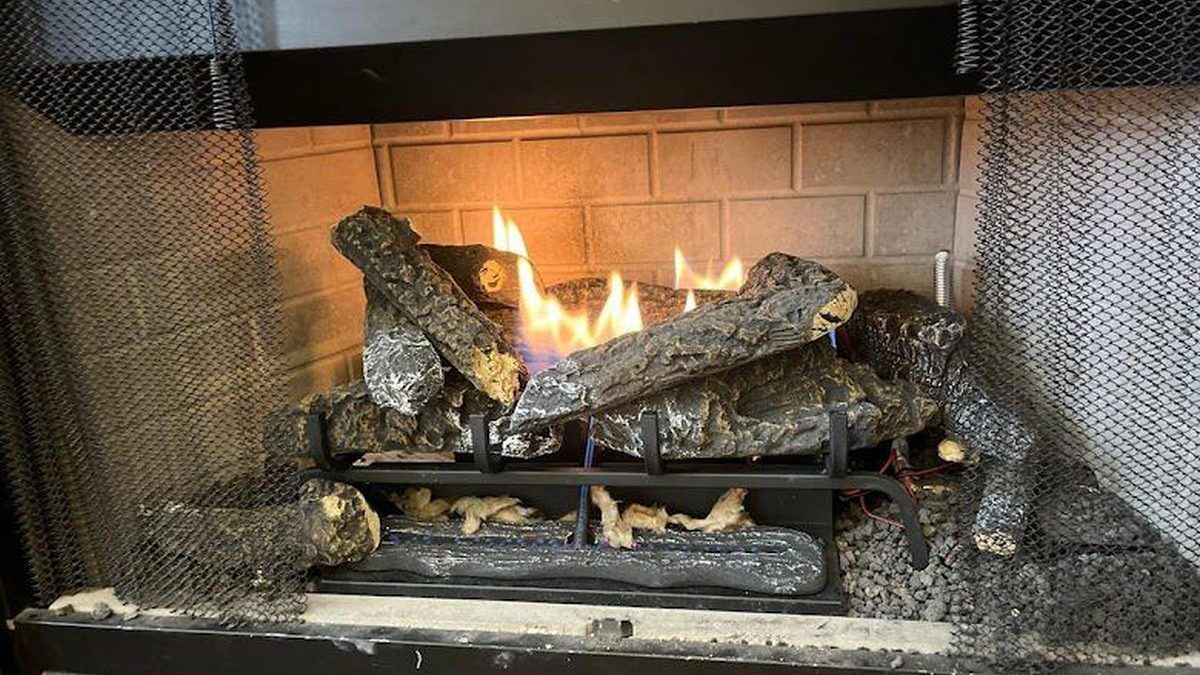
Gas logs can change how a fireplace is used, but they are not a decorative accessory that can be placed in any firebox without planning. The existing fireplace, fuel supply, venting path, appliance instructions, and condition of the chimney all need to be considered before an installation is scheduled.
The right starting point is an on-site evaluation. A wood-burning fireplace may have a damper, liner, firebox, or moisture condition that affects what is appropriate. A prefab fireplace, gas fireplace, or insert may have manufacturer-specific limitations. The goal is to match the gas log system to the actual property rather than force a product into a fireplace because it looks compatible.
The first question is what kind of fireplace you have. A masonry fireplace and a factory-built fireplace are different systems. The firebox dimensions, construction, venting, accessible condition, and history can influence whether gas logs are a practical option.
An inspection may include the firebox, damper, flue, liner, cap, and visible components. If a condition is found—such as damaged masonry, a liner concern, water exposure, or a component that is not operating normally—it should be understood before installation decisions move forward.
Gas log systems can have different venting requirements depending on the appliance. The existing chimney may need evaluation, and some installations may require a particular configuration or may not be appropriate for the property. Do not assume an open masonry chimney is automatically ready for any gas log set.
Gas log installation should account for the specific product instructions and applicable local requirements. A responsible installer will not promise compatibility without reviewing the fireplace and its venting arrangement.
The gas supply, controls, ignition system, and shutoff components are part of the installation conversation. Homeowners should not attempt to connect a gas line, alter valves, or move appliance components themselves. The work has to be planned for safe operation, access, and the specific equipment selected.
If the home already has a gas fireplace or appliance, that does not mean the existing system can simply be modified for a different log set. The make, model, configuration, and condition matter.
Ask whether the fireplace type has been identified, what venting questions need to be answered, whether the firebox and chimney are in suitable accessible condition, what product documentation applies, and what work is included in the installation scope. If a liner, damper, cap, or fireplace repair is recommended first, ask why and how it relates to the planned installation.
Clear answers protect the homeowner from treating an installation as a simple swap. The purpose of the evaluation is to make sure the project fits the property—not to create the fastest possible sale.
Do not assume so. The chimney and fireplace need to be evaluated before installation. A liner, firebox, damper, moisture, or structural condition may affect what is appropriate.
No. Gas log sets and inserts are different appliances with different installation and venting considerations. Each must be evaluated according to its specific design and instructions.
Gas installation and venting work should be performed by qualified professionals in accordance with the appliance instructions and applicable requirements. Do not treat it as a DIY decorating project.
If you are considering gas logs for a fireplace in St. Louis or Kansas City, request a gas log installation evaluation with Mister Chimney. We will review the existing system and explain the appropriate path before any installation is planned.
How we can help
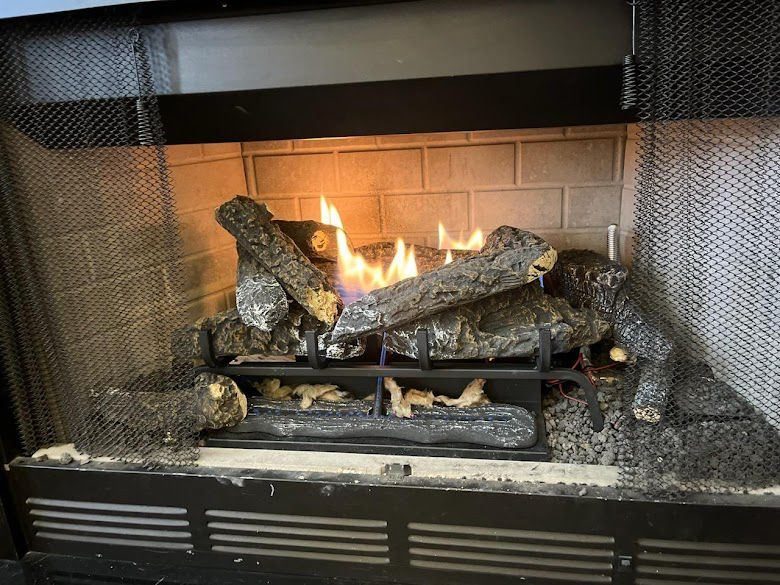
Fitting a gas log set correctly to the fireplace, gas supply, and venting.
Learn about Gas Log Installation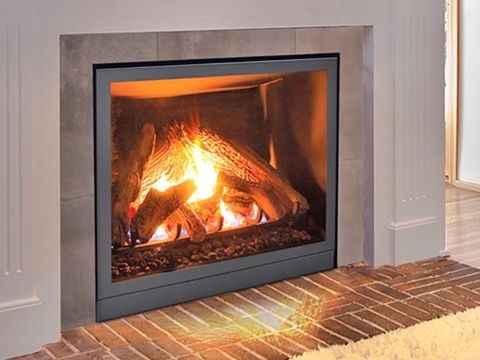
Diagnosing why a gas fireplace won't light, stay lit, or run cleanly, and correcting it.
Learn about Gas Fireplace Repair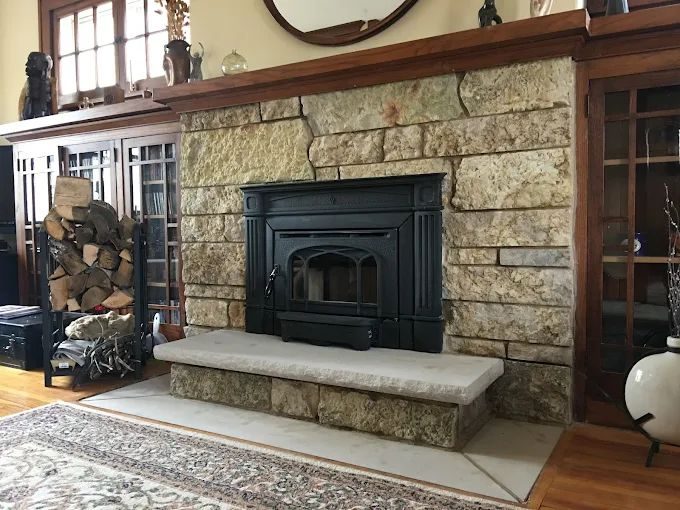
Fitting an efficient sealed insert into an existing fireplace opening.
Learn about Fireplace Insert InstallationKeep reading
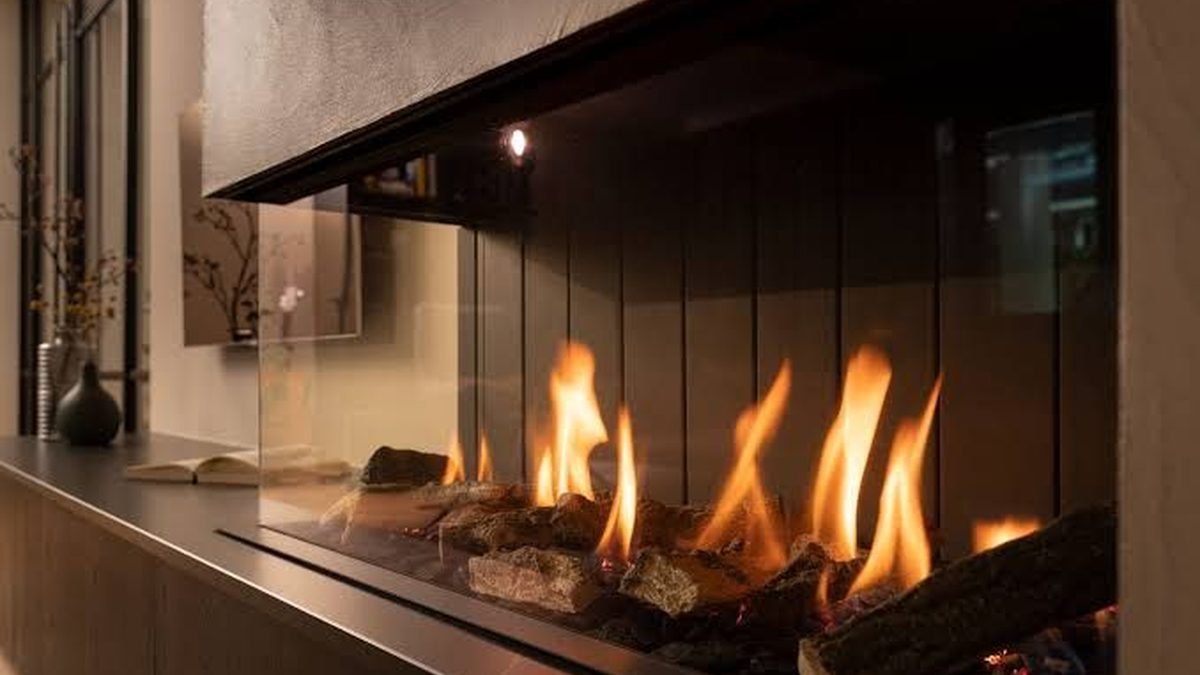
Gas fireplaces use different venting designs. Learn why whether a gas fireplace needs a chimney depends on the specific appliance and installation.
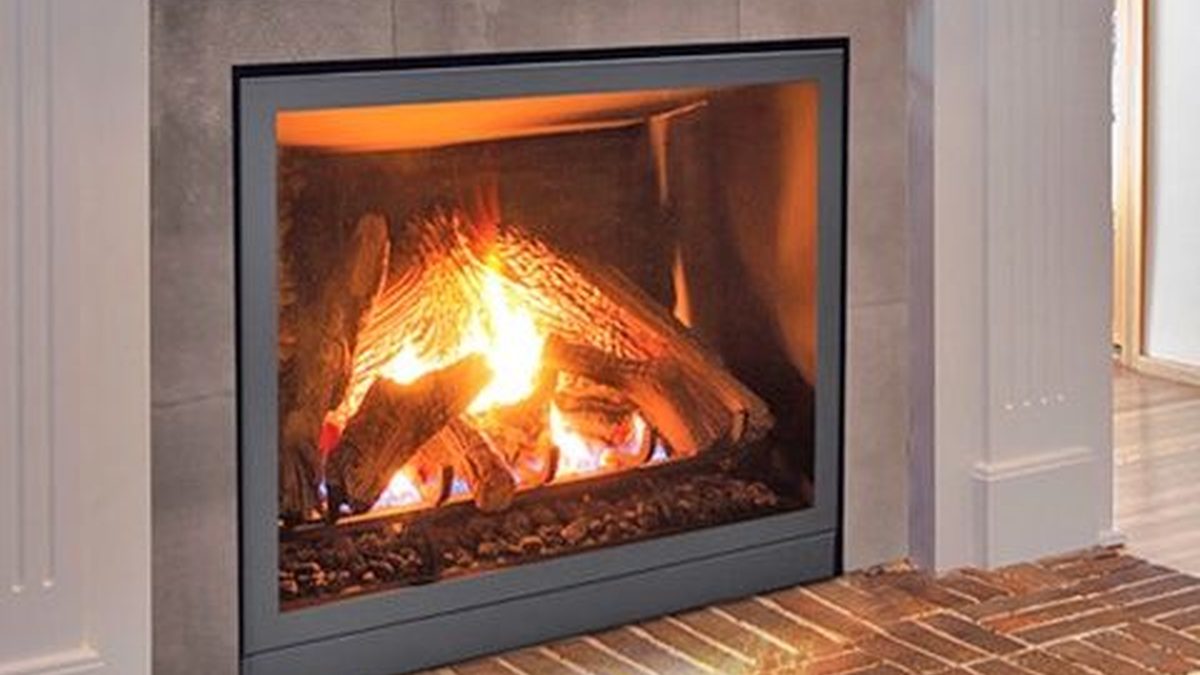
Considering a wood-to-gas fireplace conversion? Learn the property-specific questions to answer about fireplace type, venting, condition, fuel, and installation scope.
Learn the difference between masonry and prefab fireplaces, what visual clues can help identify each type, and why service should match the system.
Get in touch
Tell us about your chimney or fireplace and the best number to reach you. Full name, phone, and ZIP are required.