
What Is a Chase Cover and Why Does It Matter?
Learn what a chase cover is, how it differs from a masonry chimney crown, and why rust, holes, or poor fit can lead to moisture concerns.
Fireplace, Flue & Venting
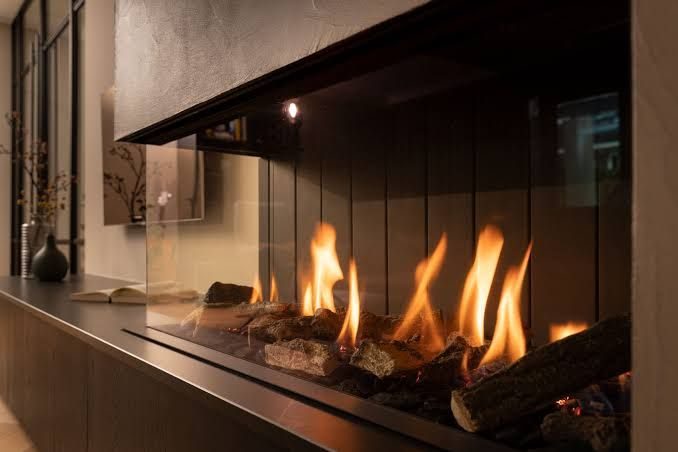
Not every fireplace is built the same way. Two fireplaces may look similar from the living room but use very different construction, venting, and components behind the finished surface. The distinction matters because cleaning, inspection, repair, parts, and installation decisions should match the actual system.
The two broad categories homeowners hear most often are masonry fireplaces and factory-built, or prefab, fireplaces. A professional evaluation can identify the type more reliably than a quick visual guess, but understanding the general difference can help you ask better questions.
A masonry fireplace is built on site using brick, stone, block, mortar, and a chimney structure designed as part of the home. The firebox, smoke chamber, flue, crown, masonry, and exterior chimney are often integrated into one construction system.
Because the system is built in place, its condition can vary widely based on age, prior repairs, water exposure, use, and original construction. Maintenance may involve cleaning, inspection, masonry repair, crown work, cap service, flashing repair, liner evaluation, or firebox work depending on the accessible condition.
A prefab fireplace is manufactured as a tested system and installed in the home. It commonly has a metal firebox, specified components, a factory-built chimney or venting path, and a chase structure that may be finished with siding, stucco, stone, or another exterior material.
These systems should not be treated as miniature masonry fireplaces. Their panels, parts, venting, and installation details are specific to the system. A damaged refractory panel, chase cover, or vent component may require a different repair approach from a masonry fireplace condition.
A visible brick chimney often suggests masonry construction, but exterior finishes can hide the system. A metal firebox, manufacturer label, glass doors, distinctive panels, or a boxed chimney chase may suggest a factory-built fireplace. These clues are helpful, but they are not a substitute for a proper identification.
If you are unsure, do not remove panels, search for parts by appearance alone, or assume a component from one fireplace type will fit another. Prefab fireplace repair needs to start with the actual system and accessible components.
An inspection of a masonry fireplace may focus on brick, mortar, crown, cap, flue, smoke chamber, and other structural components. A factory-built fireplace evaluation may focus on accessible appliance parts, panels, chase, venting, and manufacturer-specific configuration.
The same is true for repairs. A masonry crack may call for masonry assessment; a cracked prefab panel or corroded chase cover needs a different discussion. Treating every fireplace as the same can lead to unsuitable materials, missed conditions, or unnecessary work.
Arrange service when you notice smoke, odor, water, damaged panels, loose material, a difficult damper, rust, a damaged chase cover, or a change in performance. If you are buying an older home or planning an insert, gas logs, or another modification, the existing system should be identified and evaluated first.
Mister Chimney will explain the type of fireplace that is accessible to identify, what components are visible, and what service options fit the condition. The point is to preserve and repair responsibly where practical, not to push a one-size-fits-all replacement.
Some conditions can be evaluated and repaired with appropriate parts or methods, depending on the system and accessible condition. The first step is identifying the fireplace type and the component involved.
They are different systems with different construction and service needs. The useful question is whether your existing fireplace is in suitable condition for its intended use and what maintenance or repair it needs.
Do not assume so. Inserts and conversions need property-specific evaluation of the existing fireplace, venting, dimensions, and applicable requirements before planning moves forward.
If you are unsure what kind of fireplace you have, Mister Chimney can help identify the accessible system and explain the right service path. Request prefab fireplace repair or a chimney inspection in St. Louis or Kansas City.
How we can help
Repairing factory-built fireplaces with the correct, listed replacement parts.
Learn about Prefab Fireplace Repair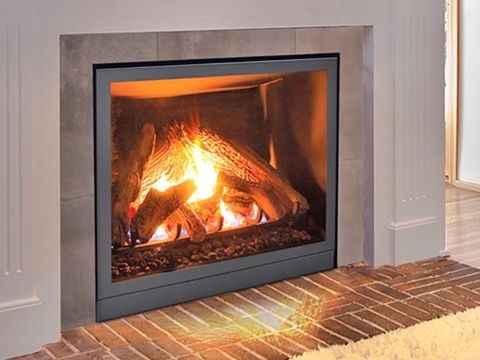
Diagnosing why a gas fireplace won't light, stay lit, or run cleanly, and correcting it.
Learn about Gas Fireplace Repair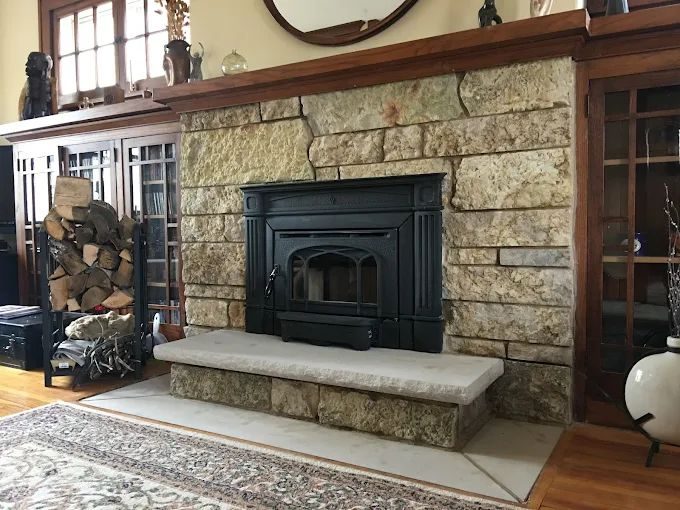
Fitting an efficient sealed insert into an existing fireplace opening.
Learn about Fireplace Insert InstallationKeep reading
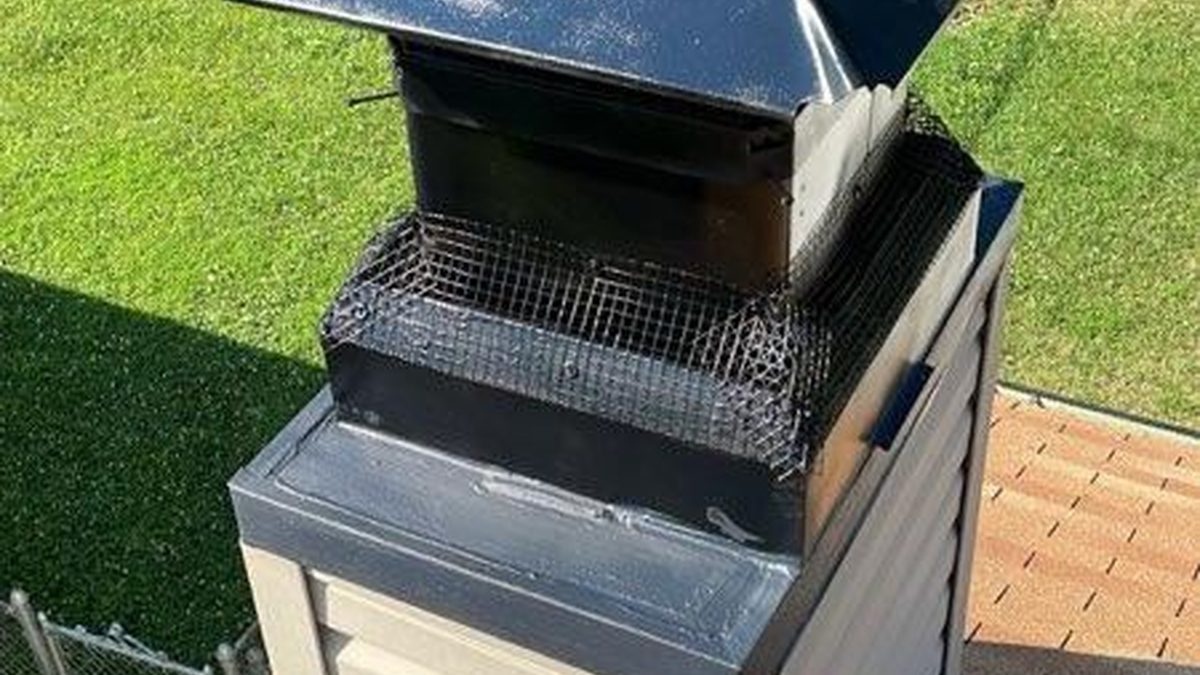
Learn what a chase cover is, how it differs from a masonry chimney crown, and why rust, holes, or poor fit can lead to moisture concerns.
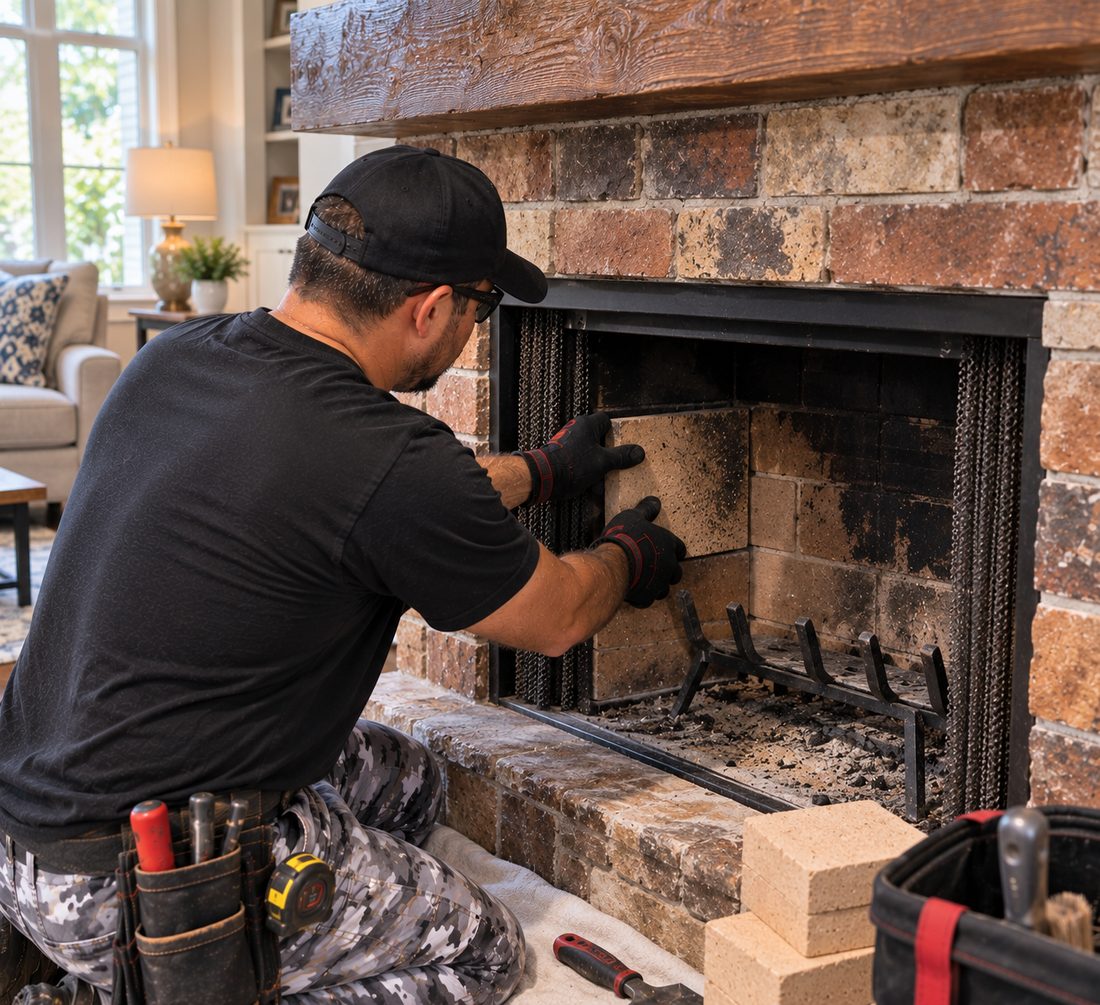
Learn why cracks or deteriorated material in a fireplace firebox should be evaluated, what homeowners can safely observe, and why repair scope depends on the system.
Before installing a fireplace insert, learn why the existing fireplace, dimensions, venting, liner, access, and property requirements need evaluation.
Get in touch
Tell us about your chimney or fireplace and the best number to reach you. Full name, phone, and ZIP are required.