
Masonry Fireplace vs. Prefab Fireplace: How They Differ
Learn the difference between masonry and prefab fireplaces, what visual clues can help identify each type, and why service should match the system.
Fireplace, Flue & Venting
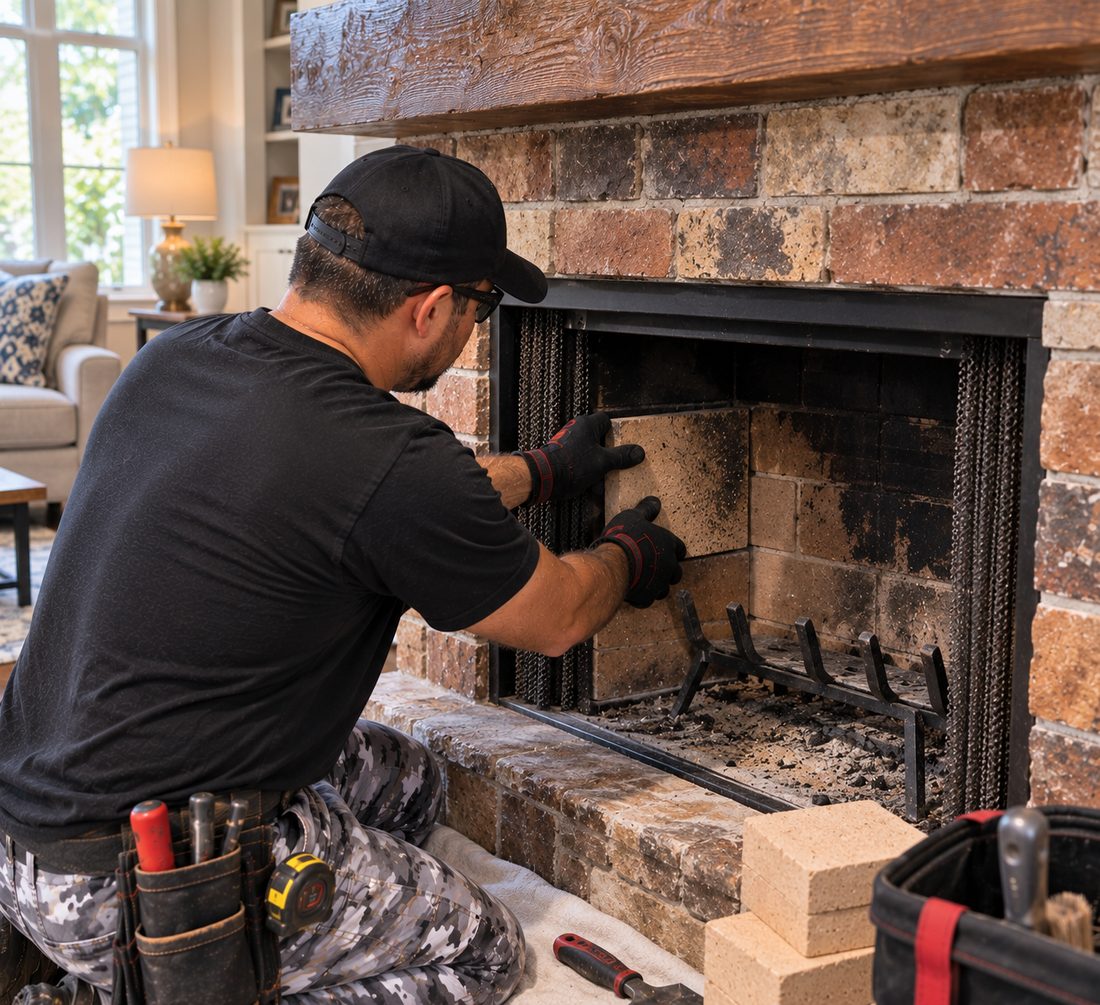
The firebox is the part of the fireplace where the fire burns. Because it is exposed to heat, ash, cleaning, and normal use, homeowners may notice cracks, missing mortar, damaged brick, or worn refractory material over time. A visible change should be evaluated, but it should not be treated as proof of one universal repair.
The correct question is: what material is affected, where is it located, and what does the accessible condition suggest about the fireplace system? A masonry firebox, a prefab fireplace, a gas unit, and an insert are built differently. The same-looking crack can have a very different meaning depending on the construction.
You may see a crack in a brick, a gap in mortar, loose material, a broken refractory panel, rust, or a change in the surface of the firebox. You may also notice smoke, unusual odor, debris, or a shift in how the fireplace performs. Take a clear photo when the fireplace is cold and share it when scheduling service.
Do not attempt to patch the firebox with a random household material, masonry product, or furnace cement without knowing whether it is appropriate for that fireplace. The wrong repair can fail under heat or obscure a condition that needs a different scope.
In a masonry fireplace, the firebox is connected to the smoke chamber, throat, flue, and surrounding masonry. Conditions in the firebox may need to be considered alongside those components. In a prefab fireplace, damaged refractory panels, metal components, or manufacturer-specific parts need a different evaluation.
That is why firebox repair and rebuild begins with identifying the fireplace type and the accessible condition. The aim is not to make every firebox look new. It is to understand whether the observed issue needs repair, replacement of an appropriate component, expanded inspection, or a change in use until the system can be assessed.
If there is loose material, a growing crack, smoke entering the room, a strong unfamiliar odor, visible damage after a known event, or an uncertain condition in the firebox, avoid use until the fireplace has been reviewed. Heat and combustion can make a small condition harder to interpret and may increase the risk of further damage.
If the fireplace is gas or factory-built, follow the appliance documentation and do not attempt to remove panels or components yourself. An on-site evaluation can identify what is accessible and what information is needed before repair is discussed.
Ask what material is affected, whether the concern is limited to the firebox, and whether the smoke chamber, flue, damper, or other components also need attention. A focused repair may be appropriate. In other situations, a more involved rebuild or manufacturer-specific part may need consideration.
Clear explanation matters because the firebox is only one visible part of a larger chimney system. The homeowner should know what the repair is intended to address and what conditions, if any, remain outside its scope.
Not every visible line means the same thing, but cracks or deteriorated material in a firebox should be evaluated before continued use. The type of fireplace, location, material, and related symptoms all matter.
Do not use an improvised repair product. Fireplace materials and temperatures vary, and a surface patch may not address the condition. Arrange an evaluation to determine the appropriate repair scope.
It can be part of a larger fireplace condition, but draft has several possible causes. A technician should evaluate the accessible firebox, damper, smoke chamber, and chimney components in context.
If you notice a crack or deteriorated material in your fireplace, request firebox repair and rebuild service with Mister Chimney. We will review the fireplace type and accessible condition before recommending the next step.
How we can help
Restoring the fire chamber and its refractory joints so it can safely hold a fire.
Learn about Firebox Repair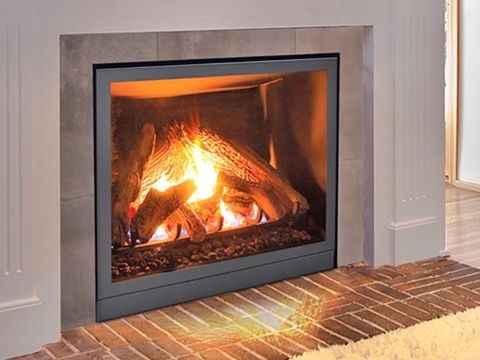
Diagnosing why a gas fireplace won't light, stay lit, or run cleanly, and correcting it.
Learn about Gas Fireplace Repair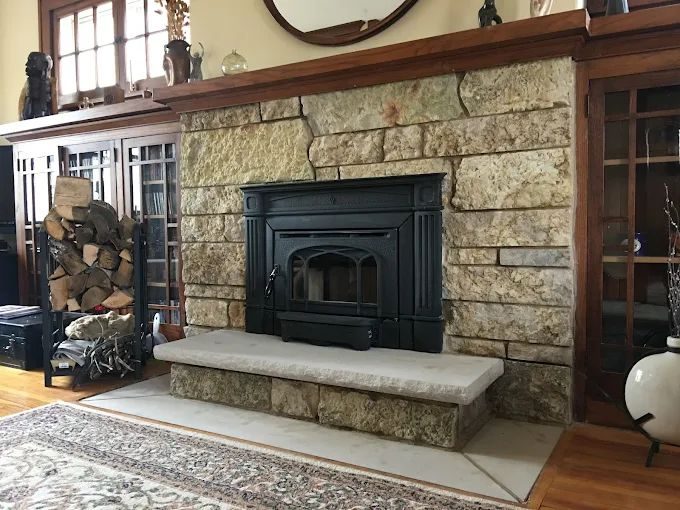
Fitting an efficient sealed insert into an existing fireplace opening.
Learn about Fireplace Insert InstallationKeep reading
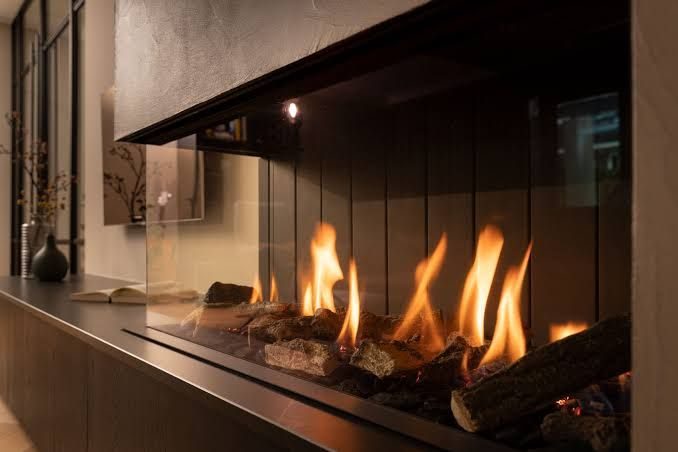
Learn the difference between masonry and prefab fireplaces, what visual clues can help identify each type, and why service should match the system.
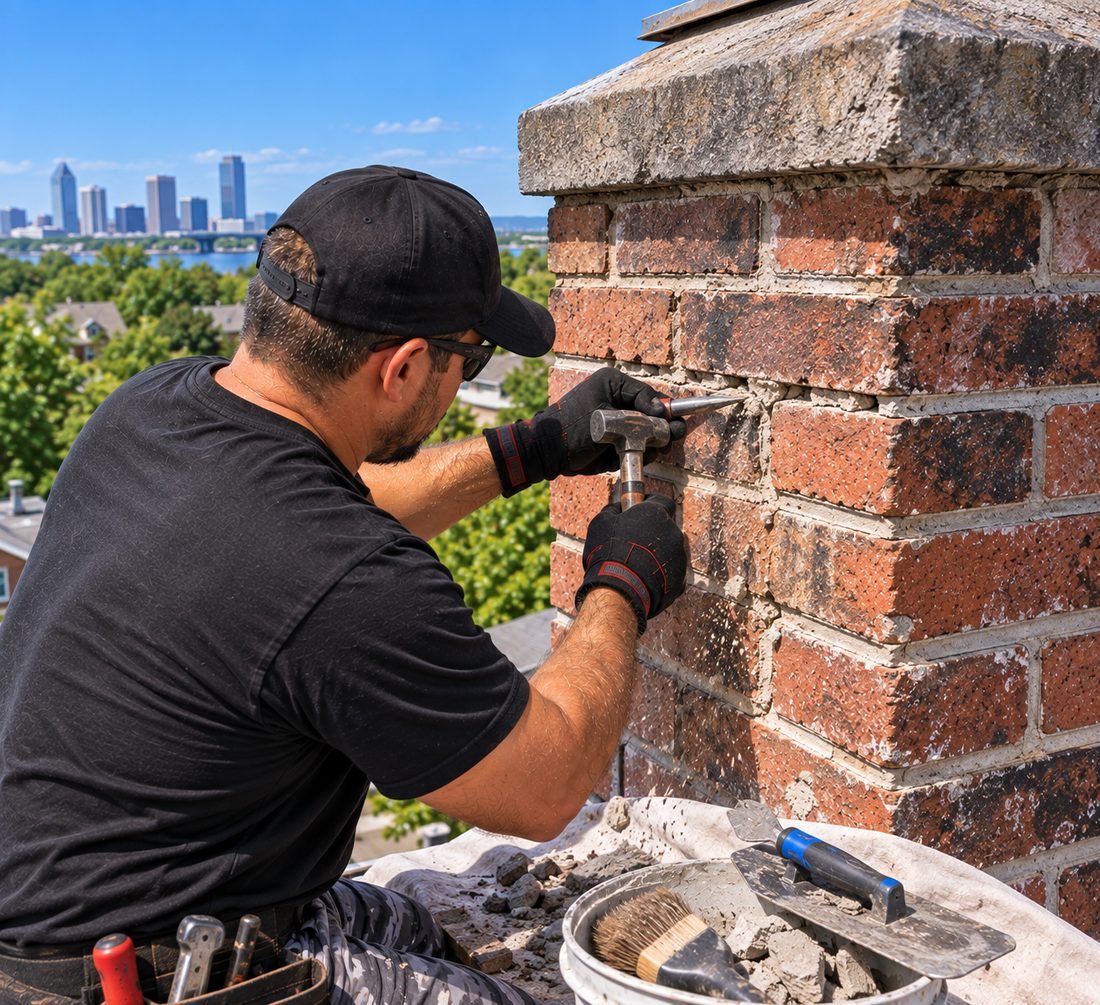
Smoke entering a room from a fireplace can have several causes. Learn what to do immediately, what details matter, and why an inspection is the right next step.
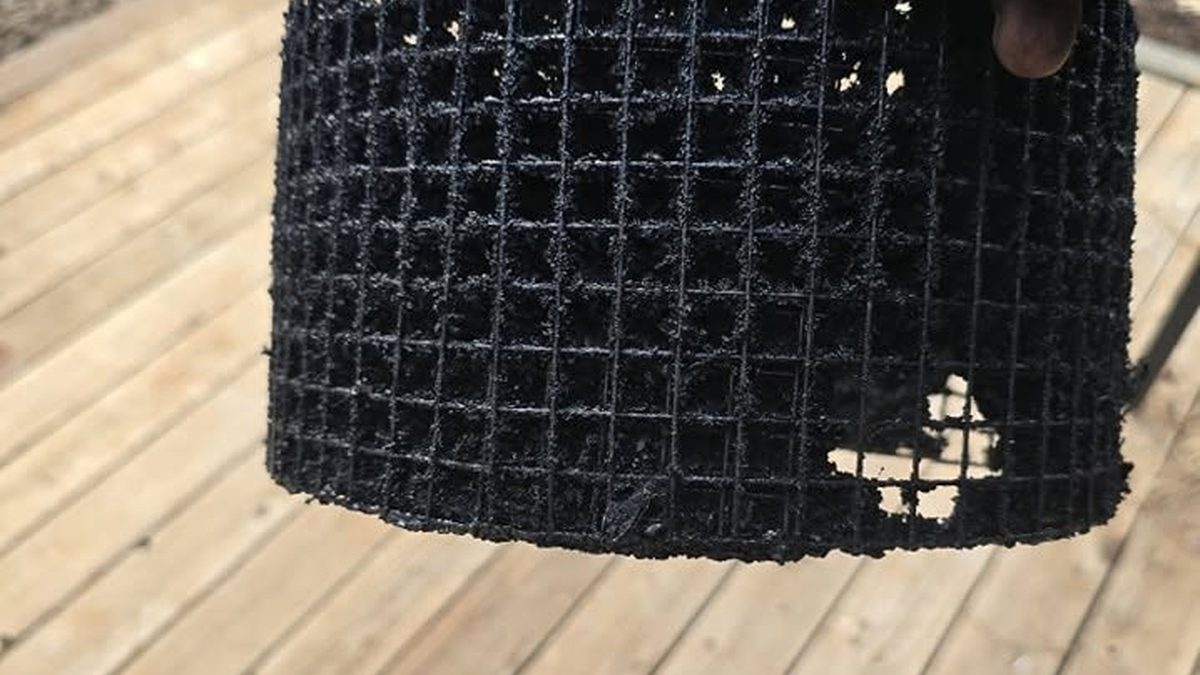
Learn which fireplace changes should prompt you to stop using the system and arrange a chimney or fireplace inspection before the next fire.
Get in touch
Tell us about your chimney or fireplace and the best number to reach you. Full name, phone, and ZIP are required.