Why a Fireplace May Not Draft Like It Used To
A fireplace that no longer drafts normally can have several causes. Learn what changes to note and why a condition-focused chimney inspection matters.
Fireplace, Flue & Venting
Smoke entering the room is a sign to stop and pay attention. It does not automatically point to one component, and it is not something homeowners should try to solve by repeatedly lighting fires, forcing a damper, or opening windows until the room “works around” the problem.
The immediate step is simple: stop using the fireplace until the concern is understood. Then note what happened. Did the smoke enter at start-up, throughout the fire, or only when wind was strong? Was the damper position clear? Has the fireplace been unused? Was different wood used? Did the concern begin after rain, a repair, or a change in the home?
Airflow through a fireplace is affected by the flue, damper, smoke chamber, chimney height and configuration, outside conditions, the warmth of the system, the fuel being burned, and possible obstructions or deposits. A problem in any one of those areas can create similar symptoms.
For example, a damper that is not positioned for use can restrict flow. A flue with an obstruction or condition needing closer evaluation can affect draft. A smoke chamber that is rough, damaged, or not directing smoke effectively may be part of the discussion. Weather, wind direction, and pressure differences inside the home can also influence how a fireplace behaves.
The presence of smoke does not tell us which one is responsible. That is why an on-site chimney inspection is more useful than an online guess.
If smoke is entering the room, do not continue burning to see whether the problem improves. Make sure the fire is safely extinguished according to the fireplace or appliance instructions, ventilate the space as appropriate, and allow the system to cool. Do not pour water into a hot fireplace unless the appliance instructions and situation clearly call for it, and do not reach into the chimney path.
Once the system is cool, look only for safe, visible clues: debris in the firebox, a damper control that will not move, a strong odor, water staining, or a recent change around the fireplace. Share those details when scheduling service.
In a masonry fireplace, the smoke chamber is the area above the firebox that guides smoke toward the flue. Its shape and surface condition can influence how smoke moves through the system. If accessible areas show rough, damaged, or deteriorated material, smoke chamber repair and parging may be discussed as part of a larger condition review.
That does not mean every smoky fireplace needs smoke chamber work. The damper, flue, liner, cap, cleaning condition, and airflow patterns all need to be considered. A repair should be recommended only when the evidence supports it.
Smoke at the beginning of a fire can be different from smoke that continues after the system is warm. Smoke only on windy days can be different from smoke after rain. A fireplace that has always behaved poorly may need a different conversation than one that changed suddenly after years of normal use.
Write down those details. They can help a technician decide what to inspect first and whether a camera inspection or a different evaluation level may be appropriate.
No. Stop using it until the cause is evaluated. Smoke can be connected to damper, draft, flue, obstruction, or other system conditions that should not be guessed at.
Changing a window position may alter airflow temporarily, but it does not identify or correct the underlying condition. Treat it as information to share with the technician, not a permanent repair.
No. Smoke chamber condition is one possible factor among several. A complete assessment should determine whether it is relevant before any repair is proposed.
If smoke has entered your room from a fireplace in St. Louis or Kansas City, arrange an evaluation with Mister Chimney before using it again. We will review the accessible system, explain what may be affecting draft, and discuss appropriate options.
How we can help
Smoothing and sealing the transition above the firebox so smoke draws cleanly.
Learn about Smoke Chamber Repair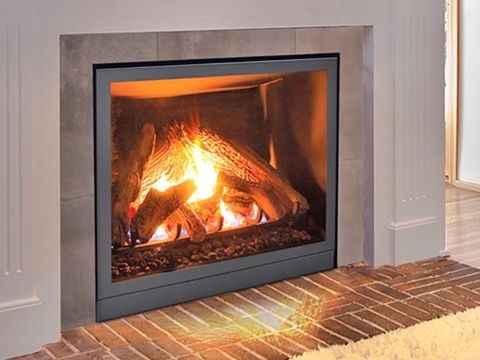
Diagnosing why a gas fireplace won't light, stay lit, or run cleanly, and correcting it.
Learn about Gas Fireplace Repair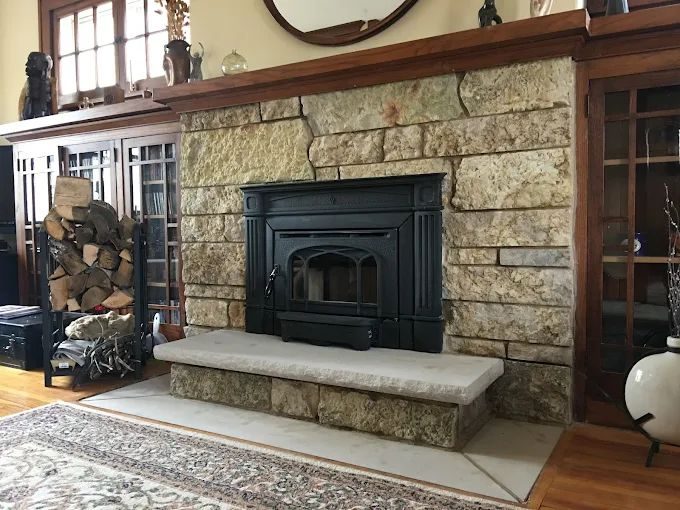
Fitting an efficient sealed insert into an existing fireplace opening.
Learn about Fireplace Insert InstallationKeep reading
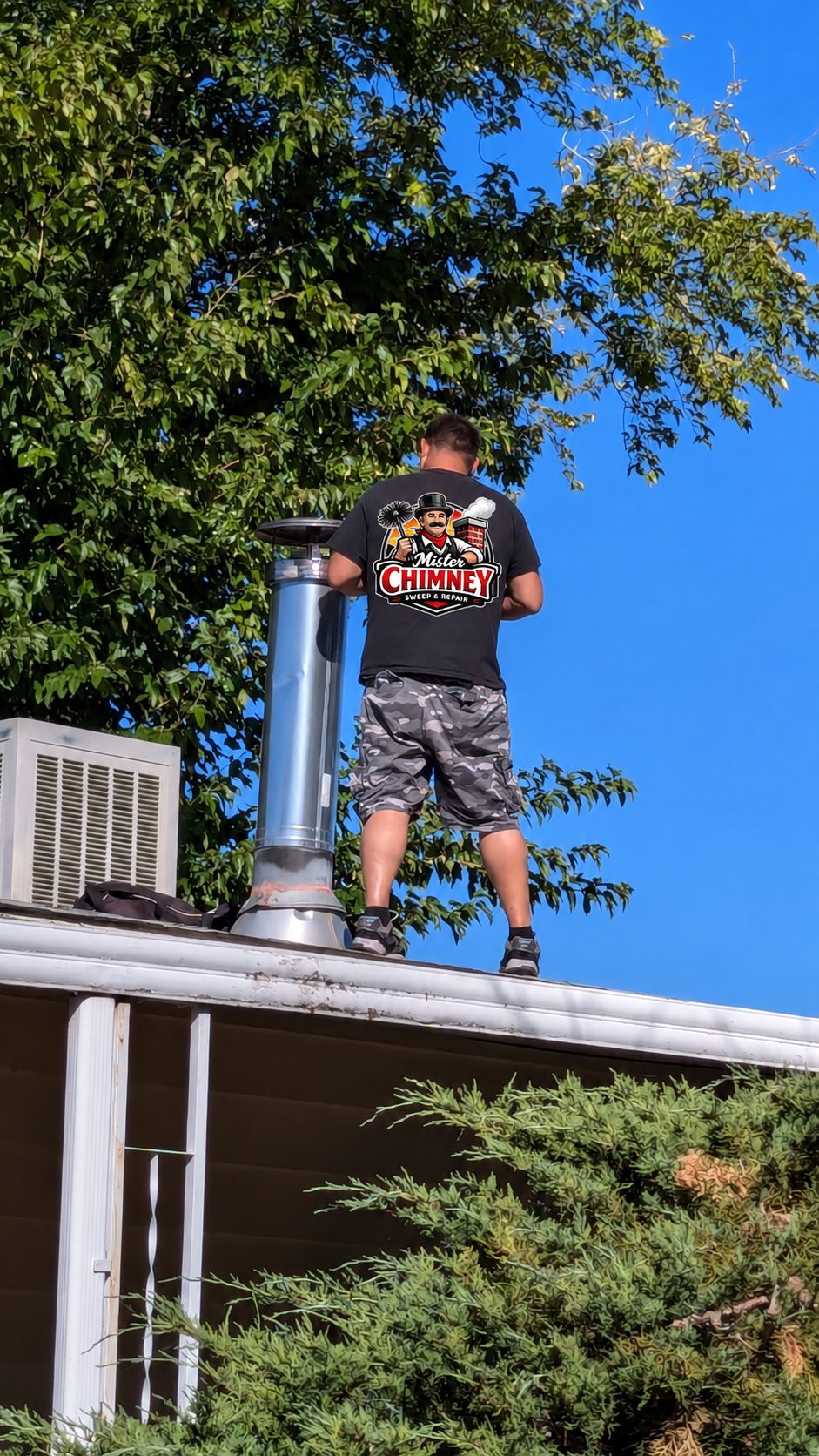
A fireplace that no longer drafts normally can have several causes. Learn what changes to note and why a condition-focused chimney inspection matters.
Learn the difference between an open and closed fireplace flue, why the damper matters, and when a damper issue should be evaluated professionally.
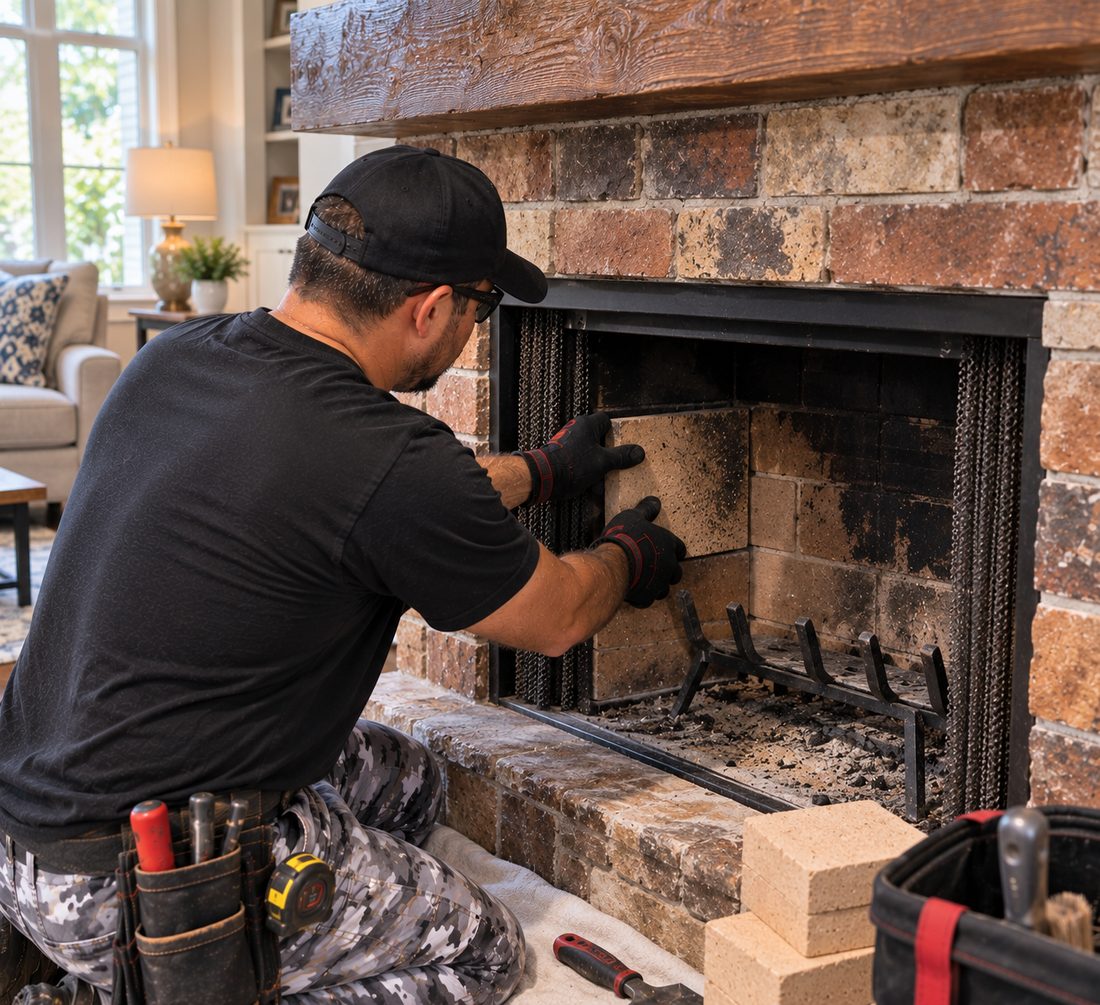
Learn why cracks or deteriorated material in a fireplace firebox should be evaluated, what homeowners can safely observe, and why repair scope depends on the system.
Get in touch
Tell us about your chimney or fireplace and the best number to reach you. Full name, phone, and ZIP are required.