
Signs Your Chimney Flashing Needs Attention
Learn how chimney flashing helps manage water at the roofline, the warning signs to notice, and why a visible stain may not show the source.
Chimney Repairs & Moisture
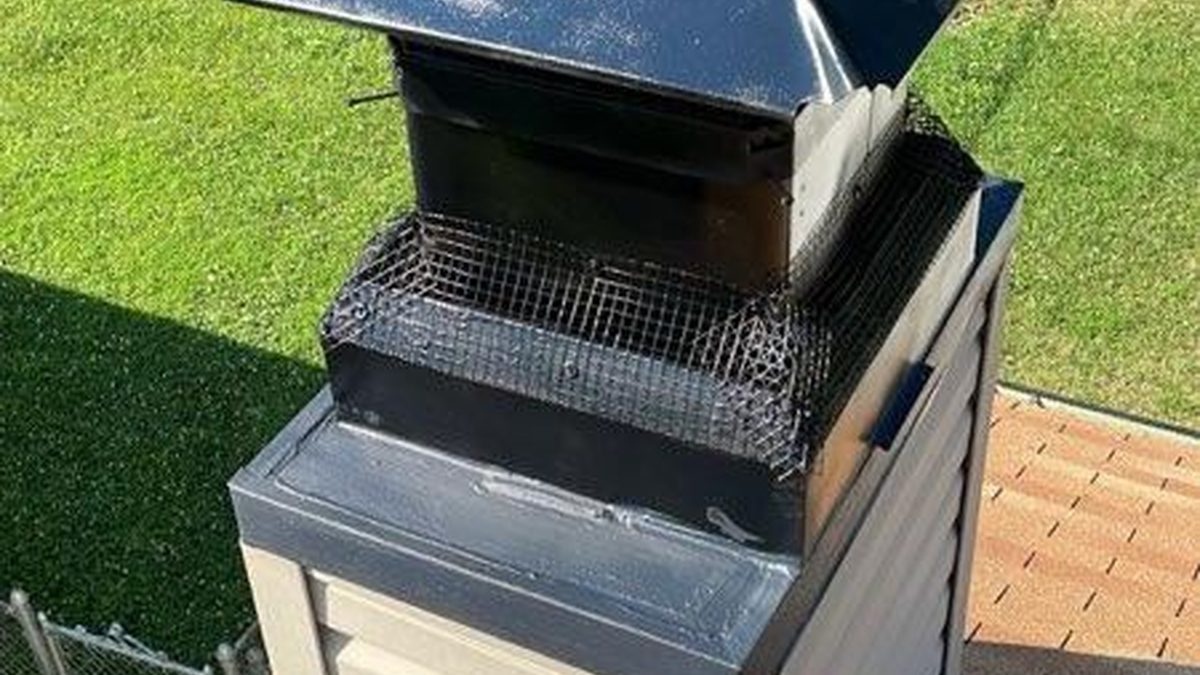
If your home has a factory-built fireplace or a chimney enclosed in siding, stucco, or another exterior finish, it may have a chase cover rather than a masonry crown. The chase is the boxed structure that surrounds the chimney components. The chase cover is the metal top that helps keep water out of that structure.
It is a component many homeowners do not notice until it rusts, stains the siding, leaks, or begins to deteriorate. Because it sits at the top of the chase and handles rainwater, its condition can affect the materials below it.
A masonry chimney commonly has a crown: a formed top surface that helps shed water away from the flue and brick. A factory-built chimney chase commonly uses a metal chase cover. Both have a weather-management role, but they are not the same component and should not be repaired in the same way.
The chase cover needs to fit the structure, slope or direct water properly, accommodate the flue opening, and remain secure in weather. If it rusts through, develops holes, becomes loose, or is improperly fitted, water can reach the chase framing, insulation, fireplace components, or areas below the roofline.
From the ground, you may see rust streaks, staining on siding, a bent or lifted edge, discoloration around the chimney chase, or a cover that appears to hold water. Inside, a homeowner may notice a musty odor, a water mark near the fireplace, or changes after rain.
These signs do not prove the chase cover is the only issue. Flashing, roof materials, cap components, and the fireplace system itself can also be involved. But they are good reasons to arrange a condition review before moisture reaches more materials inside the chase.
A new-looking cover is not automatically a sound cover. If it does not fit the chase correctly, lacks proper drip edges, has an opening that does not match the flue, or does not manage water effectively, it can still create a moisture path. The installation should be considered as carefully as the material itself.
Chase cover replacement should begin with measuring the actual chase and reviewing how the cover, flue, cap, and roofline work together. The goal is not simply to place metal over an opening. It is to protect the structure from weather in a way that fits the system.
Do not wait for a major interior leak if there are visible signs at the top of the chase. Document what you can see from the ground and note whether the staining becomes worse after rain. Avoid trying to paint over the rust or seal the cover from a ladder. A surface product can hide the symptom without correcting a hole, poor slope, or failing edge.
An inspection can determine whether the cover needs replacement and whether related work—such as cap, flashing, or siding repair—should be discussed. If moisture has been entering for some time, the homeowner should understand what areas were accessible for review and what limits exist.
No. A chase cover is the metal top that covers the entire chase structure. A cap is generally associated with the flue opening or vent termination. Both may be present on the same system.
Rust can lead to holes or weakened areas that allow water into the chase, but other components may also contribute. A condition review is needed to identify the likely source and proper scope.
Painting may change the appearance but does not correct holes, poor fit, or a cover that is no longer managing water properly. The underlying condition should be evaluated first.
If a factory-built fireplace chase shows rust, staining, or weather-related wear, Mister Chimney can review the accessible components and explain the appropriate option. Request chase cover replacement in St. Louis or Kansas City.
How we can help
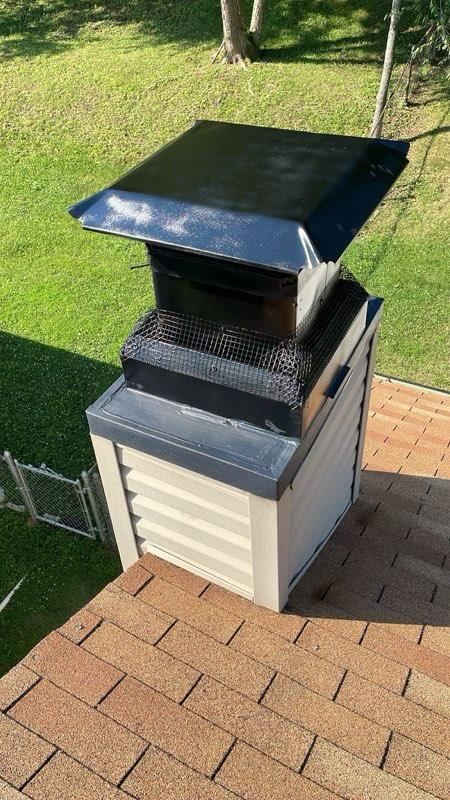
Replacing the metal top on a factory-built chimney chase before rust lets water in.
Learn about Chase Cover Replacement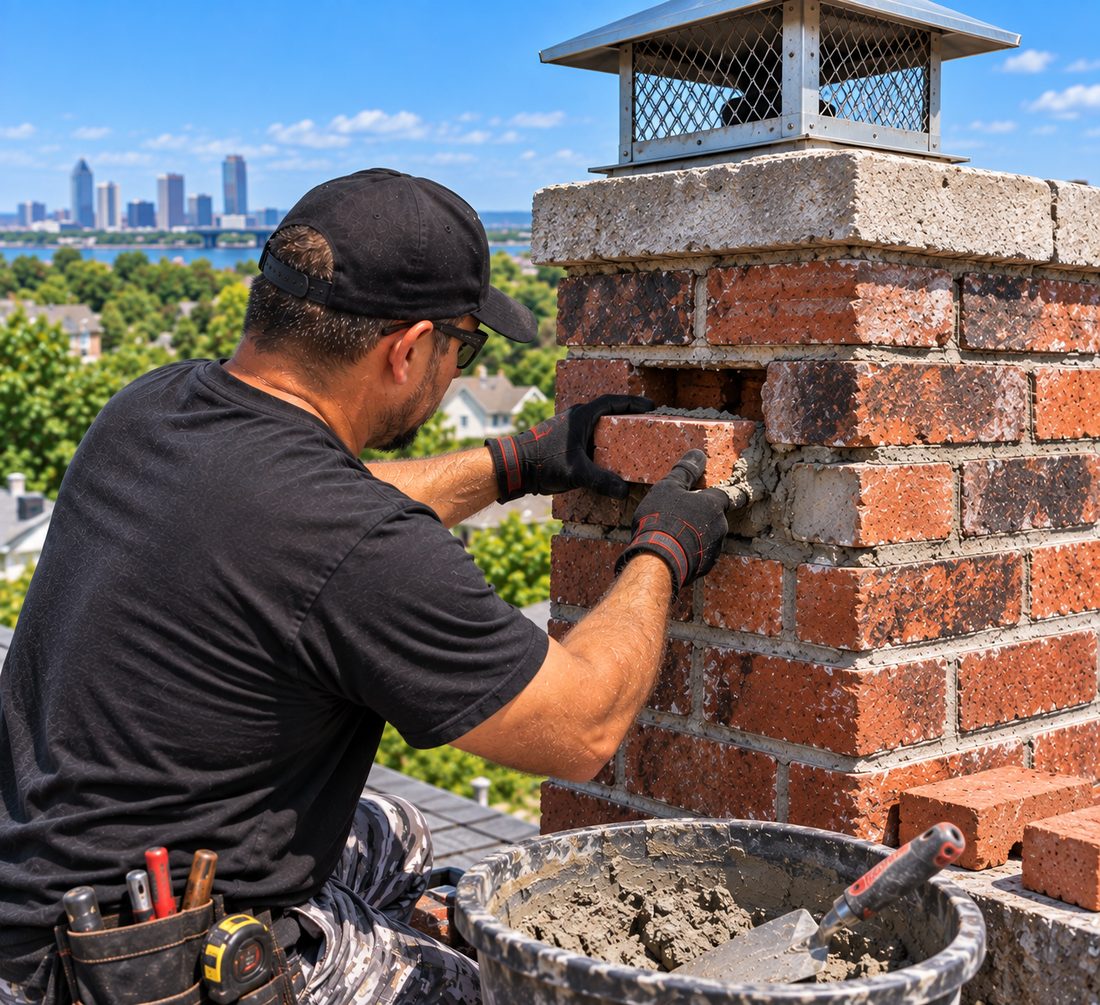
Diagnosing and correcting the specific problem, from a leak to failing masonry.
Learn about Chimney Repair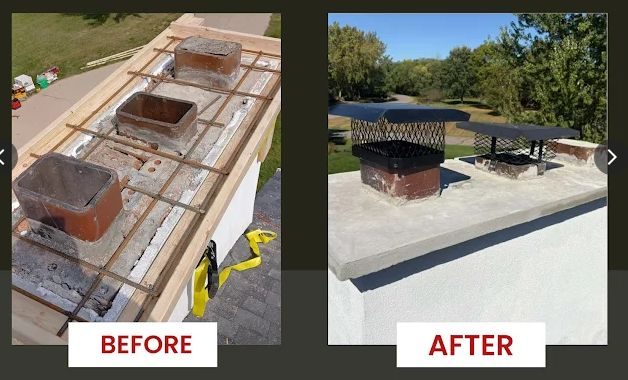
Repairing or rebuilding the top slab that sheds water off the chimney.
Learn about Chimney Crown RepairKeep reading
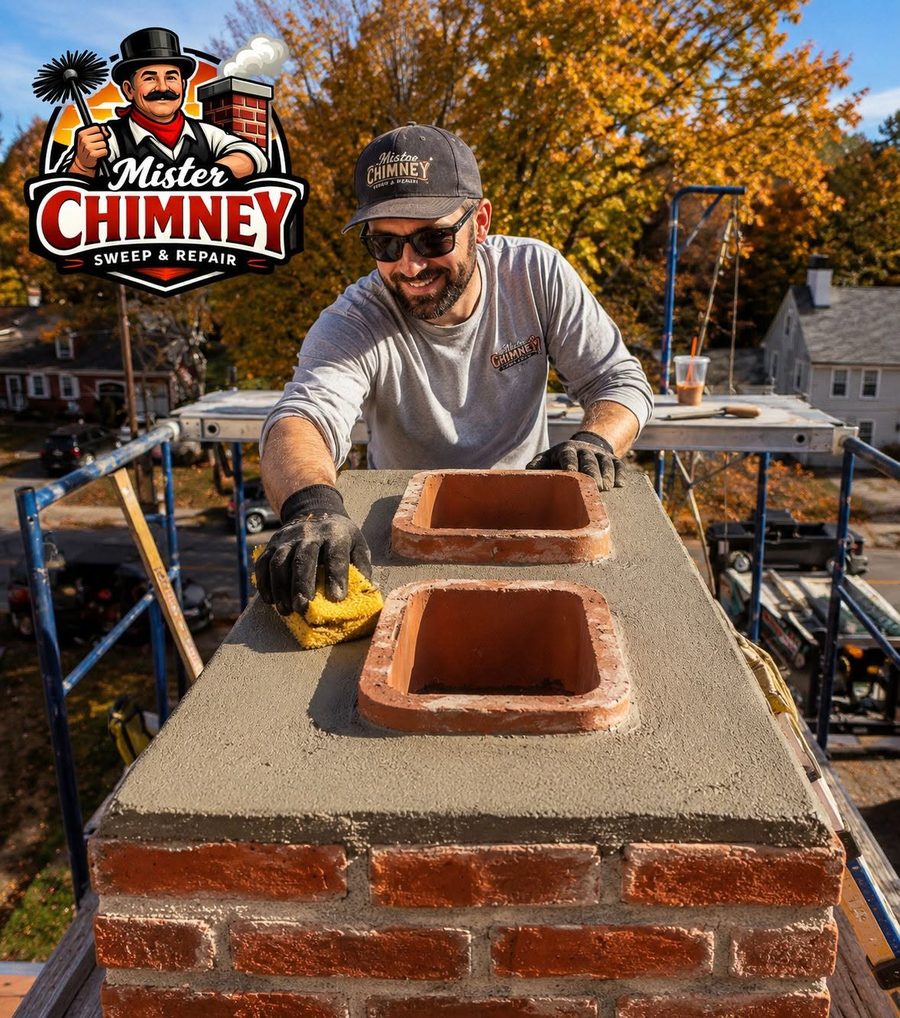
Learn how chimney flashing helps manage water at the roofline, the warning signs to notice, and why a visible stain may not show the source.
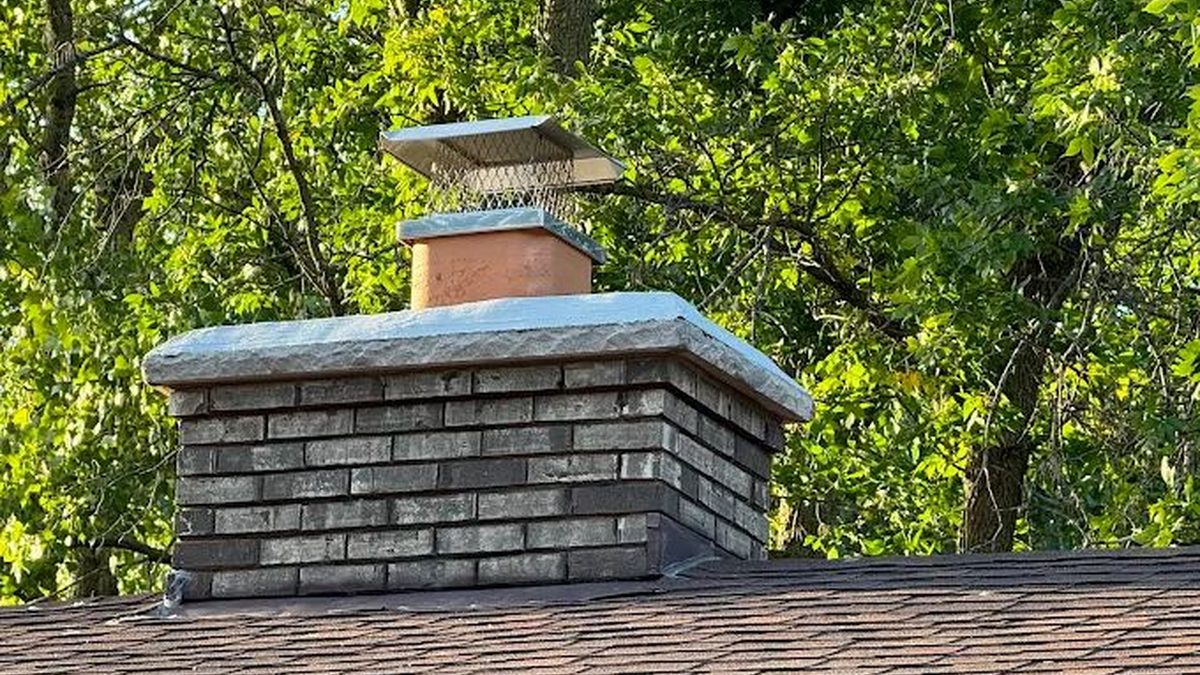
Learn what a chimney cap does, why fit and condition matter, and when replacement or repair may be appropriate for a Missouri chimney.
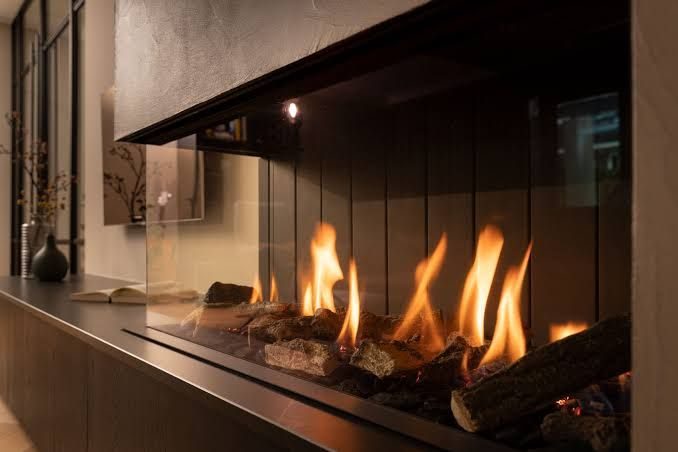
Learn the difference between masonry and prefab fireplaces, what visual clues can help identify each type, and why service should match the system.
Get in touch
Tell us about your chimney or fireplace and the best number to reach you. Full name, phone, and ZIP are required.