
Masonry Fireplace vs. Prefab Fireplace: How They Differ
Learn the difference between masonry and prefab fireplaces, what visual clues can help identify each type, and why service should match the system.
Fireplace, Flue & Venting
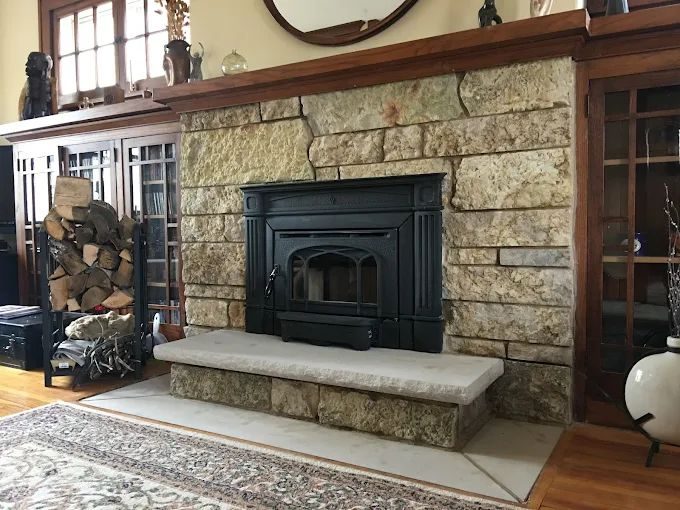
A fireplace insert can change the way an existing fireplace is used, but it should never be selected by appearance alone. The opening may look large enough, yet the chimney, liner, hearth, firebox, venting path, clearances, access, and condition of the existing system all need to be considered before an installation is planned.
The correct insert depends on the property and the specific appliance. A wood-burning insert, gas insert, or other unit has its own installation requirements. An existing masonry fireplace may be a candidate for an insert only after the chimney and firebox have been evaluated. A factory-built fireplace may have different limitations that need to be understood before any change is proposed.
The fireplace type must be identified first. A masonry fireplace, prefab fireplace, and prior insert installation do not follow the same path. The accessible firebox opening, depth, hearth, surrounding materials, and chimney configuration help determine what can be considered.
Measurements are important, but they are not the whole evaluation. The venting path above the fireplace and the condition of the flue or liner matter just as much. An insert should fit the entire system, not only the visible opening.
An insert may require a particular venting or liner approach based on the appliance and property. The existing chimney needs to be evaluated to determine whether it is suitable, whether it needs repair, and what preparation is required. A chimney relining and flue liner repair discussion may be part of the planning when the liner condition or configuration needs attention.
Do not assume that an old chimney will automatically work for a new appliance, or that a previous insert configuration is appropriate for a different product. Manufacturer documentation and applicable local requirements must guide the final plan.
Water exposure, loose masonry, damaged firebox material, a problematic damper, a cracked crown, or a chimney leak should be addressed before or as part of an installation plan. A new insert cannot correct every condition in an older fireplace. In some cases, it can make an existing concern harder to access later if it is not understood first.
The purpose of an on-site evaluation is to separate what needs repair from what needs installation preparation. That gives the homeowner a clearer view of the true project scope.
Ask about appliance selection, accessible dimensions, liner or venting needs, removal of existing components if any, electrical or fuel considerations where applicable, permits or code requirements determined for the property, and who is responsible for each part of the work. A fireplace insert project can involve more than one trade, and the sequence should be transparent.
The right installer will not promise that a specific model fits until the fireplace and chimney have been assessed. Clear planning protects both the home and the investment.
No. Fireplace type, dimensions, chimney and venting condition, appliance instructions, and property-specific requirements must be evaluated before an insert is selected or installed.
It may. The existing chimney and liner need to be evaluated to determine what preparation, repair, or venting work is appropriate for the specific insert.
You can explore options, but do not commit to an appliance until the existing fireplace and chimney have been evaluated. The property may affect which models or configurations are suitable.
If you are planning a fireplace insert in St. Louis or Kansas City, begin with a condition-focused evaluation from Mister Chimney. Request fireplace insert installation planning that accounts for the entire system, not just the opening.
How we can help
Fitting an efficient sealed insert into an existing fireplace opening.
Learn about Fireplace Insert Installation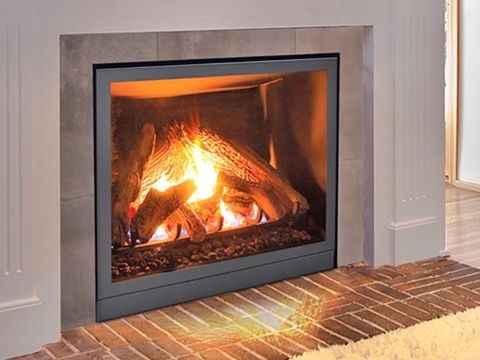
Diagnosing why a gas fireplace won't light, stay lit, or run cleanly, and correcting it.
Learn about Gas Fireplace Repair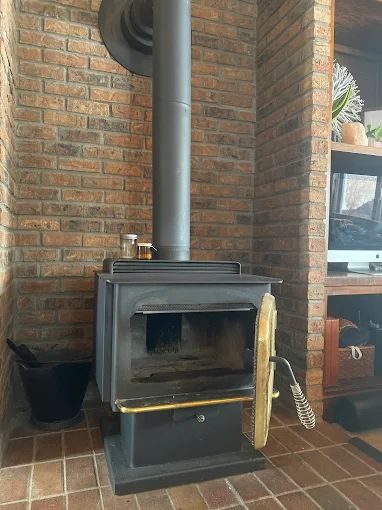
Setting a wood stove with correct clearances, hearth protection, and venting.
Learn about Wood Stove InstallationKeep reading
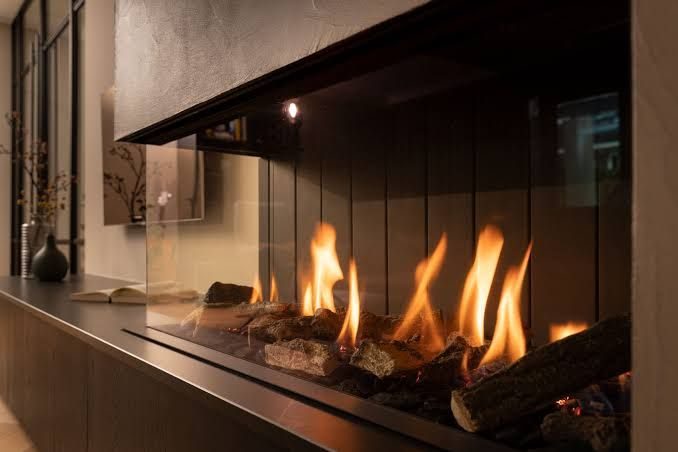
Learn the difference between masonry and prefab fireplaces, what visual clues can help identify each type, and why service should match the system.
Learn what a flue liner does, the signs that may call for closer evaluation, and why liner repair or relining decisions require property-specific assessment.
Considering a wood-to-gas fireplace conversion? Learn the property-specific questions to answer about fireplace type, venting, condition, fuel, and installation scope.
Get in touch
Tell us about your chimney or fireplace and the best number to reach you. Full name, phone, and ZIP are required.