
What to Know Before Installing Gas Logs
Before installing gas logs, learn why the existing fireplace, venting, fuel supply, appliance instructions, and property requirements must be evaluated.
Fireplace, Flue & Venting
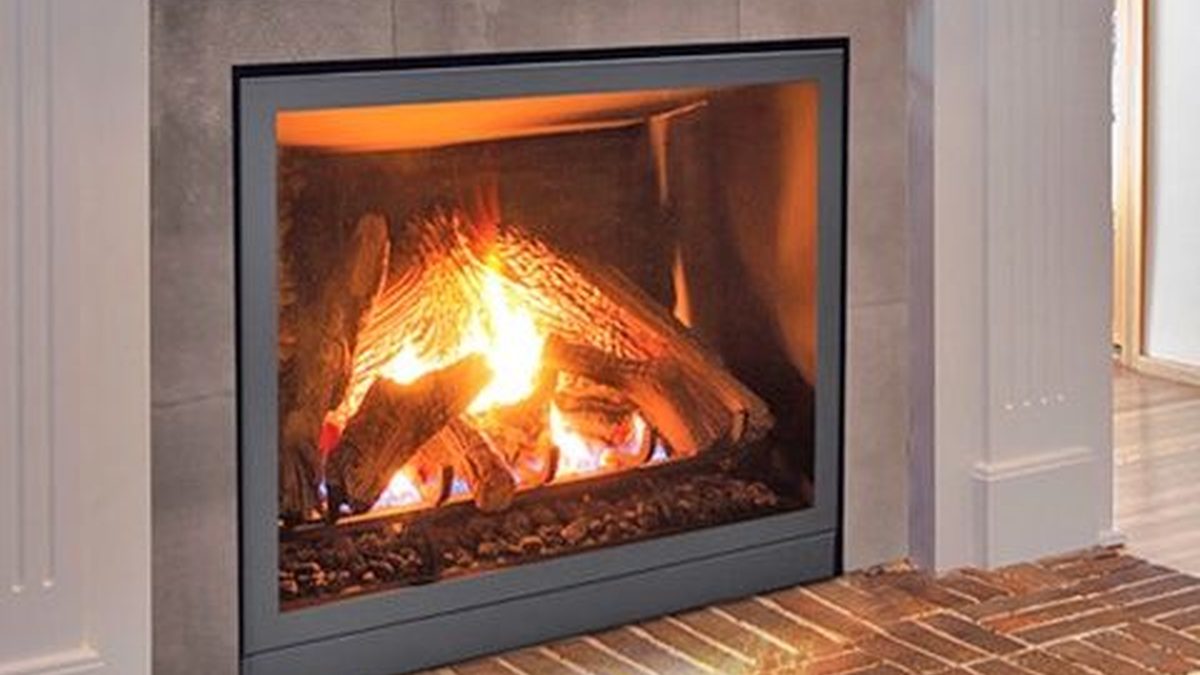
Converting a wood-burning fireplace to gas is a decision about an entire system, not just a new fuel. Homeowners may want less ash, a different style of use, or a change in how the room is heated and enjoyed. Before choosing an appliance or assuming a conversion is simple, the existing fireplace and chimney need to be understood.
The questions begin with the firebox, chimney, flue, liner, damper, venting path, fuel supply, and property layout. A masonry fireplace, a prefab fireplace, and an existing gas unit each create a different starting point. The right conversion plan is based on the property, manufacturer instructions, and applicable requirements—not on a photo or a generic online checklist.
First, identify whether the existing fireplace is masonry or factory-built. The construction affects what appliances or log systems may be considered, how the venting path is evaluated, and what repairs or preparation may be needed first.
An older masonry fireplace may have a flue liner, crown, cap, or masonry condition that needs closer review. A factory-built fireplace may have specific components and manufacturer limitations that cannot be ignored. The conversion should never begin by assuming that every open firebox can accept any gas product.
The chimney, liner, damper, cap, and accessible venting components should be evaluated before a conversion is planned. A chimney inspection may identify questions that need to be resolved, such as water exposure, liner condition, damaged components, or an obstruction.
The existing chimney may be part of the final system, may need modification, or may not be suitable for the appliance under consideration. The evaluation has to be appliance-specific. A conversion is not complete until the venting approach fits the exact product and property.
Gas supply, shutoff access, ignition, controls, and appliance placement are not homeowner DIY tasks. The installation plan should identify the appropriate professionals and sequence of work. Do not attempt to run gas piping, alter valves, or adapt an existing gas appliance to a new configuration without qualified evaluation.
If the property already has gas service, that is useful information, but it is not the same as an approved installation plan. The location, appliance demand, controls, and applicable requirements still need to be reviewed.
Be clear about the goal. Is the focus appearance, convenience, supplemental heat, a gas log set, or an insert? Different goals can lead to different appliance choices and different effects on the existing fireplace. The decision should not be made solely on the appearance of a display model.
Discuss the desired use with the evaluator and make sure the plan addresses the actual room, fireplace type, and venting configuration. A clear goal helps avoid choosing a product that does not fit the property or the way the homeowner expects to use it.
Before approving work, ask what the existing fireplace shows, what needs repair or preparation before installation, what venting approach is proposed, what items are outside the chimney company’s scope, and what approvals or local requirements may apply. A conversion involves several systems, and a transparent plan is more valuable than a quick promise.
No. The existing fireplace, chimney, venting path, condition, fuel supply, appliance instructions, and property-specific requirements all need to be evaluated first.
It depends on the appliance and the existing chimney. A liner may be part of a suitable plan in some situations, but it cannot be assumed without an on-site assessment.
If an inspection identifies a condition affecting the chimney, fireplace, liner, water management, or venting path, it should be addressed in the proper sequence before or as part of a conversion plan.
If you are considering a wood-to-gas fireplace conversion in Missouri, Mister Chimney can start with the condition of your existing system. Request a wood-to-gas fireplace conversion evaluation before selecting or installing equipment.
How we can help
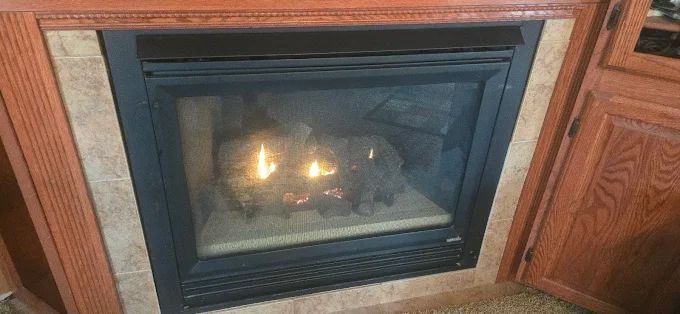
Changing a wood-burning fireplace over to clean, convenient gas operation.
Learn about Wood-to-Gas Fireplace Conversion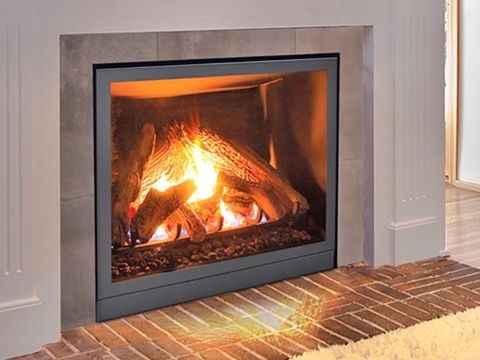
Diagnosing why a gas fireplace won't light, stay lit, or run cleanly, and correcting it.
Learn about Gas Fireplace Repair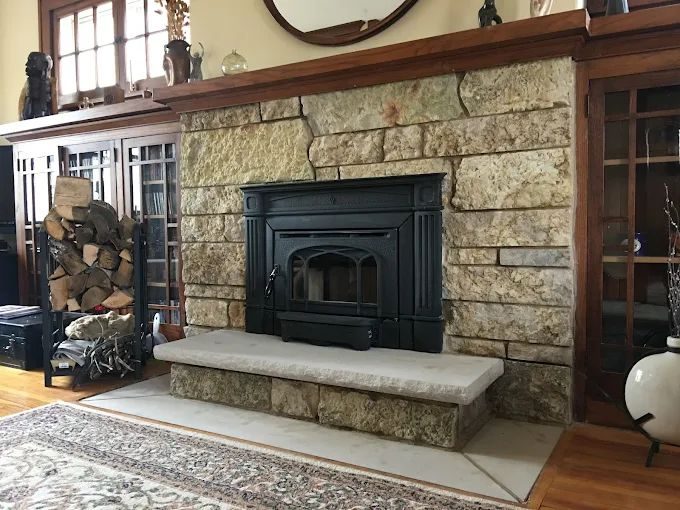
Fitting an efficient sealed insert into an existing fireplace opening.
Learn about Fireplace Insert InstallationKeep reading
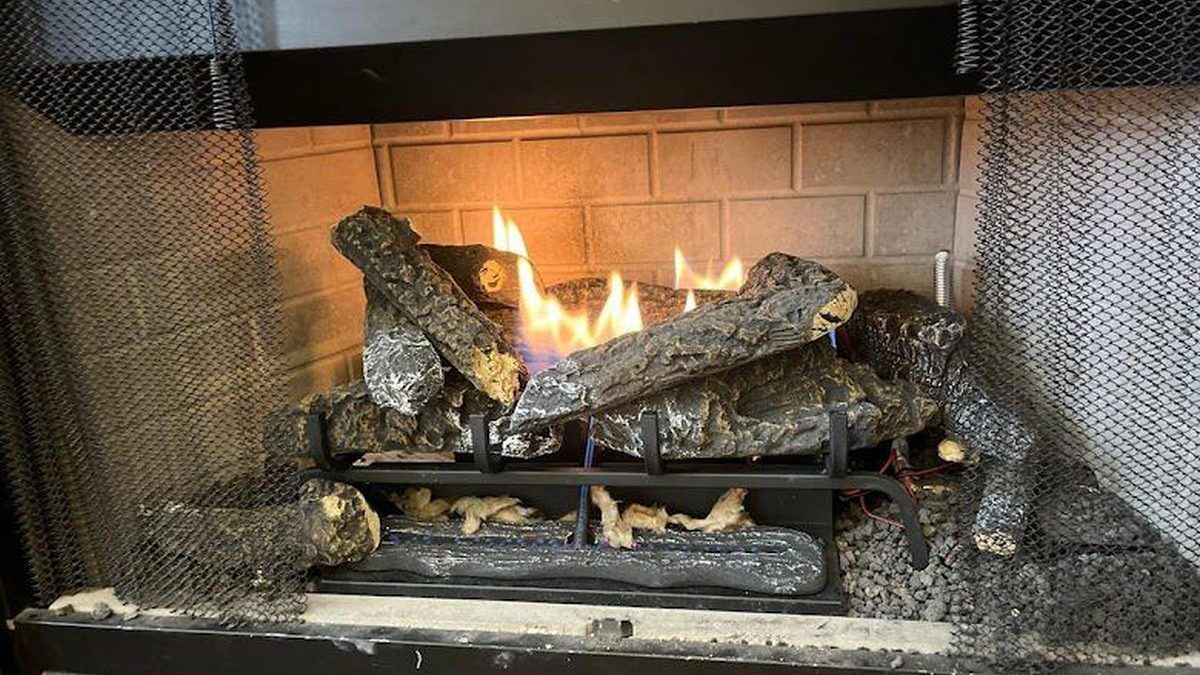
Before installing gas logs, learn why the existing fireplace, venting, fuel supply, appliance instructions, and property requirements must be evaluated.
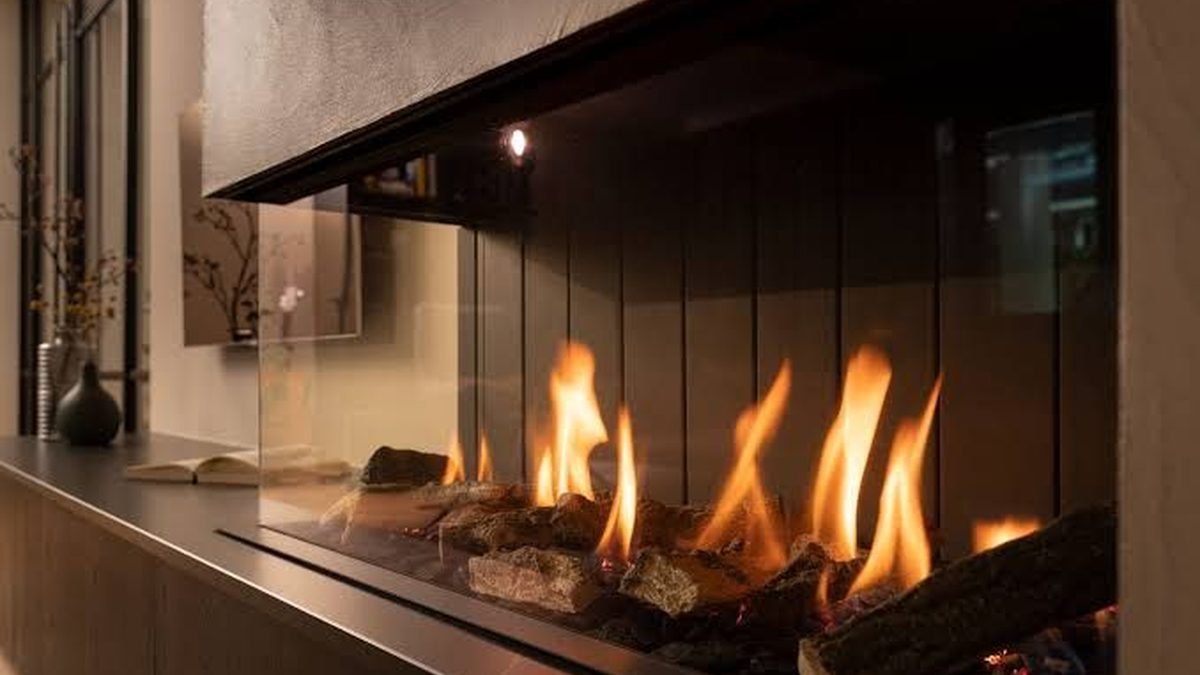
Gas fireplaces use different venting designs. Learn why whether a gas fireplace needs a chimney depends on the specific appliance and installation.
Learn what a flue liner does, the signs that may call for closer evaluation, and why liner repair or relining decisions require property-specific assessment.
Get in touch
Tell us about your chimney or fireplace and the best number to reach you. Full name, phone, and ZIP are required.