Level 1, Level 2, and Level 3 Chimney Inspections Explained
Learn the practical difference between Level 1, Level 2, and Level 3 chimney inspections and why the right level depends on the property and concern.
Cleaning & Inspections
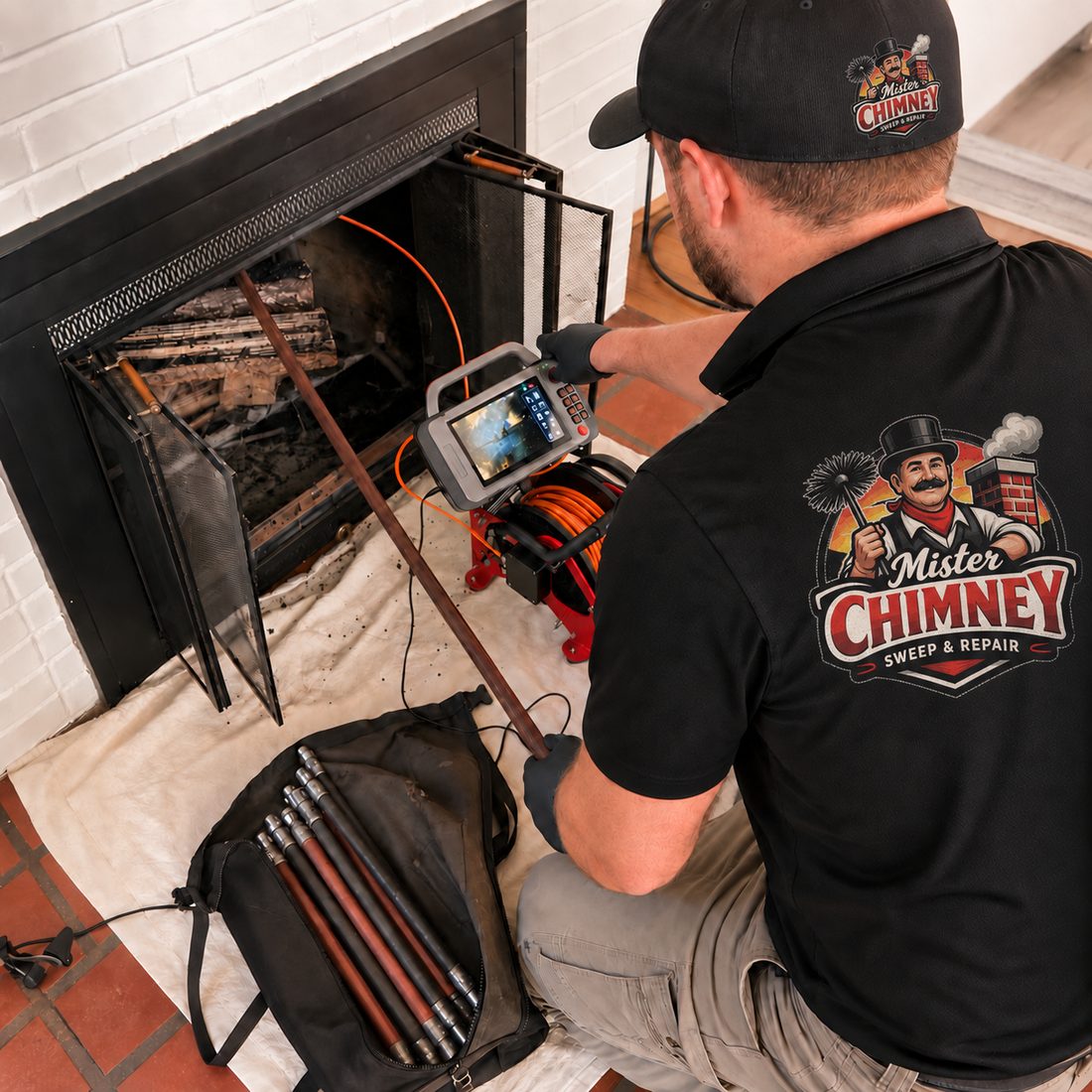
Chimney inspection cost is tied to the scope of the visit, not simply the number of minutes a technician spends at the fireplace. A routine look at accessible components, a camera-assisted review, an evaluation after a change in appliance, and an inspection connected to a real-estate decision are not necessarily the same service.
That is why a responsible company should first ask why the inspection is needed. The homeowner may be preparing for seasonal use, responding to smoke or an odor, checking an older fireplace before purchase, investigating water entry, or trying to understand a repair recommendation. Each situation can change what needs to be reviewed and how the findings should be documented.
A routine condition review may focus on readily accessible fireplace and chimney components. The technician asks about use, checks the visible system, and looks for signs of wear, moisture, deposits, or changes in performance. This type of visit can be appropriate when the system will continue to be used in the same way and there is no known concern requiring a broader look.
Other situations call for more. A change in fuel type or appliance, a known chimney fire, a home sale, a water problem, or a draft issue may justify a more detailed evaluation. A Level 2 chimney inspection or camera chimney inspection may be discussed if accessible observations do not answer the question responsibly.
The point is not to make every inspection larger. It is to match the inspection to the property, the system, and the concern that brought the homeowner to call.
Masonry fireplaces, prefab fireplaces, wood stoves, pellet systems, and gas fireplaces are built differently. The number of flues, the height of the chimney, the appliance connection, and the available access points all influence how an inspection is performed.
An older masonry chimney may have visible brick, mortar, crown, cap, and flashing conditions to review. A factory-built fireplace may have panels, a chase, and components that need a different approach. A gas appliance raises questions about visible condition and system operation that are not identical to a wood-burning fireplace. Treating all systems as one fixed inspection price makes it harder to give the homeowner a meaningful explanation.
The location of the fireplace, roof accessibility, height, attic or basement access where appropriate, and obstacles around the work area are practical factors. So is the level of documentation needed. A homeowner who simply wants to understand a routine condition may need a different type of report than a buyer, seller, property manager, or owner trying to plan a repair.
Documentation should be useful, not theatrical. Photos or video can help explain a condition that the homeowner cannot see directly. They can also make a repair conversation more specific: what was seen, where it was observed, and what the next logical step may be.
An inspection may result in a recommendation, but it should not be priced or presented as an automatic repair package. A cracked crown, worn cap, moisture issue, or liner concern may need attention, yet the homeowner should first understand the finding and options.
Sometimes the appropriate outcome is routine maintenance. Sometimes it is monitoring. Sometimes it is a focused repair such as chimney crown repair or chimney leak repair. The assessment needs to come before a firm recommendation, especially when the whole system cannot be understood from a single visible symptom.
When you contact Mister Chimney, describe the system and the reason for the visit. Mention whether it is wood-burning, gas, pellet, or another type of appliance; how often it is used; any history of water, smoke, odor, or repairs; and whether there has been a change in ownership or equipment.
That information does not replace an on-site evaluation. It simply helps establish a sensible starting point. The best inspection is not the cheapest or the broadest by default. It is the one that gives you a clear, honest picture of the condition relevant to your situation.
Camera work can add a closer review of areas that are not adequately understood from accessible portions alone. Whether it is appropriate depends on the system and the question that needs to be answered.
Inspection and repair should be separated. If a condition is found, the technician should explain it, outline the options, and give the homeowner an opportunity to approve a repair before work begins.
Share the appliance type, the number of fireplaces if known, the reason for the inspection, reported symptoms, access considerations, and any relevant history. These details help determine the right scope for the visit.
For a condition-focused review in St. Louis or Kansas City, request a chimney inspection with Mister Chimney. We will discuss the purpose of the visit first, then explain what the accessible system shows and what options make sense.
How we can help
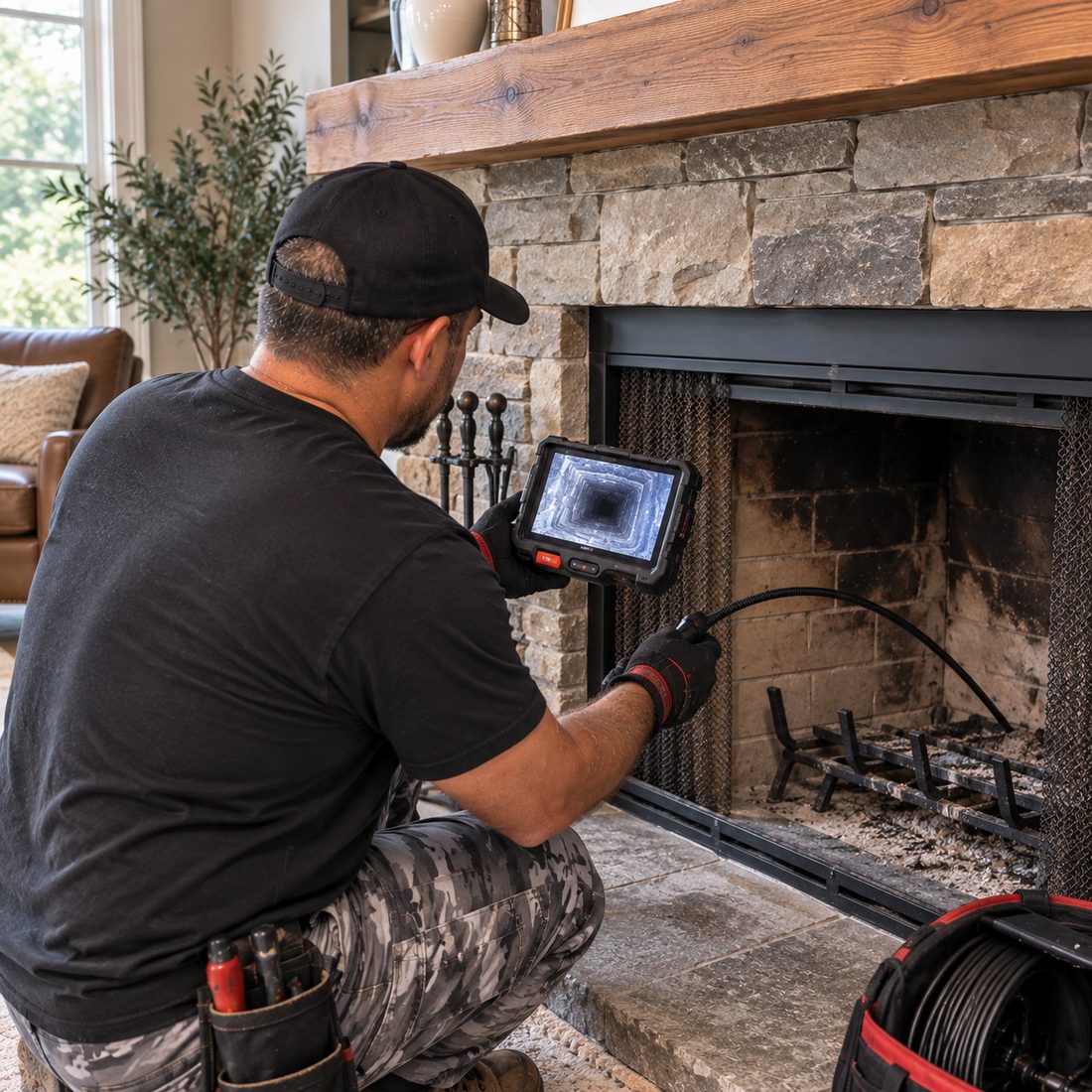
A structured look at the flue, firebox, and exterior to document the system's condition.
Learn about Chimney Inspection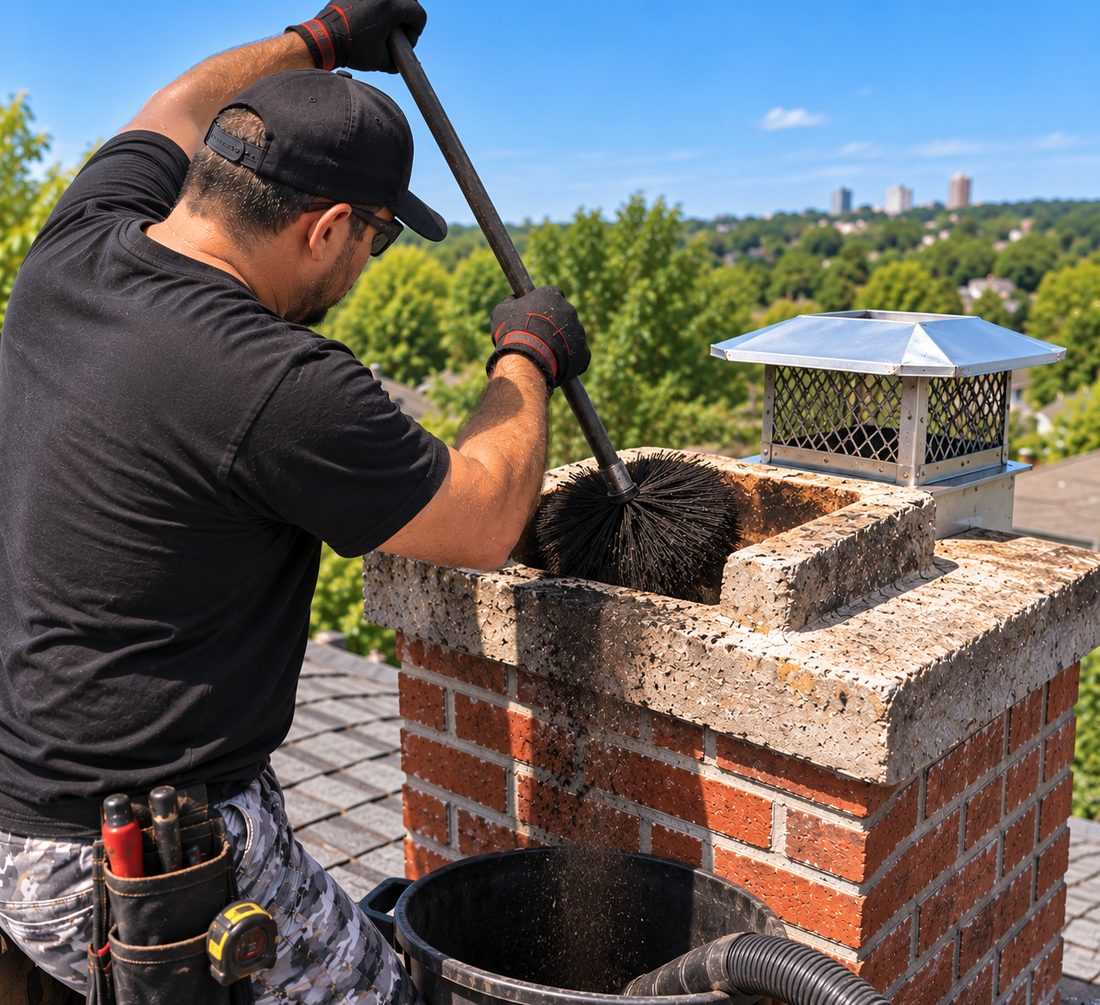
Removing soot and creosote so a flue can vent the way it was designed to.
Learn about Chimney Cleaning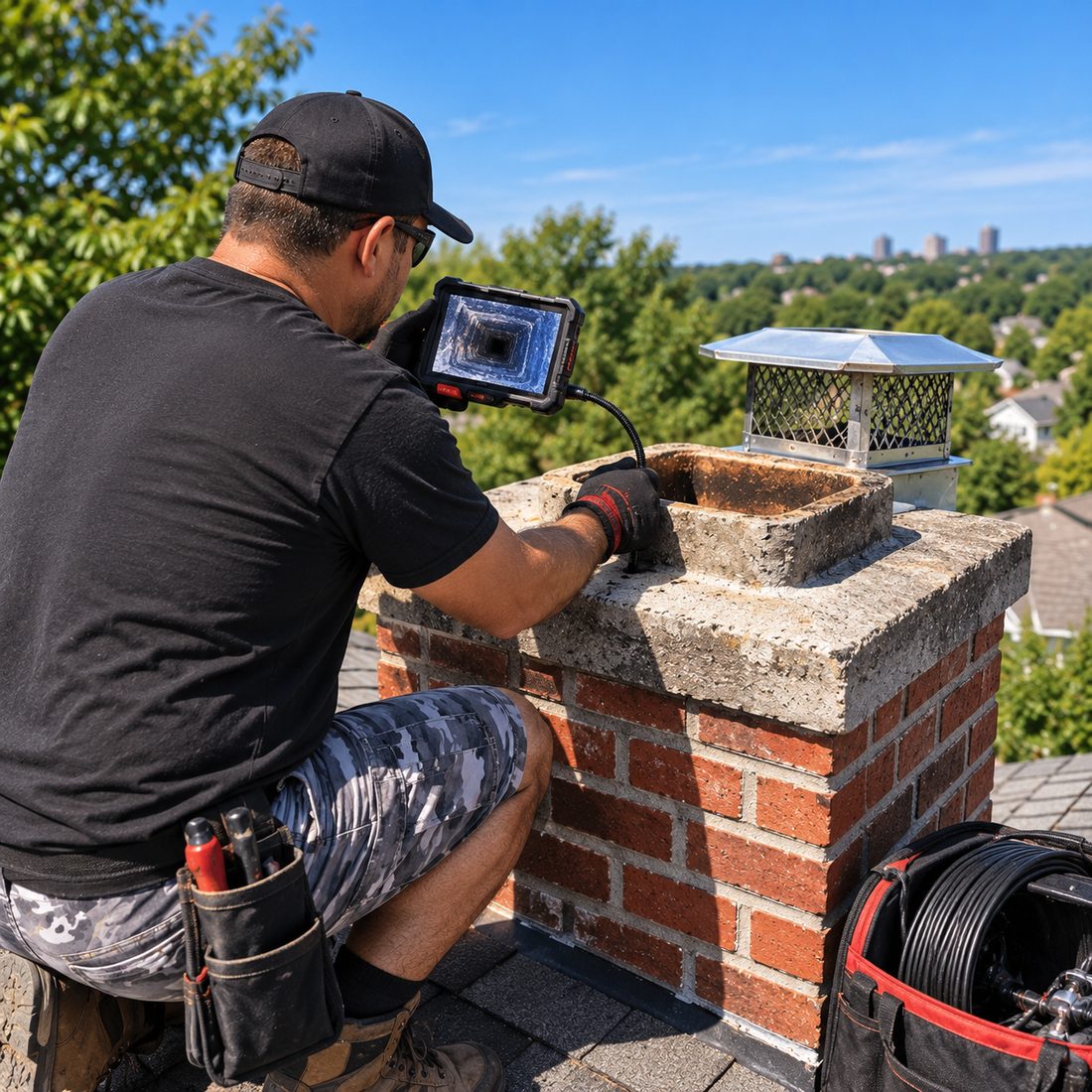
A video scan of the flue interior that shows what a view from below cannot.
Learn about Camera Chimney InspectionKeep reading
Learn the practical difference between Level 1, Level 2, and Level 3 chimney inspections and why the right level depends on the property and concern.
Learn when a camera chimney inspection can add useful information about flue conditions, obstructions, damage, and hard-to-see areas.
Learn what a chimney inspection can help identify, what the visit may include, and when Missouri homeowners should arrange an evaluation.
Get in touch
Tell us about your chimney or fireplace and the best number to reach you. Full name, phone, and ZIP are required.