Chimney Cleaning vs. Chimney Inspection: What Is the Difference?
Chimney cleaning and inspection serve different purposes. Learn what each visit addresses and when Missouri homeowners may need one or both.
Cleaning & Inspections
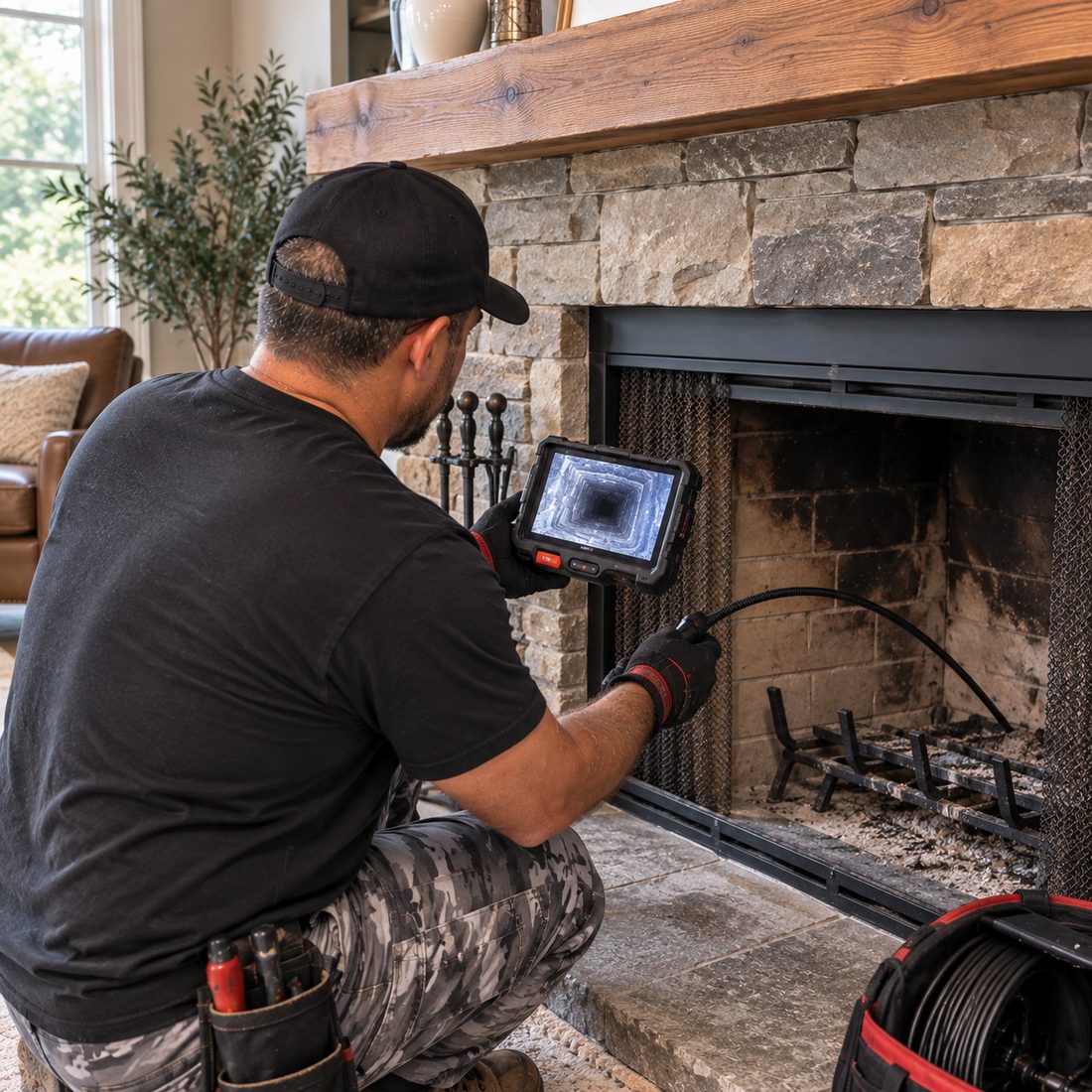
A chimney inspection is not simply a quick look up at the roof or a glance inside the firebox. It is a practical way to understand the condition of the accessible parts of a fireplace and chimney system before a small concern turns into a harder decision.
For a Missouri homeowner, that concern might be a smoky smell after rain, loose mortar near the top of the chimney, a fireplace that no longer drafts the way it once did, or a system that has been unused for several seasons. In other cases, there may be no obvious symptom at all. The homeowner may be preparing for colder weather, buying an older home, or trying to understand what previous work was done.
An inspection can help organize those questions. It can identify accessible conditions that deserve attention, show where more evaluation may be useful, and give the homeowner a clearer picture of the options. It should not be presented as a universal pass-or-fail certificate. Chimneys, fireplaces, vents, masonry, dampers, caps, and liners are all different, and the appropriate scope depends on the system and the reason for the visit.
The visible and accessible portions of the system are the starting point. Inside the home, that can include the firebox, hearth area, damper, smoke chamber where accessible, and signs of staining, cracking, moisture, or debris. Outside, a visit may include visible masonry, the crown, cap or chase cover, flashing, and the way water appears to move around the chimney.
The flue is also important, but what can be seen depends on the construction of the system and the inspection level needed. If a homeowner reports a change in performance, water entry, a past chimney fire, a change in appliance, or a concern that cannot be understood from accessible areas, a closer evaluation may be appropriate. That is why a good inspection begins with the homeowner’s history, not just the condition visible that day.
At Mister Chimney, the goal is to explain what is observed in plain language. A homeowner should know what looks routine, what should be monitored, what may need repair, and why. If the condition is not clear enough to recommend work responsibly, the next step should be explained rather than guessed.
Cleaning and inspection often happen during the same appointment, but they are not interchangeable. Chimney cleaning and sweeping focuses on removing serviceable soot, ash, creosote, and debris from appropriate areas. An inspection focuses on condition: how the accessible system appears to be performing, whether visible parts show wear or moisture, and whether there are signs that more evaluation is needed.
A fireplace can look clean from the room and still have a condition worth discussing. The opposite is also true: a system may need routine cleaning without requiring a major repair. Separating those ideas helps prevent two common mistakes—assuming every cleaning must lead to repair work, or assuming cleaning alone answers every condition question.
There is no need to wait for a dramatic problem. An inspection is sensible before returning an unused fireplace to service, after a known change in performance, after a water concern, when buying or selling a home with a fireplace, or when a property manager needs current condition information. Many homeowners also use an inspection as part of seasonal planning, especially when wood-burning equipment will be used again.
Call for an evaluation sooner if smoke enters the room, a strong odor develops, water appears near the fireplace, pieces of masonry are loosening, or an appliance has been changed. Those symptoms do not identify one exact repair by themselves, but they are useful reasons to have the system reviewed before continued use.
Before the appointment, note when the concern happens. Does an odor appear only after rain? Does smoke enter the room at the beginning of a fire, throughout use, or only on windy days? Has the fireplace been used recently? Were any repairs made by a prior owner? Photos taken after a storm or a short record of changes can make the conversation more focused.
It is also helpful to make the fireplace area accessible and let the technician know about attic, basement, or roof access restrictions. That does not guarantee every area can or should be inspected, but it helps define the appropriate scope before work begins.
An inspection should leave you with a clearer next step, not more confusion. Sometimes that step is routine maintenance. Sometimes it is a focused repair such as chimney flashing repair, masonry repair, or a closer look at a liner. And sometimes the right answer is simply to monitor a condition and keep records. Clear information is the point.
No. An inspection is a way to understand accessible conditions and how the system has been performing. It may confirm that routine maintenance is appropriate, identify a condition to monitor, or show why another step should be considered.
Often, yes. The work should still be described as two related services: cleaning addresses serviceable deposits and debris, while inspection focuses on the condition of accessible components and any concerns reported by the homeowner.
Mention smoke, odors, water, changes in draft, a long period without use, recent storms, appliance changes, and any prior chimney or fireplace work you know about. Even small details can help guide a more focused evaluation.
If you need a straightforward explanation of a chimney or fireplace concern in St. Louis or Kansas City, request a chimney inspection with Mister Chimney. We will review the accessible system, explain what we see, and discuss appropriate options before any repair is recommended.
How we can help
A structured look at the flue, firebox, and exterior to document the system's condition.
Learn about Chimney Inspection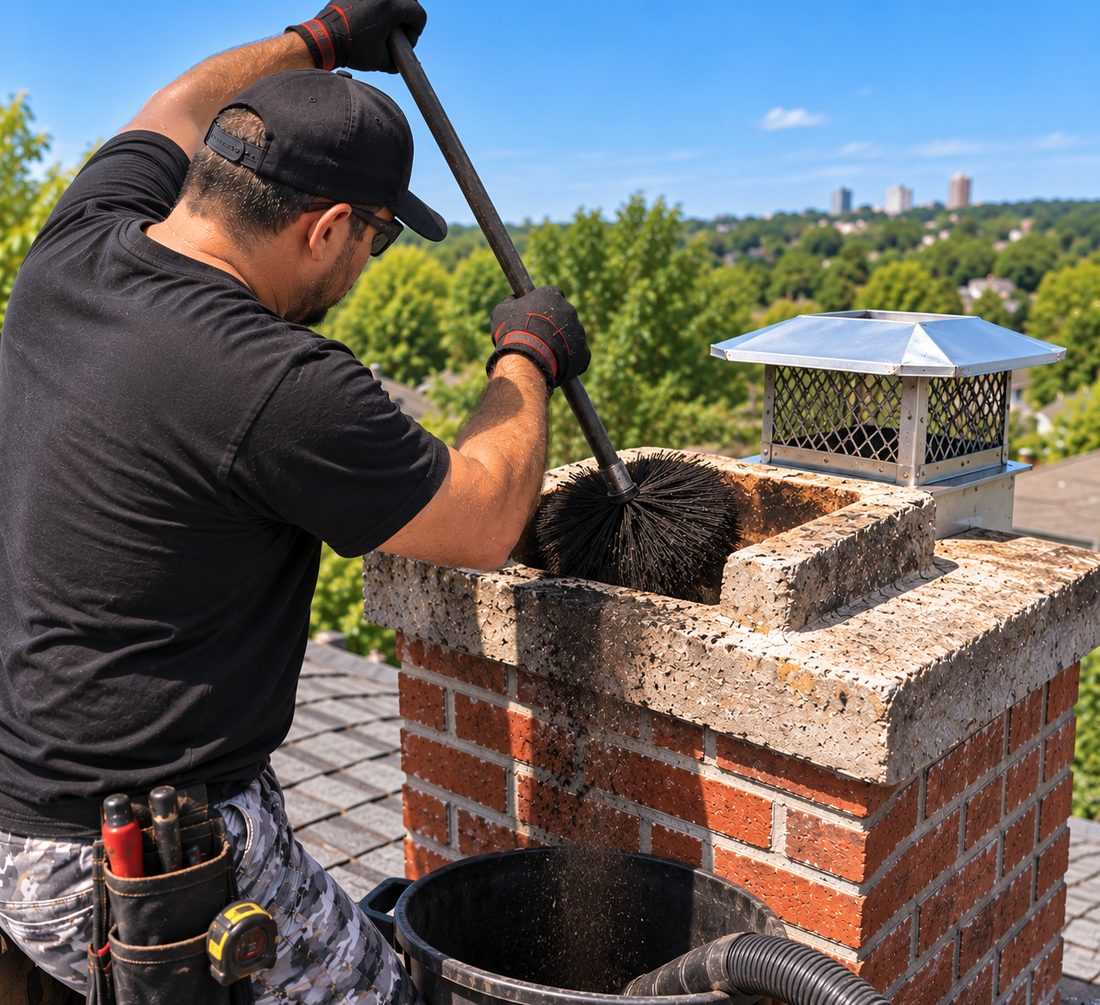
Removing soot and creosote so a flue can vent the way it was designed to.
Learn about Chimney Cleaning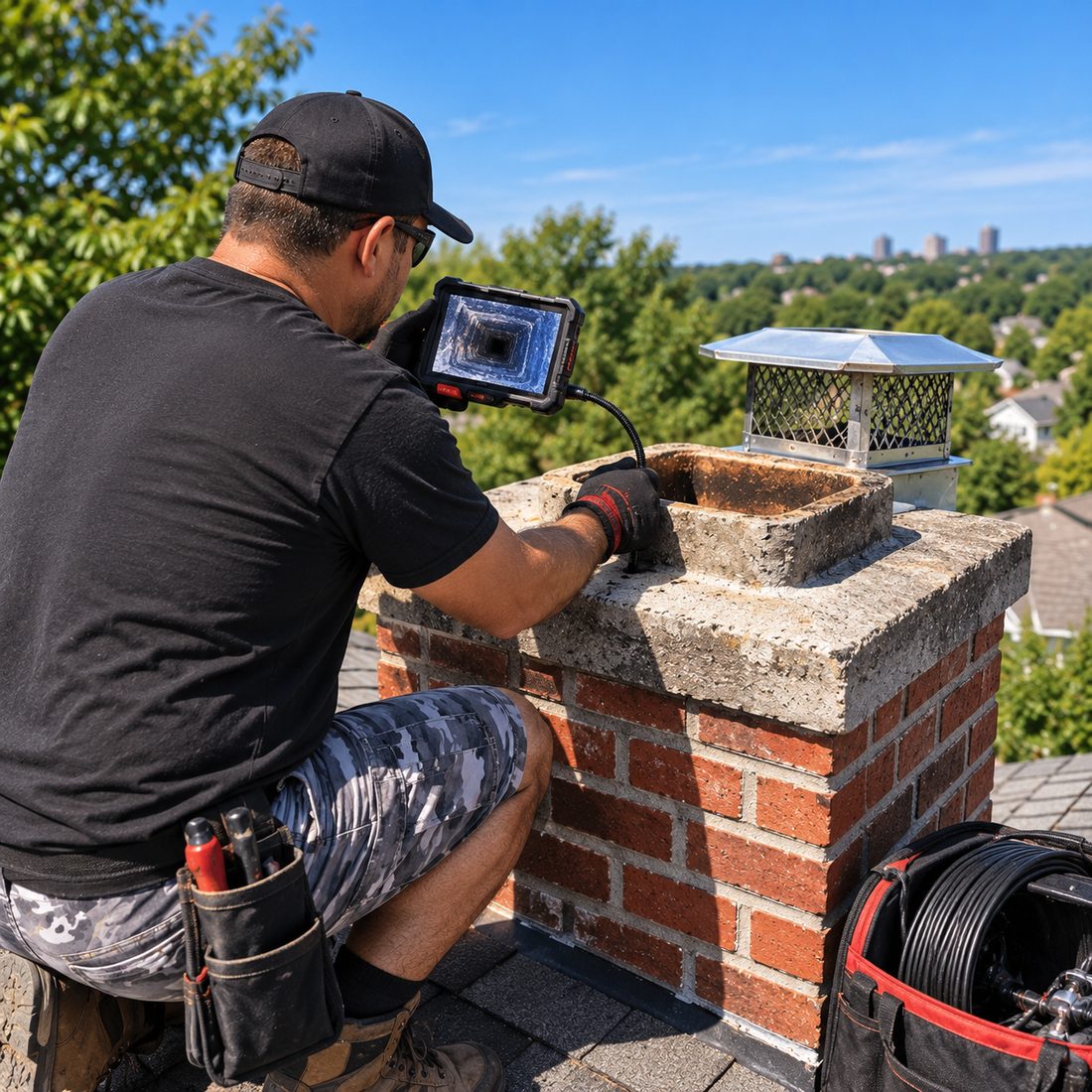
A video scan of the flue interior that shows what a view from below cannot.
Learn about Camera Chimney InspectionKeep reading
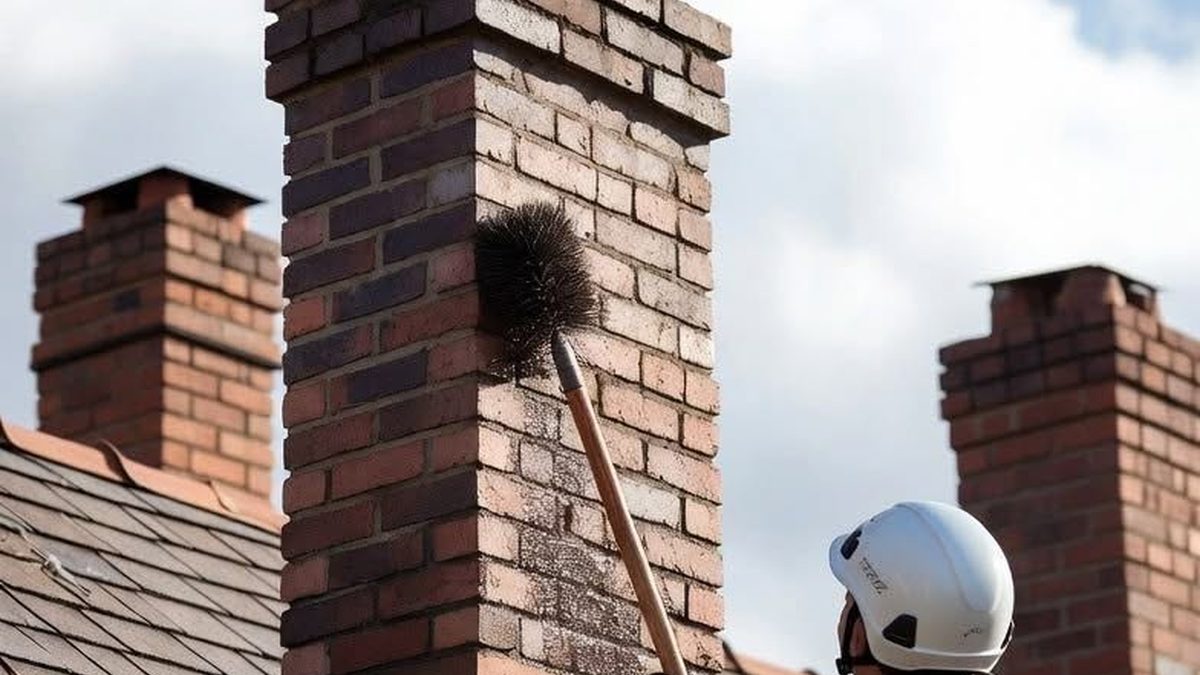
Chimney cleaning and inspection serve different purposes. Learn what each visit addresses and when Missouri homeowners may need one or both.
Learn when a camera chimney inspection can add useful information about flue conditions, obstructions, damage, and hard-to-see areas.
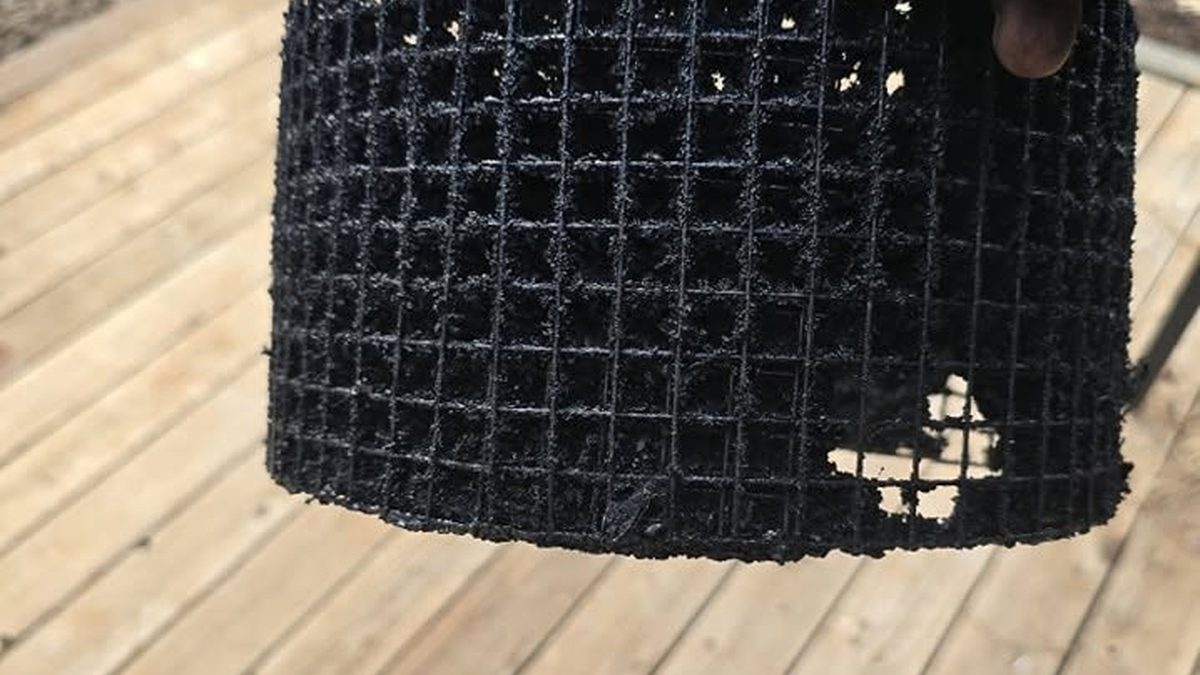
Learn which fireplace changes should prompt you to stop using the system and arrange a chimney or fireplace inspection before the next fire.
Get in touch
Tell us about your chimney or fireplace and the best number to reach you. Full name, phone, and ZIP are required.