What Happens During a Professional Chimney Cleaning?
See what a professional chimney cleaning visit may involve, from protecting the work area to reviewing accessible conditions and next steps.
Cleaning & Inspections
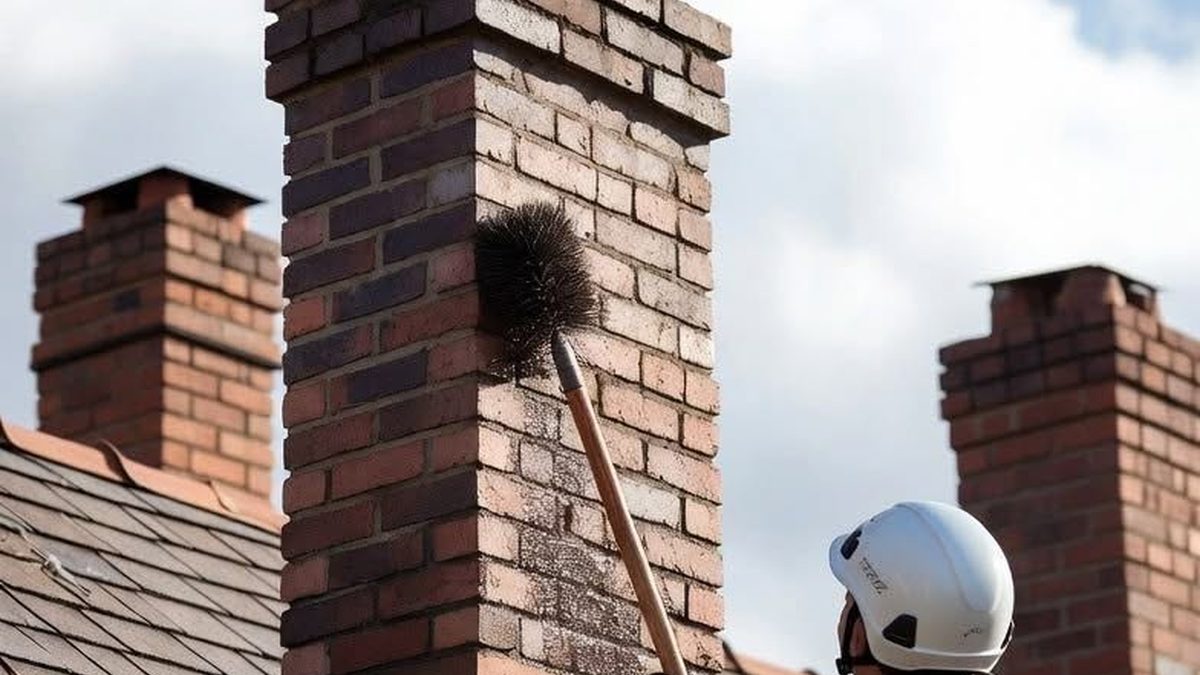
Homeowners often use the words “cleaning” and “inspection” as if they mean the same thing. They are related, and they may happen in one appointment, but they answer different questions.
Cleaning asks: what serviceable soot, ash, creosote, or debris can be removed from the areas being worked on? Inspection asks: what is the accessible condition of the fireplace and chimney system, and are there signs that deserve attention? Knowing the difference makes it easier to request the right service and understand the findings when a technician arrives.
Chimney cleaning and sweeping is maintenance work. Its purpose is to remove deposits and debris from serviceable portions of the fireplace, flue, and connected equipment as appropriate for the system. The exact process varies. A wood-burning fireplace may have soot and creosote concerns; a gas fireplace may need a different type of maintenance; a pellet stove or wood stove has its own venting and appliance considerations.
Good cleaning work also protects the home. The fireplace opening and nearby floor should be prepared before equipment is brought in, and the work area should be left orderly after service. But a clean fireplace is not automatically proof that every part of the system is in good condition. Cleaning reveals some conditions, but it is not a substitute for evaluating why a system smells, leaks, drafts poorly, or shows visible damage.
A chimney inspection is about condition and suitability for the way the system is being used. The technician reviews accessible components, asks about the homeowner’s concerns, and looks for indications of wear, moisture, damage, obstruction, or changes that may need more evaluation.
For example, an inspection may include a look at the firebox, damper, accessible smoke chamber, visible flue areas, cap or chase cover, crown, flashing, masonry, and signs of water entry. The exact scope should be based on the property and the reason for the visit. If a concern cannot be understood from accessible portions, a camera chimney inspection or a different inspection level may be the practical next step.
An inspection is not an excuse to turn every routine visit into a repair sale. The homeowner should be shown what was observed and given an explanation of why it matters. If work is recommended, the recommendation should fit the condition—not a generic package.
Cleaning is often a sensible starting point when a wood-burning fireplace or stove has been used through a season and there is no known performance or water concern. It can also make sense after a long period of nonuse, provided the system is evaluated appropriately as part of the visit.
Cleaning may reveal conditions that were not obvious before work began. A deposit pattern, loose component, moisture mark, animal activity, or damaged area can change what should happen next. That does not mean the cleaning was unnecessary; it means maintenance and condition evaluation work together.
Start with inspection when there is smoke in the room, a new or persistent odor, visible cracking, water near the fireplace, a damaged cap, changes after a storm, a known appliance change, or a concern following a real-estate transaction. These situations are not well served by guessing based on photographs alone.
Inspection is also important before a fireplace is returned to use after a long break. Homeowners sometimes assume that an unused fireplace is automatically a low-risk fireplace. In reality, nonuse can leave unanswered questions about moisture, debris, animals, or changes in the property around the system.
In practice, a cleaning and inspection often complement each other. Cleaning gives better access to some serviceable areas, and inspection adds context to what is found. The important part is honest communication. You should know whether the appointment includes cleaning, what kind of inspection is being performed, and whether any additional work is being suggested.
Mike Sullivan’s approach is simple: “Show people what you see, explain their options, and let them make the decision.” That is especially important with chimneys because a homeowner usually cannot see the entire system from the living room or ground level.
Not always. Appearance from the room does not show every accessible part of a fireplace or chimney. Routine cleaning can be valuable, but an inspection helps address condition, changes in performance, and concerns involving water, smoke, or visible damage.
Yes. Removing serviceable deposits and debris can make some conditions easier to see. If a concern is found, the technician should explain it clearly and describe whether further evaluation or repair may be appropriate.
Gas systems have different service needs than wood-burning systems, but they still benefit from condition-focused maintenance. If a gas fireplace has an operating change, odor, visible issue, or has been unused for a long period, arrange a gas fireplace repair evaluation rather than assuming it is maintenance-free.
For a Missouri chimney or fireplace that needs routine maintenance, a condition review, or both, Mister Chimney can help you understand the right starting point. Request chimney cleaning and sweeping and we will explain the scope before work begins.
How we can help
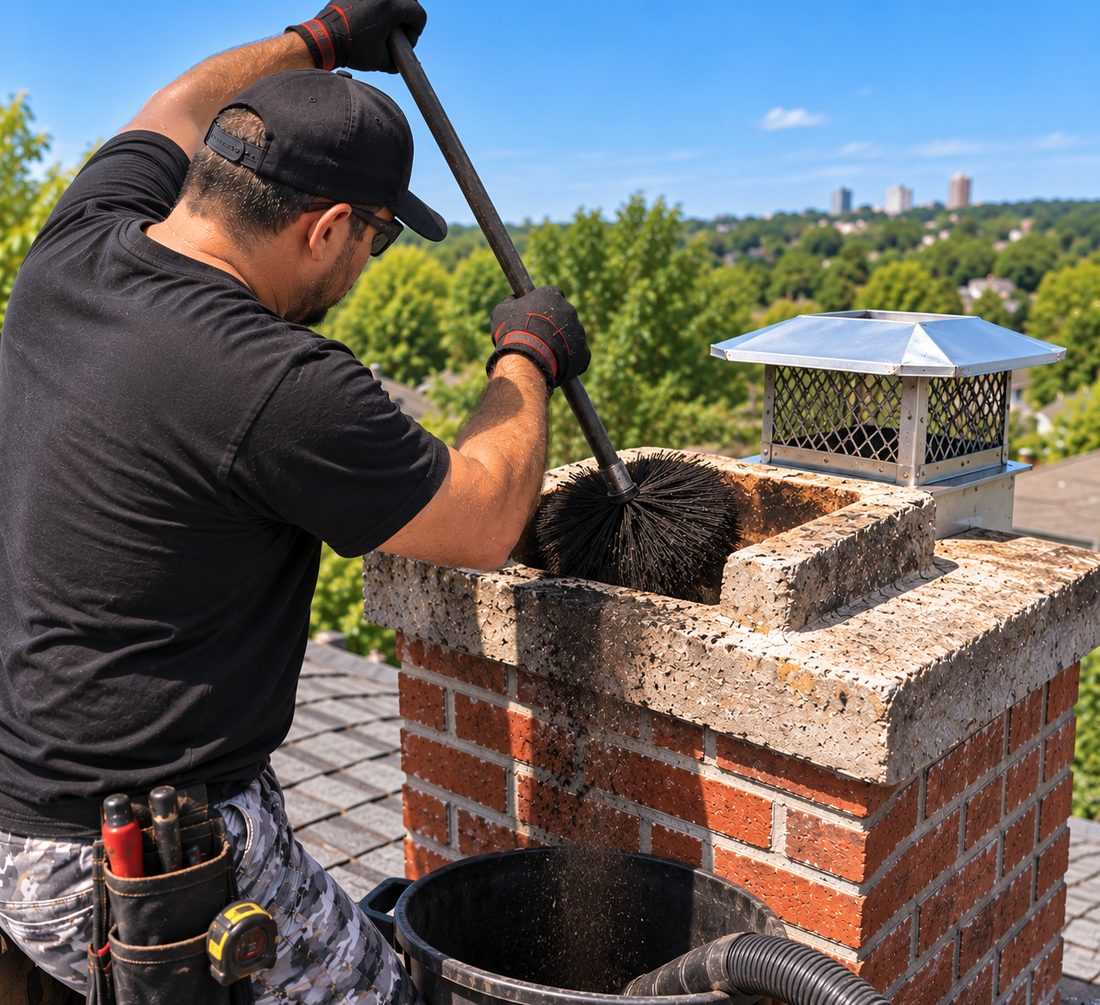
Removing soot and creosote so a flue can vent the way it was designed to.
Learn about Chimney Cleaning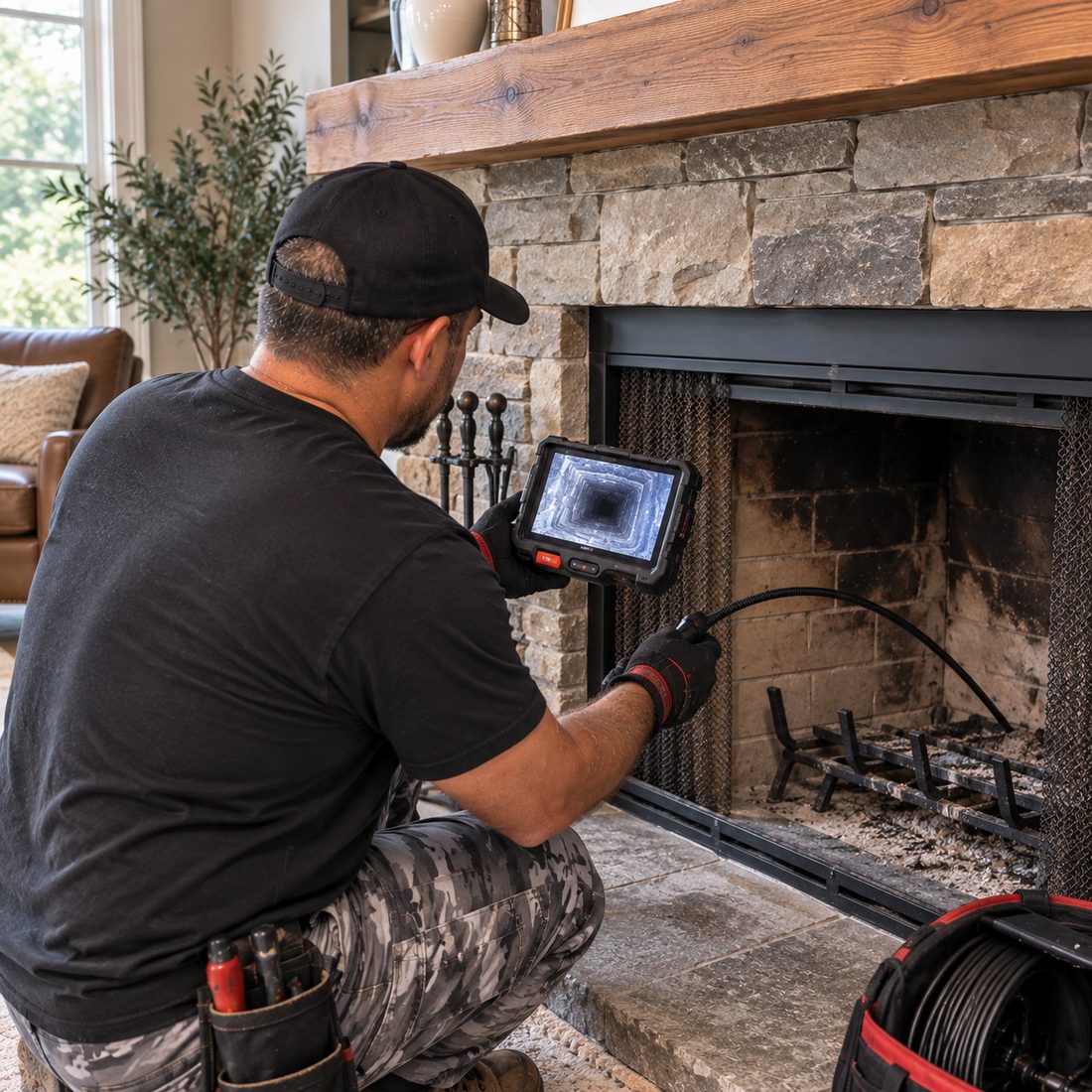
A structured look at the flue, firebox, and exterior to document the system's condition.
Learn about Chimney Inspection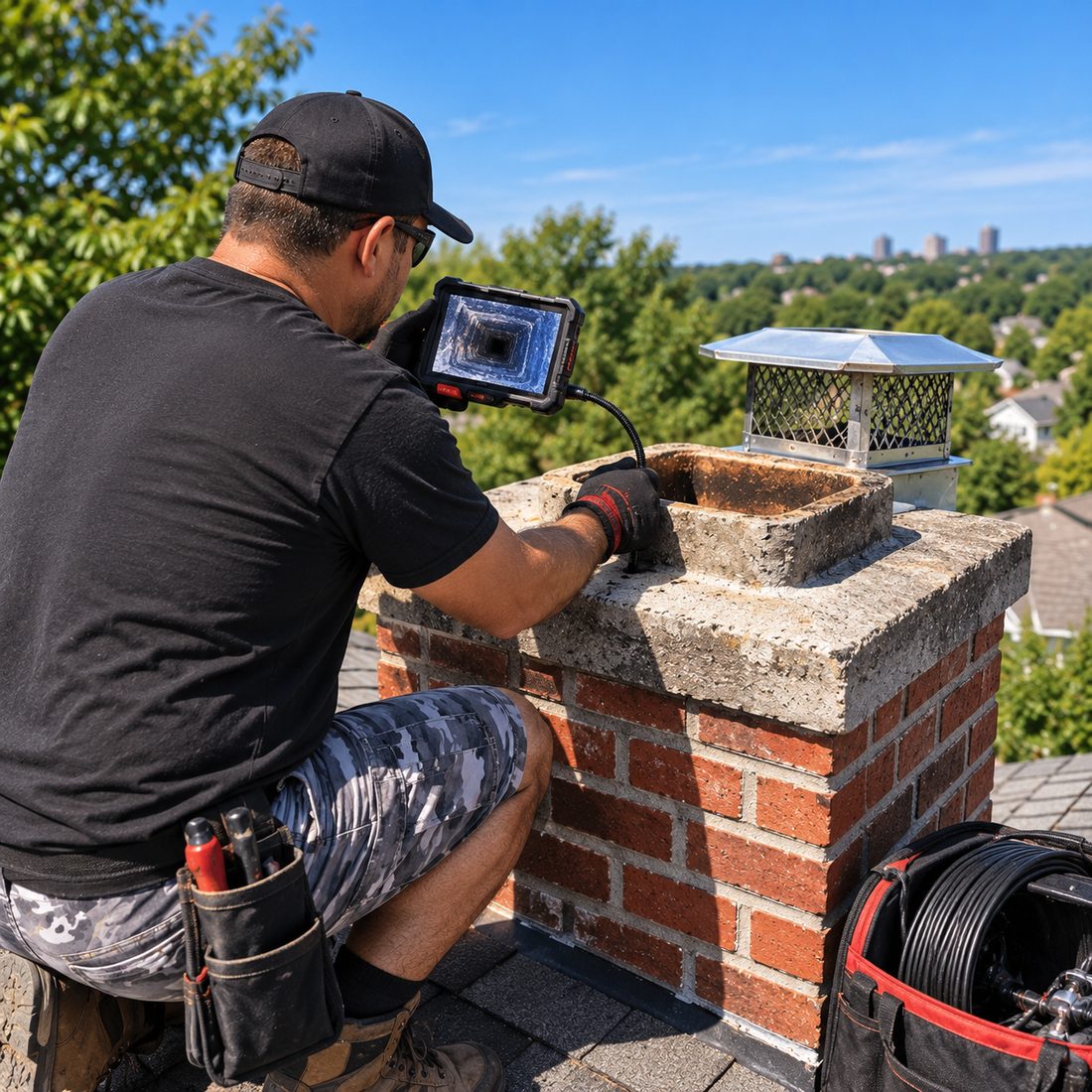
A video scan of the flue interior that shows what a view from below cannot.
Learn about Camera Chimney InspectionKeep reading
See what a professional chimney cleaning visit may involve, from protecting the work area to reviewing accessible conditions and next steps.
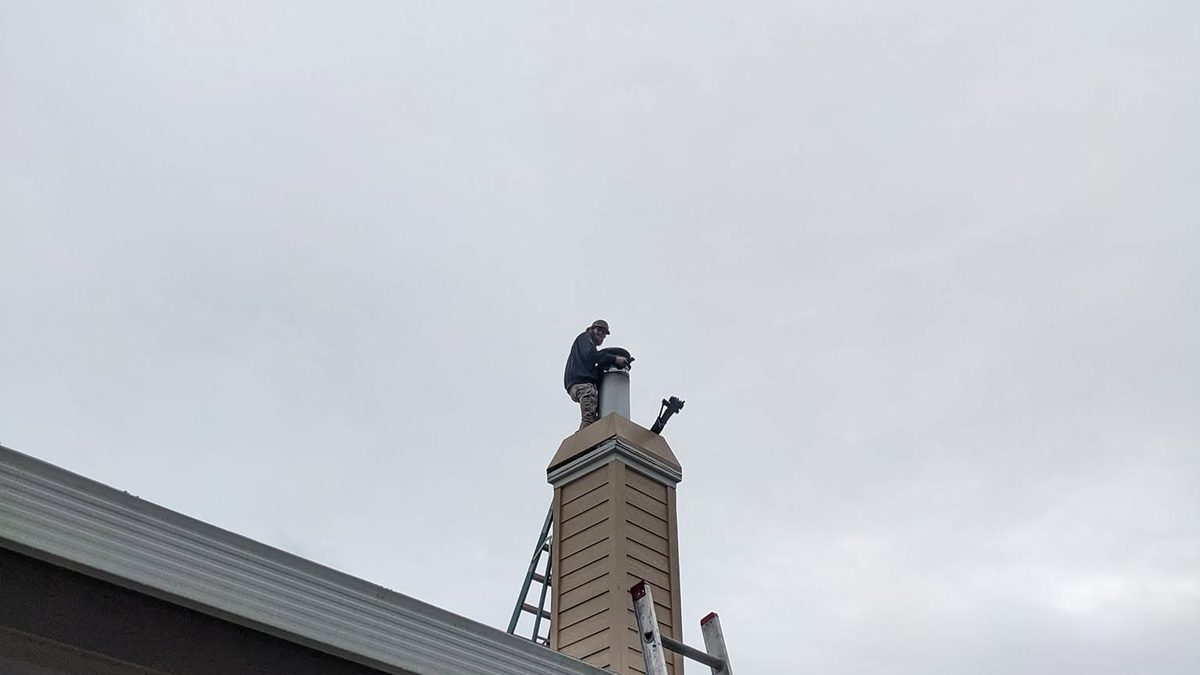
Learn the practical difference between Level 1, Level 2, and Level 3 chimney inspections and why the right level depends on the property and concern.
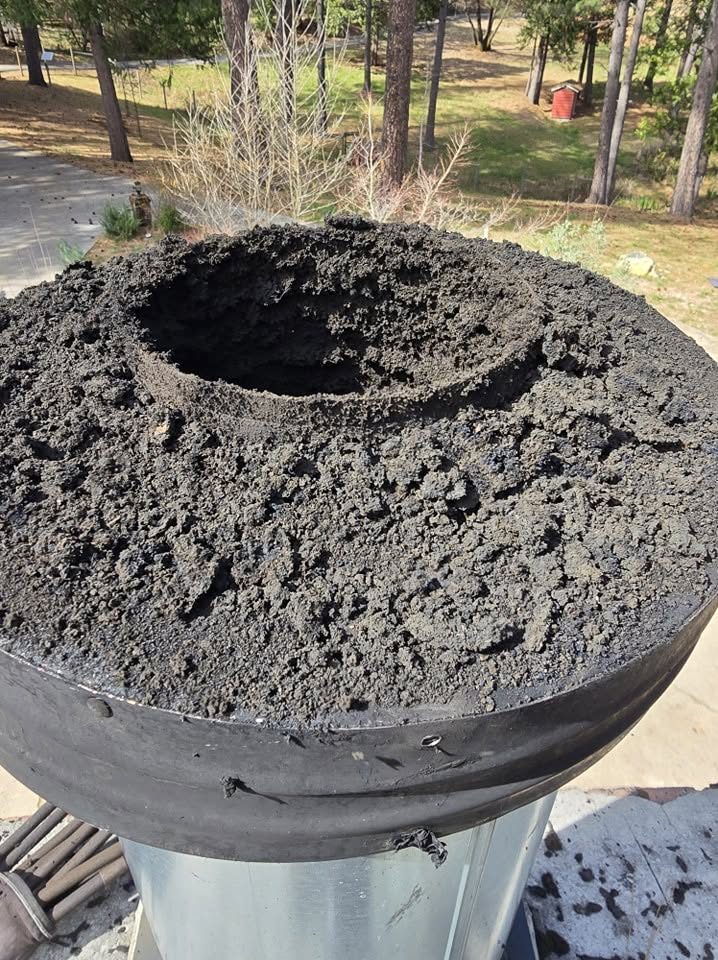
Learn what creosote is, why it forms in wood-burning systems, what affects buildup, and when a professional chimney cleaning is appropriate.
Get in touch
Tell us about your chimney or fireplace and the best number to reach you. Full name, phone, and ZIP are required.