
How Often Should You Clean a Chimney in Missouri?
Learn what affects chimney cleaning frequency in Missouri, including use, fuel type, system condition, moisture, and changes in fireplace performance.
Cleaning & Inspections
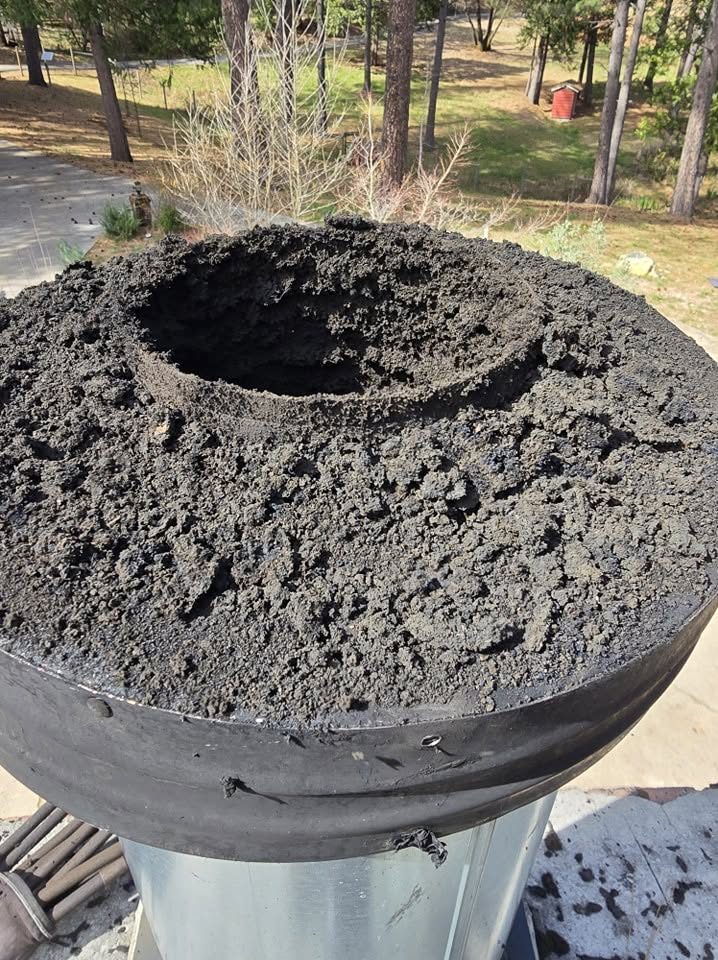
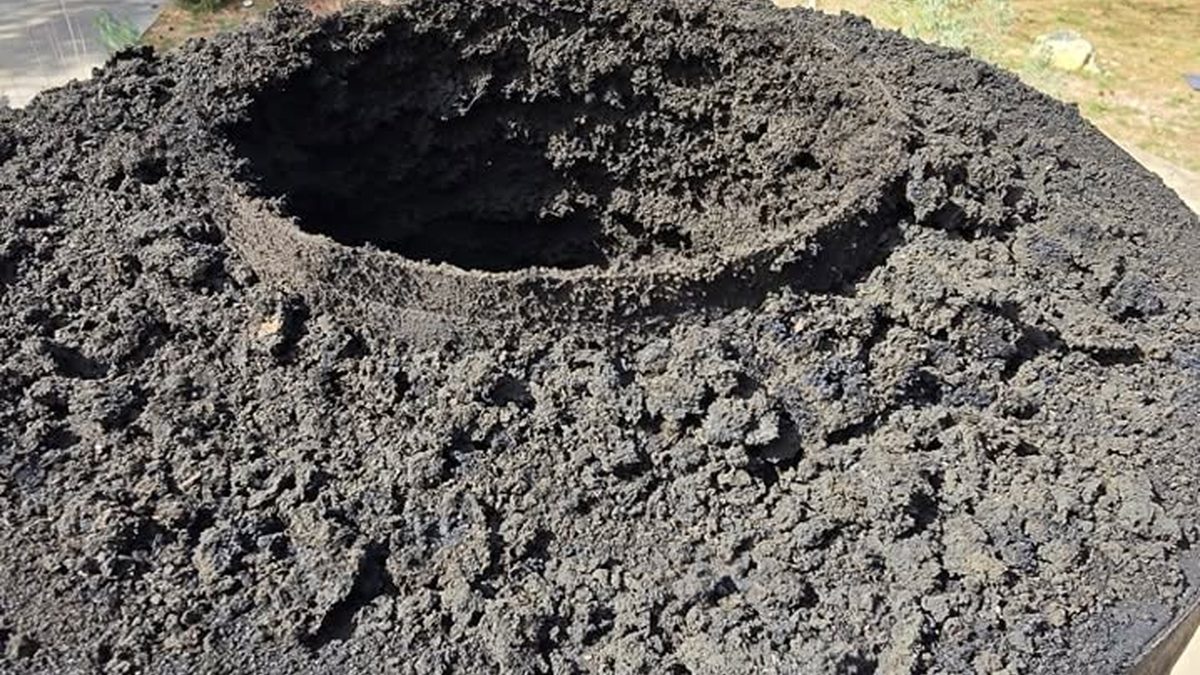
Creosote is a byproduct of burning wood. It forms when smoke and combustion byproducts cool and condense inside a chimney or flue. Some buildup can occur with normal use, but the amount and character of the deposits can vary with how the fireplace or stove is operated, the quality of the wood, the draft, and the design of the system.
For homeowners, the practical message is simple: creosote is a reason to take routine wood-burning chimney maintenance seriously. It is not something to ignore because the fireplace still looks fine from the room, and it is not something to diagnose or remove with improvised tools.
Wood smoke carries moisture, gases, and tiny particles. As those byproducts move through a cooler flue, they can leave deposits behind. Restricted airflow, a cold flue, wet or green wood, and incomplete combustion can contribute to more smoke and more buildup.
The exact appearance can vary. Some deposits may look like light soot, while others can become thicker or more difficult to remove. What matters is not trying to classify the deposit from a smartphone photo. A professional cleaning and chimney inspection can help determine what is present in accessible areas and whether the system is operating in a way that deserves attention.
The way a wood-burning fireplace or stove is used has an effect on smoke and deposits. Burning dry, properly stored wood is generally a better starting point than burning wet or unseasoned wood. Good airflow also matters. When smoke lingers instead of moving through the system as it should, deposits can form more readily.
That does not mean homeowners should make major operating changes without understanding their appliance. Follow the manufacturer’s instructions for the fireplace, stove, or insert, use only appropriate fuel, and arrange a professional evaluation if there is smoke in the room, an unusual odor, or a change in performance.
The firebox is the part of the system you can see easily. The flue is not. A fireplace may look tidy after ashes are removed while deposits have formed higher in the chimney. This is one reason routine chimney cleaning and sweeping should include discussion of the system’s use history and a review of accessible conditions.
Do not rely on chemical logs, household cleaners, or borrowed brushes as a substitute for professional maintenance. Products marketed as quick solutions can create a false sense of security and may not address the condition of the system. If there is concern about buildup, the appropriate response is to have the fireplace and chimney evaluated.
Wood-burning systems also need attention to the damper, firebox, smoke chamber, liner, cap, crown, masonry, and other components. A drafting problem may contribute to deposits, but it can also point to another condition. Water can affect masonry and metal components even if the fireplace is not used often. Animal activity can introduce debris that has nothing to do with creosote.
That is why a good service visit does not stop at “we found creosote.” The homeowner should understand what was cleaned, whether visible components need attention, and whether any change in use or further evaluation makes sense.
Keep the area around the fireplace clear of combustible items. Use the system only as intended, burn suitable dry wood in a wood-burning appliance, and watch for changes such as smoke entering the room, a strong odor, falling debris, or unusual draft. If those signs appear, stop using the fireplace until it can be reviewed.
Before the next heating season, schedule maintenance based on use history and condition rather than assuming the chimney is fine because it was not used heavily. Clear information is more useful than a guess, particularly when deposits are inside a flue that cannot be evaluated from the hearth.
Both are combustion byproducts, but creosote refers to deposits that form in a chimney or flue from wood smoke. The appearance and amount can vary, which is why professional evaluation is more reliable than a visual guess from the firebox.
Dry, properly seasoned wood can support cleaner burning, but it does not eliminate the need for maintenance. System design, draft, use frequency, and other conditions still matter.
Stop using the fireplace until the concern is understood. Smoke can have more than one cause, including draft, damper, obstruction, or system-condition issues. Arrange an inspection instead of trying to force the fireplace to operate.
If your wood-burning fireplace or stove is due for care, Mister Chimney can help you understand what a cleaning visit should address. Request chimney cleaning and sweeping for Missouri service grounded in the condition of your actual system.
How we can help
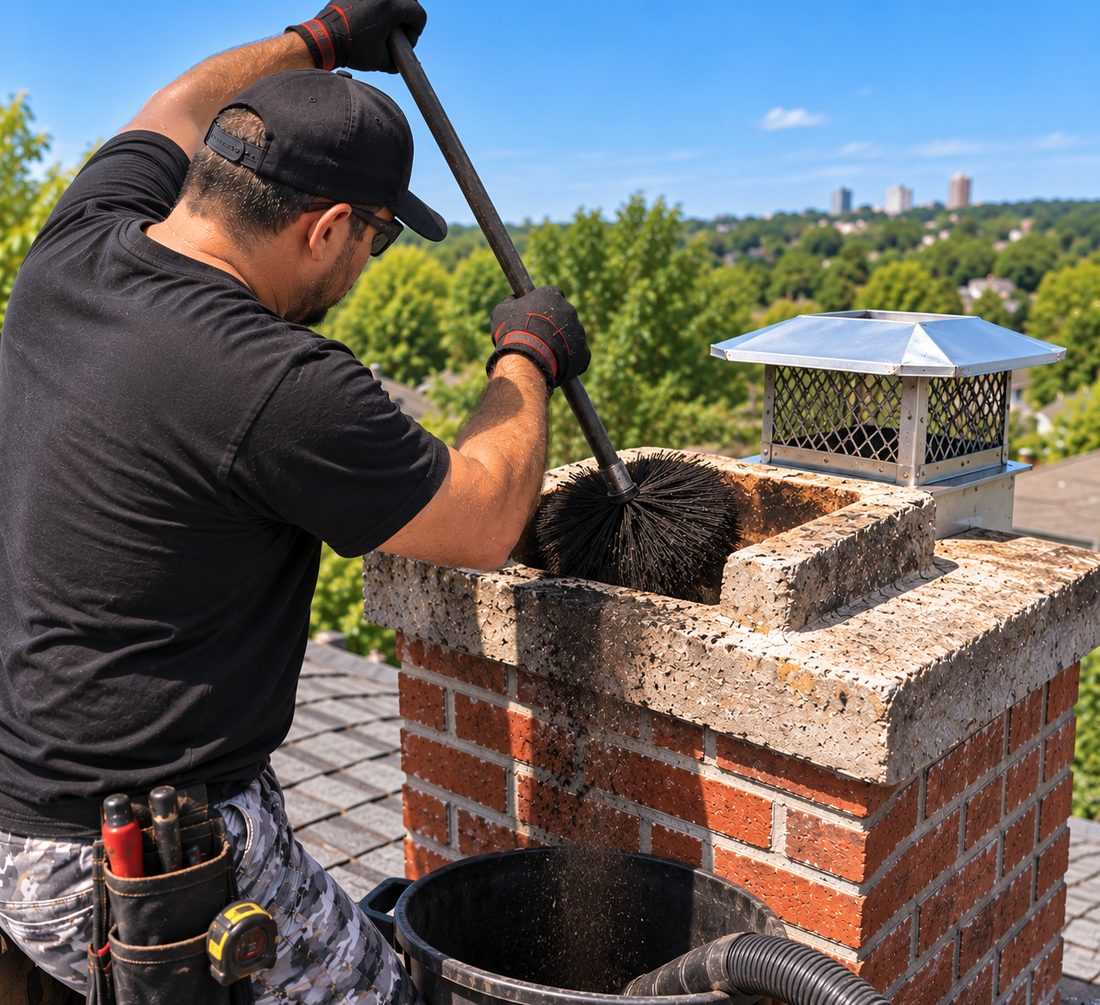
Removing soot and creosote so a flue can vent the way it was designed to.
Learn about Chimney Cleaning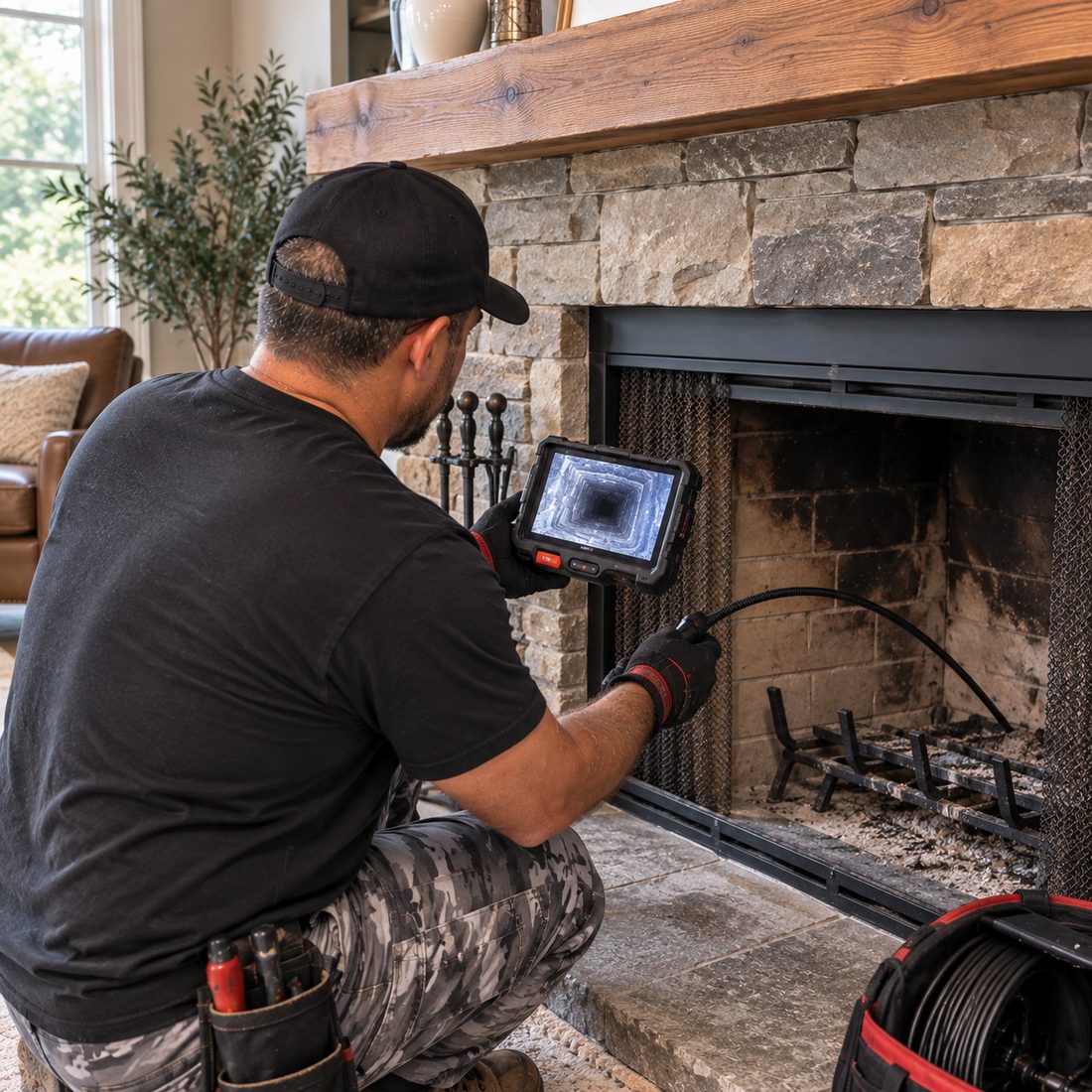
A structured look at the flue, firebox, and exterior to document the system's condition.
Learn about Chimney Inspection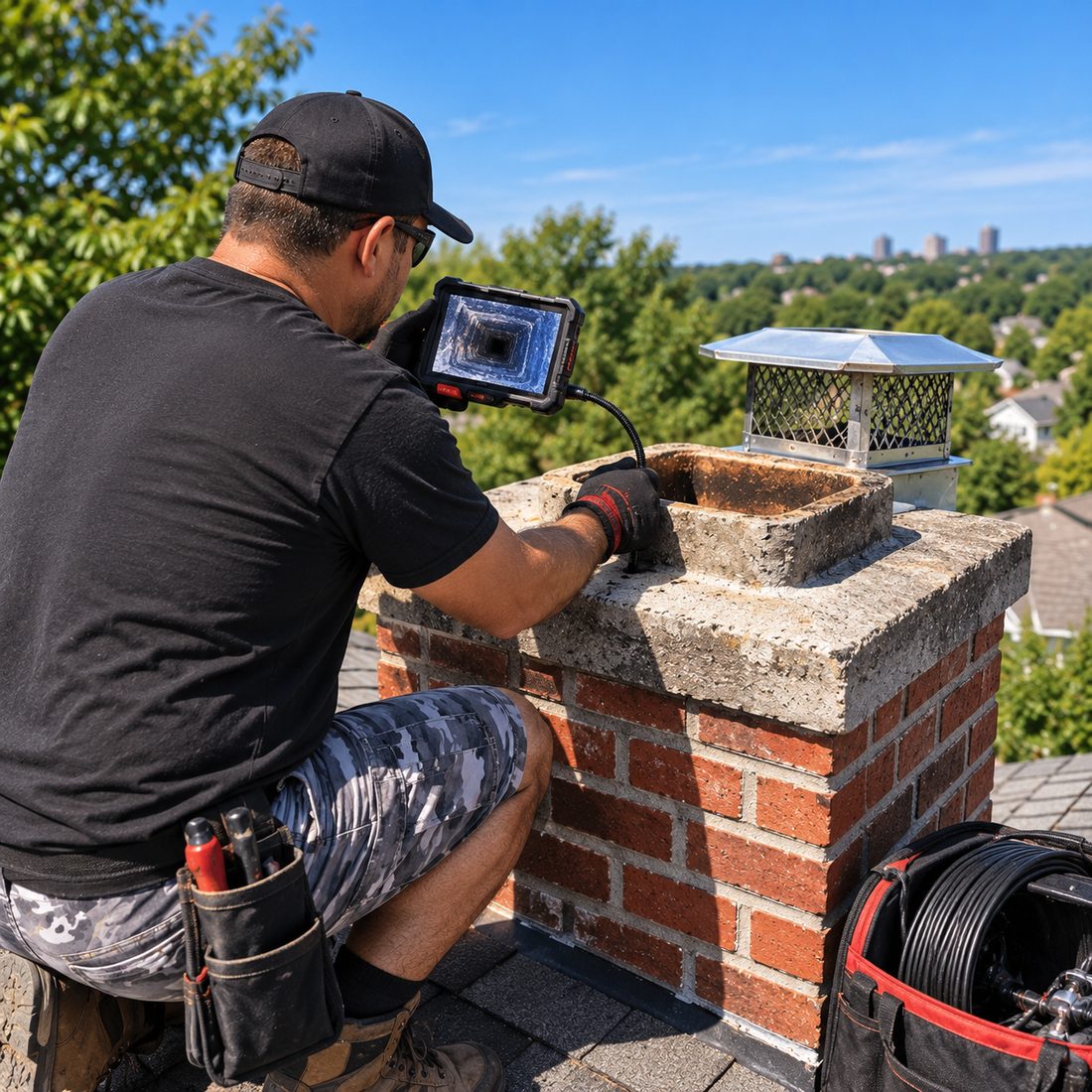
A video scan of the flue interior that shows what a view from below cannot.
Learn about Camera Chimney InspectionKeep reading
Learn what affects chimney cleaning frequency in Missouri, including use, fuel type, system condition, moisture, and changes in fireplace performance.
Smoke entering a room from a fireplace can have several causes. Learn what to do immediately, what details matter, and why an inspection is the right next step.
Learn why wood stove maintenance includes the stove and chimney system, what changes to notice, and why professional inspection and cleaning support safe operation.
Get in touch
Tell us about your chimney or fireplace and the best number to reach you. Full name, phone, and ZIP are required.