
Chimney Cleaning Cost in Missouri: What Affects the Price?
Learn the main factors that influence chimney cleaning cost in Missouri and why the right scope should be confirmed before work begins.
Cleaning & Inspections
There is no single calendar date that fits every chimney. A fireplace used often through the winter, a wood stove used for supplemental heat, a gas appliance that has been idle for a long time, and an outdoor fireplace all have different maintenance needs.
The better question is not only “How often should I clean my chimney?” It is also “How has this system been used, and has anything changed?” The answer depends on fuel type, frequency of use, the condition of the system, the quality of the fuel being burned, moisture exposure, animal activity, and changes in performance.
For many Missouri homeowners, an annual inspection is a useful planning point before regular seasonal use. The cleaning needs identified during that visit should fit what the system shows rather than a promise made before anyone has looked at it. A house with an active wood-burning fireplace may need more attention than a fireplace that is rarely used, while an infrequently used system can still need evaluation because moisture, debris, or an obstruction does not follow a calendar.
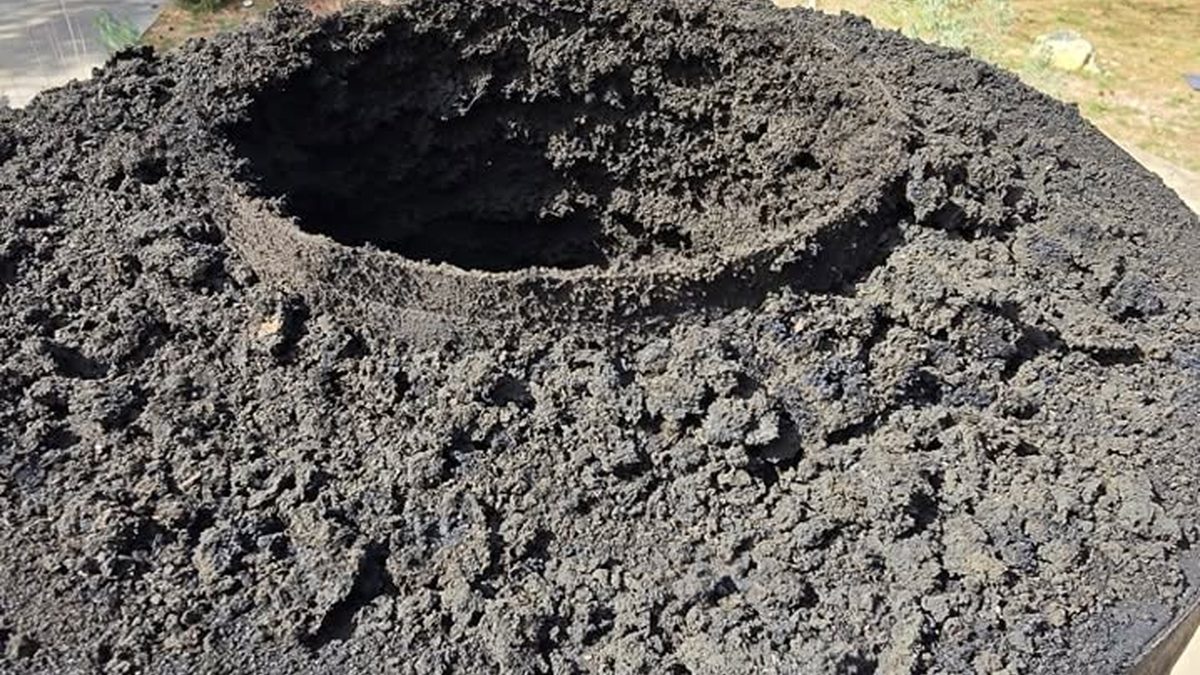
Wood-burning fireplaces and stoves create soot and creosote as part of normal operation. How quickly those deposits accumulate can vary. Frequent use, burning damp or unseasoned wood, restricted airflow, and a system that is not drafting well can all change what develops in the flue.
That is why one homeowner’s once-a-year maintenance routine may not be right for another property. Someone who uses a fireplace several evenings a week through colder months should not assume the same schedule applies to a decorative fireplace that is used only a few times a season.
Gas fireplaces have different needs, but they should not be ignored. Dust, debris, aging components, venting issues, and changes in operation can still call for a gas fireplace repair or maintenance visit. The same is true for pellet stoves, whose appliance and venting system should be considered together.
A routine schedule is useful, but symptoms deserve more weight than the date on the last invoice. Arrange service sooner if you notice smoke entering the room, a persistent odor, visible soot in unexpected areas, water near the fireplace, falling debris, a new drafting problem, or animal activity around the chimney.
After a heavy rain or a long period of humidity, a fireplace smell may point to moisture or air movement that deserves a closer look. If the concern appears only when the weather changes, make a note of the pattern. That information can help a technician distinguish between a surface odor, a moisture issue, and a performance concern.
For wood-burning systems, the wood itself matters. Wet or green wood tends to burn less cleanly and can create more smoke. Poor airflow can also keep smoke in the flue longer, which may contribute to deposit buildup. Those are not details that homeowners need to diagnose alone, but they are useful context for a chimney cleaning and sweeping appointment.
Do not treat a smoky fireplace as something to solve with stronger fire starters or by repeatedly changing the damper position. If smoke enters the room or the fireplace does not behave normally, stop using it until the concern is understood. A problem with draft, a damper, a liner, or an obstruction can have more than one cause.
Seasonal rain, wind, and freeze–thaw exposure can affect the exterior portions of a chimney. Those conditions do not automatically mean cleaning is needed, but they can change the condition of masonry, crowns, caps, flashing, and other components. Water or exterior wear can also influence how a fireplace smells or performs.
That is one reason a chimney visit should include conversation as well as cleaning. If the homeowner has noticed a new stain, a loose brick, rust on a chase cover, or an odor after rain, that should be discussed before routine maintenance is treated as the whole answer.
Keep a simple record of when the fireplace or stove was used, any changes you noticed, and the last service performed. Before the heating season, look at the fireplace area for obvious changes and schedule an inspection if the system has been unused, recently changed, or is due for routine care. Make access to the fireplace clear and save photos of weather-related concerns.
This is not about creating anxiety around a fireplace. It is about making maintenance decisions with enough information. A professional visit can help determine whether routine cleaning is appropriate, whether an inspection should be expanded, or whether a focused repair needs discussion.
Many homeowners plan an annual inspection, especially before regular wood-burning use, but cleaning needs depend on how the system has been used and what is found. A technician should explain the condition and recommended scope rather than rely on a generic schedule alone.
Yes. An unused system can still be affected by moisture, nesting material, debris, or exterior wear. Before returning it to use after a long break, an inspection is a sensible way to understand its current condition.
Low use may reduce some cleaning needs, but it does not rule out inspection. Consider the age of the system, any changes in performance, moisture exposure, and whether the fireplace has been evaluated recently.
If your chimney or fireplace is due for seasonal care in St. Louis or Kansas City, Mister Chimney can review how it has been used and recommend the appropriate next step. Request chimney cleaning and sweeping before the next fire is lit.
How we can help
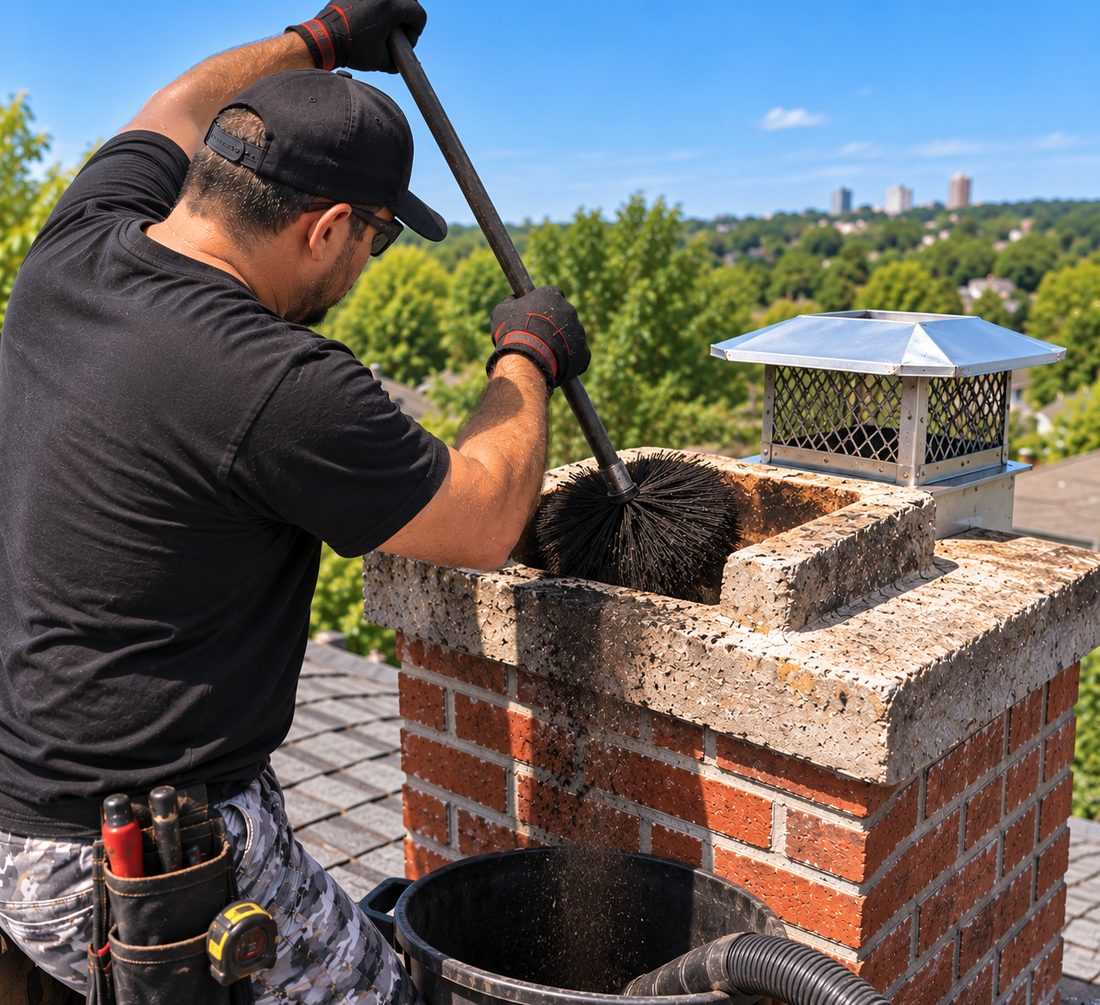
Removing soot and creosote so a flue can vent the way it was designed to.
Learn about Chimney Cleaning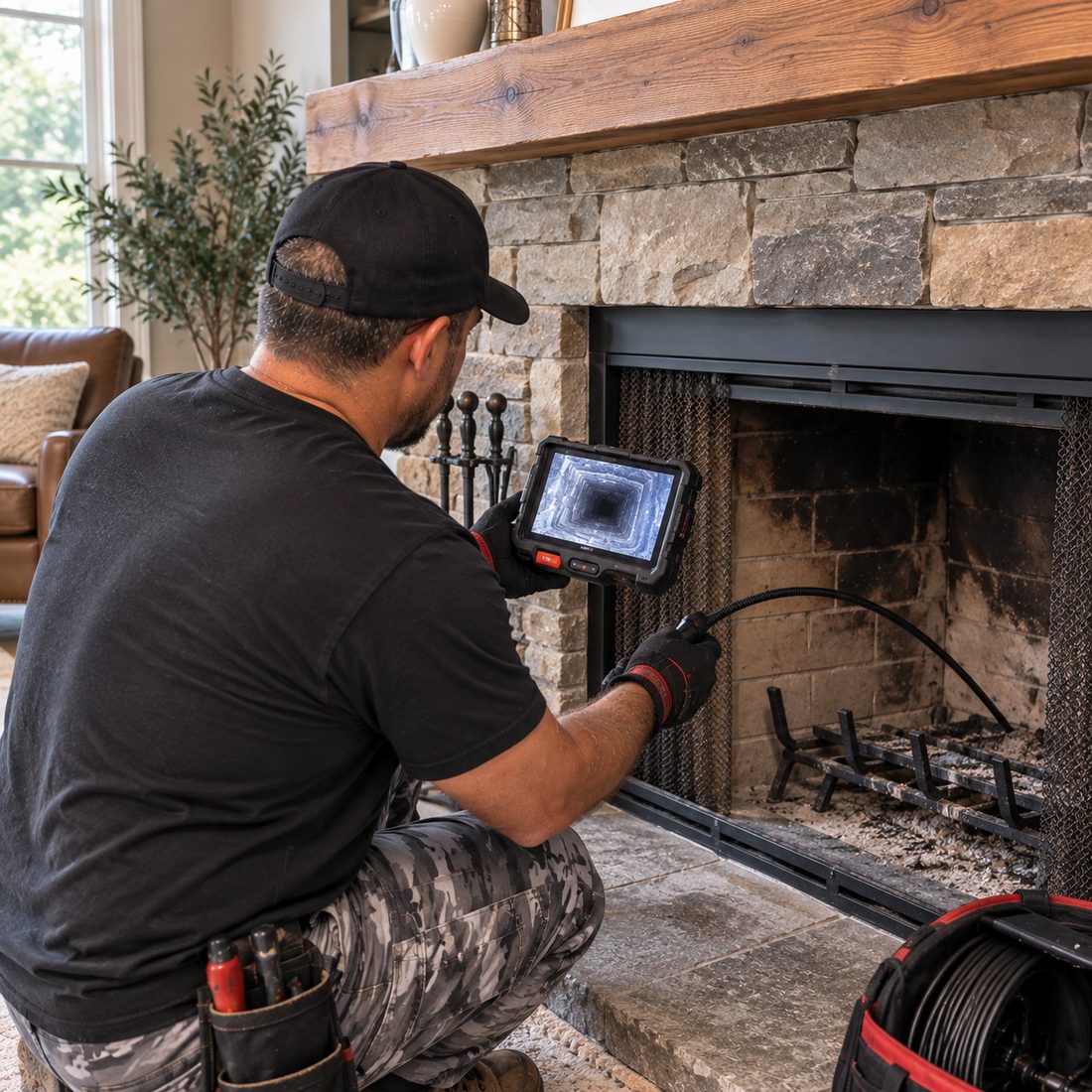
A structured look at the flue, firebox, and exterior to document the system's condition.
Learn about Chimney Inspection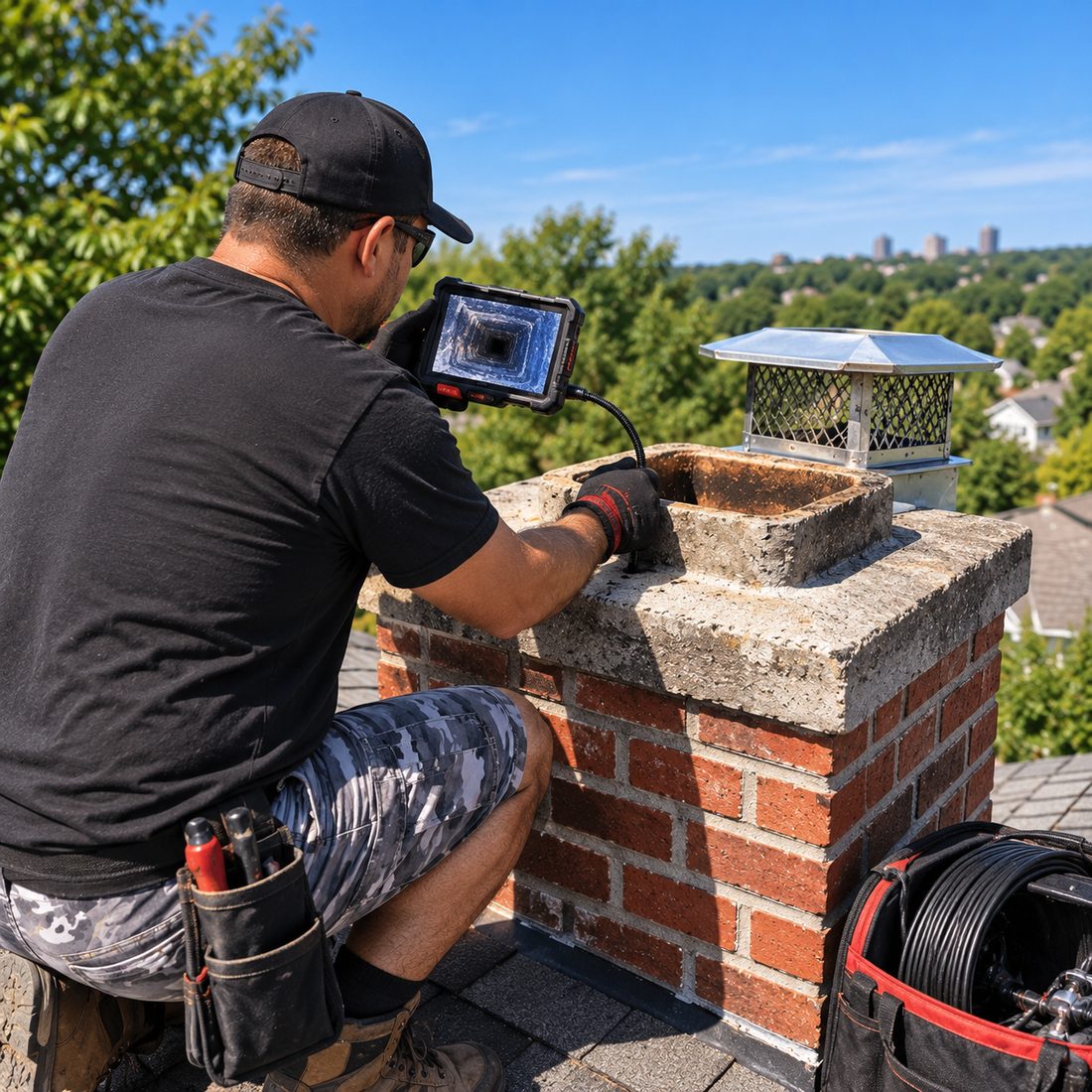
A video scan of the flue interior that shows what a view from below cannot.
Learn about Camera Chimney InspectionKeep reading
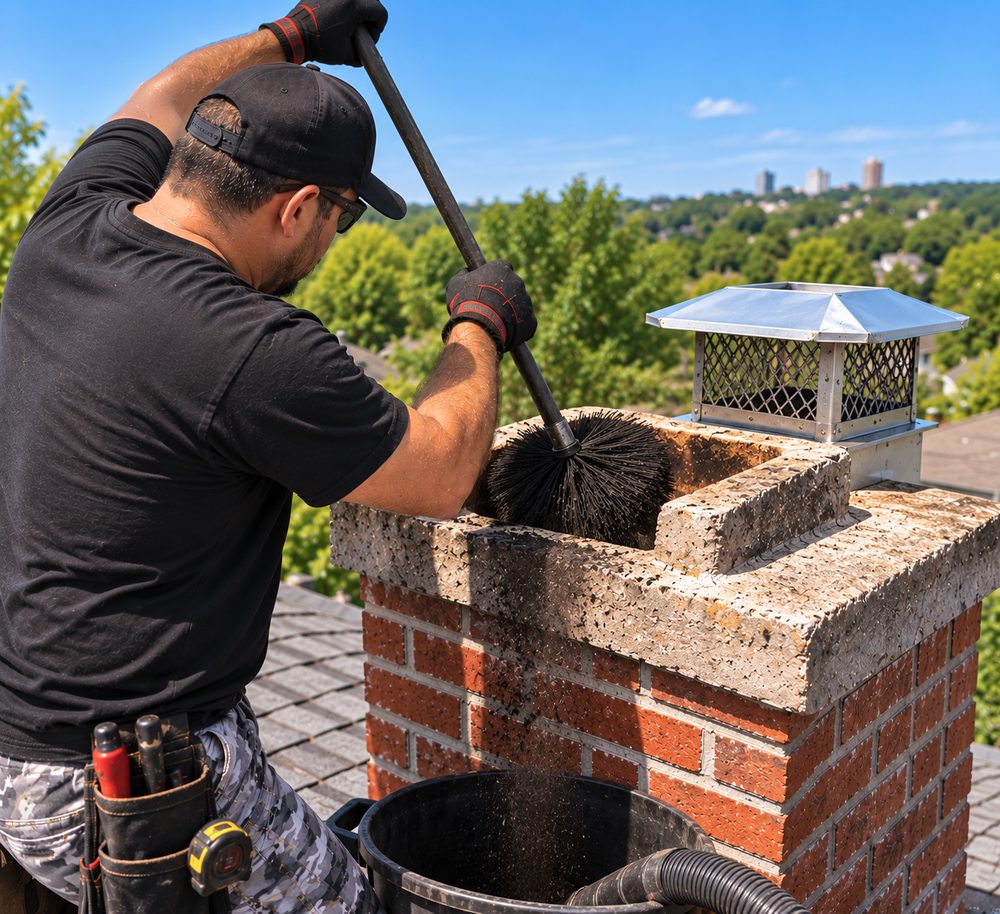
Learn the main factors that influence chimney cleaning cost in Missouri and why the right scope should be confirmed before work begins.
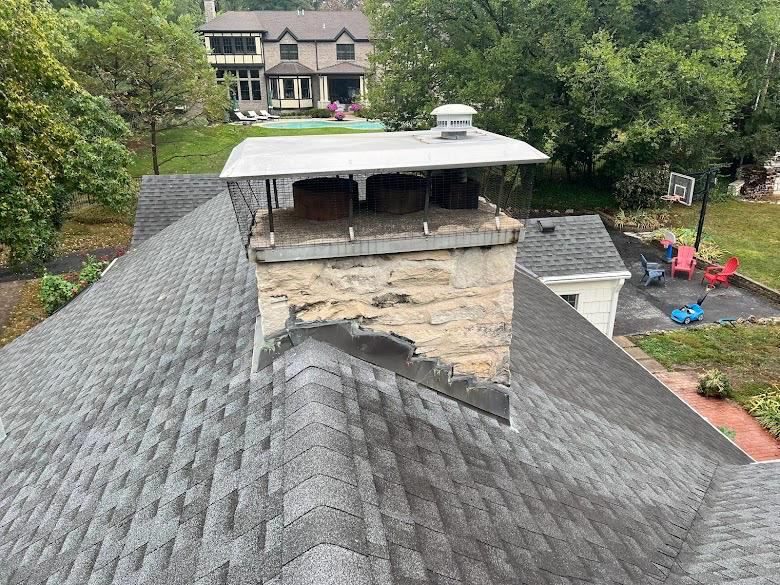
A fireplace smell after rain can point to moisture, airflow, debris, or exterior chimney conditions. Learn what to notice and when to arrange an evaluation.
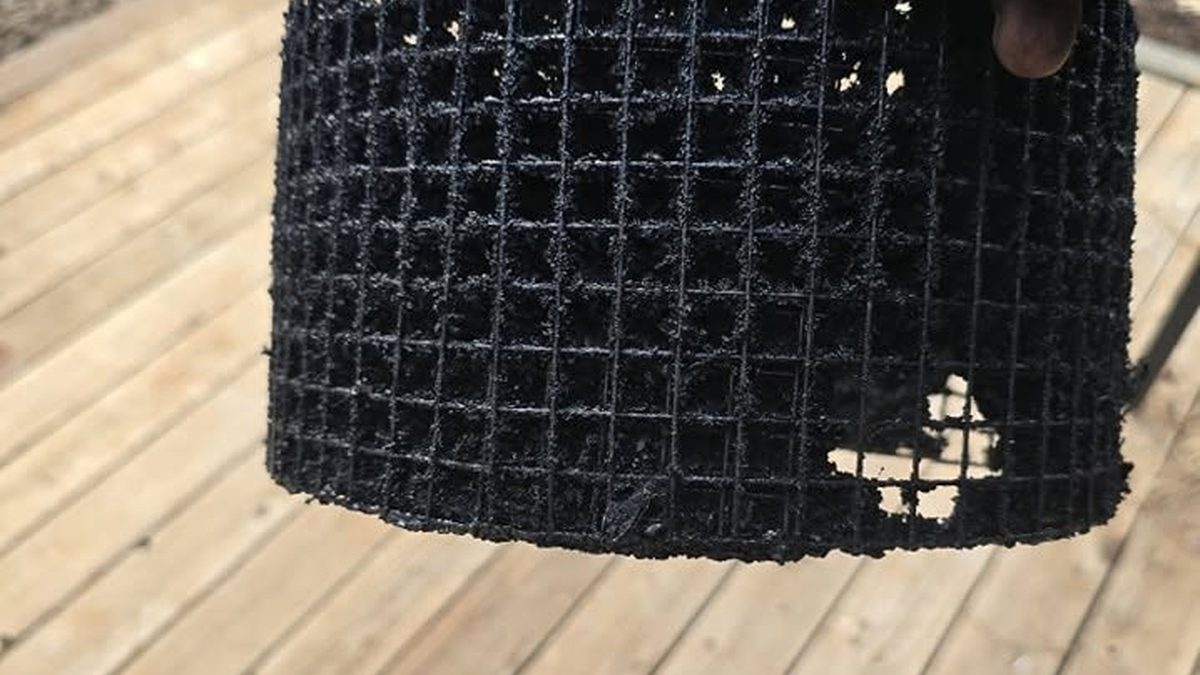
Learn which fireplace changes should prompt you to stop using the system and arrange a chimney or fireplace inspection before the next fire.
Get in touch
Tell us about your chimney or fireplace and the best number to reach you. Full name, phone, and ZIP are required.