
Chimney Inspection Cost in Missouri: What Affects the Visit?
Understand what can affect chimney inspection cost in Missouri, including system type, access, reported concerns, inspection scope, and documentation.
Cleaning & Inspections
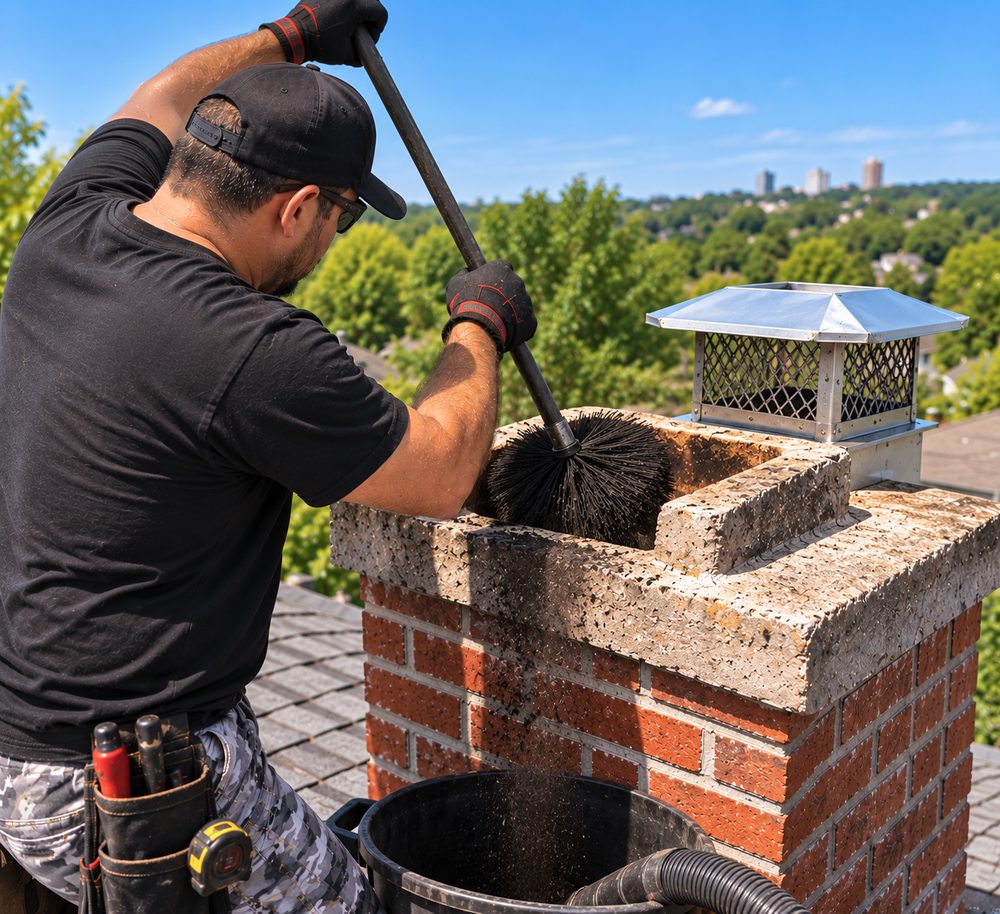
It is reasonable to ask about chimney cleaning cost before scheduling a visit. The important part is understanding what the price is meant to cover. A wood-burning fireplace, a gas fireplace, a pellet stove, a tall masonry chimney, and a difficult-access system do not require the same work. A quote that ignores those differences may sound simple, but it can create confusion once the technician arrives.
For Mister Chimney, the goal is to confirm the actual scope before work starts. That means looking at the appliance or fireplace type, the accessible condition of the system, the work area, and the concerns the homeowner has noticed. Cleaning should be priced as cleaning; inspection, repairs, camera work, animal removal, or other services should be explained separately if they are needed.
The first price factor is the system being serviced. A traditional masonry fireplace has different access points and cleaning needs from a factory-built fireplace, wood stove, pellet appliance, or gas fireplace. The amount of accessible flue, the appliance connection, and the way the system is used all influence the scope.
For example, a wood-burning system may need cleaning of serviceable soot, ash, and creosote from accessible areas. A pellet system includes an appliance and a dedicated venting path. A gas fireplace may call for a condition-focused maintenance visit rather than the same sweeping process used for a wood-burning chimney. Grouping all of these under one generic price can hide important differences.
Chimney work is not performed only from the living room. The technician may need to consider roof access, the height and configuration of the chimney, attic or basement access where appropriate, stairs, landscaping, safe placement of ladders, and the protection required inside the home.
Access does not automatically mean a higher price, but it is part of responsible planning. A system that is straightforward to reach and service is not the same as one with limited access, multiple flues, unusual construction, or a condition that requires more detailed evaluation.
Routine cleaning removes serviceable deposits and debris. If the visit reveals a damaged cap, loose masonry, a moisture concern, a blocked area, animal activity, or signs that a liner needs closer attention, those conditions should not be quietly folded into a vague “cleaning” charge.
Instead, the technician should explain what was found and distinguish between maintenance and a separate recommendation. A homeowner may decide to schedule a chimney inspection, chimney leak repair, or another service after the cleaning is understood. The important part is that there are no surprises about why the scope changed.
Some homeowners call because a fireplace has an odor, drafts poorly, or shows water staining. Those problems can be related to maintenance, but they can also point to a condition that cleaning alone will not resolve. A price for cleaning should not be presented as a price to fix every chimney concern.
If there is a known problem, say so when scheduling. Let the office know whether there is smoke in the room, a leak after rain, a visible crack, a loose cap, a bird nest, or an appliance change. That makes it easier to plan the right kind of visit and give a more accurate explanation of what may be involved.
Ask what service is included, whether an inspection is part of the appointment, what factors could change the scope, and whether a technician will explain findings before additional work begins. Be clear about the kind of fireplace or appliance you have and any symptoms you have noticed.
The lowest number is not always the clearest value if it leaves out work-area protection, accessible condition review, or honest communication about what the system needs. A good chimney service visit should help you understand the system, not just complete a transaction.
The system type, number of flues, access, condition, amount of serviceable buildup, and reported concerns can all affect the work. A responsible quote should reflect the actual scope rather than assume every chimney is identical.
You should. If a technician finds a condition that calls for work beyond the agreed cleaning scope, the condition and options should be explained before additional repair work begins.
That depends on the appointment and the system. Ask what level of condition review is included. Cleaning and inspection are related but distinct services, and the scope should be clear in advance.
For a clear explanation of chimney cleaning scope in St. Louis or Kansas City, schedule with Mister Chimney. We will review the system and discuss the work before it begins, so you can decide on the appropriate next step.
How we can help
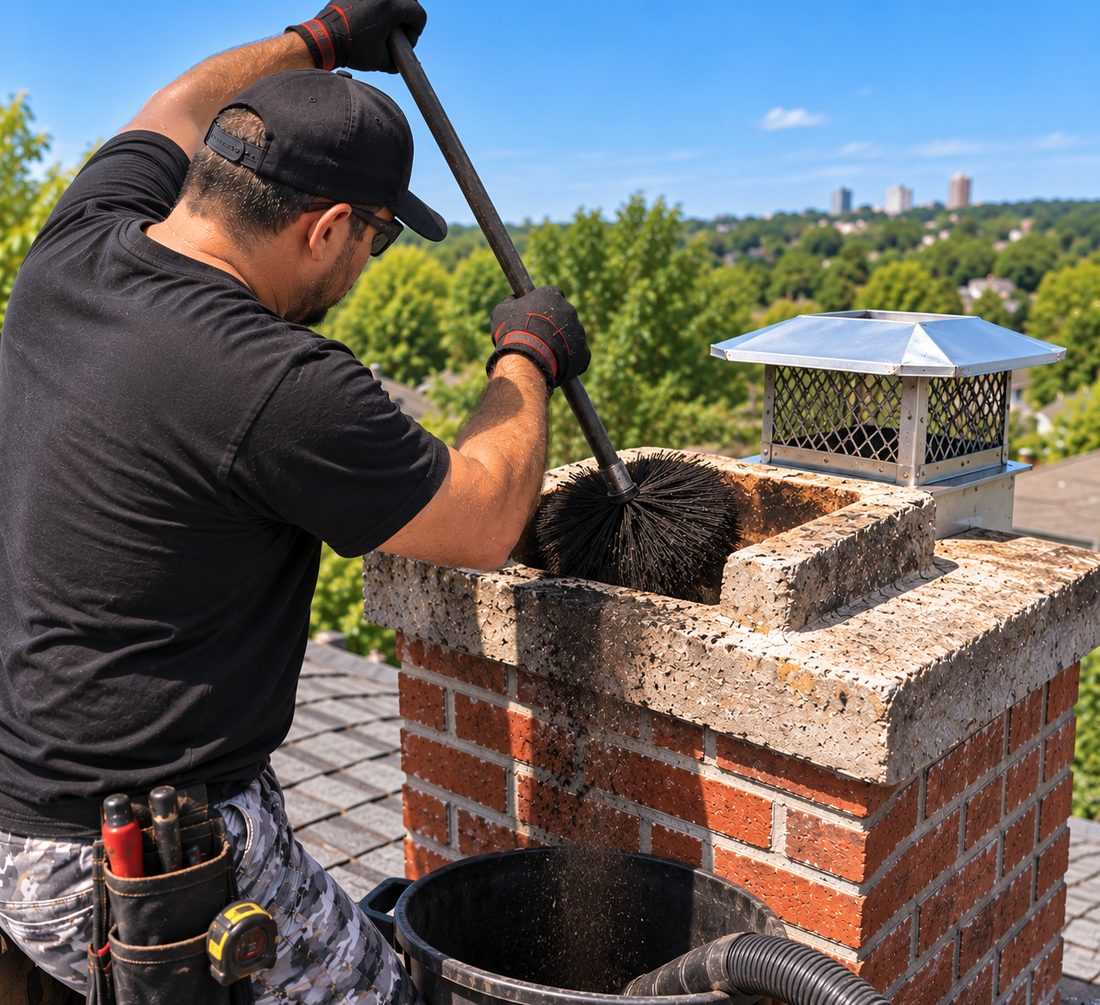
Removing soot and creosote so a flue can vent the way it was designed to.
Learn about Chimney Cleaning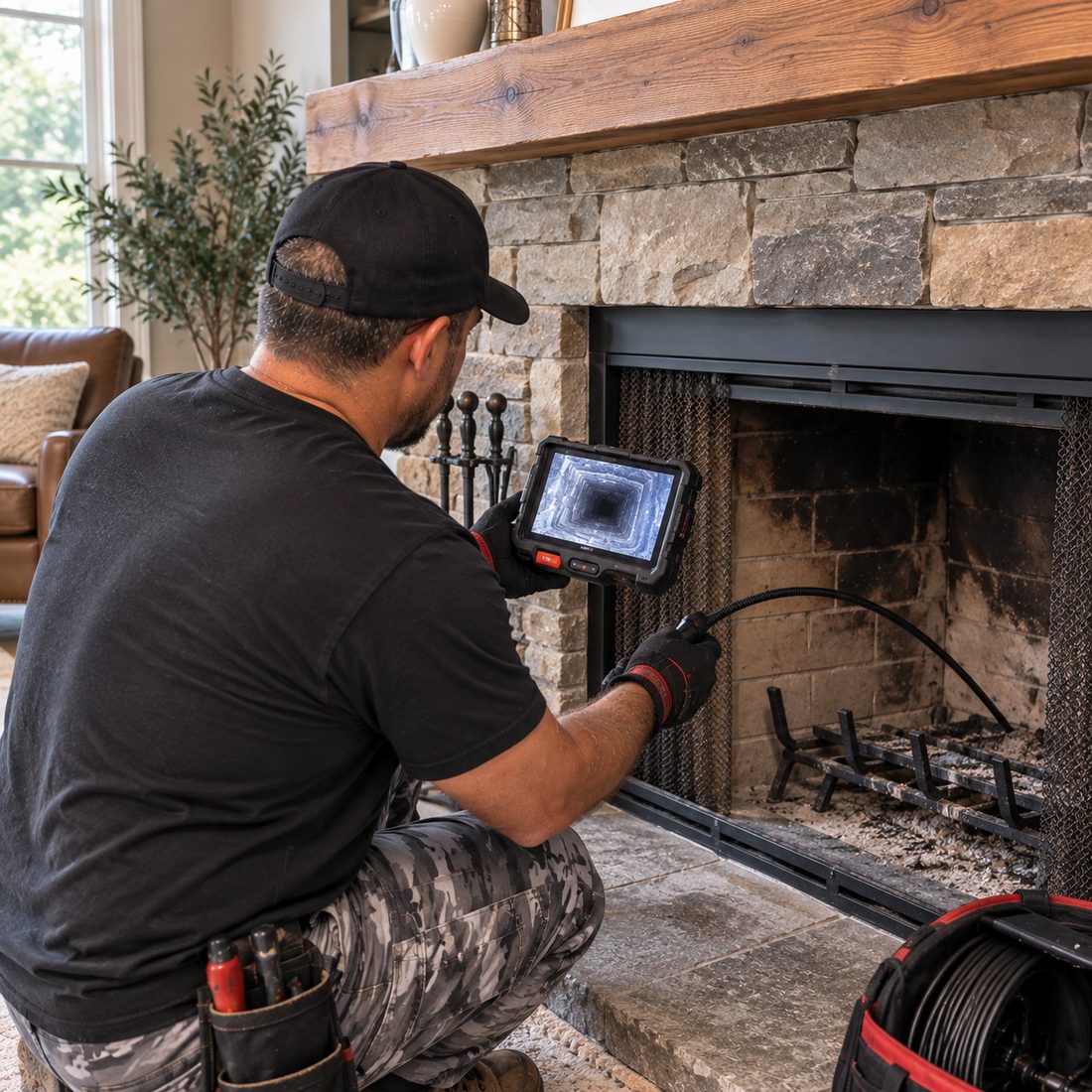
A structured look at the flue, firebox, and exterior to document the system's condition.
Learn about Chimney Inspection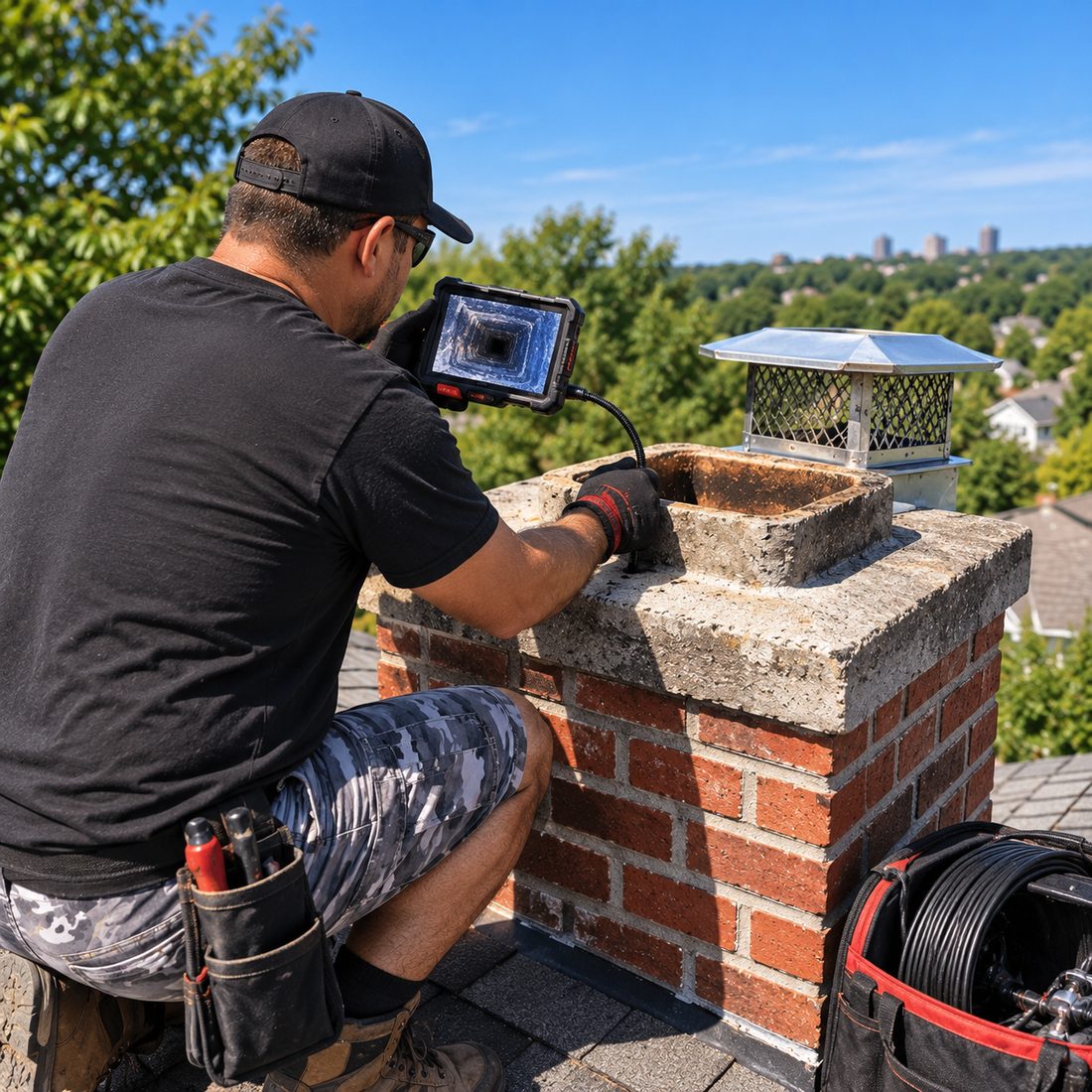
A video scan of the flue interior that shows what a view from below cannot.
Learn about Camera Chimney InspectionKeep reading
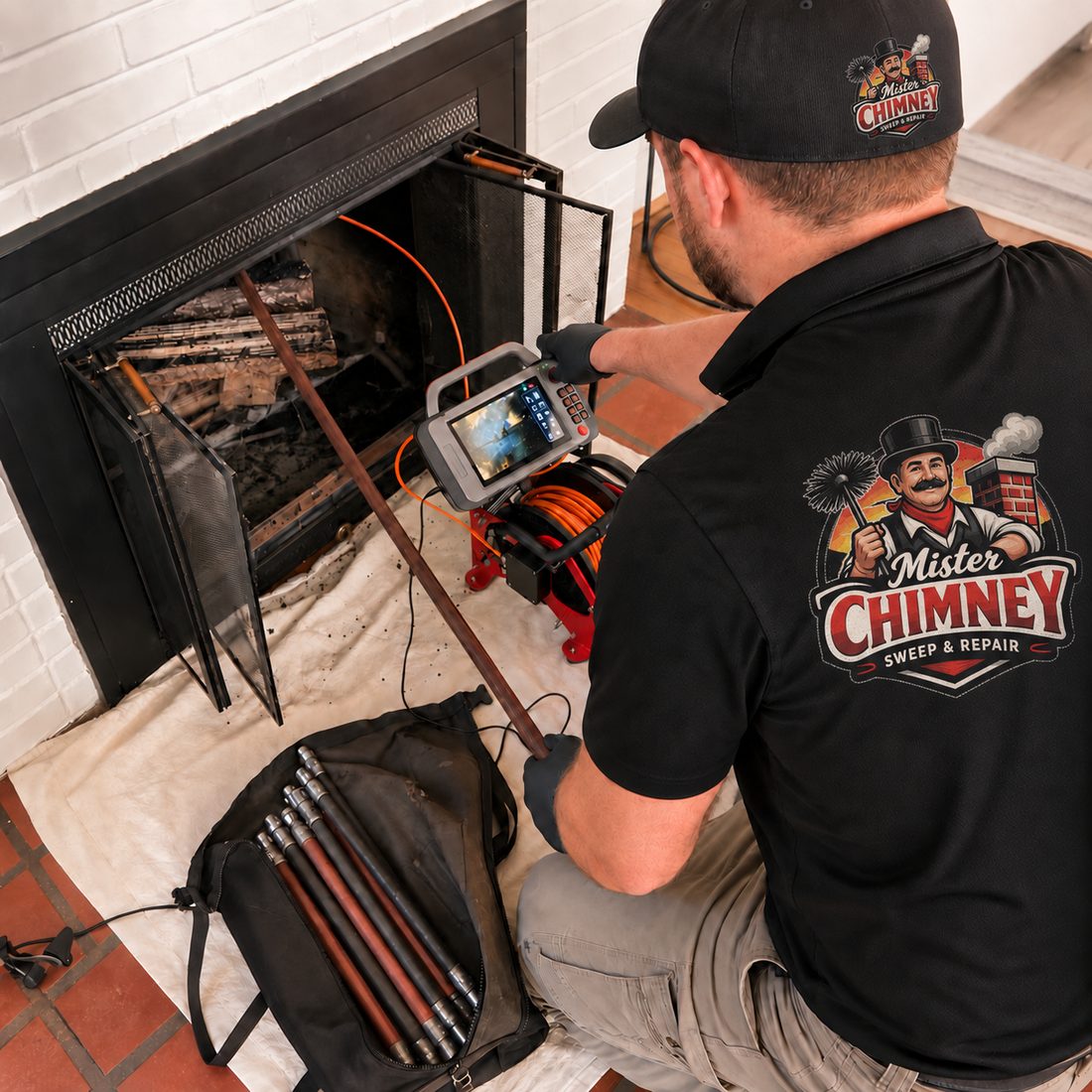
Understand what can affect chimney inspection cost in Missouri, including system type, access, reported concerns, inspection scope, and documentation.
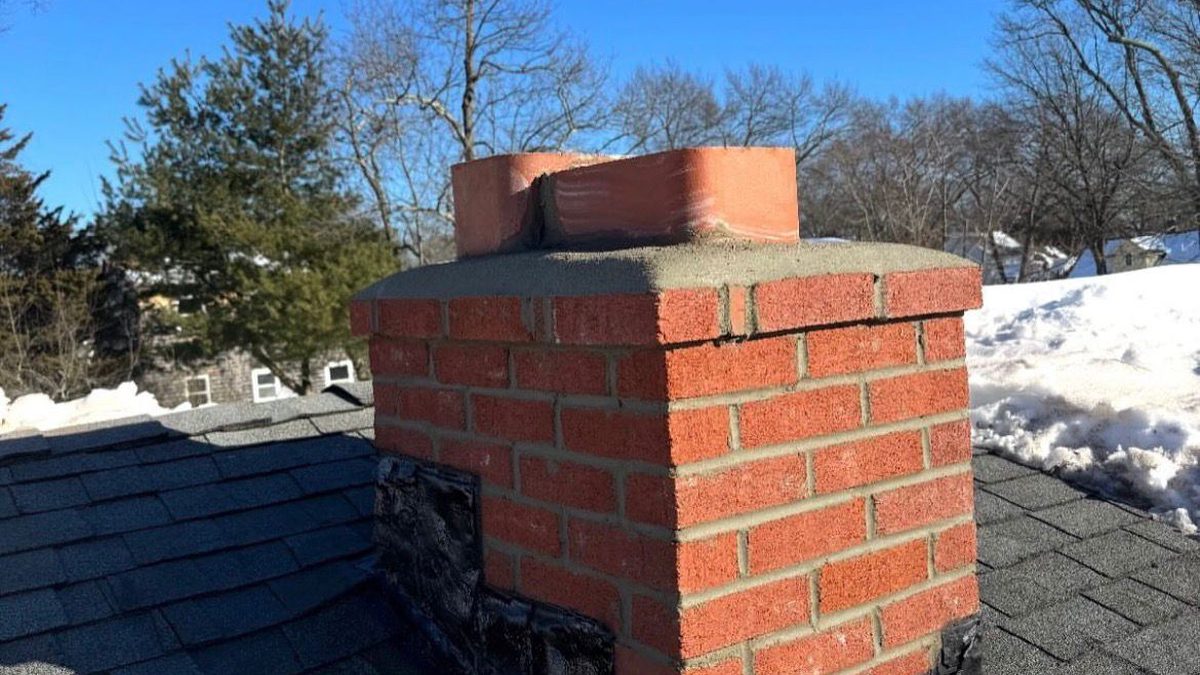
Learn what affects chimney repair cost, including the source of the problem, materials, access, scope, and why an on-site assessment matters.
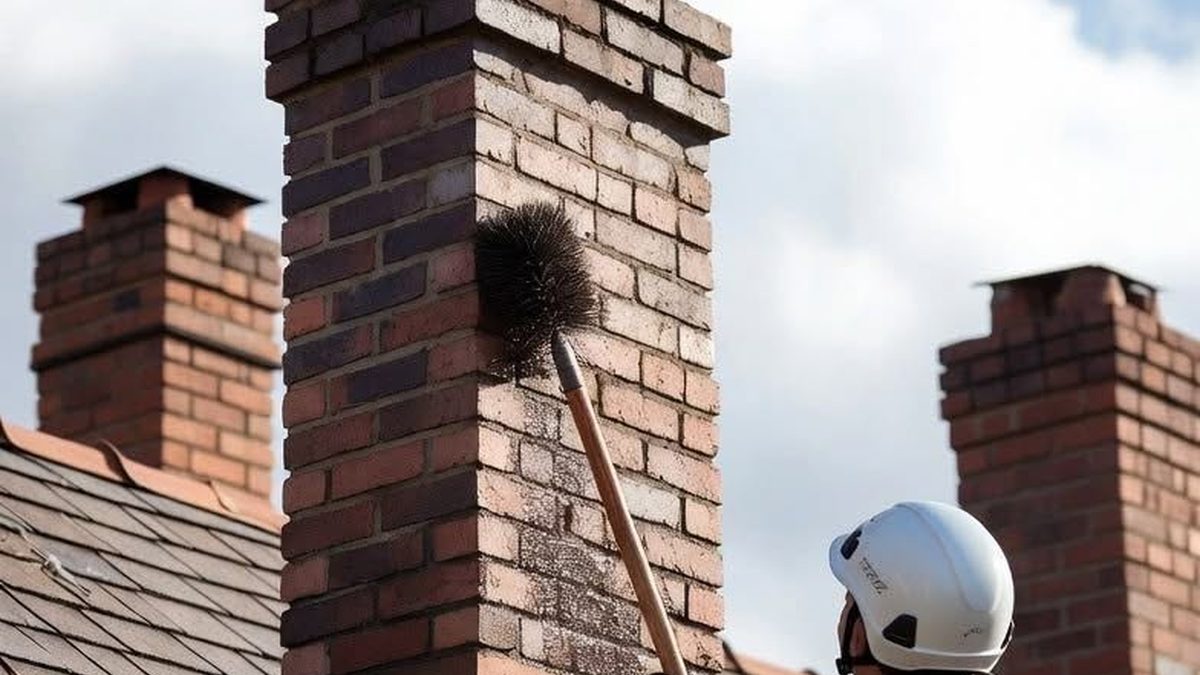
Chimney cleaning and inspection serve different purposes. Learn what each visit addresses and when Missouri homeowners may need one or both.
Get in touch
Tell us about your chimney or fireplace and the best number to reach you. Full name, phone, and ZIP are required.