Chimney Repair vs. Rebuild: How to Think Through the Decision
Learn how chimney repair and rebuild decisions are evaluated, why condition matters more than appearance, and what homeowners should ask before approving work.
Chimney Repairs & Moisture
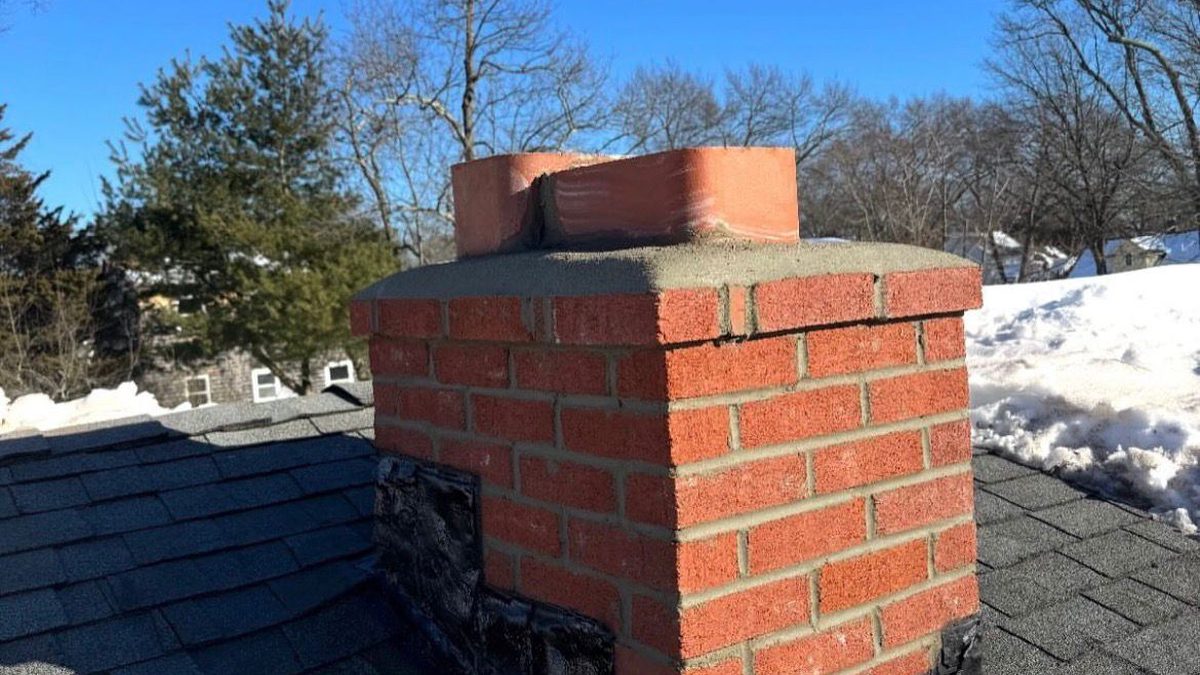
Chimney repair cost depends on what actually needs to be repaired. A water stain, loose brick, cracked crown, damaged cap, draft problem, or visible rust may be the first symptom, but the visible symptom is not always the whole scope.
That is why an accurate repair conversation starts with an assessment. The technician needs to understand the component involved, the likely cause, the access required, the materials needed, and whether related conditions also need attention. A price without that context may sound convenient, but it can leave the homeowner comparing guesses instead of real repair scopes.
Water concerns can begin at a crown, cap, chase cover, flashing detail, mortar joint, roof transition, or another part of the structure. A masonry crack may be localized, or it may be connected to moisture exposure that has affected a larger section. Smoke or draft concerns may involve a damper, liner, obstruction, appliance change, or a condition that needs inspection before repair can be planned.
The first task is to separate the symptom from the source. Chimney repair should be priced around the condition that is being addressed, not around a generic label.
Replacing a cap is different from rebuilding a crown. Tuckpointing joints is different from replacing damaged masonry. A liner-related repair, a flashing repair, and a firebox repair use different materials and may require different access. The details matter because the repair must fit the system.
Good estimates make the scope understandable. They identify the area or component being addressed, explain why it needs work, and distinguish repair work from inspection, cleaning, or other services that may be recommended separately.
Chimney work may involve roof access, ladders, heights, multiple flues, steep pitches, limited parking, interior protection, or access through attic and crawl spaces when appropriate. These are not arbitrary add-ons. They affect how a technician can safely evaluate and complete the work.
Access can also affect whether a repair is limited to one visit or needs planning around weather, materials, or coordination with a property manager. The homeowner should know if access assumptions are part of the estimate so there are no surprises on the day of service.
Photos, camera images, and visible findings can make a repair estimate more useful. They help show why work is being recommended and allow the homeowner to ask specific questions. Documentation should not be used to pressure someone into the biggest possible project. It should help them understand the actual condition.
If a technician cannot explain the connection between the evidence and the recommendation, it is reasonable to ask for more information. A chimney is too important a system to repair based on a vague phrase or an unexplained line item.
Compare the work being proposed—not just the total. Does the estimate state whether it includes crown, cap, flashing, masonry, liner, interior protection, cleanup, or related inspection? Does it identify the condition that prompted the recommendation? Does it explain what is outside the scope?
Two estimates can have different totals because they address different conditions. The right choice is the scope that fits the documented problem and the property’s needs, not simply the lowest or broadest description.
A photo may help start the conversation, but it often cannot show the full condition, access, material needs, or source of a symptom. An on-site assessment is the reliable way to confirm repair scope.
They perform different jobs. Cleaning addresses serviceable deposits and debris; inspection evaluates condition; repair corrects a specific problem. Separating them makes the recommendation and pricing clearer.
You should be. If a condition is found beyond the original scope, it should be explained and approved before additional repair work begins.
For a clear repair explanation in St. Louis or Kansas City, request an on-site chimney repair assessment from Mister Chimney. We will show what is accessible, explain the options, and let you decide on the appropriate work.
How we can help
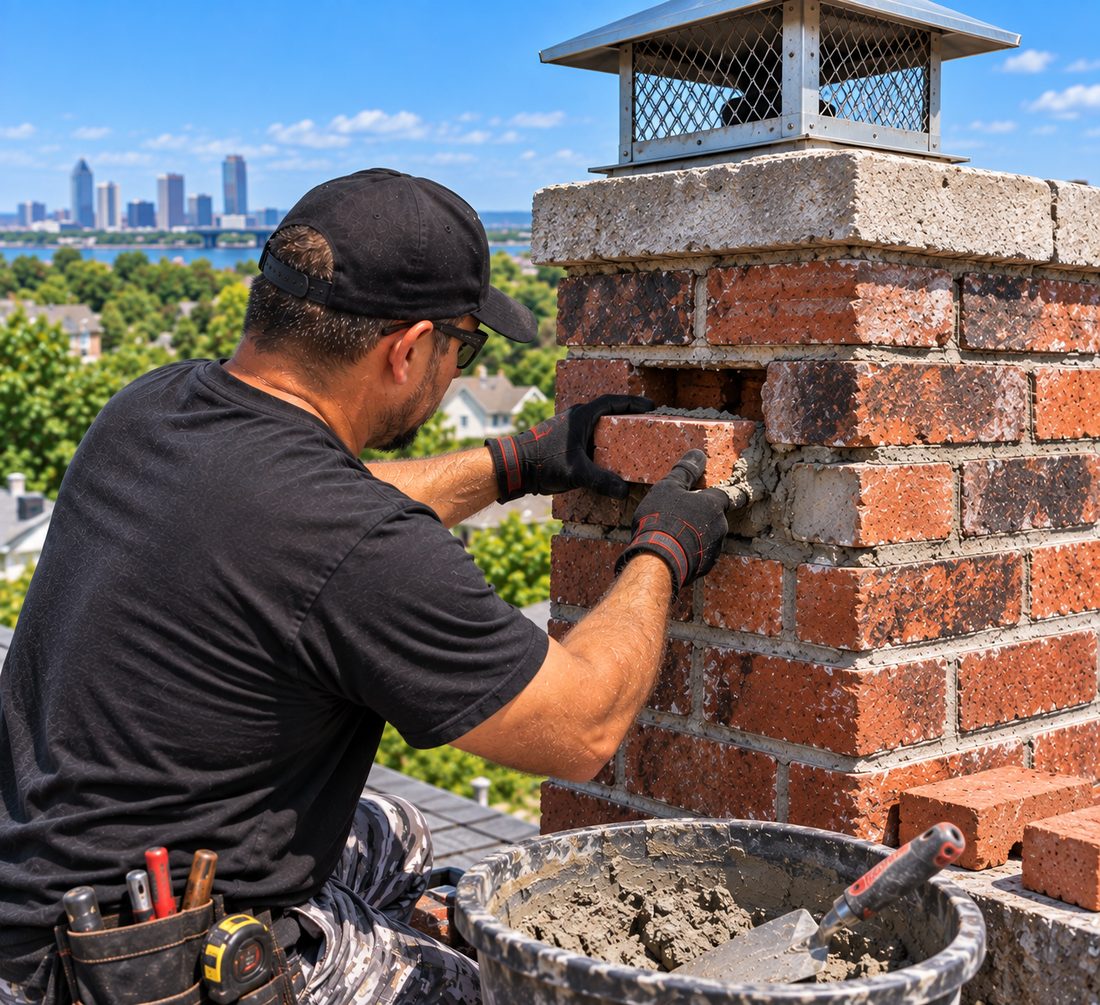
Diagnosing and correcting the specific problem, from a leak to failing masonry.
Learn about Chimney Repair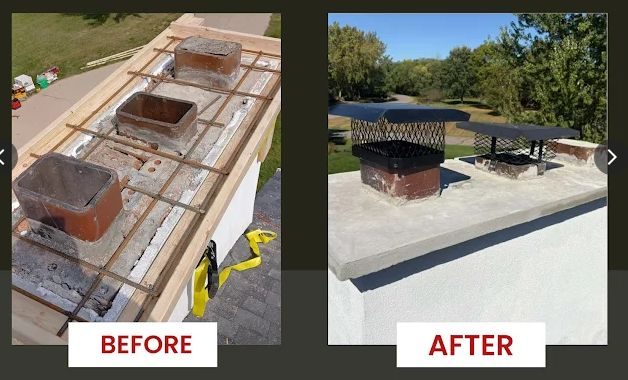
Repairing or rebuilding the top slab that sheds water off the chimney.
Learn about Chimney Crown Repair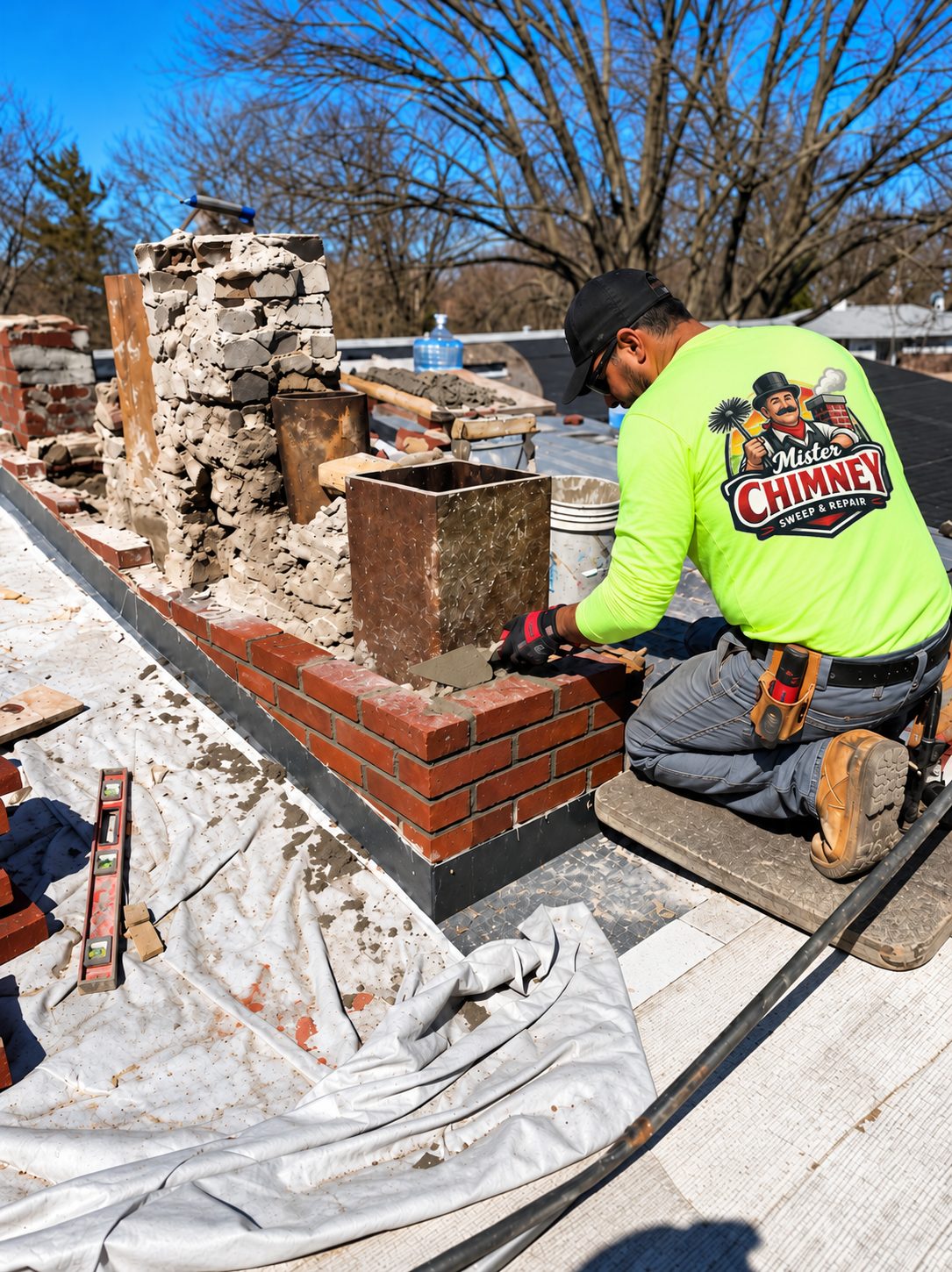
Rebuilding and restoring the brick and stone that make up the chimney structure.
Learn about Chimney MasonryKeep reading
Learn how chimney repair and rebuild decisions are evaluated, why condition matters more than appearance, and what homeowners should ask before approving work.
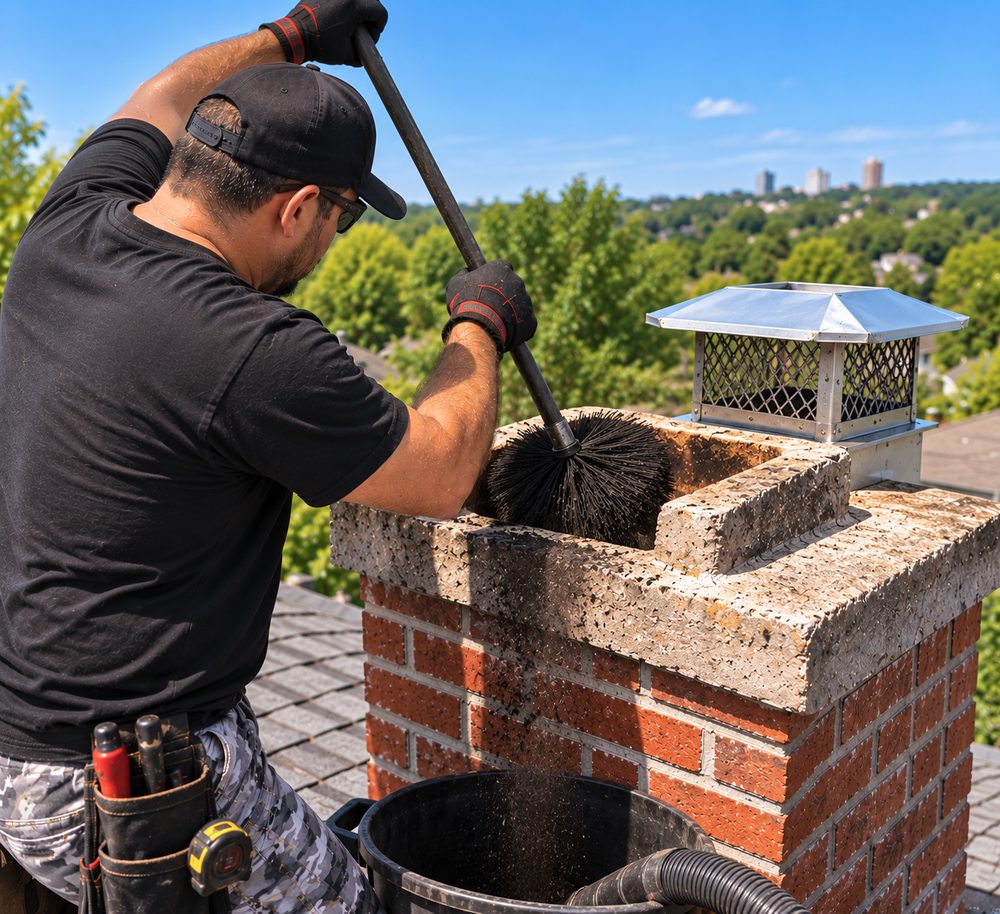
Learn the main factors that influence chimney cleaning cost in Missouri and why the right scope should be confirmed before work begins.
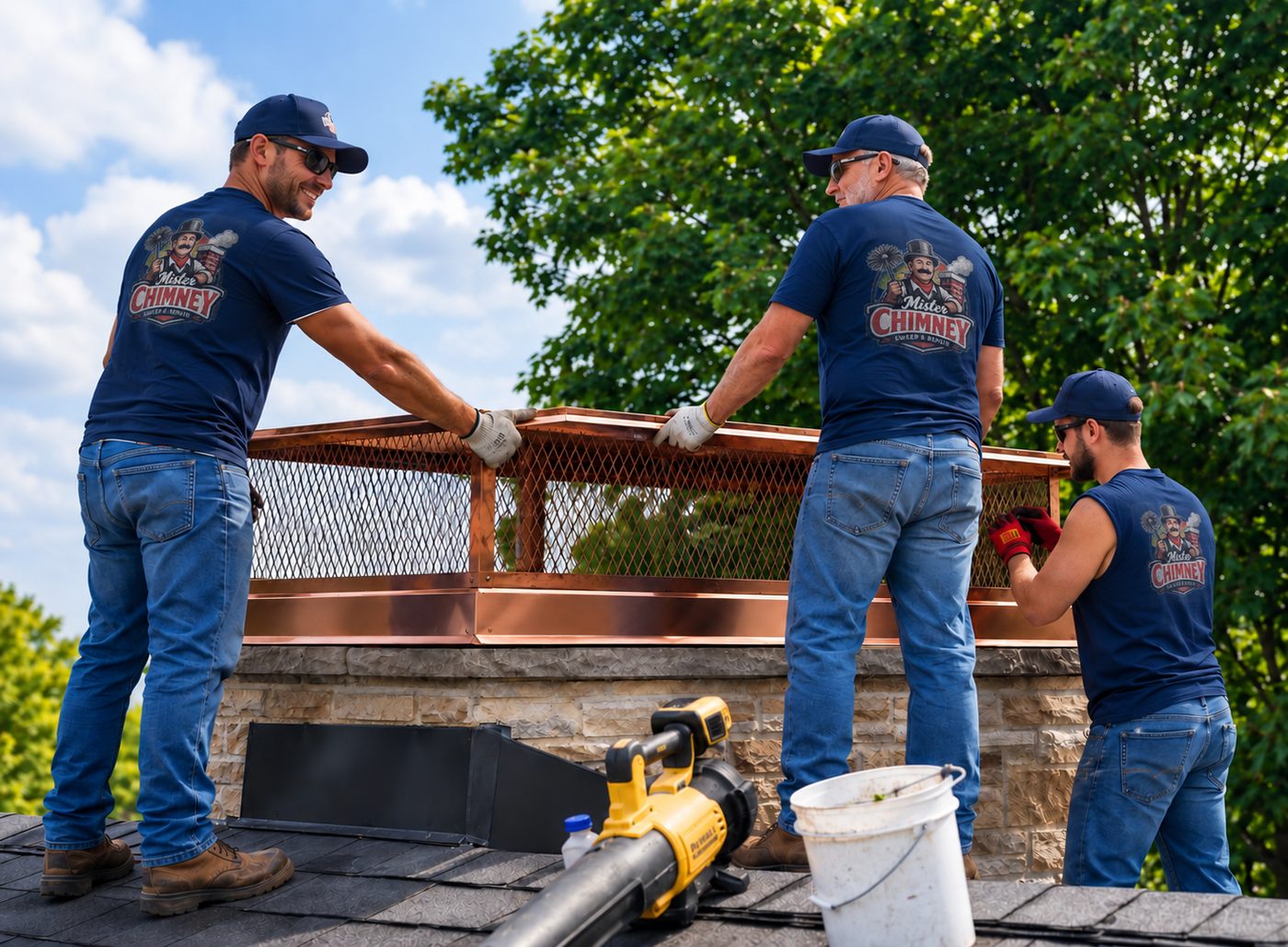
Learn why documenting accessible chimney conditions with notes, photos, or camera work helps homeowners understand repair recommendations before approving work.
Get in touch
Tell us about your chimney or fireplace and the best number to reach you. Full name, phone, and ZIP are required.