
What Chimney Repair Cost Depends On
Learn what affects chimney repair cost, including the source of the problem, materials, access, scope, and why an on-site assessment matters.
Chimney Repairs & Moisture
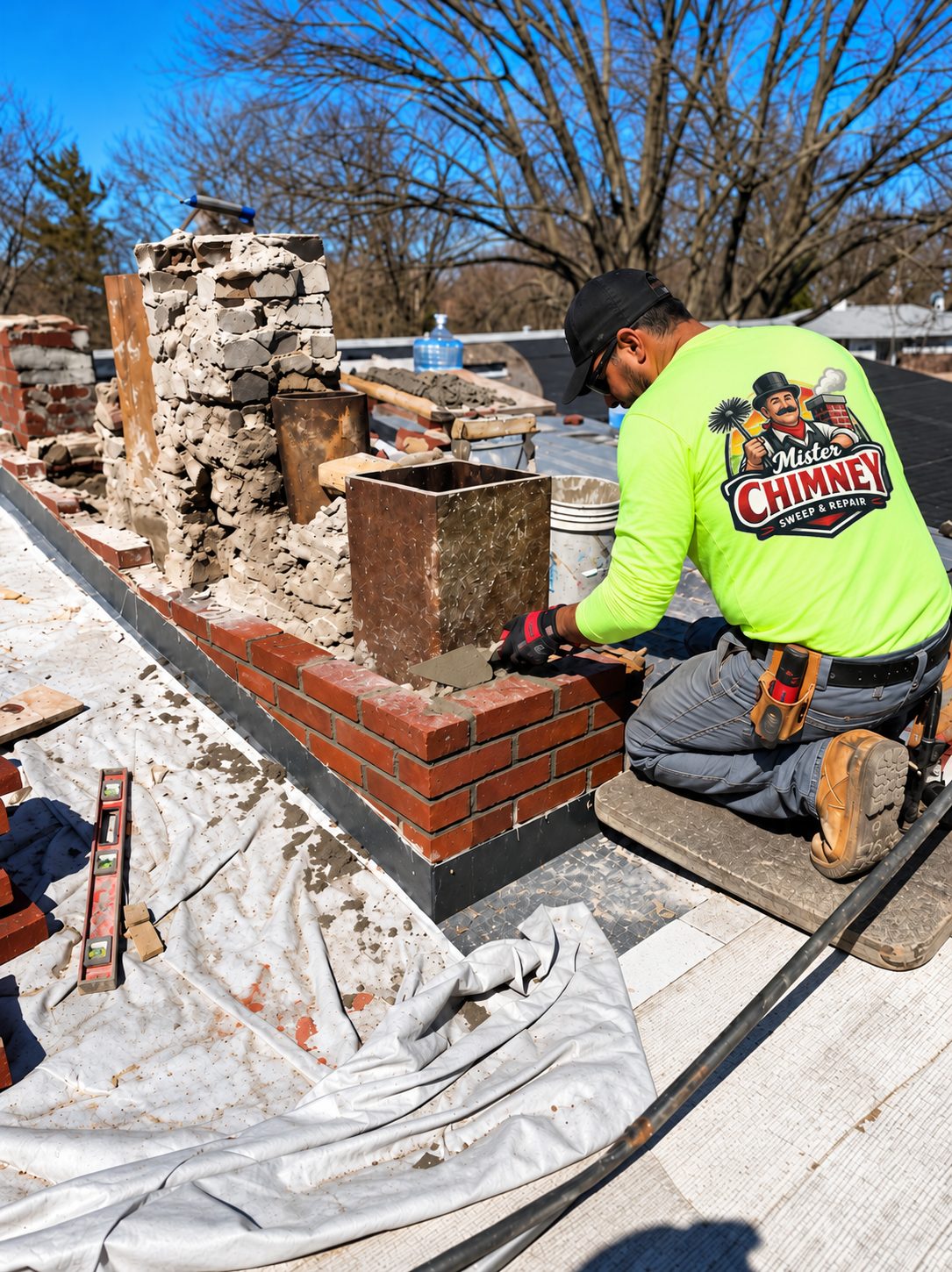
When a chimney has visible cracks, loose brick, water damage, or years of patchwork, homeowners often ask the biggest possible question first: “Does it need to be rebuilt?” The honest answer is that a photo or one symptom is rarely enough to decide.
Repair and rebuild are not competing sales options. They are different scopes that should be chosen after the accessible condition of the chimney is understood. A focused repair can be the right choice when damage is limited and the remaining structure is sound. A rebuild may be considered when deterioration is more extensive or when a portion of the chimney can no longer be responsibly addressed with isolated repairs. The work has to fit the actual chimney.
The first question is not how old the chimney is. It is what parts are affected. Mortar joints, individual bricks, the crown, cap, flashing, liner, firebox, and roof transition can each have different conditions. Water may be the driver. Prior repairs may have changed how the chimney sheds water. A visible crack may be limited, or it may be a clue to a broader condition.
A chimney repair evaluation should identify the accessible evidence and explain what it suggests. The homeowner should know whether the concern appears confined to a component, a section of masonry, or a larger portion of the structure. If the full condition cannot be understood from accessible areas, a closer inspection may be appropriate before a rebuild is discussed.
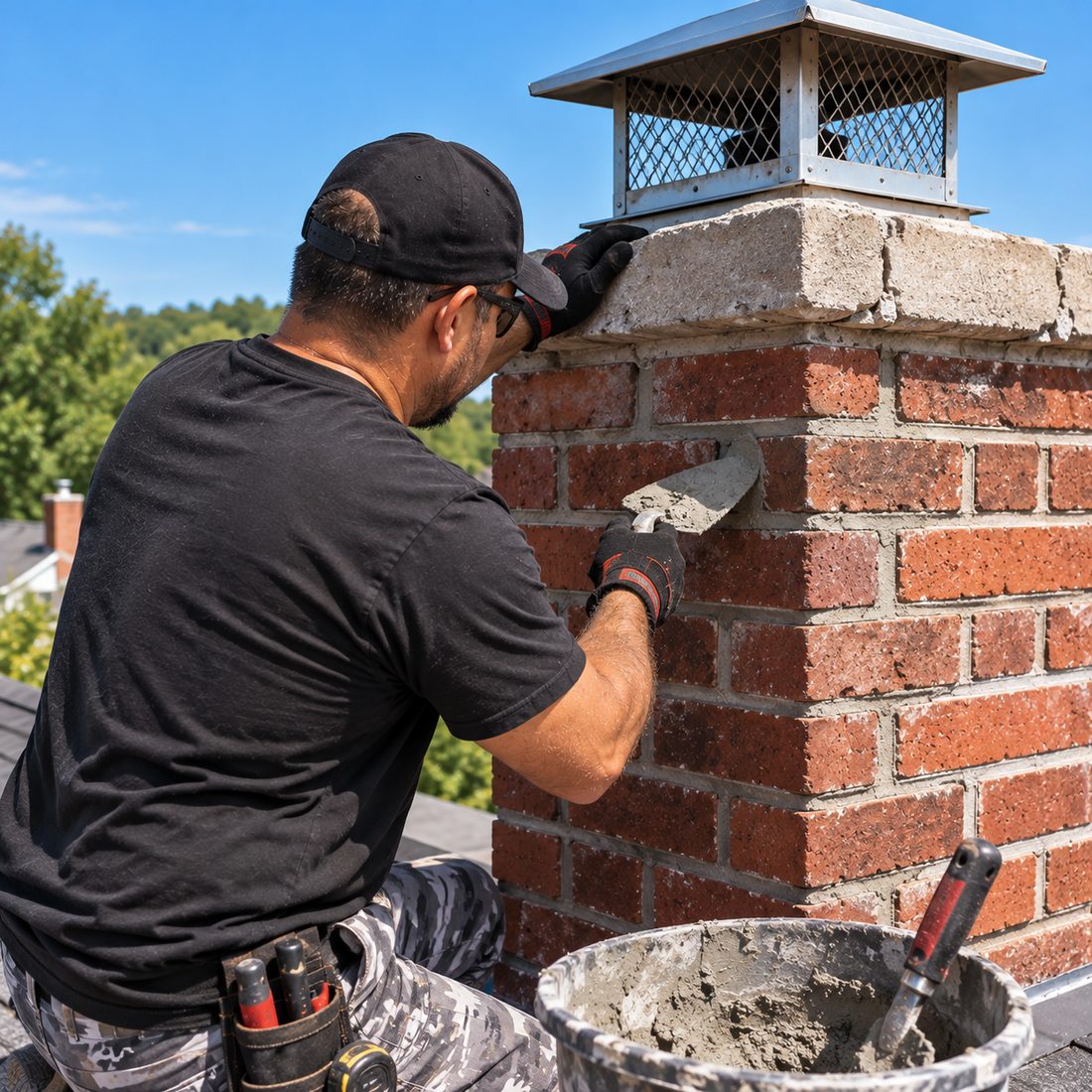
Targeted work can be appropriate when deterioration is limited to identifiable areas: mortar joints that need tuckpointing, a crown that needs repair, a damaged cap, flashing concerns, or localized brick damage. The goal is to correct the observed condition while preserving sound materials where practical.
Repair does not mean a temporary shortcut. When it is the right scope, it should address the cause as well as the symptom. For example, repairing a small masonry area without addressing water entering through a failed crown or flashing detail may leave the chimney exposed to the same problem.
A rebuild may be considered when accessible evidence suggests that deterioration is widespread, masonry is unstable, multiple areas are failing together, or prior patching can no longer create a reliable repair path. The specific extent of a rebuild can vary; it may concern a portion of the chimney rather than the entire structure.
The key is clarity. If a rebuild is recommended, ask what area is included, what condition made repair impractical, what related components will be evaluated, and what work outside the chimney scope may need coordination. A responsible recommendation should not rely on vague language such as “it is too old.”
Many masonry problems have a moisture component. A chimney can be repaired today and deteriorate again if water still enters through the crown, cap, flashing, open joints, or another path. Any repair-versus-rebuild conversation should include an explanation of how the chimney will manage weather after the work is complete.
In Missouri, seasonal rain, wind, and freeze–thaw exposure make this especially relevant. That does not mean every chimney needs a major project. It means water-management components deserve attention in the scope and priorities.
Ask each company to explain what was observed, show documentation where available, identify what repair is intended to do, and separate confirmed work from possible additional work. A lower price may reflect a narrower scope; a larger scope may be justified, but it should be clear why.
Do not compare only the words “repair” and “rebuild.” Compare the condition being addressed, the components included, the access assumptions, and the explanation of how the work fits the chimney.
Often, yes, when deterioration is limited and the remaining accessible structure supports a focused repair. The decision depends on the condition, not on a universal age or rule.
No. A crack can have different causes and scopes. It may be limited to a crown, mortar joint, brick area, or another component. An inspection is needed to understand what is actually affected.
You should receive a clear explanation of the observed condition and the proposed scope before work begins. Photos, notes, and a description of what is included help make the decision easier to understand.
If your chimney is showing masonry or moisture-related wear, Mister Chimney can help you understand whether focused repair is practical or whether a broader discussion is needed. Request a chimney repair evaluation in St. Louis or Kansas City.
How we can help
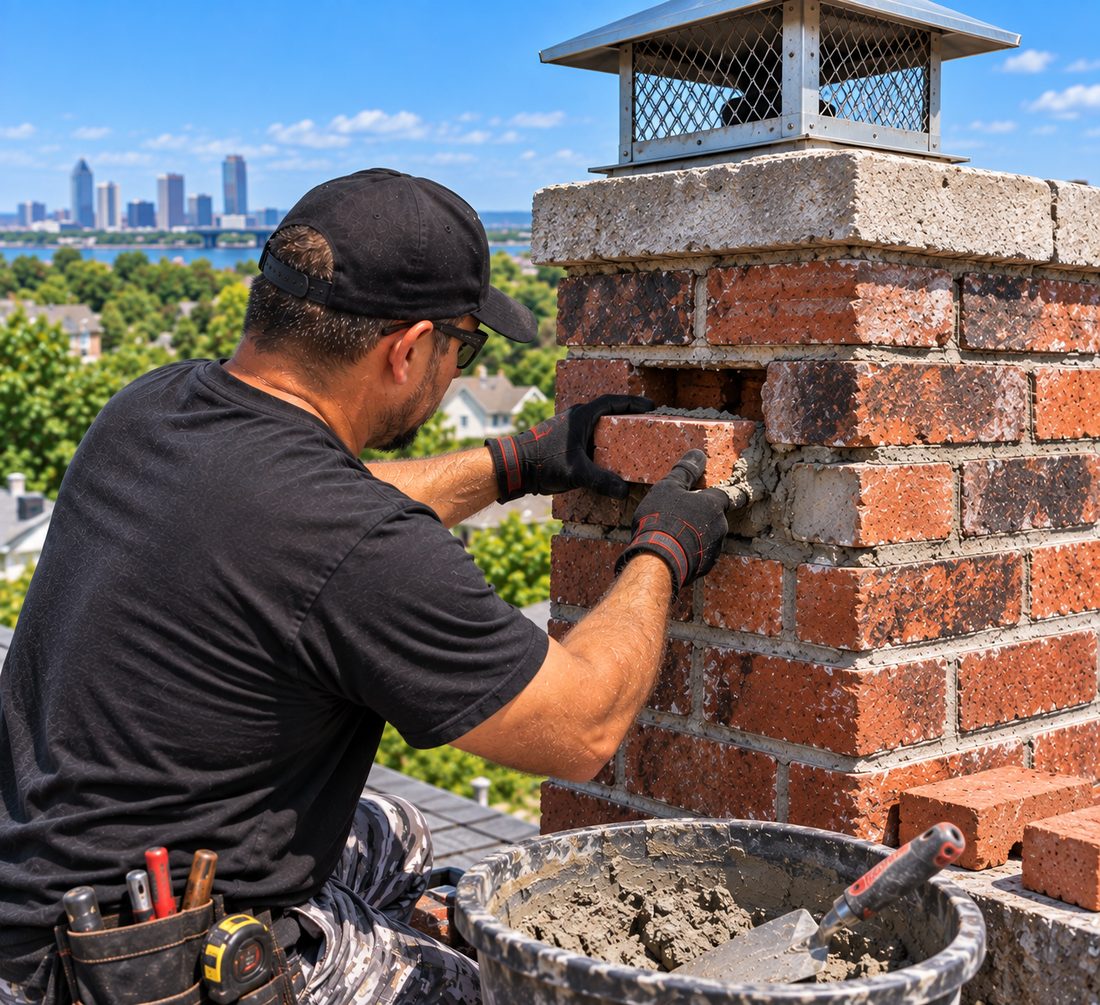
Diagnosing and correcting the specific problem, from a leak to failing masonry.
Learn about Chimney Repair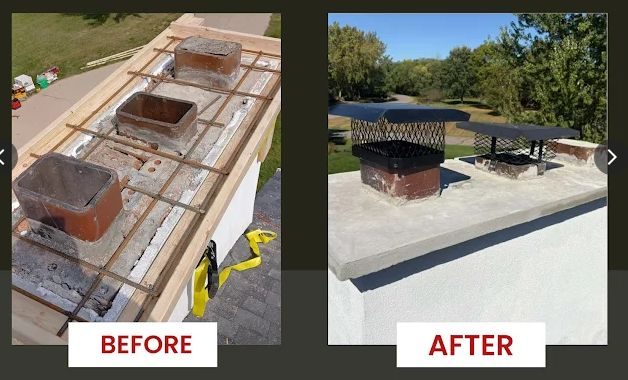
Repairing or rebuilding the top slab that sheds water off the chimney.
Learn about Chimney Crown RepairRebuilding and restoring the brick and stone that make up the chimney structure.
Learn about Chimney MasonryKeep reading
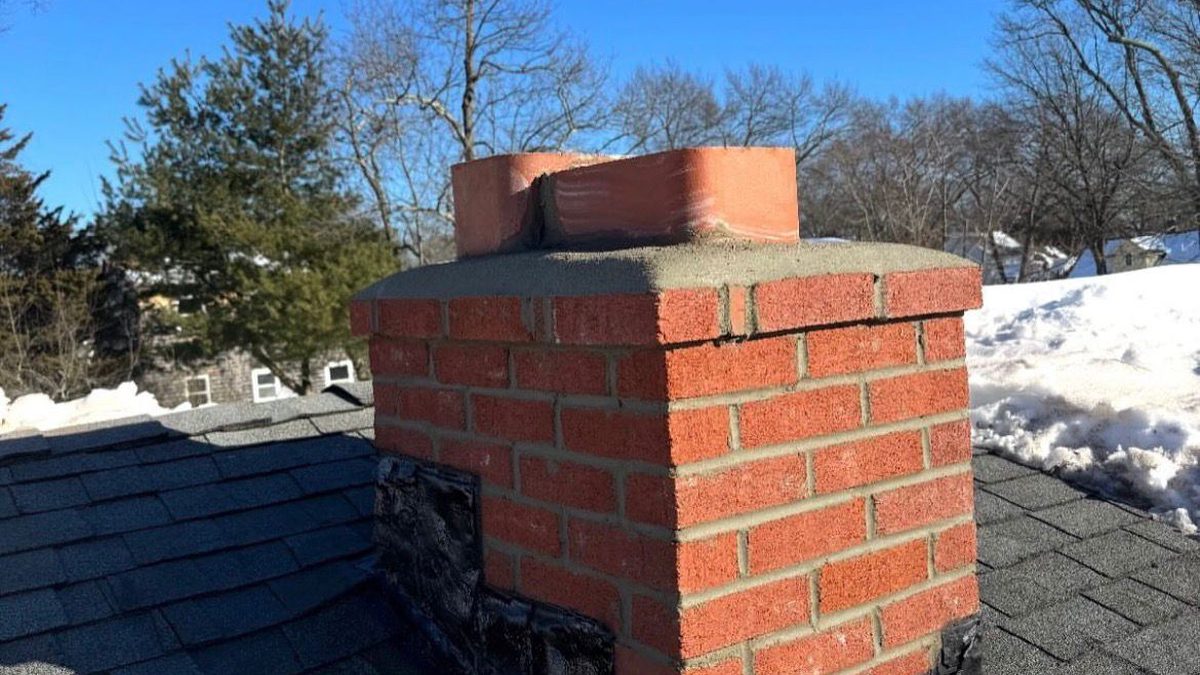
Learn what affects chimney repair cost, including the source of the problem, materials, access, scope, and why an on-site assessment matters.
Learn the difference between chimney tuckpointing and masonry repair, why mortar joints matter, and how an on-site assessment determines the right scope.
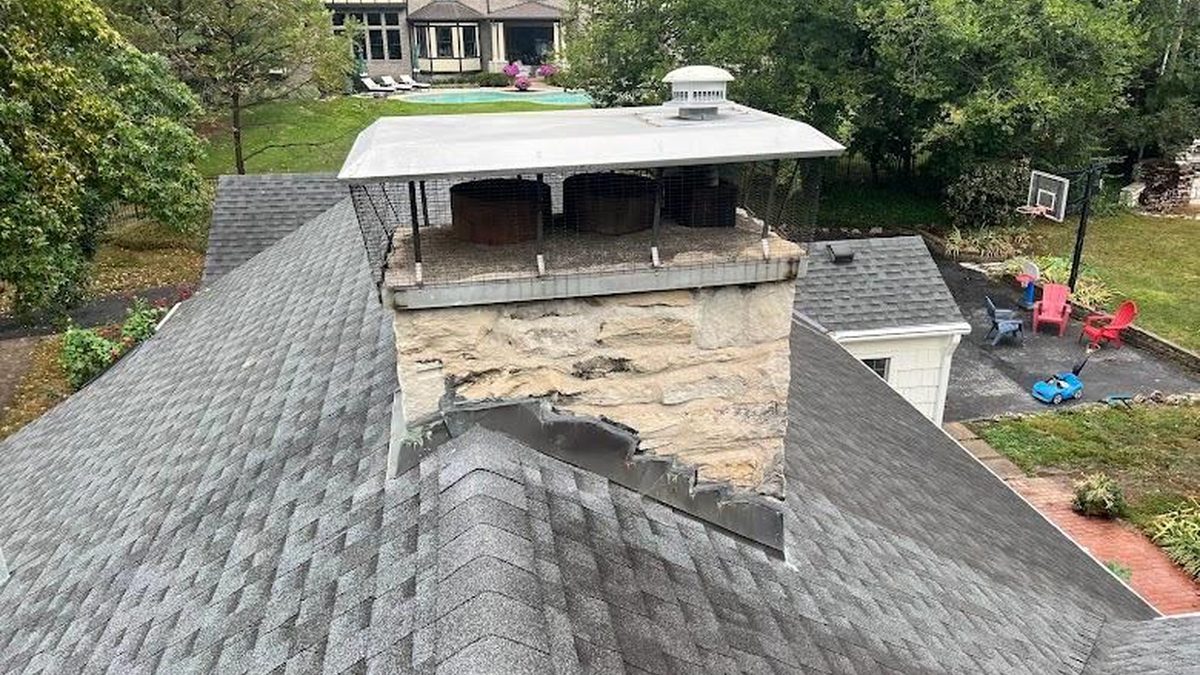
Learn why chimney leaks can be difficult to trace, what homeowners can safely observe, and how a condition-focused evaluation identifies the likely source.
Get in touch
Tell us about your chimney or fireplace and the best number to reach you. Full name, phone, and ZIP are required.