
How Missouri Freeze–Thaw Weather Can Affect Chimney Masonry
Learn how moisture and freeze–thaw exposure can affect chimney brick and mortar in Missouri, what to watch for, and when to schedule an evaluation.
Chimney Repairs & Moisture
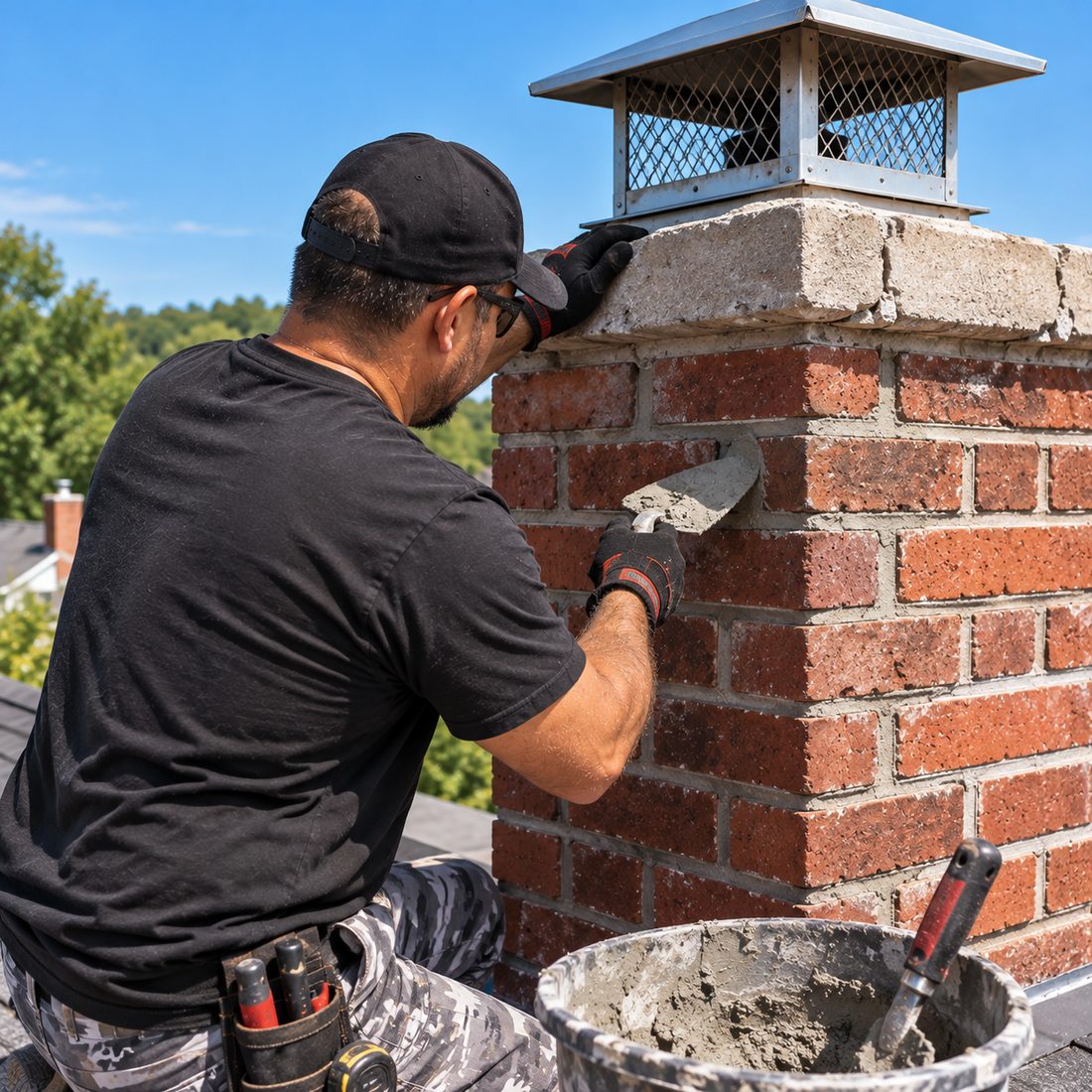
Brick chimneys depend on more than the bricks themselves. Mortar joints hold the masonry together, help manage weather exposure, and play an important role in the condition of the whole chimney. When mortar begins to crack, erode, separate, or fall away, homeowners often hear the word “tuckpointing.” But tuckpointing is not the answer for every masonry condition.
The difference is scope. Tuckpointing focuses on deteriorated mortar joints. Masonry repair can include mortar work, but it may also involve damaged brick, structural concerns, water-related deterioration, or other parts of the chimney that need attention. The correct approach depends on what is actually happening in the masonry.
Chimney tuckpointing involves removing deteriorated mortar from joints and replacing it with new, compatible mortar. It can help restore joints that have weathered or worn over time while preserving sound brick around them.
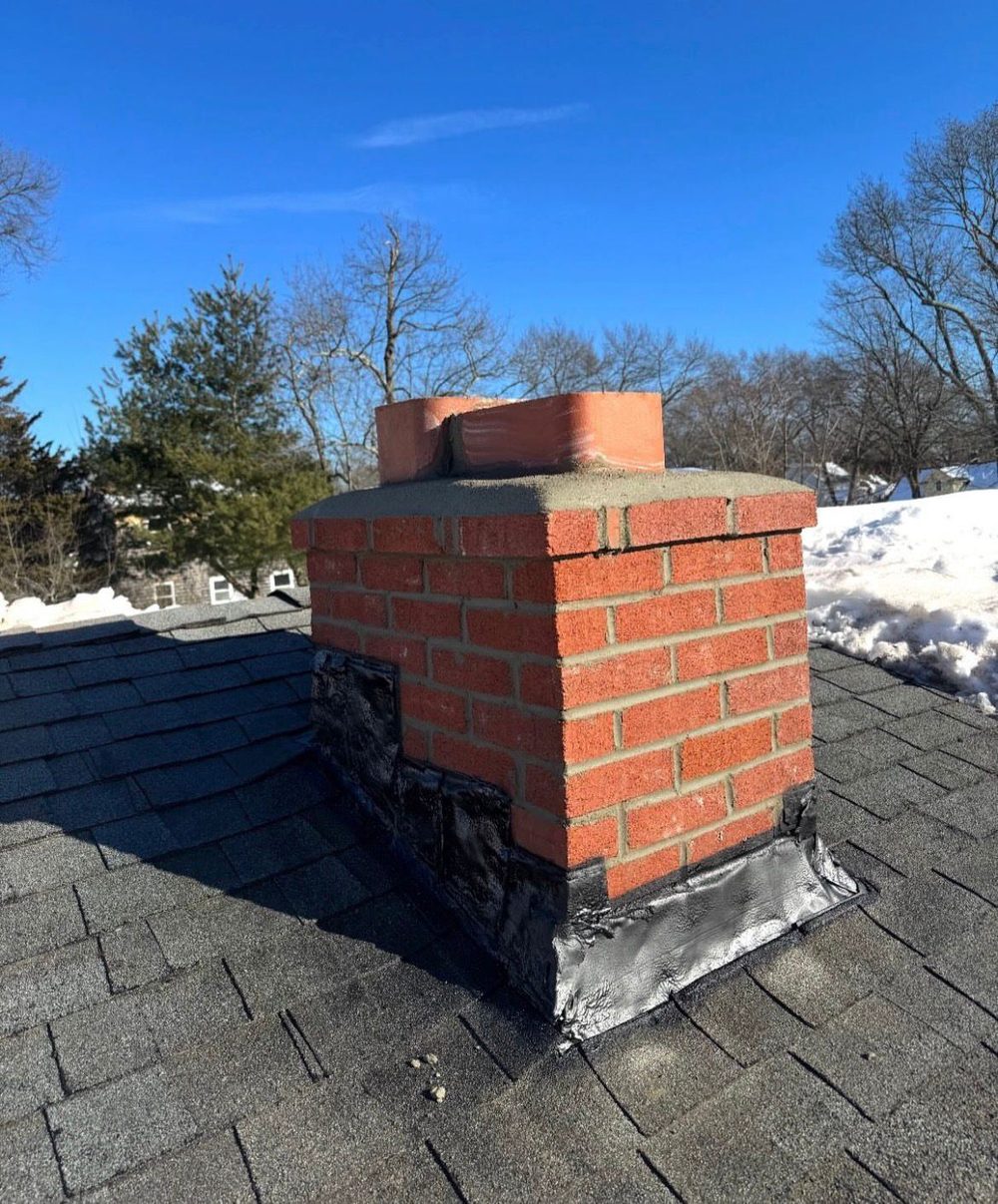
From the ground, homeowners may see gaps, crumbling material, fine cracks along the joints, or small pieces of mortar on the ground. These are signs to have the masonry reviewed. They do not tell you how deep the deterioration goes or whether water has affected the chimney in other places.
Chimney masonry and brick repair may be needed when brick is spalling, cracked, loose, displaced, or affected by repeated moisture exposure. It may also be considered when the chimney has conditions beyond the joints, such as damage around the crown, structural movement, or water paths that need to be addressed first.
Replacing mortar around damaged brick without correcting the cause of the damage can be a short-lived fix. Likewise, replacing brick without evaluating deteriorated joints can leave a related condition in place. The scope should fit the full accessible condition, not just the first crack that catches the eye.
Masonry is exposed to rain, humidity, and freeze–thaw cycles. When water enters open joints or porous areas, it can add to deterioration over time. That does not mean all old mortar needs to be replaced, but it does mean moisture management matters.
The crown, cap, flashing, and roof transition should be considered along with masonry. If water is entering from above or around the roofline, tuckpointing alone may not prevent the same damage from returning. A homeowner may need a combination of repair steps, such as chimney crown repair or chimney waterproofing, once the actual conditions are understood.
Not every mortar mix behaves the same way. The age and construction of the chimney, the condition of the brick, and the prior repair history can influence what approach is appropriate. A repair should be planned for the masonry in front of you, not copied from a generic online project.
This is especially important for older chimneys, where a too-hard or incompatible material can create problems for adjacent masonry. The goal is a repair that respects the chimney’s construction and addresses the observed condition.
Ask whether the concern is limited to mortar joints or whether brick, moisture, crown, flashing, or structural conditions were also observed. Ask what area is included in the proposed scope and whether any conditions should be handled before or alongside the mortar work.
Clear answers help you compare options. “It needs tuckpointing” is a starting point, not a complete explanation. You should understand why that scope is appropriate and what the repair is intended to accomplish.
No. Mortar joints are part of the chimney’s weather-exposed masonry system. Deteriorated joints can allow moisture in and can affect the condition of nearby brick, but the appropriate repair still depends on the actual scope of wear.
Do not assume a surface fill will solve the condition or that every product is compatible with your chimney. A masonry repair should address deteriorated material and the likely moisture path, not simply cover the visible symptom.
Loose, cracked, flaking, or damaged brick can indicate that the concern is broader than the joints. An on-site review can distinguish between mortar-focused tuckpointing and more extensive masonry repair.
If you see gaps, crumbling mortar, or weathered brick on a Missouri chimney, request a chimney tuckpointing evaluation with Mister Chimney. We will explain whether the condition is joint-specific or calls for broader masonry work.
How we can help
Cutting out failed mortar joints and repacking them to restore the seal between brick.
Learn about Chimney Tuckpointing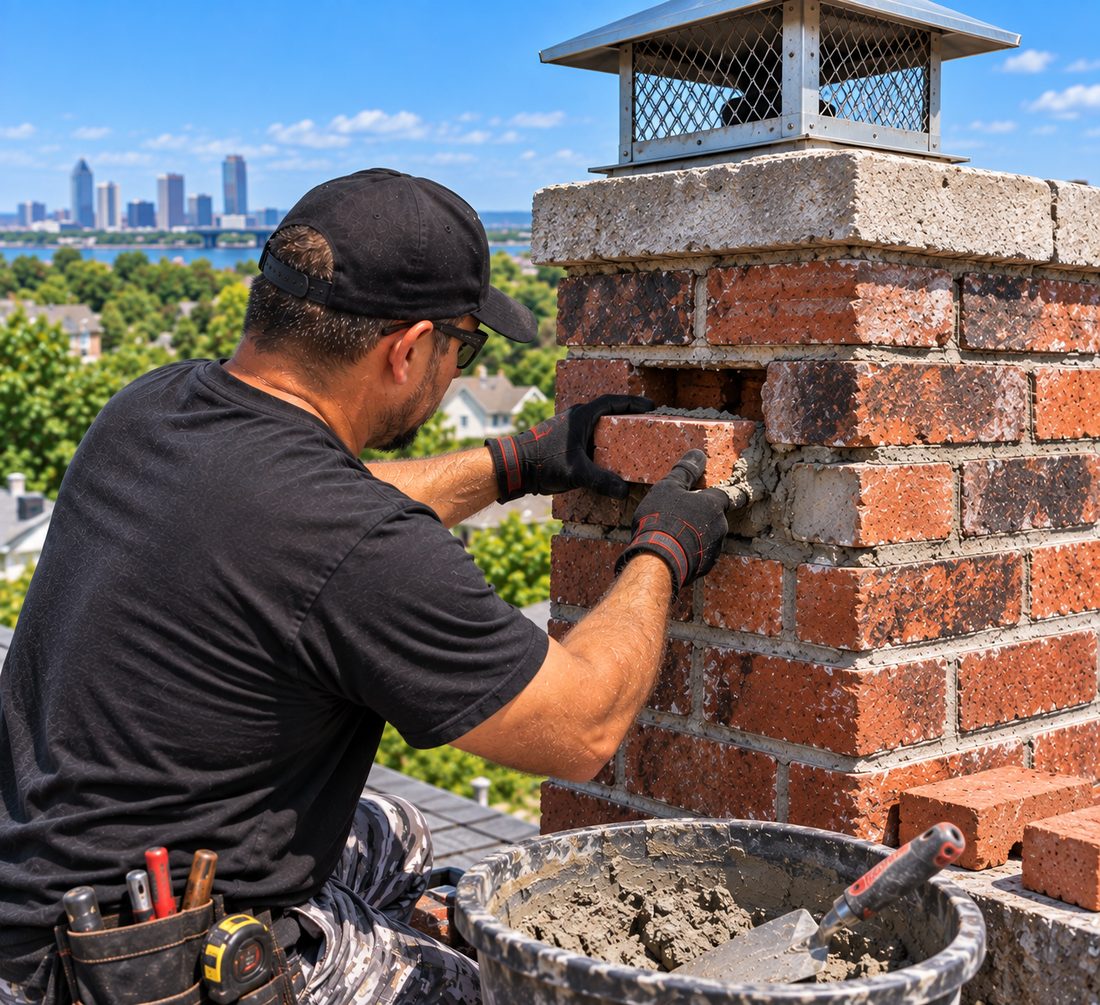
Diagnosing and correcting the specific problem, from a leak to failing masonry.
Learn about Chimney Repair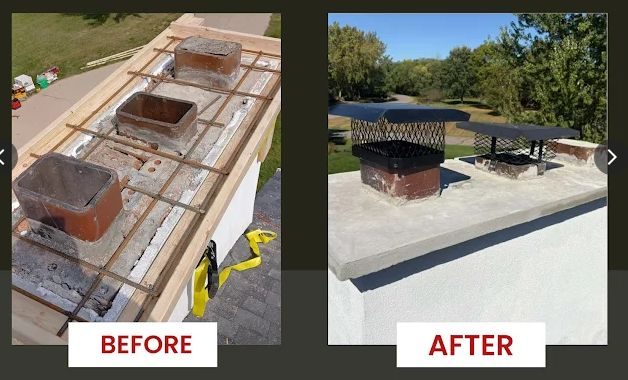
Repairing or rebuilding the top slab that sheds water off the chimney.
Learn about Chimney Crown RepairKeep reading
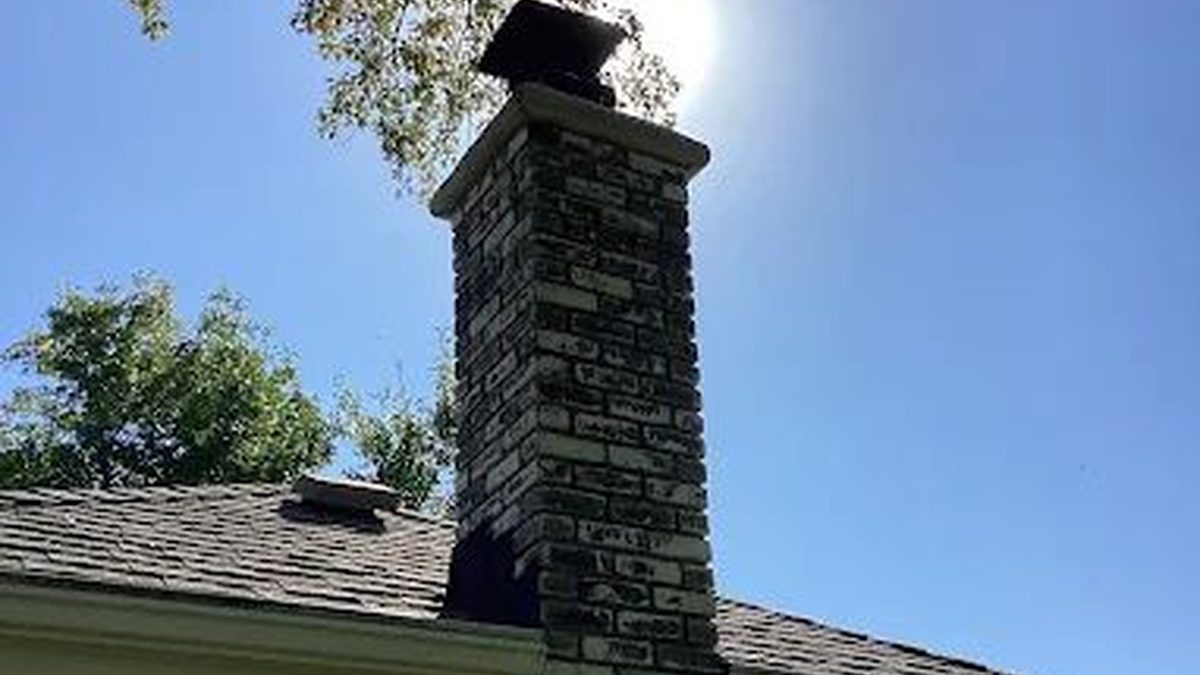
Learn how moisture and freeze–thaw exposure can affect chimney brick and mortar in Missouri, what to watch for, and when to schedule an evaluation.
Learn what to watch for on an older St. Louis brick chimney, including mortar wear, water exposure, crown condition, flashing, and when to schedule a masonry evaluation.
Chimney leak repair and waterproofing are not the same. Learn how source repair and moisture protection work together on Missouri chimneys.
Get in touch
Tell us about your chimney or fireplace and the best number to reach you. Full name, phone, and ZIP are required.