Creosote and Wood-Burning Fireplaces: What Homeowners Should Know
Learn what creosote is, why it forms in wood-burning systems, what affects buildup, and when a professional chimney cleaning is appropriate.
Fireplace, Flue & Venting
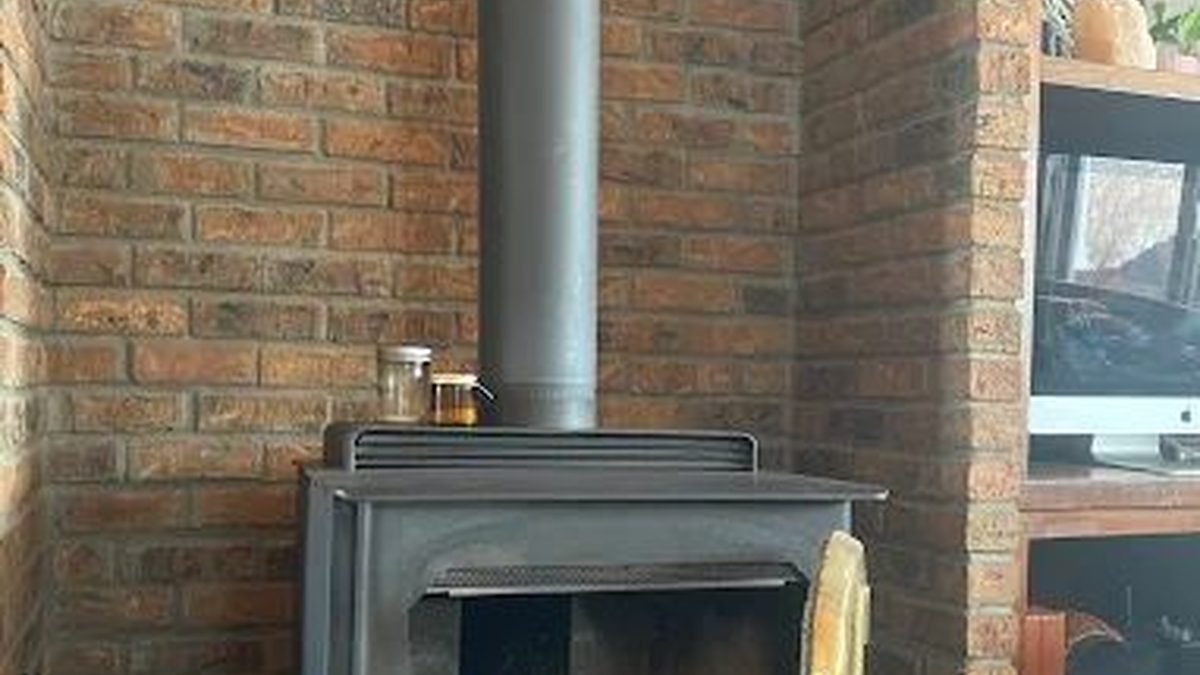
A wood stove is more than the appliance in the room. It is connected to a chimney or venting path, and its performance depends on the condition of that whole system. The stove, connector pipe, flue, cap, masonry or chase, and surrounding clearances all deserve attention when the appliance is used regularly.
Maintenance is not only about removing ash. It includes observing how the stove behaves, using appropriate dry fuel, keeping the appliance and chimney system evaluated, and responding to changes before they become a larger question.
Pay attention if the stove begins smoking into the room, drafts differently, creates an unfamiliar odor, produces more visible soot than usual, has a door or gasket concern, or has a change in the way it heats. These signs do not identify one exact cause. They are reasons to stop and evaluate the appliance and venting system.
Do not make adjustments to the stove’s construction, connector pipe, or chimney configuration without understanding the manufacturer’s instructions and property-specific requirements. A wood stove operates at high temperatures and should not be treated as a general handyman project.
Wood combustion can produce soot and creosote in the venting system. How much develops depends on use, fuel quality, airflow, and the appliance and chimney configuration. Regular chimney cleaning and sweeping and inspection help address serviceable deposits and identify accessible conditions that should be discussed.
The connection between the stove and chimney deserves attention as well. A change in draft may be related to the appliance, damper, cap, liner, debris, or another portion of the system. The condition needs to be evaluated as a whole rather than assumed from one symptom.
Burn only fuel appropriate for the appliance and follow the manufacturer’s instructions. Wet or unseasoned wood can create more smoke and affect how the stove performs. Keep combustible items away from the appliance and avoid using improper fire starters or materials not intended for the stove.
These owner habits support better operation, but they are not a substitute for inspection. If the stove is smoking, has an odor, or has a known component concern, professional evaluation is still the right next step.
Before regular winter use, review the stove area, connector path, hearth, and surrounding space for visible changes. Make sure you know the last time the system was cleaned or inspected. If the stove has been unused for a long time, has a new symptom, or was affected by a roof, masonry, or weather concern, schedule service before use.
At Mister Chimney, we look at the accessible appliance and chimney system together. The goal is to explain what is observed and help homeowners make practical maintenance decisions rather than give a generic answer based only on the stove model.
Wood stoves use a venting system that can develop deposits and conditions requiring maintenance. The appropriate cleaning and inspection schedule depends on use, fuel, condition, and the specific system.
Smoke can be connected to draft, timing, fuel, air movement, deposits, or another system condition. If it is new or persistent, arrange an evaluation rather than continuing to test the stove.
Wood stove installation and changes to the chimney or venting path require property-specific planning, appliance instructions, and applicable requirements. Do not make installation or modification decisions without qualified evaluation.
For wood stove and chimney care in St. Louis or Kansas City, Mister Chimney can review the accessible system and explain what maintenance or inspection is appropriate. Request wood stove installation planning or chimney service based on your stove’s actual condition.
How we can help
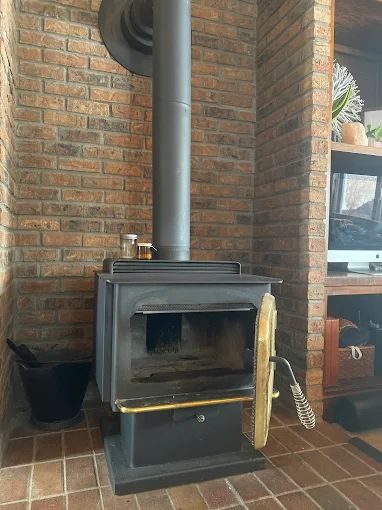
Setting a wood stove with correct clearances, hearth protection, and venting.
Learn about Wood Stove Installation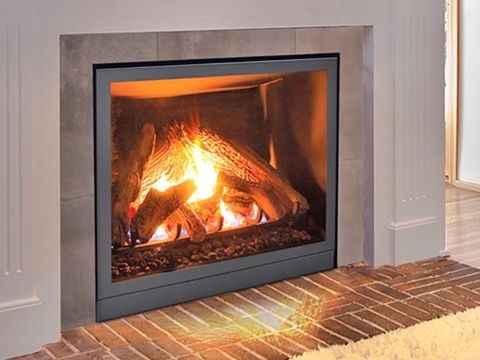
Diagnosing why a gas fireplace won't light, stay lit, or run cleanly, and correcting it.
Learn about Gas Fireplace Repair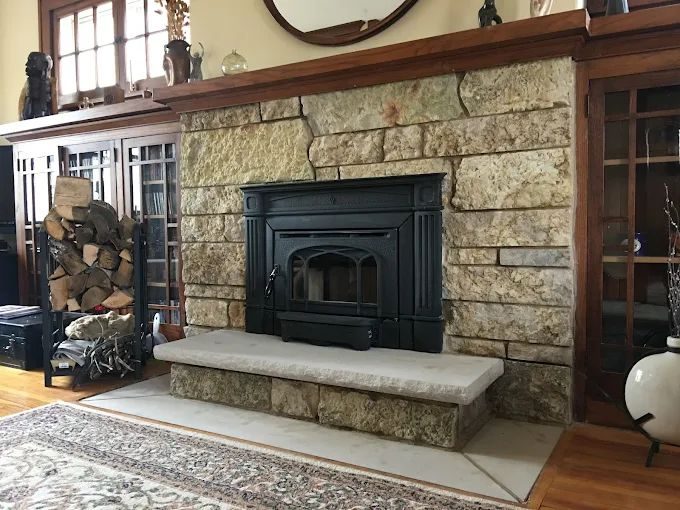
Fitting an efficient sealed insert into an existing fireplace opening.
Learn about Fireplace Insert InstallationKeep reading
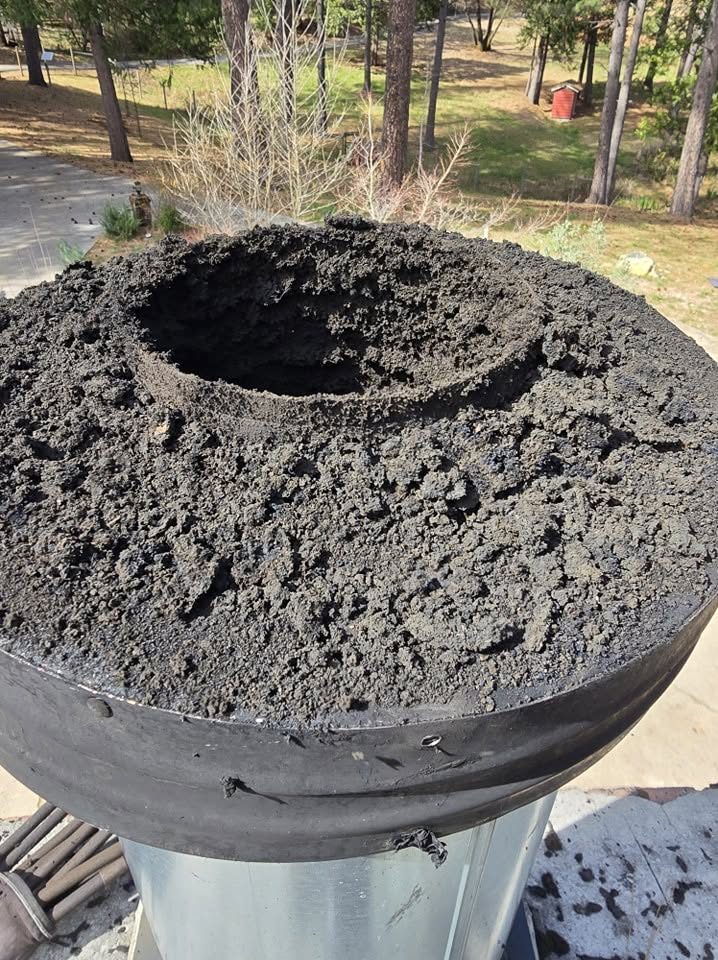
Learn what creosote is, why it forms in wood-burning systems, what affects buildup, and when a professional chimney cleaning is appropriate.
A fireplace that no longer drafts normally can have several causes. Learn what changes to note and why a condition-focused chimney inspection matters.
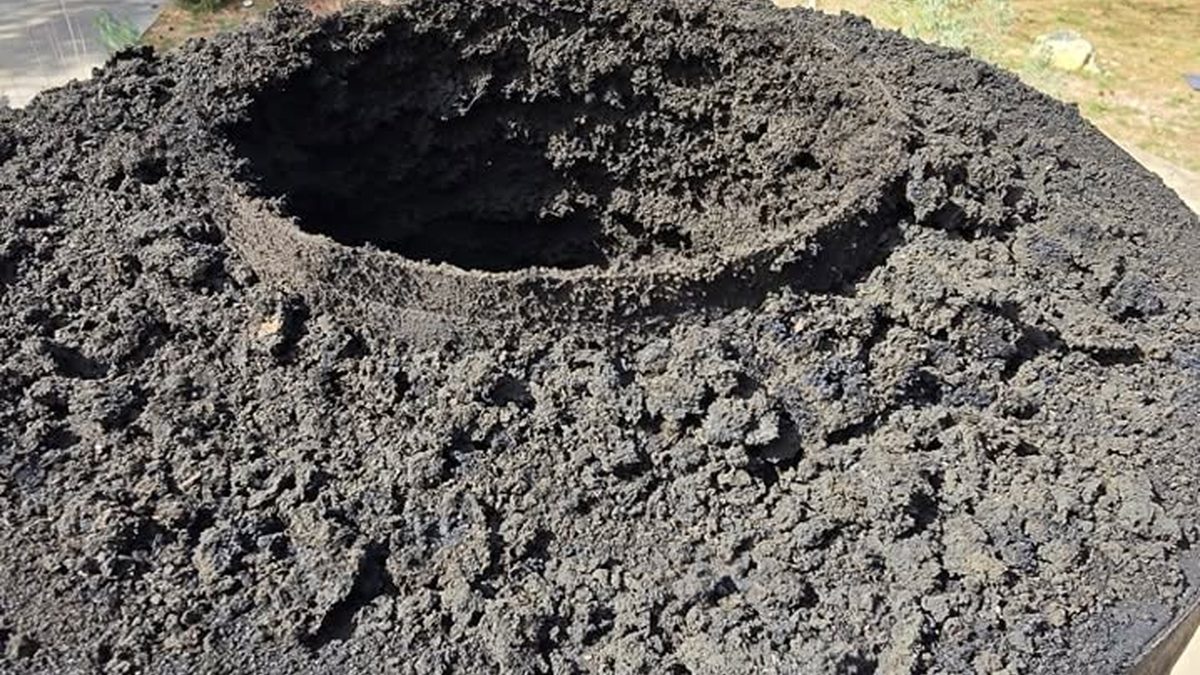
Learn what affects chimney cleaning frequency in Missouri, including use, fuel type, system condition, moisture, and changes in fireplace performance.
Get in touch
Tell us about your chimney or fireplace and the best number to reach you. Full name, phone, and ZIP are required.