How to Prepare Your Home for a Chimney Service Visit
Prepare for a chimney service visit with practical steps for fireplace access, pets, property information, and questions for the technician.
Cleaning & Inspections
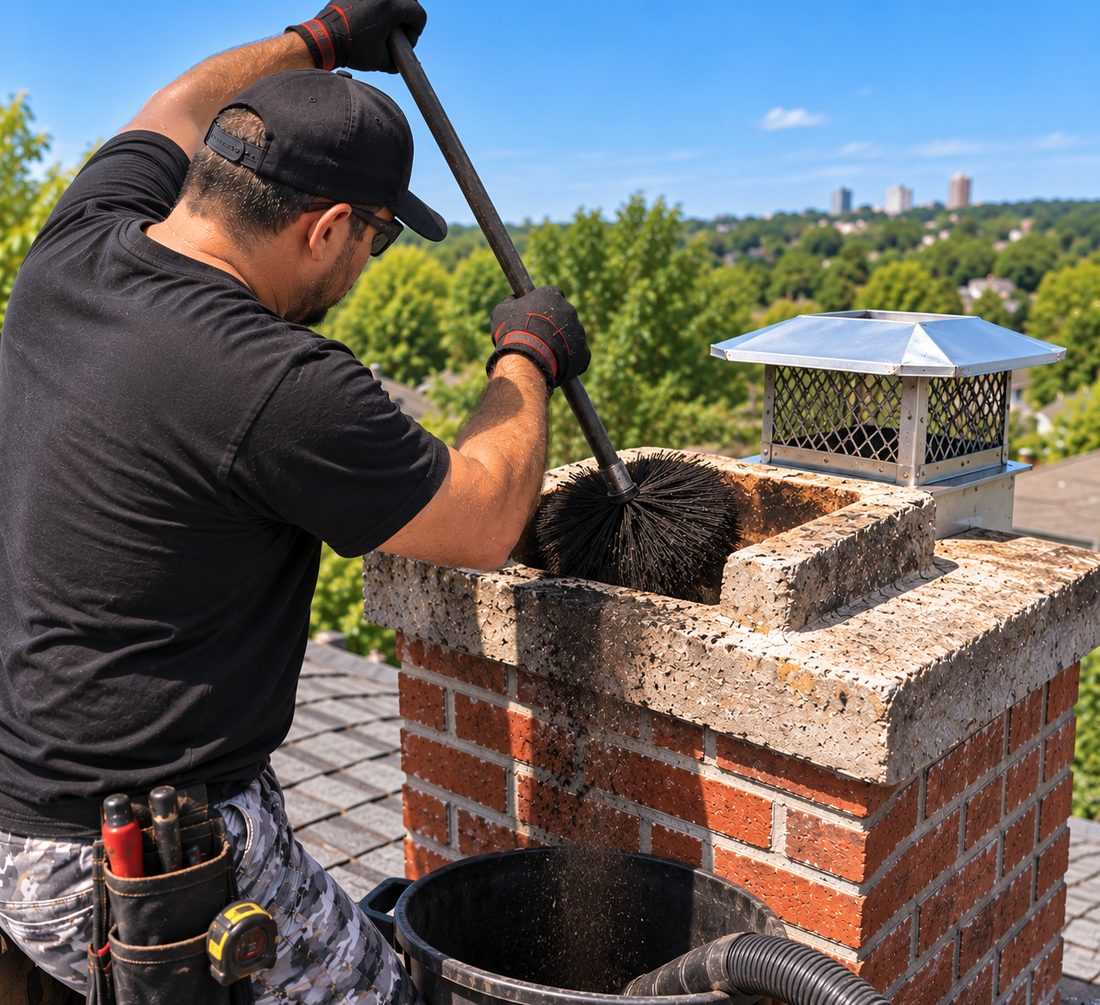
For many homeowners, the idea of chimney cleaning brings up one concern first: “Will this make a mess in my house?” A professional visit should begin by protecting the work area, explaining the scope, and making sure the technician understands how the fireplace or appliance has been used.
The actual work depends on the type of system. A masonry wood-burning fireplace, a prefab fireplace, a wood stove, a pellet stove, and a gas fireplace do not all have the same components or maintenance needs. The goal is not to run the same process through every property. It is to clean the serviceable areas appropriately, watch for visible conditions, and leave the homeowner with a clear understanding of what was done.
Before equipment is set up, a technician should ask about the system. Has the fireplace been used often? Has smoke entered the room? Is there an odor after rain? Has the home had water issues near the chimney? Are there past inspection reports or repairs? These details help determine whether routine cleaning is the right scope or whether a condition-focused chimney inspection should be part of the visit.
Access matters too. The fireplace area should be reasonably clear, and the technician needs to know about stairs, roof access limitations, attic access, pets, or property-manager requirements. Good planning does not mean every space must be entered; it means the scope is understood before work begins.
A chimney cleaning should not leave the living room looking like a construction zone. Protective coverings, appropriate containment, and specialized vacuum equipment are used to help control dust and debris in the immediate work area. The exact setup depends on the fireplace or appliance, but the homeowner should be able to see that the room is being treated with care.
That attention to protection is not only cosmetic. It also makes the process more organized. Tools, brushes, and equipment can be placed deliberately, and the technician can work through the system without creating unnecessary disruption.
For a wood-burning fireplace or stove, cleaning may involve serviceable portions of the firebox, smoke chamber, flue, and connected venting. The technician removes accessible soot, ash, creosote, and debris as appropriate for the system. The process and tools vary with the design, the height and configuration of the chimney, and the condition observed during the visit.
Gas fireplaces and pellet stoves need their own service approach. A gas system may require attention to accessible components, the firebox area, and visible venting conditions. A pellet stove involves the appliance and its venting path. The important point is that service should be matched to the equipment, not treated as a generic fireplace cleaning.
Removing deposits can make some areas easier to evaluate. A technician may see evidence of moisture, a damaged component, an area of loose masonry, unusual debris, a worn damper, or a concern that cannot be explained from accessible portions alone. If that happens, the next step should be discussed before any added work begins.
Some conditions call for a simple maintenance recommendation. Others may point to a focused service such as chimney cap installation and repair, chimney crown repair, or a closer look at a liner. A good explanation separates what was cleaned from what was observed so the homeowner can make an informed decision.
Before leaving, the technician should explain the service performed, review visible findings, and answer questions about the fireplace or appliance. If a repair or expanded inspection is recommended, the homeowner should understand why it is being suggested and whether it needs prompt attention or can be planned.
The service area should also be left orderly. A professional chimney visit is not finished when the brush is put away; it is finished when the homeowner understands the condition of the system and the work area is cleaned up.
The work involves soot and debris, which is why proper containment and vacuum equipment matter. A professional team should protect the immediate fireplace area and manage the work carefully to reduce unnecessary mess inside the home.
No. Cleaning and repair are separate. A visit may confirm that routine maintenance is all that is appropriate. If a condition is found, it should be explained before additional work is considered.
Time depends on the system, its access, its condition, and whether inspection or other work is needed. It is better to plan around the scope of the visit than rely on a universal time estimate.
When it is time to maintain a fireplace, stove, or chimney in Missouri, Mister Chimney will explain the work before it starts and the findings before any next step is chosen. Request chimney cleaning and sweeping for a careful, condition-aware visit.
How we can help
Removing soot and creosote so a flue can vent the way it was designed to.
Learn about Chimney Cleaning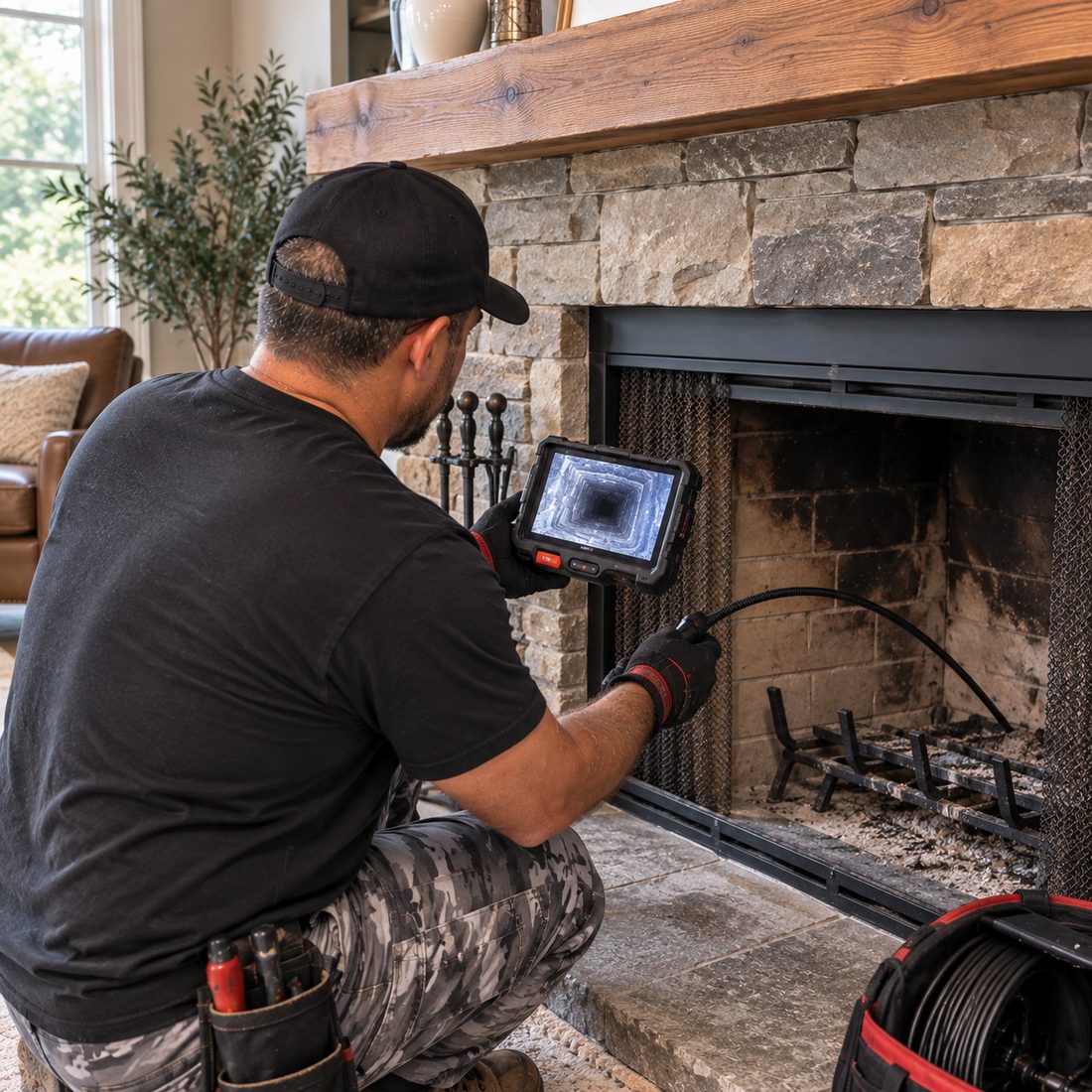
A structured look at the flue, firebox, and exterior to document the system's condition.
Learn about Chimney Inspection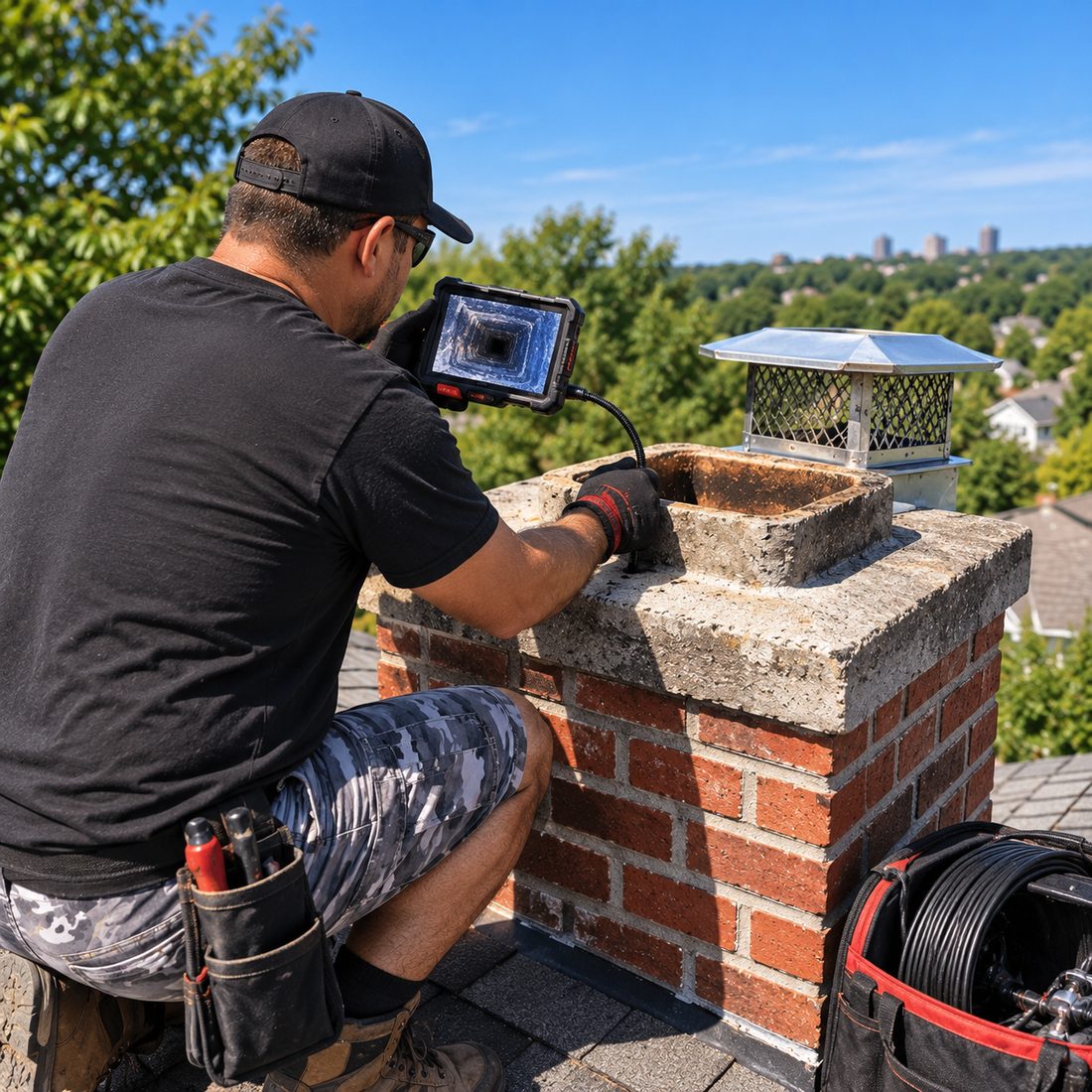
A video scan of the flue interior that shows what a view from below cannot.
Learn about Camera Chimney InspectionKeep reading
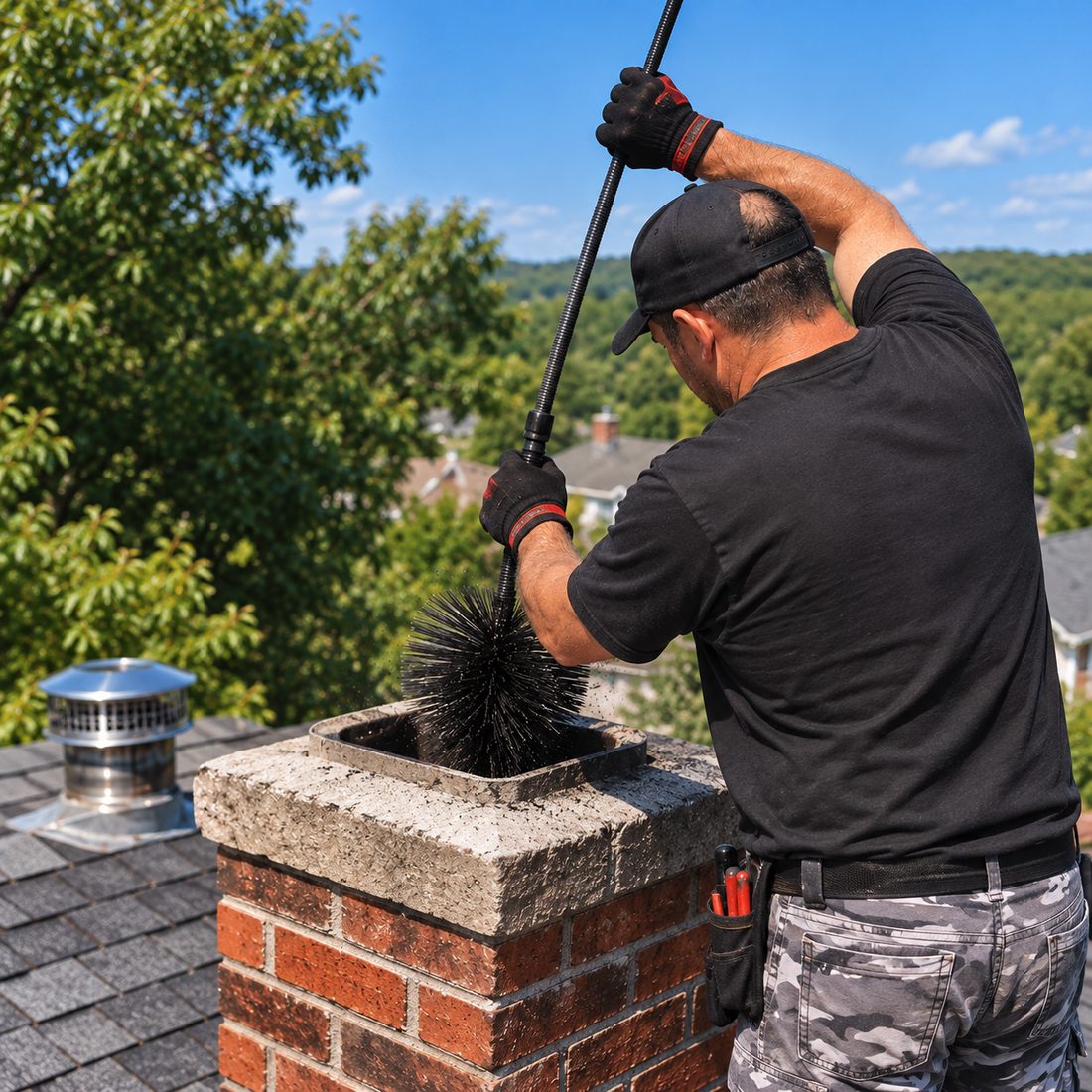
Prepare for a chimney service visit with practical steps for fireplace access, pets, property information, and questions for the technician.
Learn what a chimney inspection can help identify, what the visit may include, and when Missouri homeowners should arrange an evaluation.
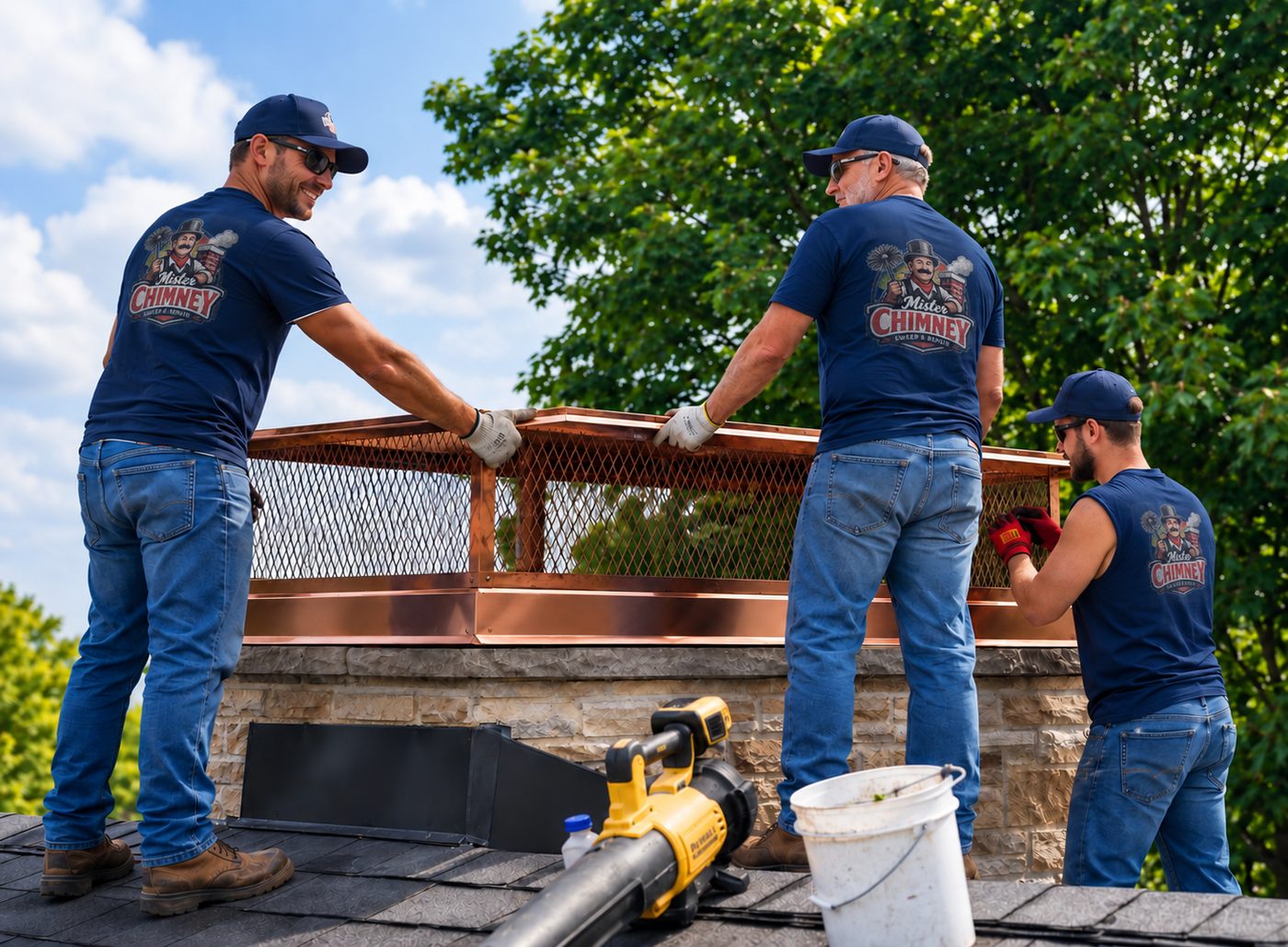
Learn why documenting accessible chimney conditions with notes, photos, or camera work helps homeowners understand repair recommendations before approving work.
Get in touch
Tell us about your chimney or fireplace and the best number to reach you. Full name, phone, and ZIP are required.