What Happens During a Professional Chimney Cleaning?
See what a professional chimney cleaning visit may involve, from protecting the work area to reviewing accessible conditions and next steps.
Cleaning & Inspections
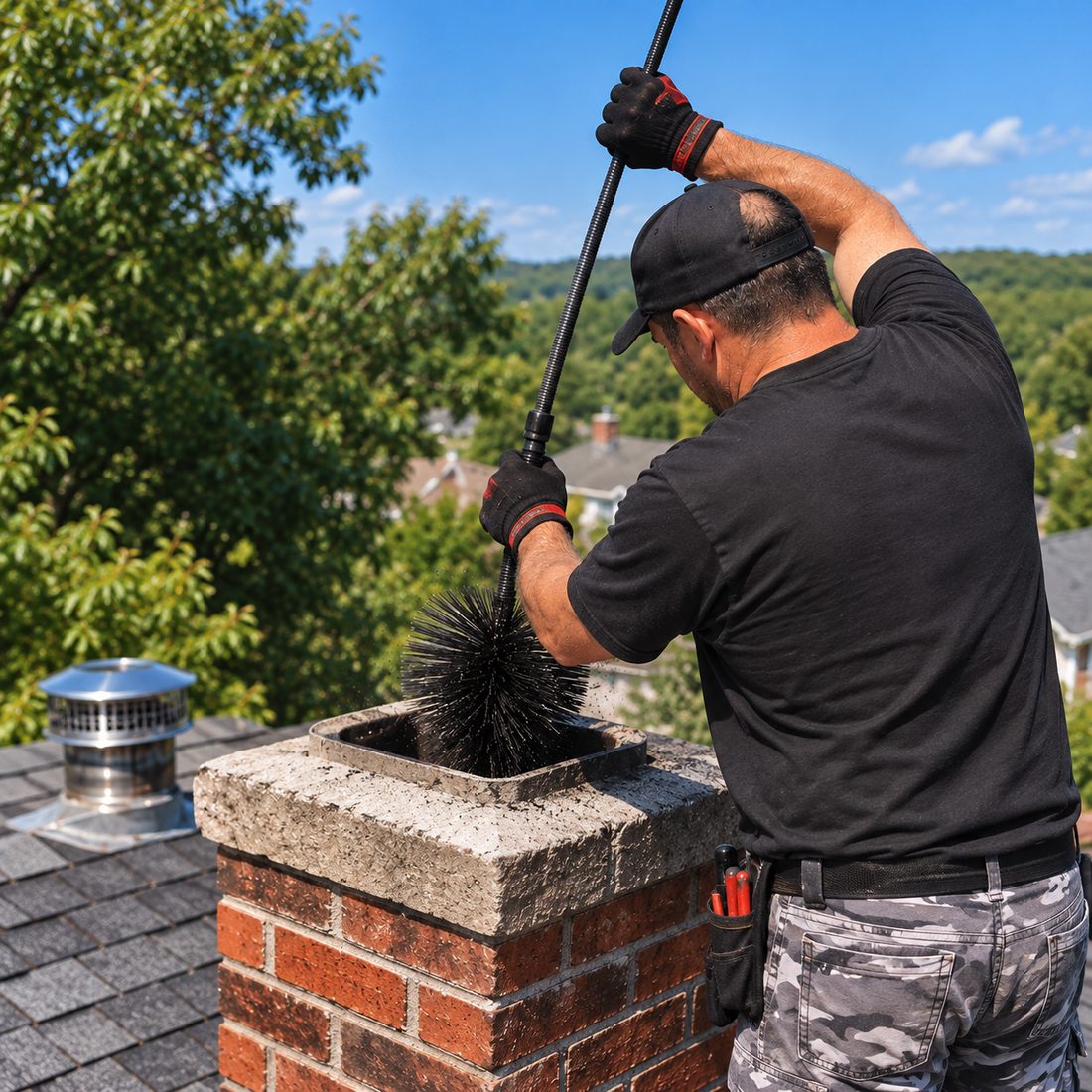
Preparing for a chimney service visit does not require a major home project. A few simple steps can make the appointment safer, more efficient, and more useful. The goal is to give the technician reasonable access to the fireplace or appliance and to make sure important details are not forgotten once the visit starts.
Whether you scheduled chimney cleaning and sweeping, an inspection, a leak evaluation, or fireplace service, the best preparation is clear access and clear information.
Move fragile decorations, removable fireplace accessories, and small furniture away from the hearth area. Create a clear path from the entry to the fireplace or appliance. If the home has light-colored carpet, delicate flooring, or nearby furnishings you are especially concerned about, point that out when the technician arrives.
You do not need to remove built-in components or attempt to disassemble the fireplace. In fact, homeowners should not take apart dampers, panels, gas components, stove piping, or chimney hardware before a service visit. If access beyond the ordinary fireplace area is needed, the technician can explain why and discuss the right next step.
The most useful preparation is often a short list of symptoms. Think about when the issue occurs. Does a smell appear after rain? Does smoke enter the room at start-up or throughout use? Has water appeared near the fireplace? Did a cap, crown, or piece of mortar look different after a storm? Has the system been unused for a long time?
Photos are helpful when they show a changing condition, especially water marks, exterior damage, or debris seen after weather. A photo does not diagnose the problem, but it can help the technician understand the pattern and decide what areas need attention.
Let the technician know what kind of system you have, if you know it: a masonry fireplace, prefab fireplace, wood stove, pellet stove, gas fireplace, or insert. Mention changes made by a previous owner, old inspection reports, prior repairs, a recent roof project, or a change in appliance.
For a property manager or homeowner who has just purchased a home, it is fine not to have a full history. Simply say what is unknown. That is more useful than guessing. The inspection scope can be shaped around the questions that still need answers.
Chimney work can involve tools, vacuum equipment, ladders, and an open work area. Keep pets in a separate, comfortable space during the appointment when possible. If young children are home, make sure they understand that the work area is not a place to play.
Share any access details ahead of time: a gate code, parking restriction, building-management procedure, attic hatch location, steep driveway, roof-access limitation, or unit-entry rule. The information does not guarantee a particular scope, but it helps the visit begin without unnecessary delay.
The technician may find that routine maintenance is all that is appropriate. If a condition is found, ask to see photos or hear a clear explanation. You should understand whether the recommendation is urgent, something to monitor, or a repair that can be planned. If an inspection needs to be expanded, ask what information the added work is meant to provide.
Mister Chimney’s approach is to explain the visible condition and the available options before work is recommended. That gives you room to make a decision based on the property, not on pressure in the moment.
Usually, clearing the immediate fireplace area and path to it is enough. If there are large or fragile pieces close to the hearth, mention them when scheduling or when the technician arrives so the work area can be planned appropriately.
No special cleaning is required. Do not remove components or attempt to clean inside the flue. Simply make the area accessible and let the technician know what you have noticed about the system.
Ask what was observed, what was cleaned or inspected, what the condition may mean, and what options are appropriate. If a repair is recommended, ask why it is needed and whether it should be handled now or planned for later.
Ready for a chimney or fireplace visit in St. Louis or Kansas City? Clear the hearth area, note the symptoms you have seen, and request service from Mister Chimney. We will start with the condition of your system and keep the conversation straightforward.
How we can help
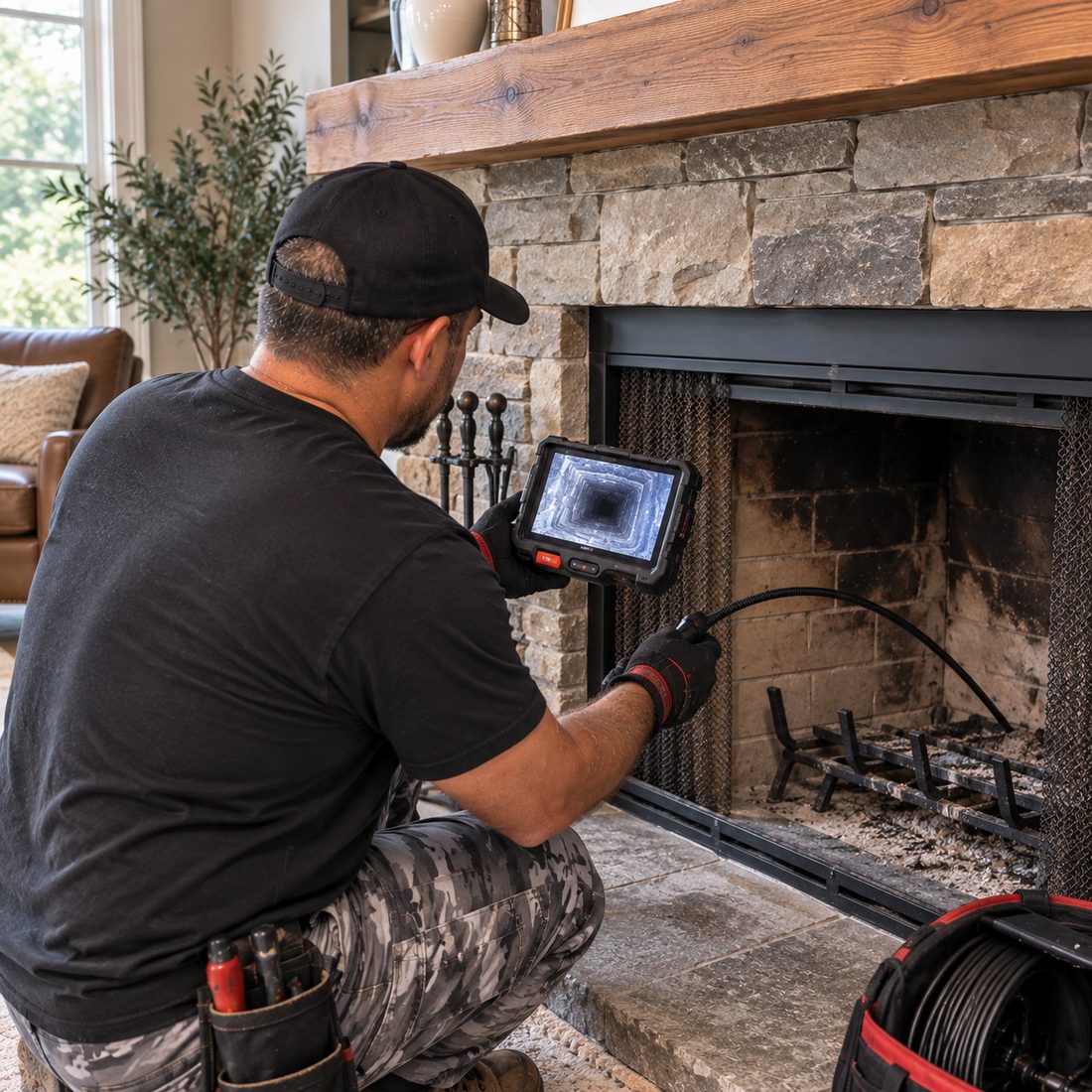
A structured look at the flue, firebox, and exterior to document the system's condition.
Learn about Chimney Inspection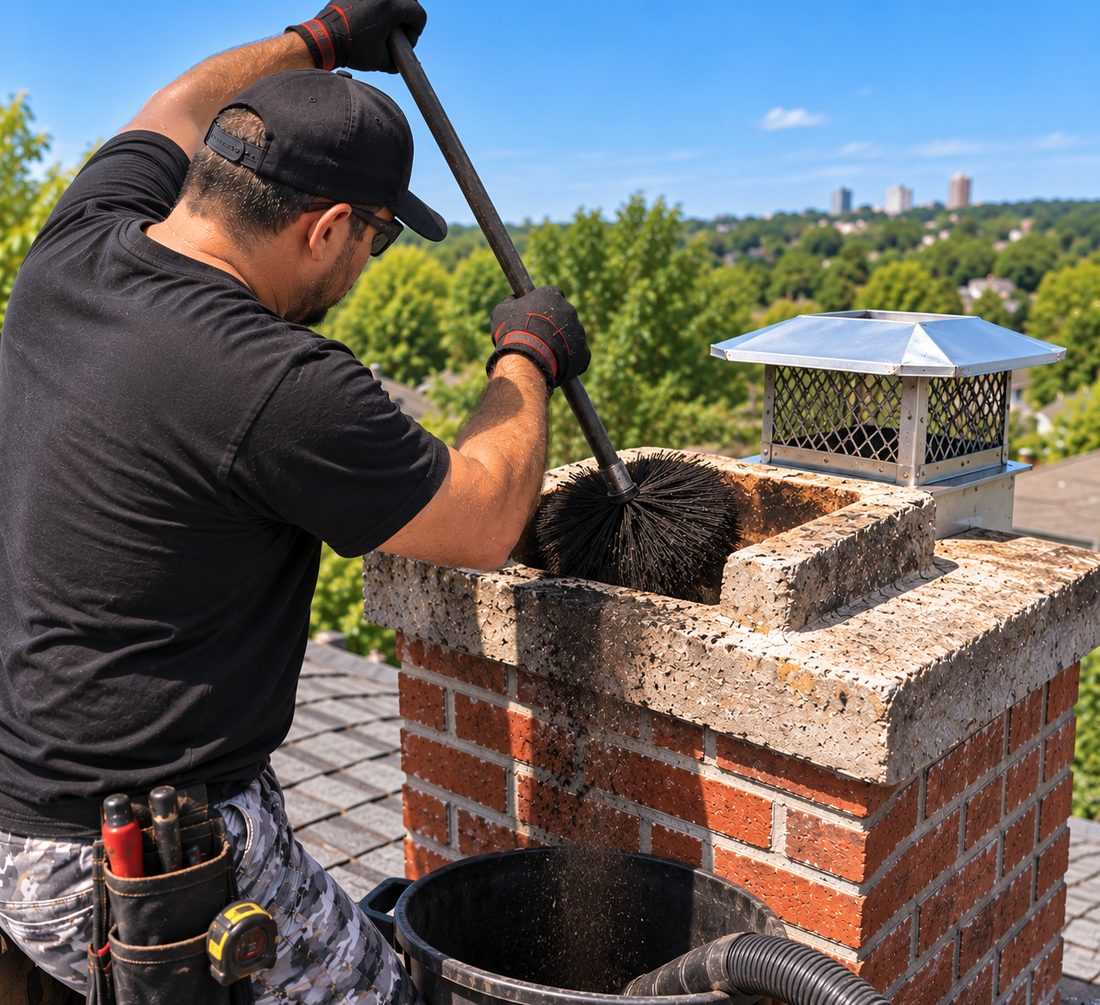
Removing soot and creosote so a flue can vent the way it was designed to.
Learn about Chimney Cleaning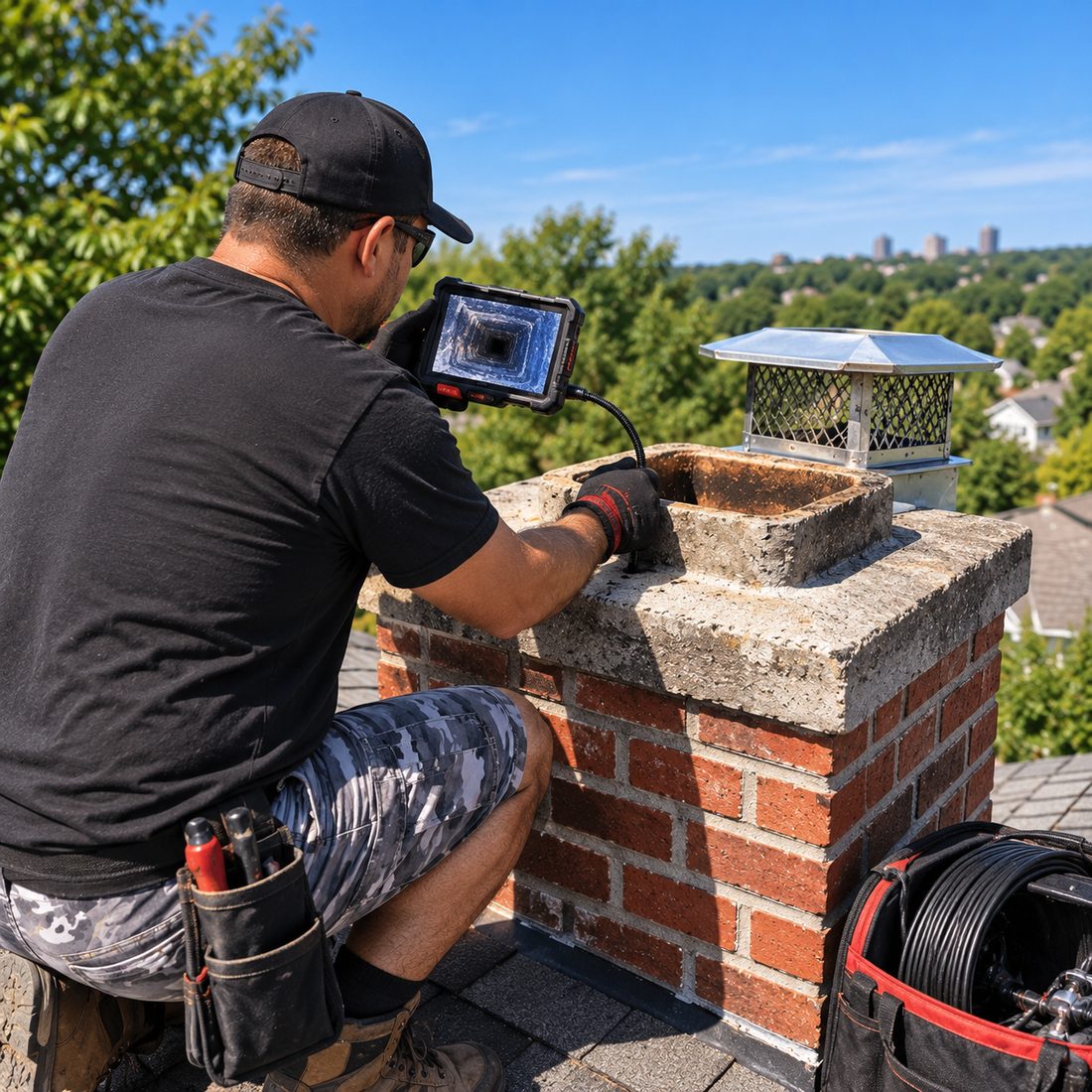
A video scan of the flue interior that shows what a view from below cannot.
Learn about Camera Chimney InspectionKeep reading
See what a professional chimney cleaning visit may involve, from protecting the work area to reviewing accessible conditions and next steps.
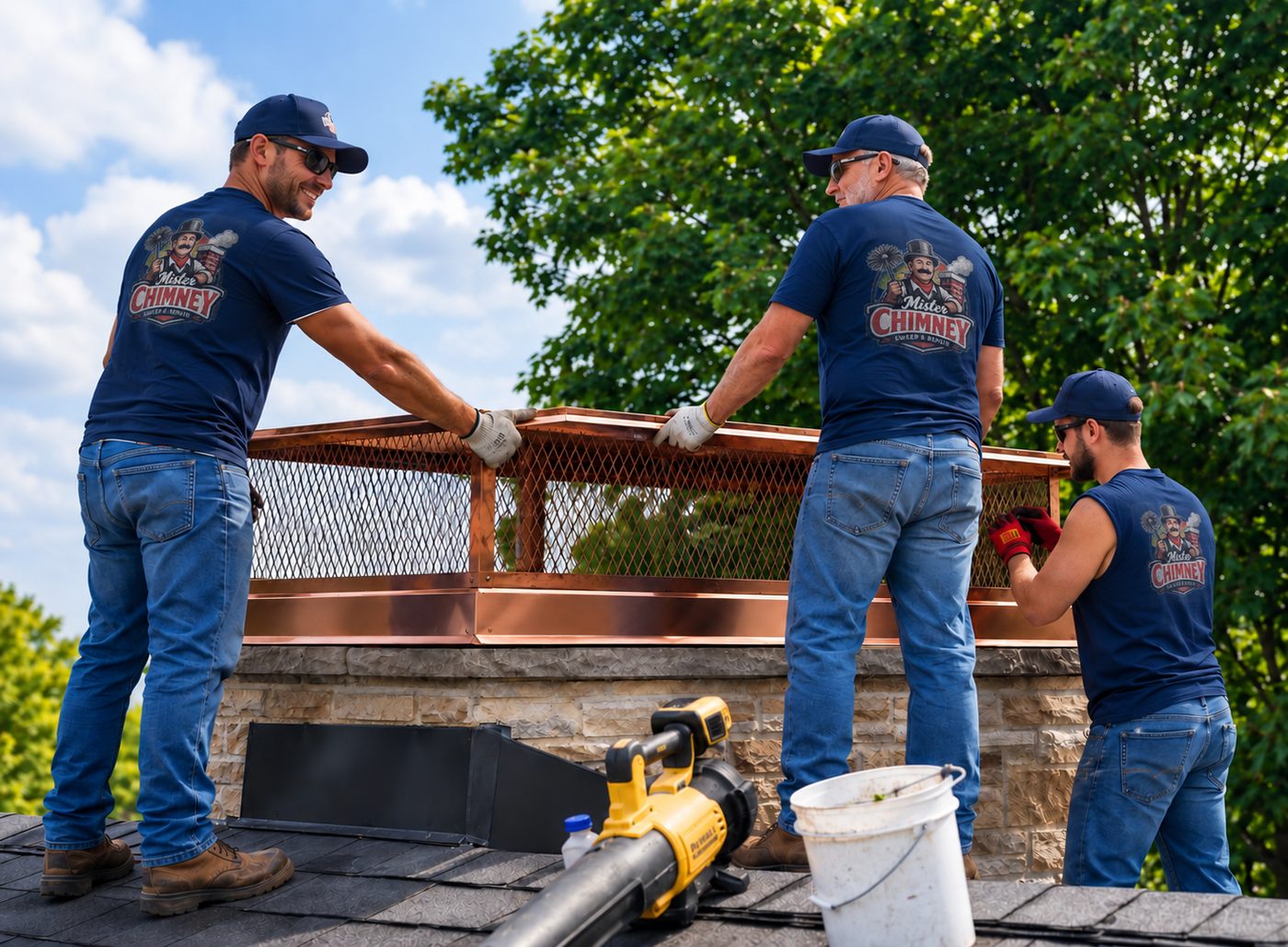
Learn why documenting accessible chimney conditions with notes, photos, or camera work helps homeowners understand repair recommendations before approving work.
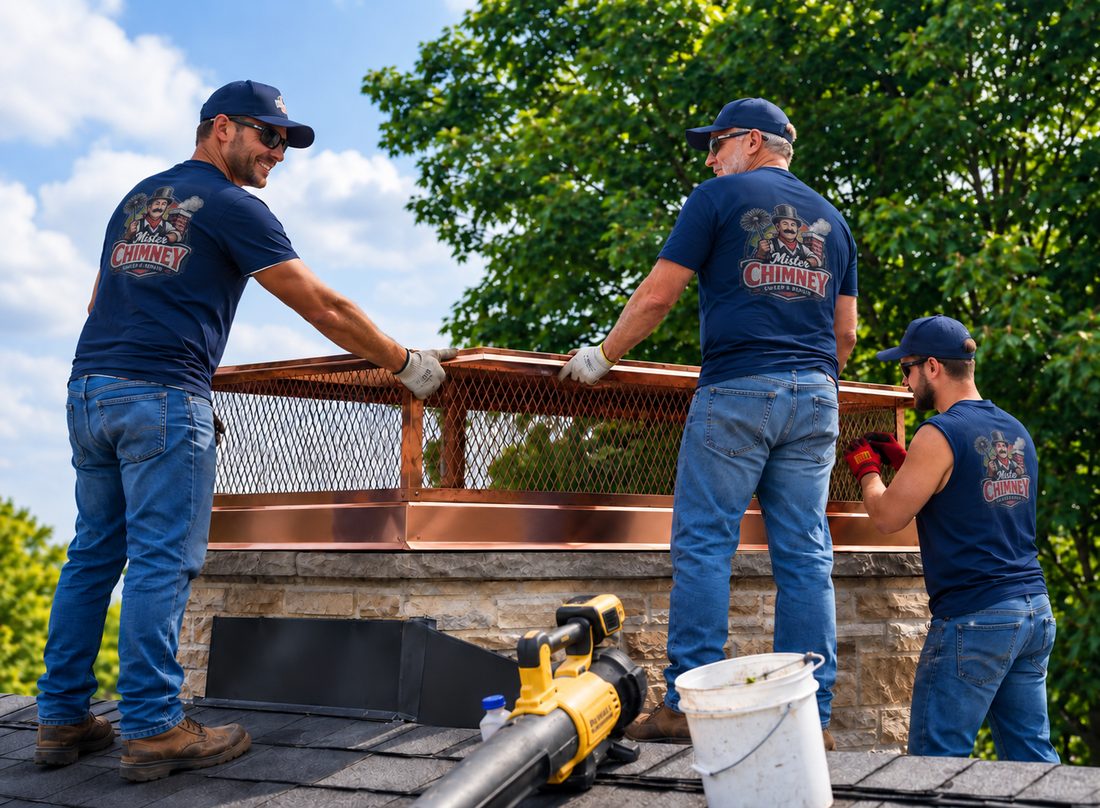
A practical chimney maintenance checklist for property managers: access, tenant communication, service history, seasonal planning, documentation, and repair approvals.
Get in touch
Tell us about your chimney or fireplace and the best number to reach you. Full name, phone, and ZIP are required.