What a Chimney Cap Does—and When to Replace It
Learn what a chimney cap does, why fit and condition matter, and when replacement or repair may be appropriate for a Missouri chimney.
Service Process & Home Care
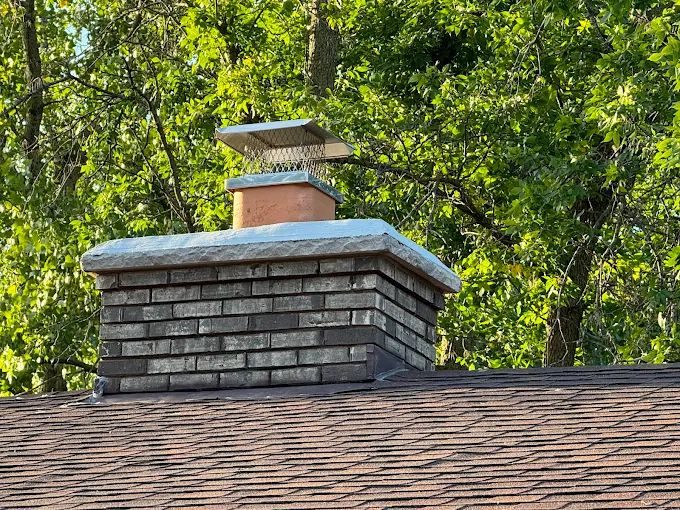
An open or poorly protected chimney can look like shelter to birds and small animals. Warmth, height, and a protected opening can make it appealing for nesting or temporary refuge. For homeowners, the issue is not only noise. Nesting material, debris, or animal activity can affect airflow and create a condition that should be evaluated before the fireplace is used.
The safest approach is prevention that fits the chimney system. A properly selected cap or guard can help reduce entry while allowing the chimney or venting system to function as designed. The key word is “properly.” A homemade screen, blocked opening, or random cover can create a new airflow or weather problem.
You may hear chirping, scratching, or movement near the fireplace or chimney. You may see twigs, leaves, feathers, or other debris in the firebox. A cap may look damaged or missing from the ground. An odor or drafting change can also be part of the report, though these symptoms can have other causes too.
Do not light a fire to force an animal or nest out. Do not reach into the flue, spray chemicals, or try to remove material from the roof. Wildlife situations can involve safety and local requirements, and a blocked chimney should be handled carefully.
A chimney animal guard and nest removal visit begins with identifying the chimney or venting system and the accessible condition at the top. The cap or guard must fit the flue, allow appropriate ventilation, manage rain and debris, and work with the fireplace or appliance configuration.
Some systems already have a cap that is damaged, corroded, poorly fitted, or no longer attached. Others may need a different protective arrangement. The right solution is not just “put mesh on it.” It is selecting and installing a component that suits the actual system.
The first priority is to avoid using the fireplace until the situation is evaluated. The service team can assess accessible conditions and determine what removal or follow-up is appropriate. If there are wildlife protections or timing considerations, those should be respected rather than ignored for the sake of convenience.
After removal, the chimney may need cleaning, inspection, or cap work depending on what was found. The homeowner should understand whether debris affected the flue, whether the cap needs repair, and whether the fireplace should remain unused until another condition is addressed.
Checking the cap and chimney top during routine maintenance is a practical way to notice damage before animals enter. It also helps identify weather exposure, debris, and deterioration that can affect other components.
If you live near trees or have noticed repeated bird activity around the chimney, mention that when scheduling service. The technician can include it in the evaluation rather than treating the issue as an afterthought.
Nesting material and debris can affect airflow or create an obstruction concern. Do not use the fireplace until the system has been evaluated and the appropriate next step is clear.
Do not install a cover or screen without knowing how it affects the particular flue or appliance. A component that blocks or restricts the system can create another problem. Professional evaluation helps select the right protection.
A properly fitted cap or guard can help reduce entry, but it should be maintained and checked for damage. Trees, weather, and system condition can all affect the long-term result.
If you hear animal activity or see nesting material in a chimney in St. Louis or Kansas City, keep the fireplace unused and contact Mister Chimney. Request chimney animal guard and nest removal for an appropriate, condition-based response.
How we can help
Clearing animals and nests from a flue and fitting guards to keep them out.
Learn about Chimney Animal Guard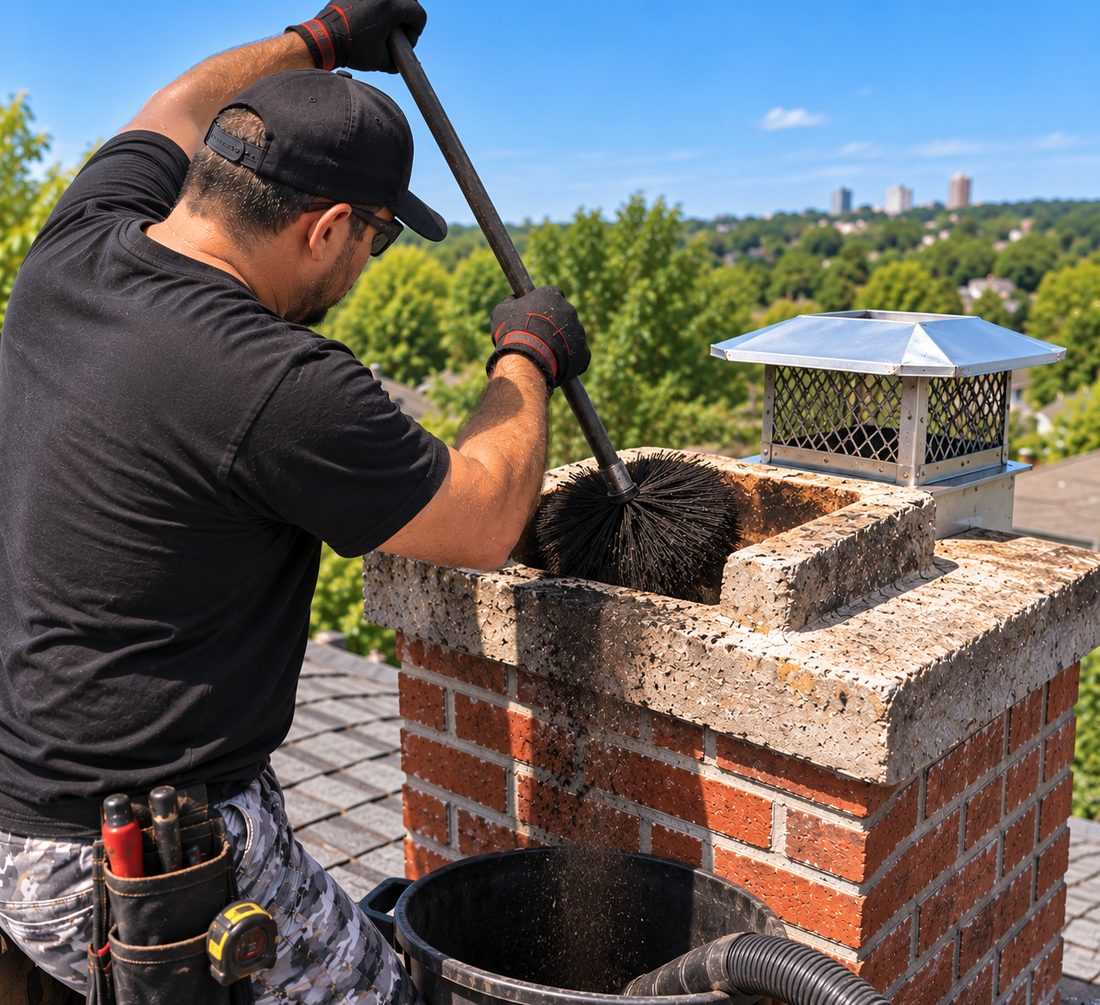
Removing soot and creosote so a flue can vent the way it was designed to.
Learn about Chimney Cleaning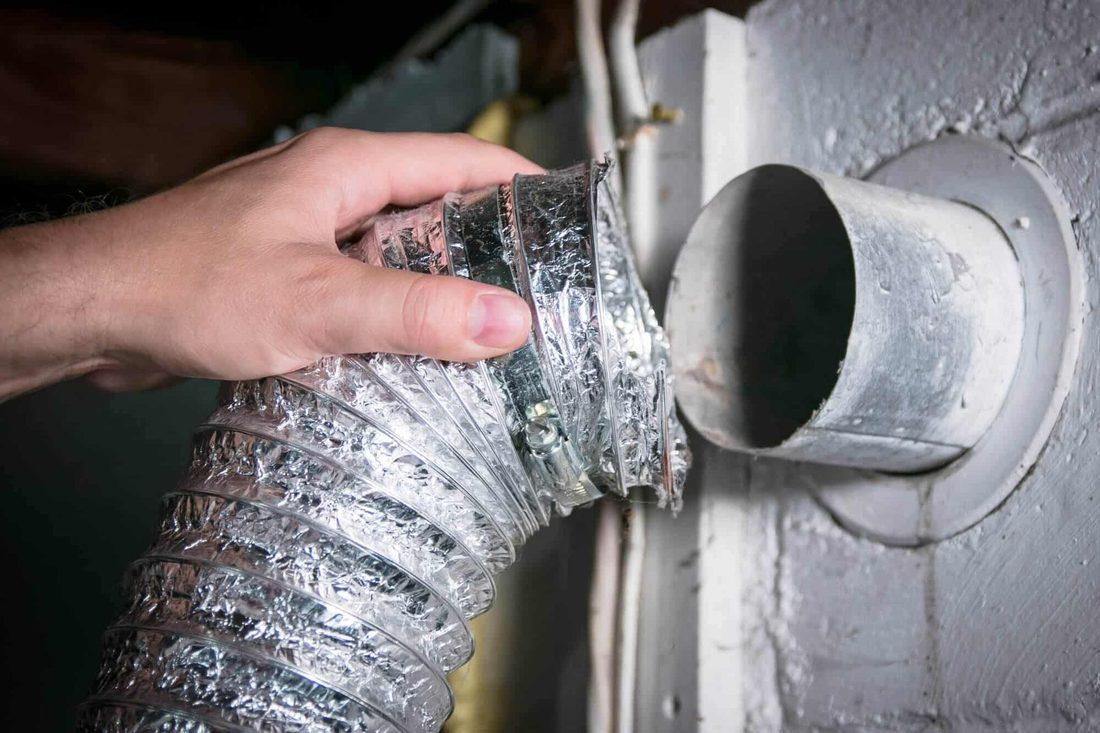
Clearing lint from dryer ducts to restore airflow and reduce a real fire risk.
Learn about Dryer Vent CleaningKeep reading
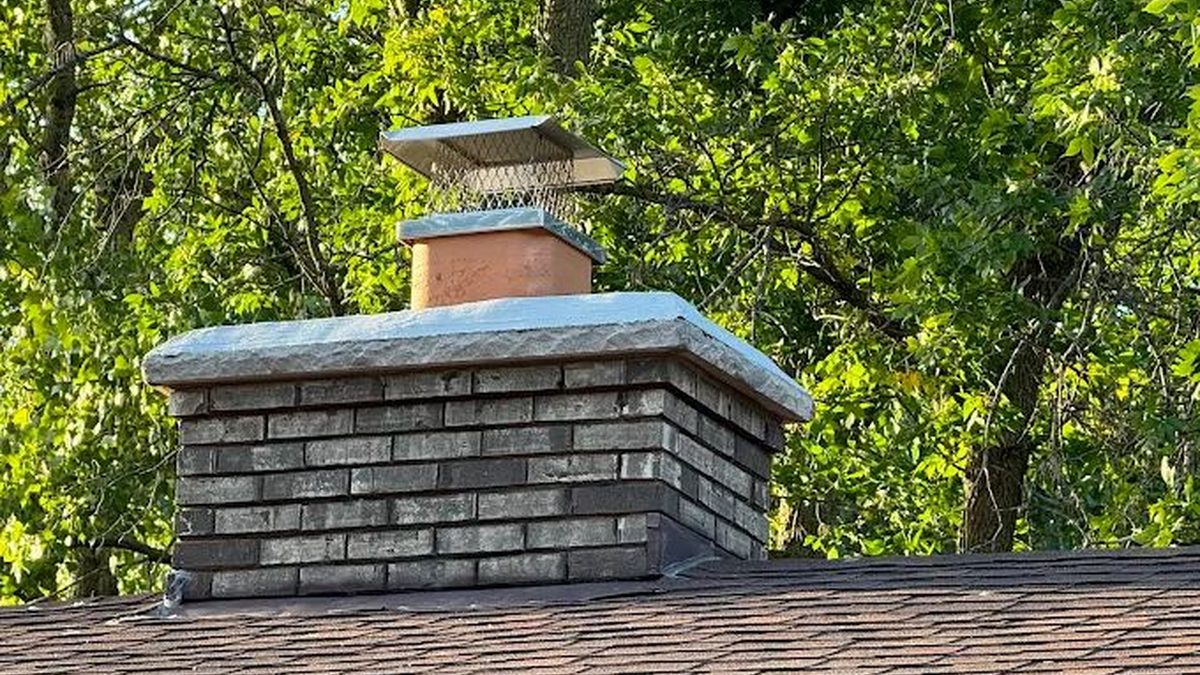
Learn what a chimney cap does, why fit and condition matter, and when replacement or repair may be appropriate for a Missouri chimney.
See what a professional chimney cleaning visit may involve, from protecting the work area to reviewing accessible conditions and next steps.
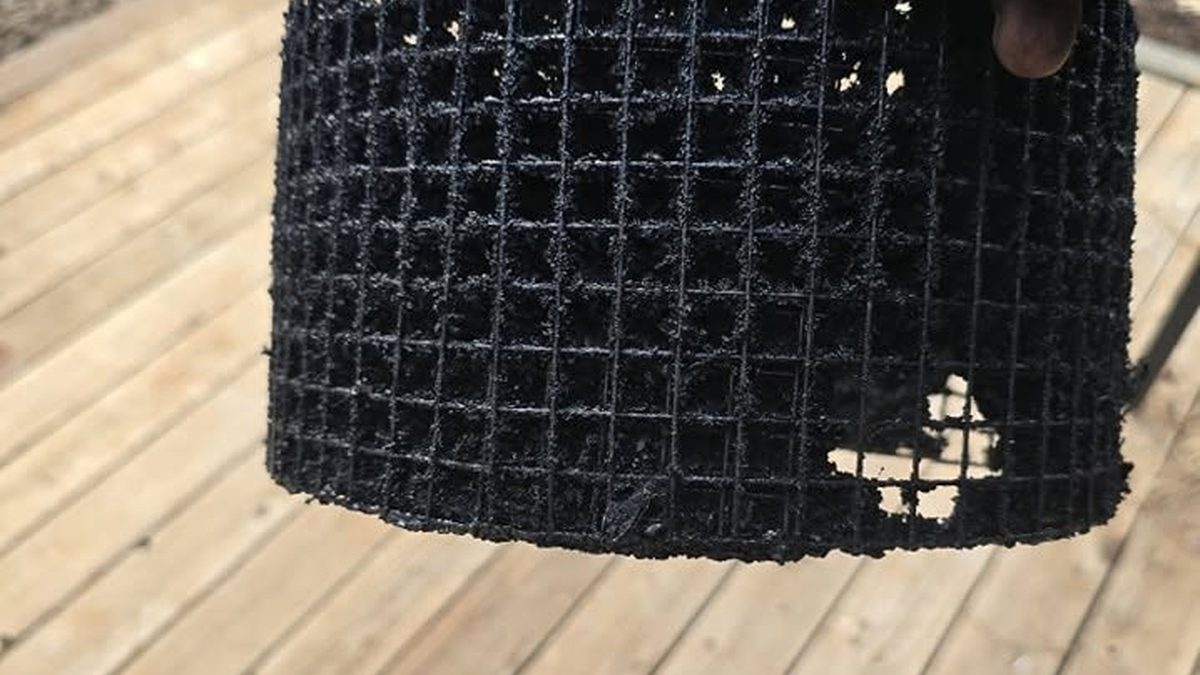
Learn which fireplace changes should prompt you to stop using the system and arrange a chimney or fireplace inspection before the next fire.
Get in touch
Tell us about your chimney or fireplace and the best number to reach you. Full name, phone, and ZIP are required.