
How Often Should You Clean a Chimney in Missouri?
Learn what affects chimney cleaning frequency in Missouri, including use, fuel type, system condition, moisture, and changes in fireplace performance.
Missouri Seasonal & Property Care
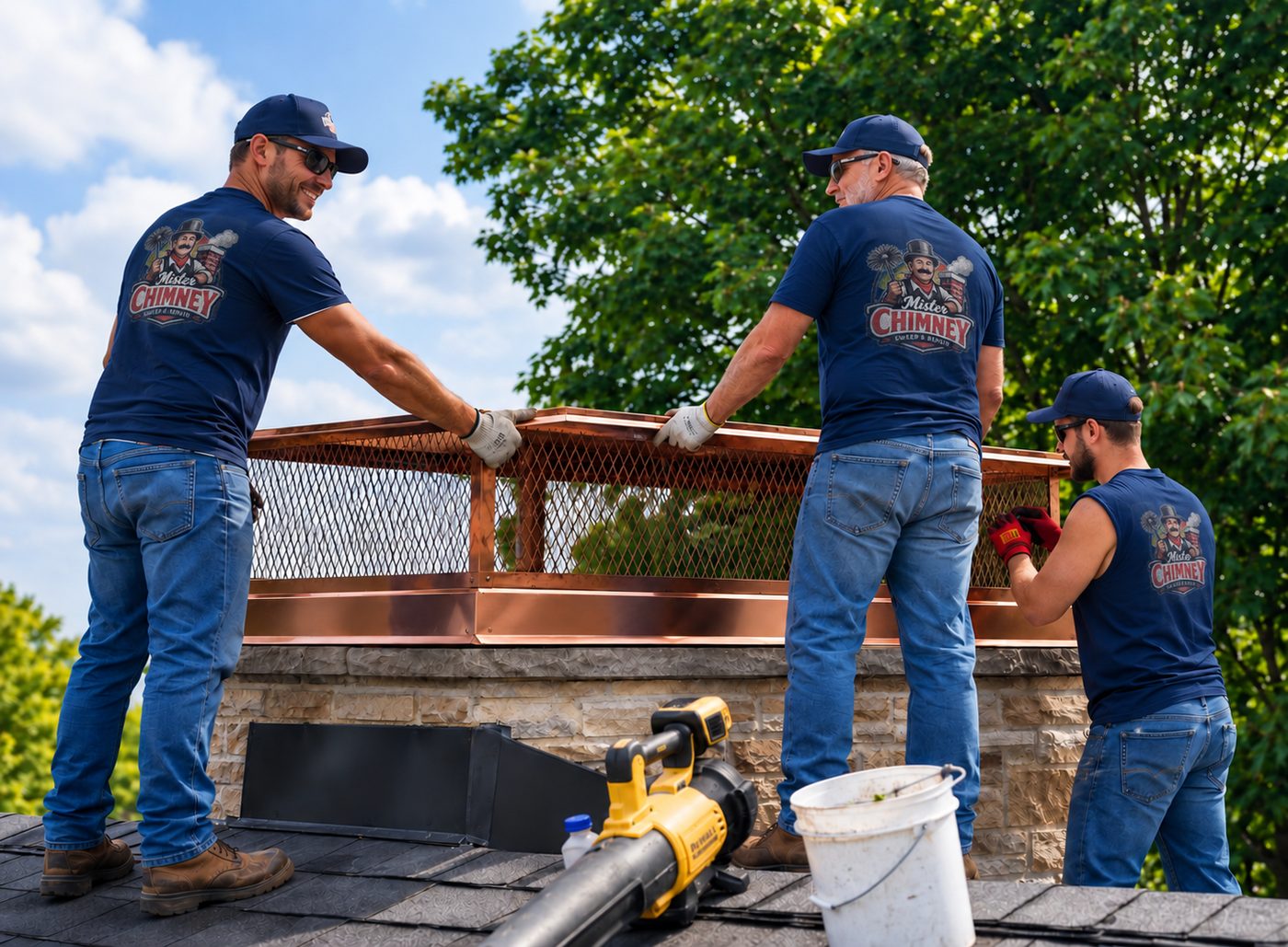
Before the heating season starts, a fireplace checklist can help homeowners shift from “we have not used it in a while” to “we know what needs to be checked.” The checklist is not a DIY inspection or a substitute for professional service. It is a way to notice visible changes, gather useful information, and arrange maintenance before the first cold-weather fire.
For Kansas City homes with wood-burning fireplaces, gas fireplaces, stoves, or inserts, the core idea is the same: understand the system’s use history, look for changes, keep the area accessible, and schedule an evaluation if the condition is unknown or something has changed.
Think back to the last time the fireplace or appliance was used. Did it smoke? Was there an odor? Did the damper feel stiff? Was there water near the fireplace after rain? Did the system sit unused for more than one season? Have there been roof, masonry, or remodeling projects since the last use?
Write down those details. They are more helpful than trying to remember them once the technician is in the room. If you have past service records or photos, keep them available for the appointment.
With the fireplace cold, look at the firebox, hearth, doors or panels, damper control, and surrounding wall or ceiling. Notice loose material, stains, rust, cracks, debris, animal activity, or a new odor. From the ground outside, look for visible changes to the chimney cap, crown, masonry, or chase cover.
Do not climb to the roof, test an uncertain damper with force, light a small fire “just to see,” or disassemble an appliance. A checklist should make the service visit more informed, not turn the homeowner into the inspector.
Move small furnishings, decorations, and fragile items away from the immediate hearth area. Make sure there is a clear path from the entry to the fireplace or stove. If there are access constraints, pets, building rules, gate codes, or attic-access details relevant to the system, share them when scheduling.
Good access helps the technician protect the work area and focus on the actual condition of the fireplace rather than spending the visit moving obstacles.
A fireplace maintenance and safety check may include discussion of cleaning, inspection, condition, and appropriate next steps. A heavily used wood-burning system may need cleaning and inspection. A gas fireplace with an operating change may need gas-specific service. A chimney with a water or masonry concern may need repair evaluation before seasonal use.
The key is to describe the system accurately and mention any concerns. That helps Mister Chimney plan a visit that fits your property rather than send a generic service response.
Once the system has been evaluated and is ready for use, follow the appliance instructions and observe normal operation. If smoke enters the room, an unfamiliar odor develops, a gas unit changes behavior, or a component feels wrong, stop using the system and arrange follow-up service.
The heating season is easier when maintenance decisions are made before the first cold night, not after a problem appears during use.
Schedule early enough to allow time for an inspection, cleaning, or repair discussion before you plan to use the system regularly. The exact timing depends on your use history and any concerns you have noticed.
Gas appliances have different maintenance needs from wood-burning fireplaces, but changes in operation, condition, or long periods of nonuse are good reasons for a professional evaluation.
No. The checklist helps you collect useful observations. It does not assess hidden components, venting, liner condition, or the full safety and operation of the system.
Before you use a Kansas City fireplace for the season, request a fireplace maintenance and safety check with Mister Chimney. We will review the accessible system and help you start the season with clear information.
How we can help
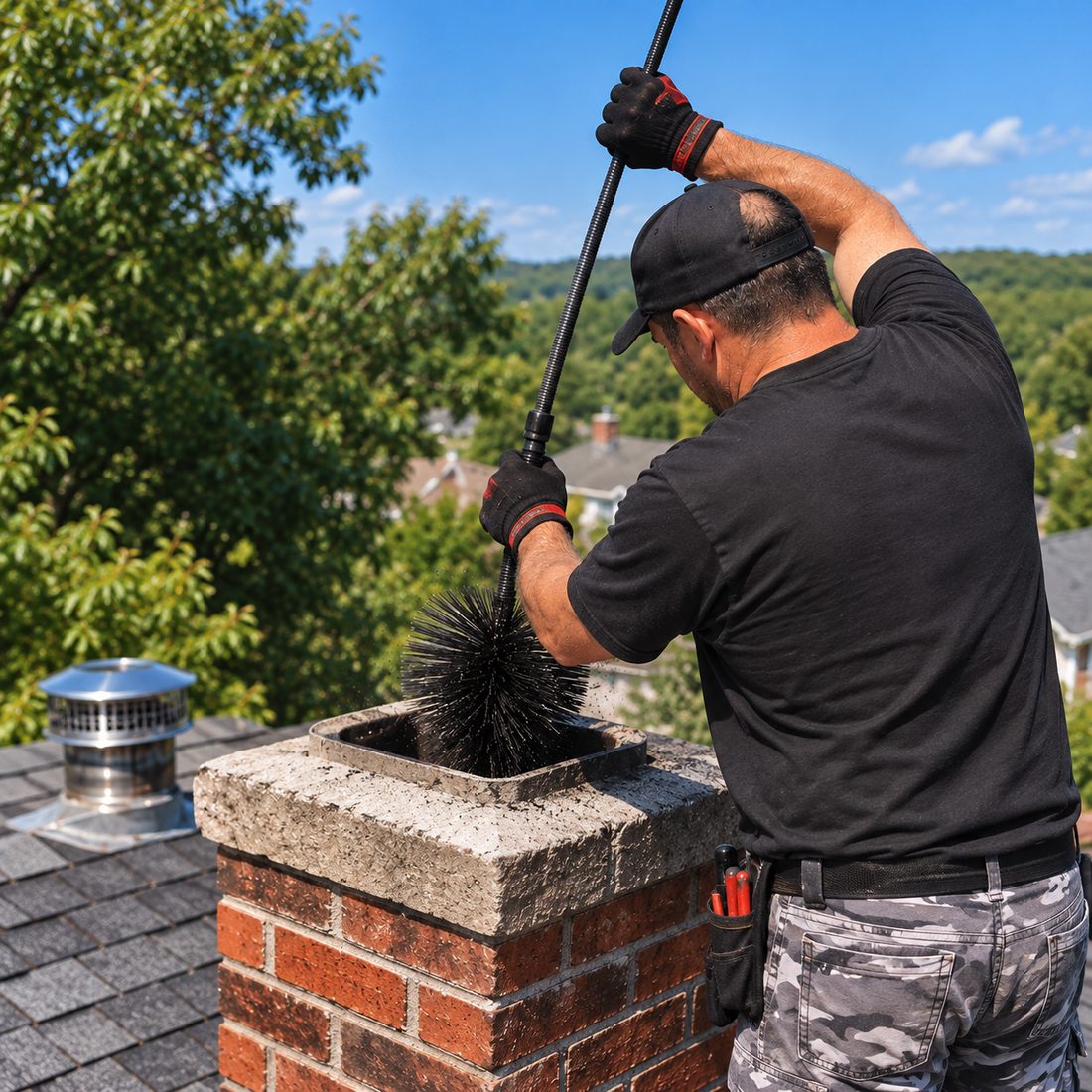
A practical seasonal check to keep a fireplace ready and catch problems early.
Learn about Fireplace Maintenance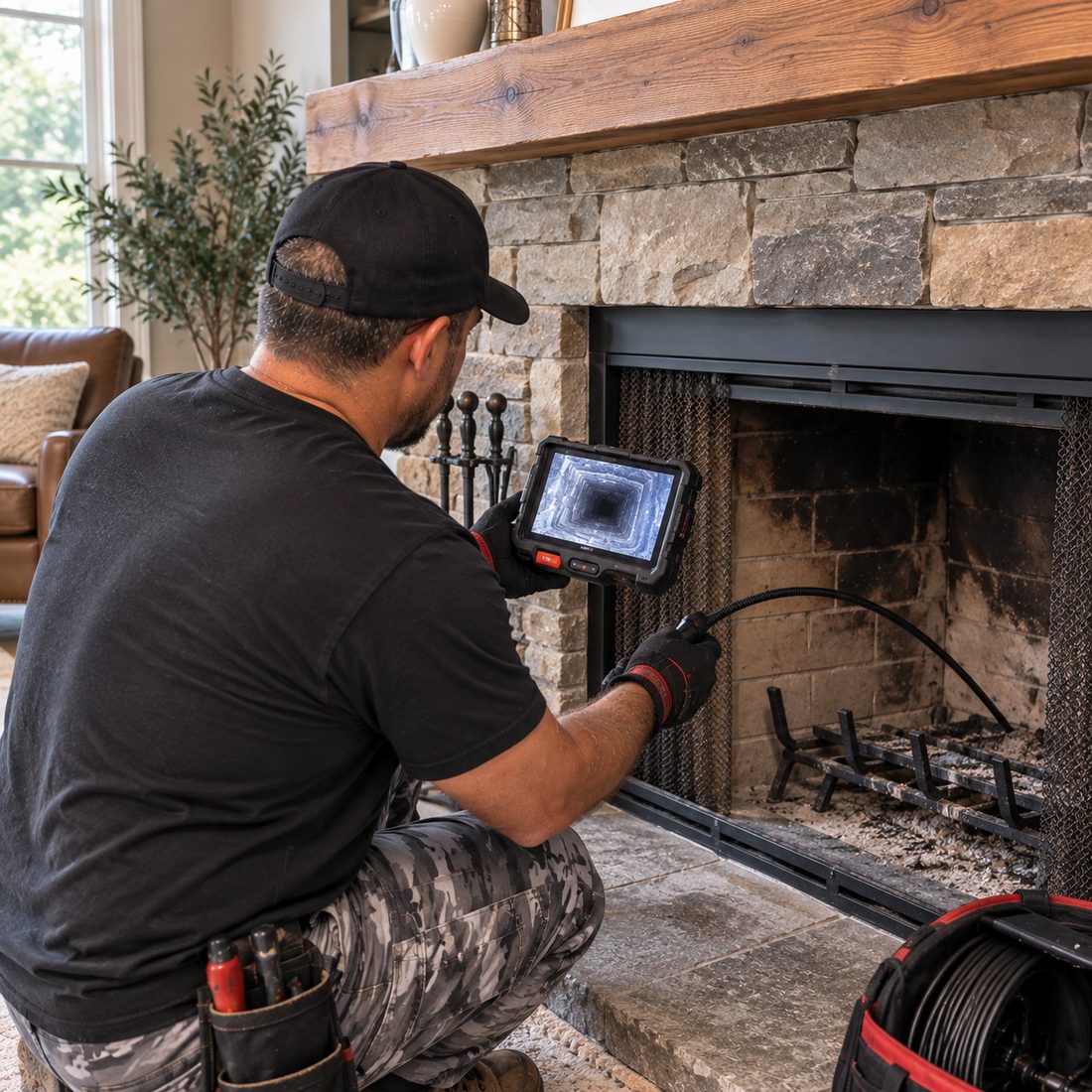
A structured look at the flue, firebox, and exterior to document the system's condition.
Learn about Chimney Inspection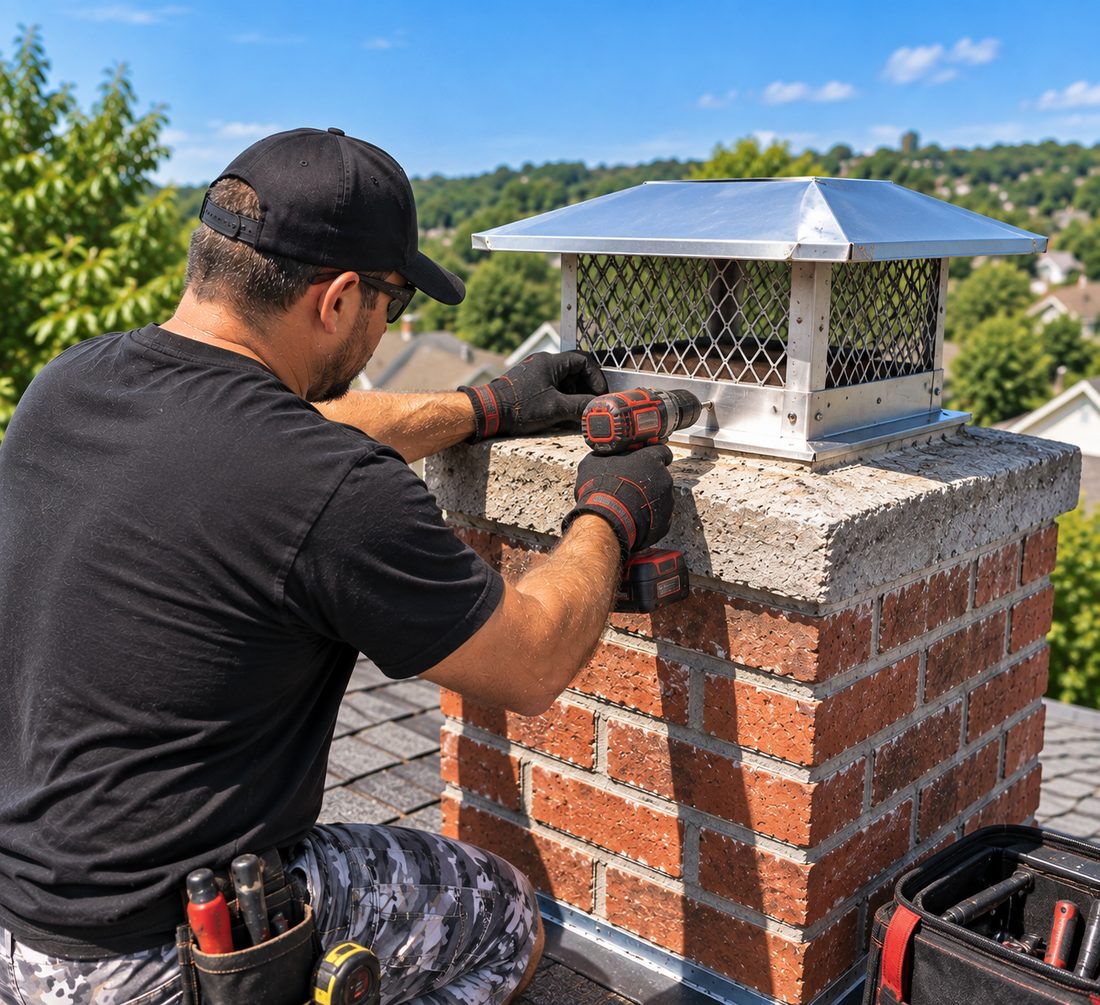
Fitting the flue cover that keeps rain, animals, and embers where they belong.
Learn about Chimney Cap InstallationKeep reading
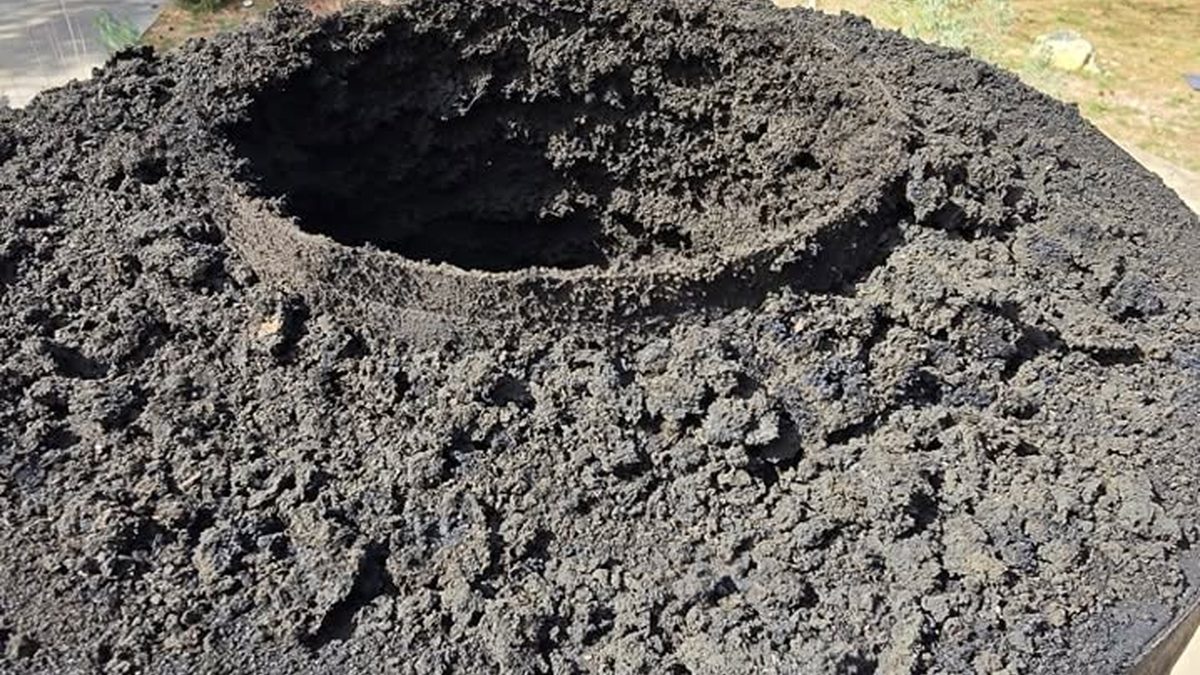
Learn what affects chimney cleaning frequency in Missouri, including use, fuel type, system condition, moisture, and changes in fireplace performance.
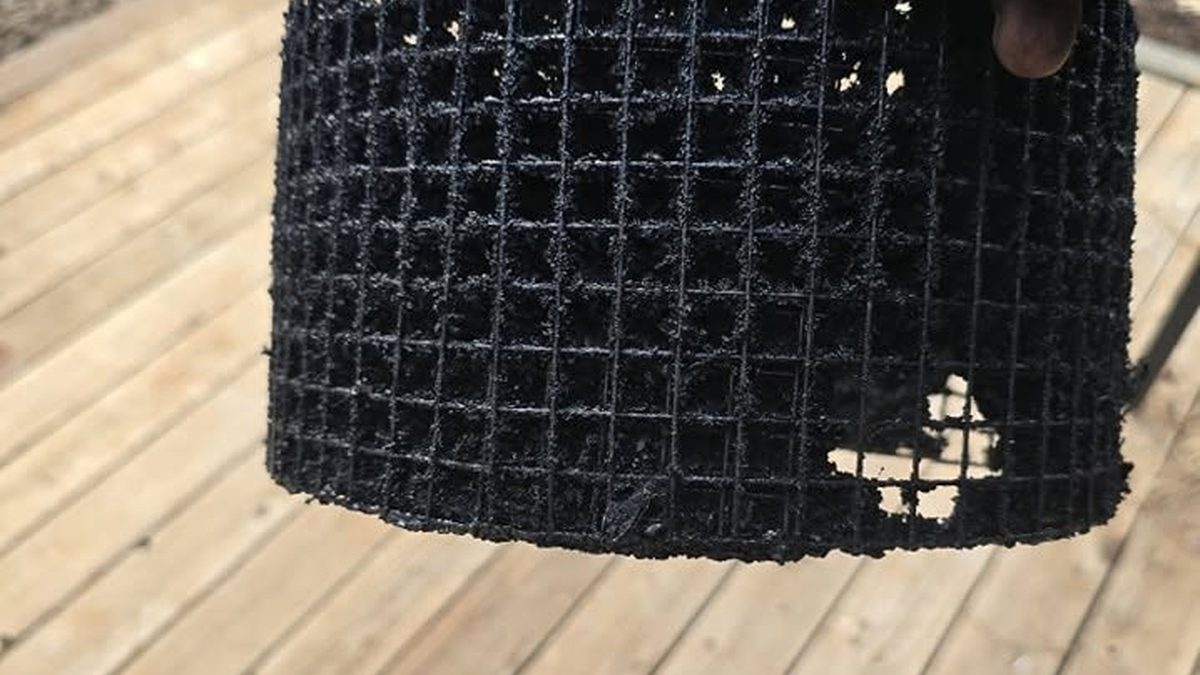
Learn which fireplace changes should prompt you to stop using the system and arrange a chimney or fireplace inspection before the next fire.
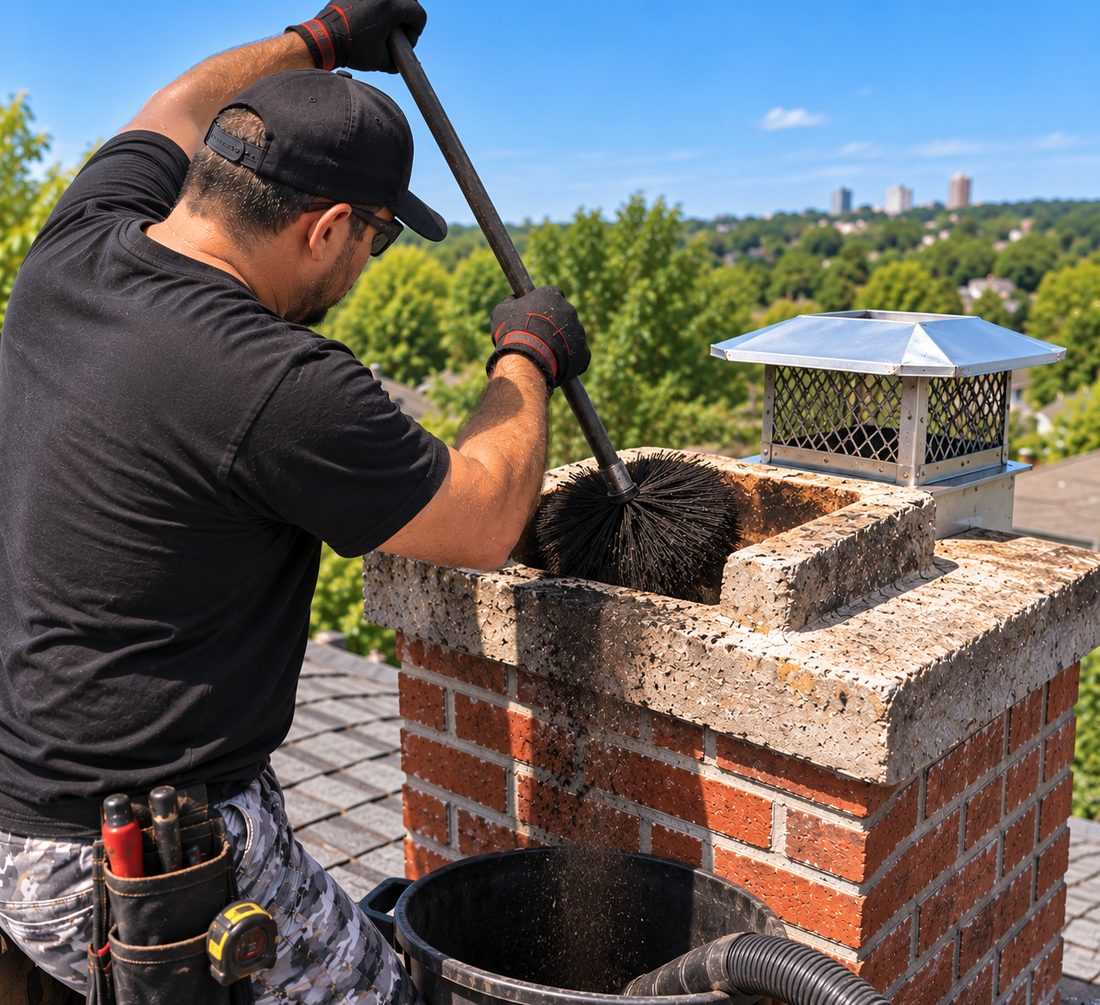
See what a professional chimney cleaning visit may involve, from protecting the work area to reviewing accessible conditions and next steps.
Get in touch
Tell us about your chimney or fireplace and the best number to reach you. Full name, phone, and ZIP are required.