
How Missouri Freeze–Thaw Weather Can Affect Chimney Masonry
Learn how moisture and freeze–thaw exposure can affect chimney brick and mortar in Missouri, what to watch for, and when to schedule an evaluation.
Fireplace, Flue & Venting
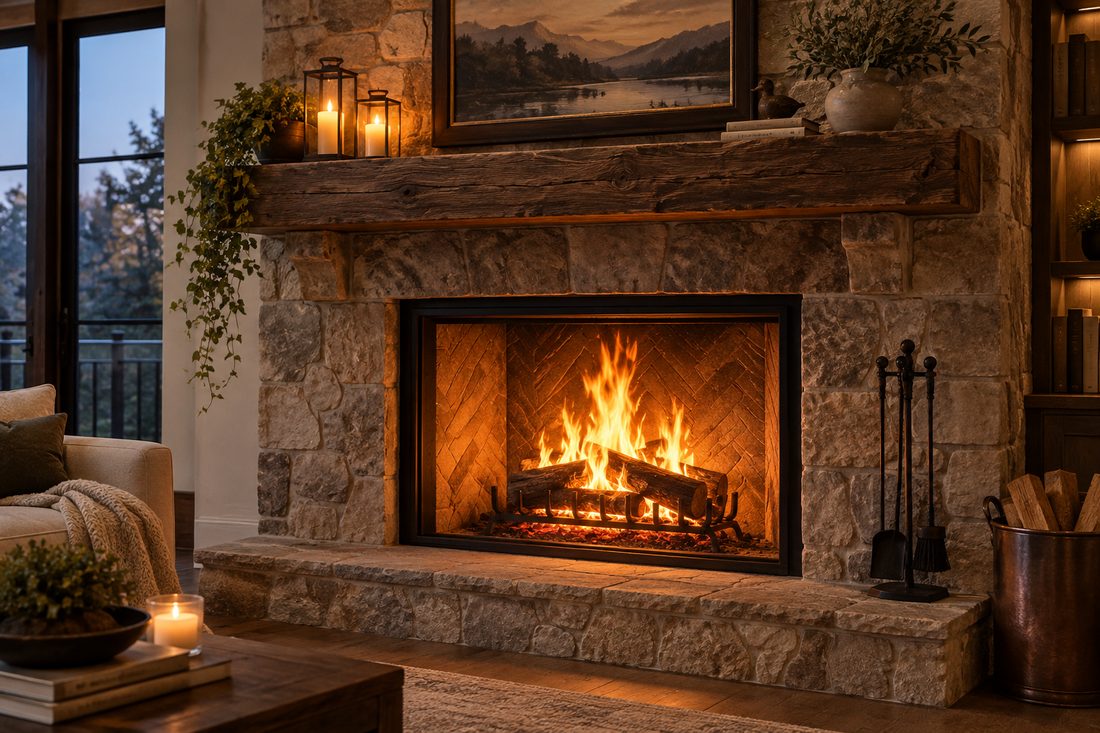
An outdoor fireplace lives with the weather every day. Rain, wind, leaves, temperature changes, moisture, and periods of nonuse can all affect its masonry, firebox, cap, chimney, and surrounding finishes. A seasonal check is a practical way to notice changes before the next gathering or fire.
Maintenance does not have to be complicated. Start with safe visual observations from the ground and patio area, then arrange professional service if you see signs of wear, water entry, loose materials, or a performance change.
Wait until the fireplace is completely cool. Remove loose ash and debris only as appropriate for the fireplace, then look at the hearth, firebox, masonry, cap, and visible chimney. Check for cracks, loose mortar, flaking material, rust, water staining, leaves or nesting material, and signs that the chimney top has changed.
Do not climb onto the structure or roof to inspect the cap or crown. Outdoor fireplaces can have elevated components, unstable masonry, and sharp metal edges. A ground-level observation is enough to identify whether a professional evaluation is warranted.
Outdoor fireplaces face direct rain and wind. Water can enter through damaged caps, cracks in a crown, open mortar joints, or masonry that has been repeatedly exposed. It can also settle in areas that do not drain well. Over time, moisture can affect brick, mortar, metal components, and the firebox.
If you notice new cracking, staining, loose material, or a damp odor after rain, do not cover it with paint or a generic sealant. The underlying condition should be understood first. A chimney waterproofing plan may be appropriate in some cases, but it should follow source repair and condition evaluation.
Leaves, twigs, nests, and other debris can collect in an outdoor fireplace or chimney. If you hear animals, see nesting material, or find a blocked opening, do not light a fire to clear it. The chimney should be evaluated before use, and any wildlife situation should be handled with appropriate care.
A cap or guard may be part of the long-term prevention plan, but it needs to fit the fireplace and venting system. A makeshift screen or cover can interfere with airflow or create another condition.
If the outdoor fireplace is used regularly in warm-weather months, schedule maintenance before the busiest period. If it was unused through winter or after a long stretch of rain, have it checked before the first fire. The visit can address cleaning needs, visible masonry concerns, cap condition, and accessible firebox or chimney components.
For homeowners who use an outdoor fireplace only occasionally, condition still matters. A small water-related issue can develop while the fireplace is not being used, and it is easier to understand the scope before a special event rather than during it.
Do not use a cover that blocks venting or traps moisture without understanding how it affects the system. A professional can evaluate the chimney top, cap, crown, masonry, and appropriate weather-management options.
If an outdoor fireplace burns wood, it can develop soot, deposits, and debris in its chimney path. The cleaning and inspection needs depend on use, condition, and construction.
Flaking or loose material can be related to moisture exposure and should be evaluated. Avoid scraping aggressively or applying a surface coating before the condition is understood.
If your outdoor fireplace shows weather-related wear in St. Louis or Kansas City, Mister Chimney can help you plan the right next step. Request outdoor fireplace repair before the next season of use.
How we can help
Restoring outdoor fireplaces and chimneys that take year-round weather exposure.
Learn about Outdoor Fireplace Repair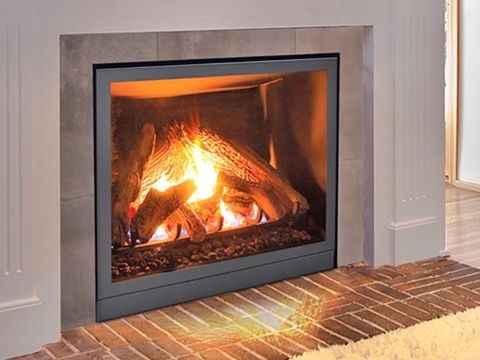
Diagnosing why a gas fireplace won't light, stay lit, or run cleanly, and correcting it.
Learn about Gas Fireplace Repair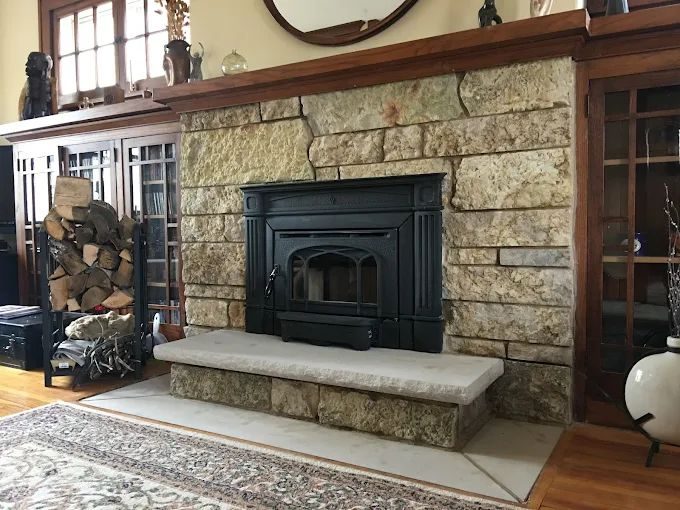
Fitting an efficient sealed insert into an existing fireplace opening.
Learn about Fireplace Insert InstallationKeep reading
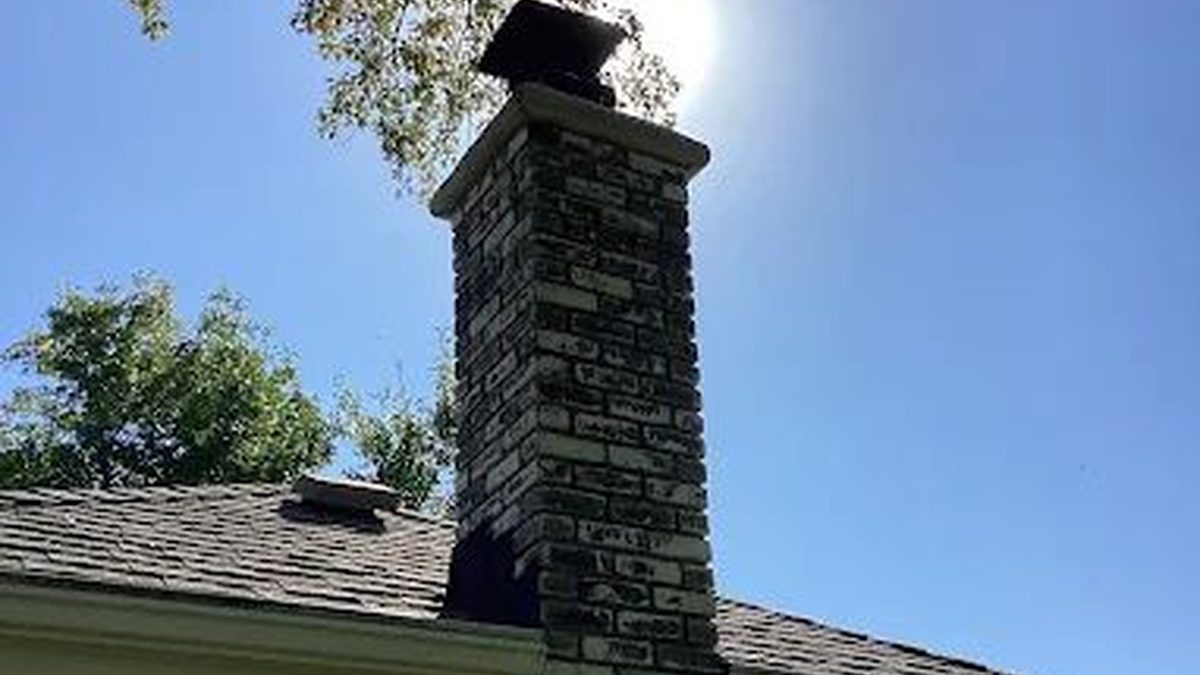
Learn how moisture and freeze–thaw exposure can affect chimney brick and mortar in Missouri, what to watch for, and when to schedule an evaluation.
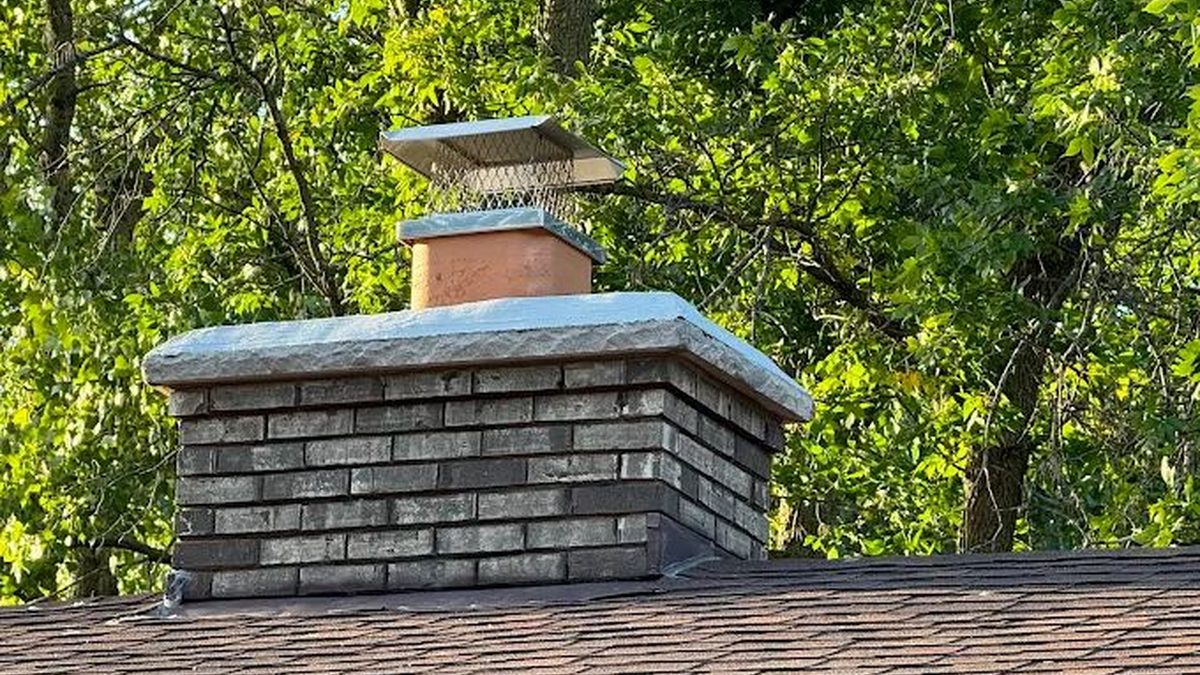
Learn what a chimney cap does, why fit and condition matter, and when replacement or repair may be appropriate for a Missouri chimney.
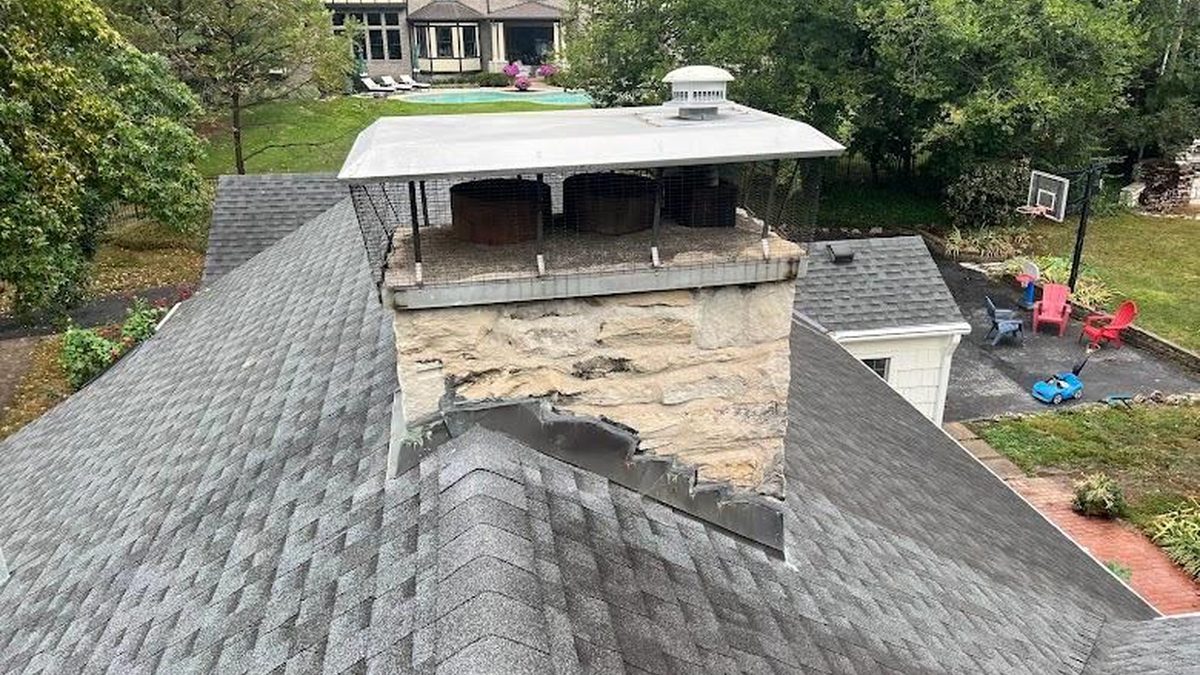
After a heavy rain or windstorm, learn what homeowners can safely observe around a chimney or fireplace and when to schedule a professional evaluation.
Get in touch
Tell us about your chimney or fireplace and the best number to reach you. Full name, phone, and ZIP are required.